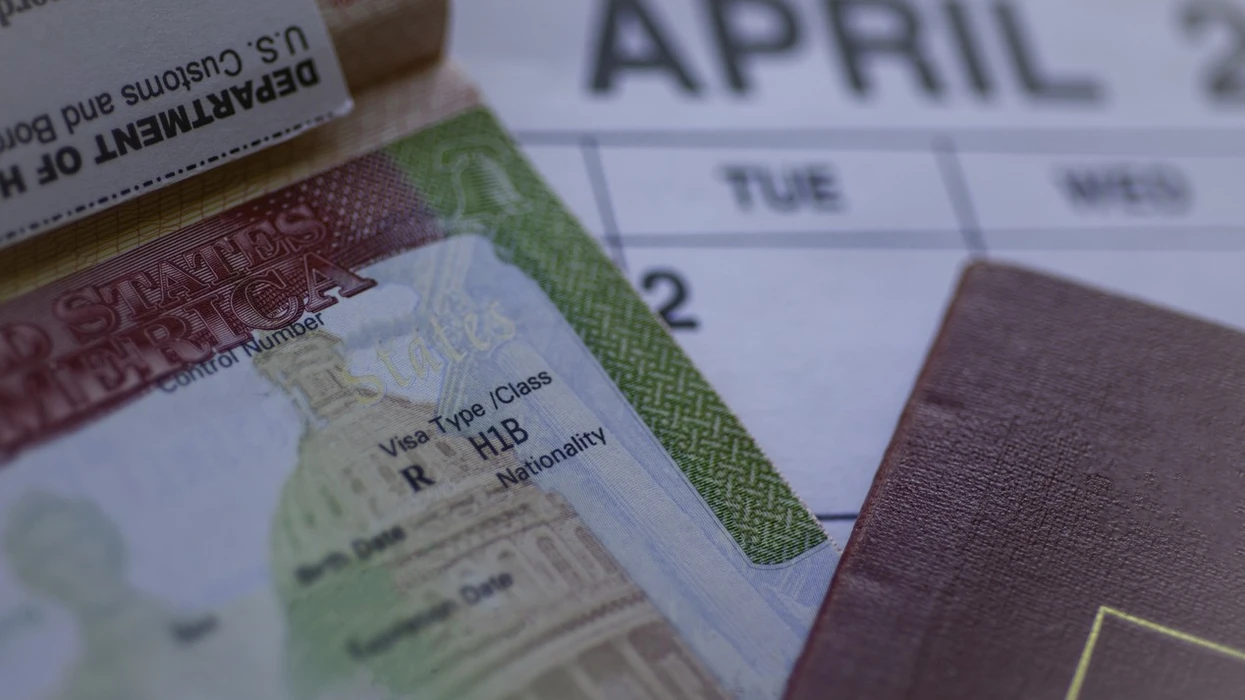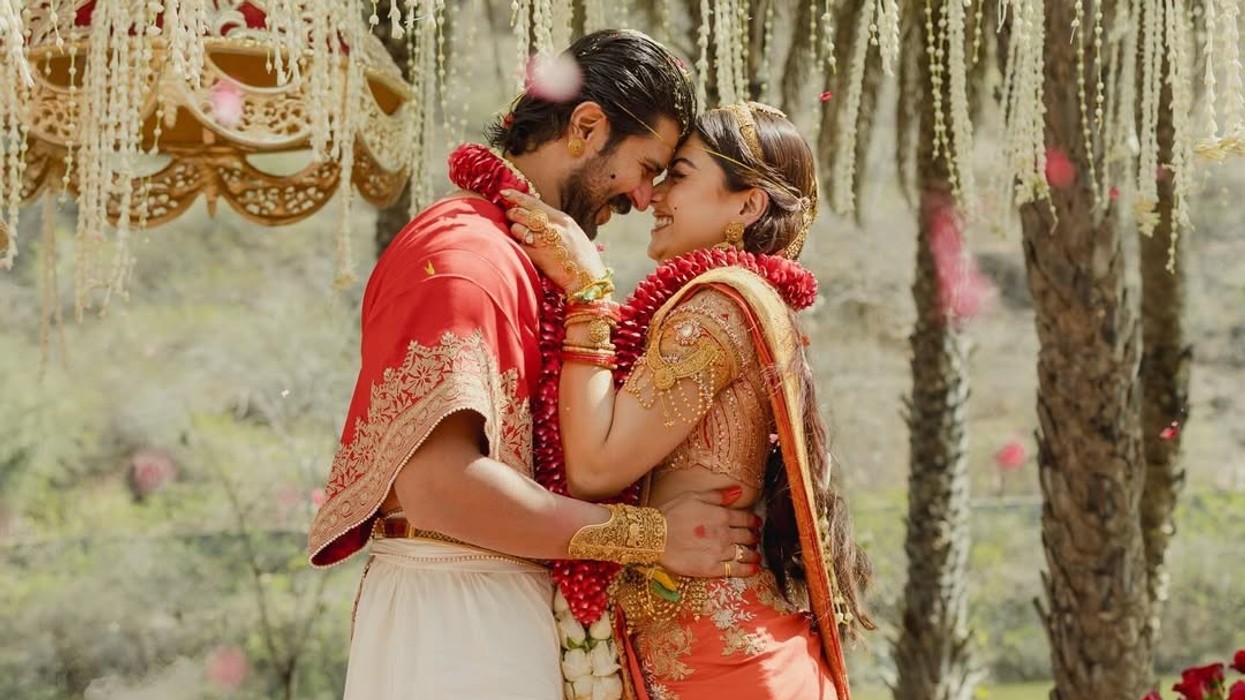

A noticeable shift is refining Indian weddings in 2026. Driven by the Indian government's 'Wed in India' push and a growing desire for culturally rooted celebrations, NRI and expat couples are increasingly choosing India over international spring break destinations.
What was once a trend of flying to Europe or Southeast Asia for destination weddings is now reversing. Couples are returning home not out of compromise, but for a more meaningful blend of tradition, convenience, and world-class hospitality. March and April in particular have emerged as peak months, combining favorable weather, auspicious dates, and logistical ease for global families.
These weddings are no longer about choosing between modern luxury and heritage. The are about seamlessly combining both.
The rise of destination, intimate, and luxury weddings
Destination weddings with cultural depth
India’s destination wedding landscape is evolving rapidly. Locations like Ranthambore are gaining traction among NRIs who want immersive cultural experiences rather than just scenic backdrops. Heritage properties such as Juna Mahal offer royal architecture, traditional rituals, and curated experiences, from courtyard ceremonies to cultural performances.
At the same time, urban hubs like Greater Noida are thriving due to accessibility and infrastructure. Properties like Radisson Blu Greater Noida attract families looking for global standards, proximity to residential communities, and operational ease, especially when coordinating international guest lists.
Together, these destinations reflect two ends of the spectrum: heritage immersion and modern convenience.
Intimate weddings with personal meaning
Alongside large-scale celebrations, there is a growing preference for intimate weddings. Couples are focusing on storytelling—designing events around shared memories, favorite destinations, or cultural roots.
This trend aligns with broader 2026 wedding themes where décor becomes narrative, and each function feels like a chapter in the couple’s journey. From floral garden ceremonies to rustic outdoor setups, smaller gatherings allow for deeper emotional connection and curated guest experiences.
There is an escape for each themed wedding, a mountain view wedding? Uttarakhand and Himachal Pradesh are the most popular destinations. If there is a royal wedding theme, Rajasthan provides the extravagant boutique hotels to get the Indian royal--maharaja style wedding.
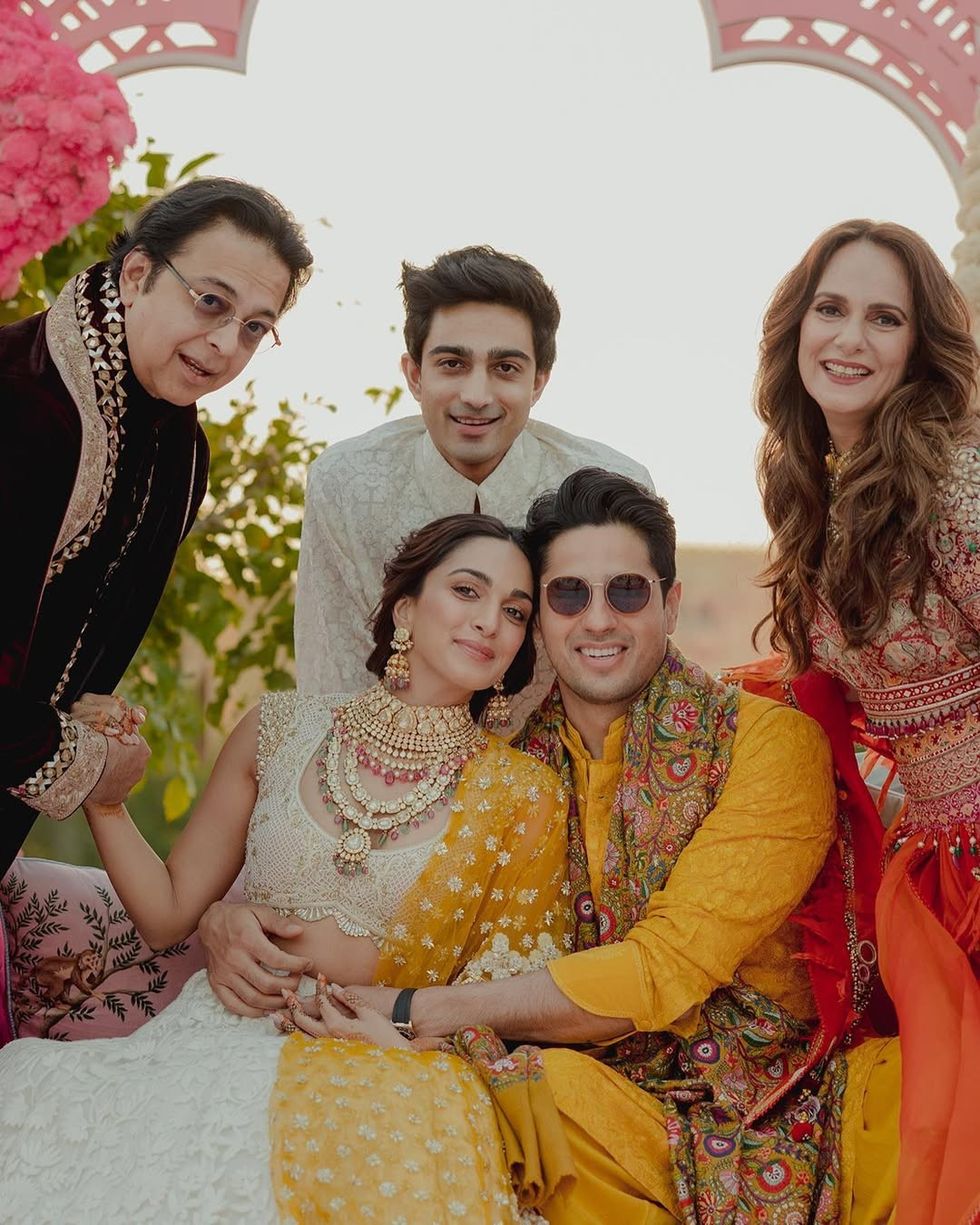 Kiara Ali Advani with familyInstagram/@kiaraaliaadvani
Luxury weddings redefined
Luxury in 2026 is no longer about extravagance alone. It is about personalization, sustainability, and thoughtful design. Venues are offering bespoke services, from customized menus blending Indian and global cuisines to curated guest itineraries.
NRI couples, in particular, are drawn to venues that match international standards while retaining Indian authenticity. Sustainability frameworks, seamless hospitality, and all-in-one venues are becoming decisive factors in choosing India over overseas locations.
Dresses, trends, and the advantage of Indian weather
March and April offer one of the biggest advantages for weddings in India: ideal weather conditions. With temperatures generally ranging between 20-30°C in cities like Bangalore, couples can comfortably host outdoor ceremonies, garden receptions, and evening celebrations.
This climate perfectly complements evolving bridal fashion trends in 2026.
Brides are moving toward lighter fabrics like chiffon and organza, making them ideal for spring weddings. Ombré lehengas, sheer dupattas, and pastel tones reflect the softness of the season, while metallic hues and crystal embellishments add understated glamour for evening events.
Modern silhouettes—such as corset-style blouses and sculpted fits, balance tradition with contemporary aesthetics. Meanwhile, accessories are becoming more intentional, with statement jewelry pieces replacing heavy, layered looks.
Grooms are also embracing lighter daytime tones like ivory and beige, shifting to deeper hues such as royal blue or maroon for evening functions.
The season’s versatility allows for multiple outfit changes across events—haldi, mehendi, sangeet, and the wedding, without discomfort, making India’s spring weather a major draw for NRIs planning multi-day celebrations.
Why March-April dates matter
Beyond weather, auspicious wedding dates, or Shubh Muhurat, play a central role in planning Indian weddings. Rooted in Vedic astrology, these dates are chosen based on planetary alignments to ensure prosperity and harmony.
March and April 2026 offer several favorable dates, including early and mid-month windows that align well with global travel schedules. For NRI families, this timing is ideal, it coincides with spring breaks abroad, making it easier for guests to travel without disrupting work or school commitments.
At the same time, these months fall outside inauspicious periods like Chaturmas, further increasing their appeal.
The combination of astrological significance and practical convenience makes March and April a perfect intersection of tradition and modern planning.
Destinations that are winning NRI hearts
India’s wedding destinations are as diverse as its culture, and NRI couples are choosing locations that align with their vision.
Urban centers like Greater Noida are popular for their connectivity, especially for families with members traveling from the US, UK, and Australia. Proximity to residential hubs and premium infrastructure makes planning smoother.
On the other hand, experiential destinations like Ranthambore are drawing couples who want a more immersive celebration. With a mix of natural beauty, heritage architecture, and curated experiences, these locations offer something unique: an emotional connection to India’s cultural richness.
Seasonal destinations like Bangalore also stand out during March, thanks to blooming landscapes, pleasant weather, and versatile venue options ranging from gardens to luxury resorts.
Even globally, while destinations like Italy remain attractive for Indian weddings, the ability to recreate similar luxury experiences within India, while staying rooted in tradition, is shifting preferences back home.
A return to roots without compromise
At its core, this shift is about more than logistics or trends. It reflects a deeper desire among NRI and expat couples to reconnect with their roots while maintaining global standards.
Today’s Indian wedding is a blend of everything: astrology and aesthetics, heritage and innovation, intimacy and scale.
March and April weddings capture this balance perfectly. They offer the right weather, the right dates, and the right emotional context for families spread across the world to come together.
As the 'Wed in India' movement gains momentum, one thing is clear: the big fat Indian wedding is not just back—it is evolving, and NRIs are leading the way home.
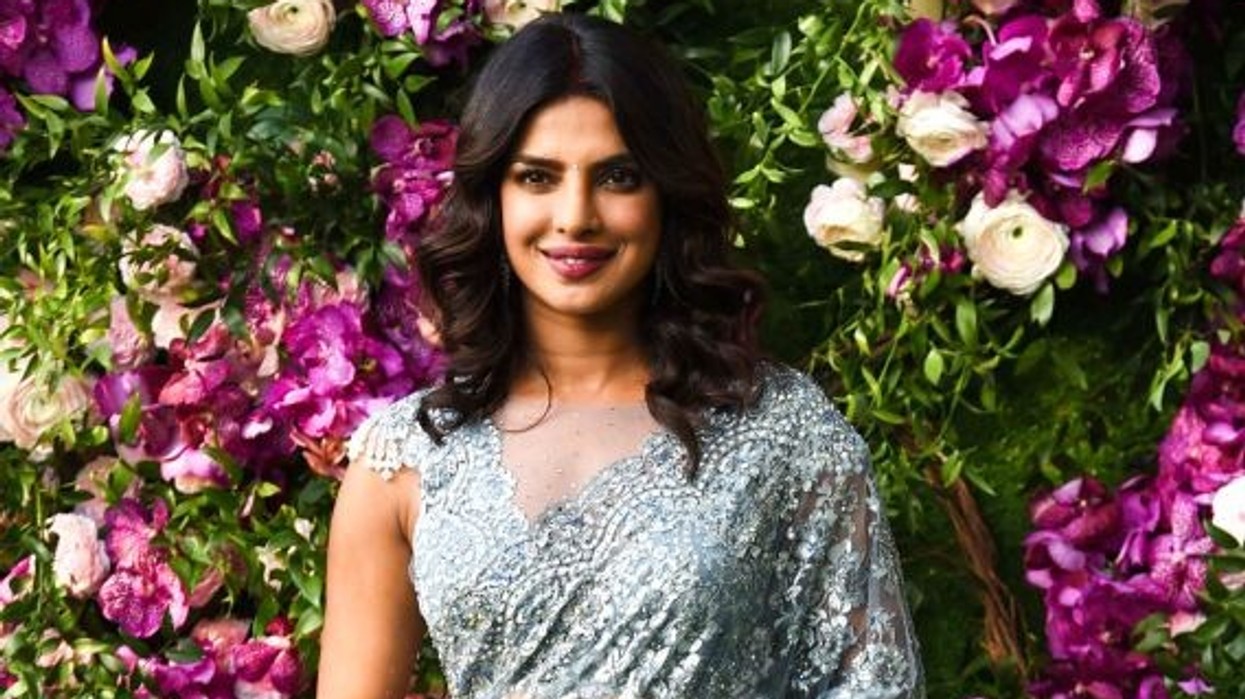







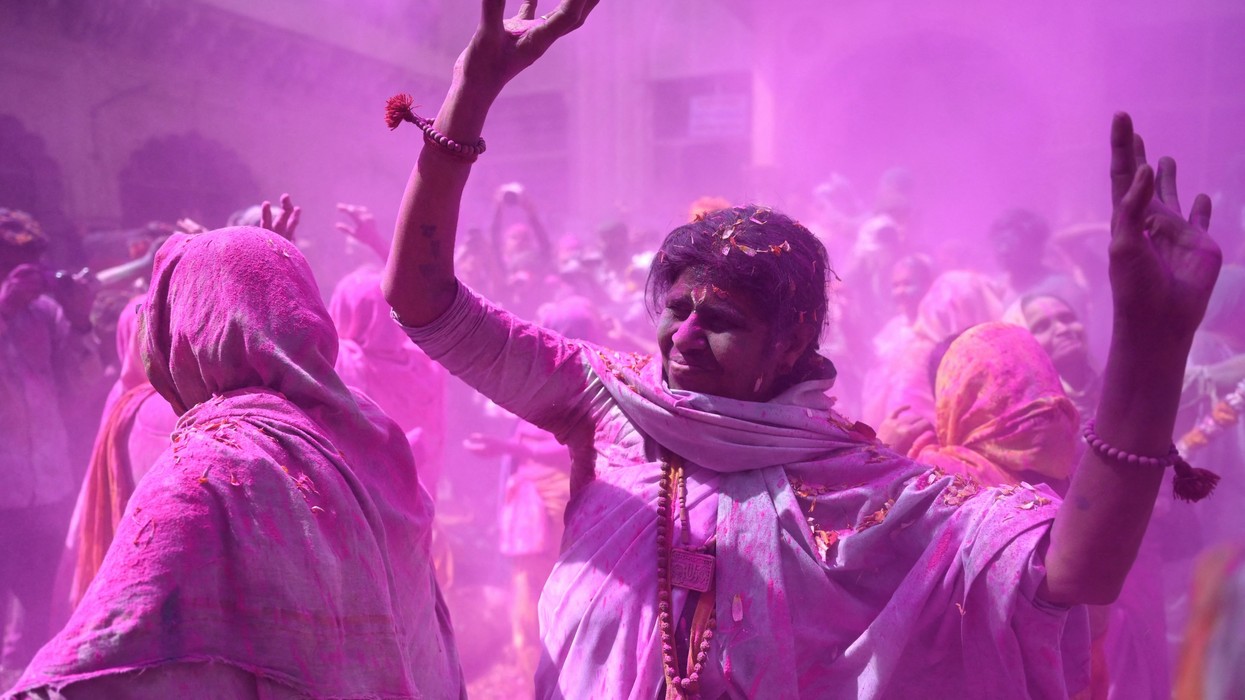
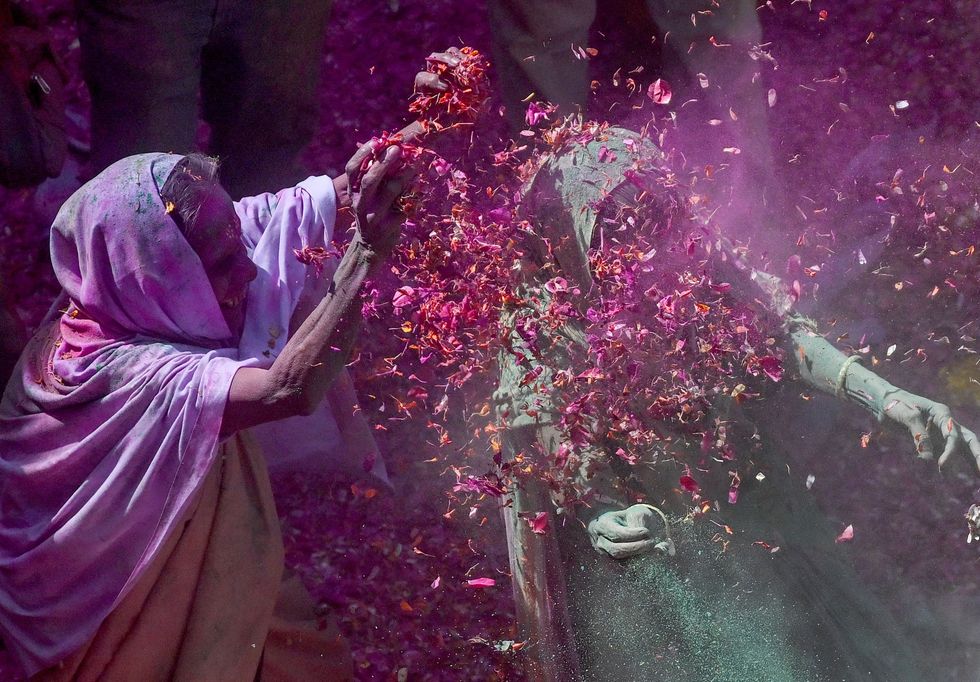 Getty Images
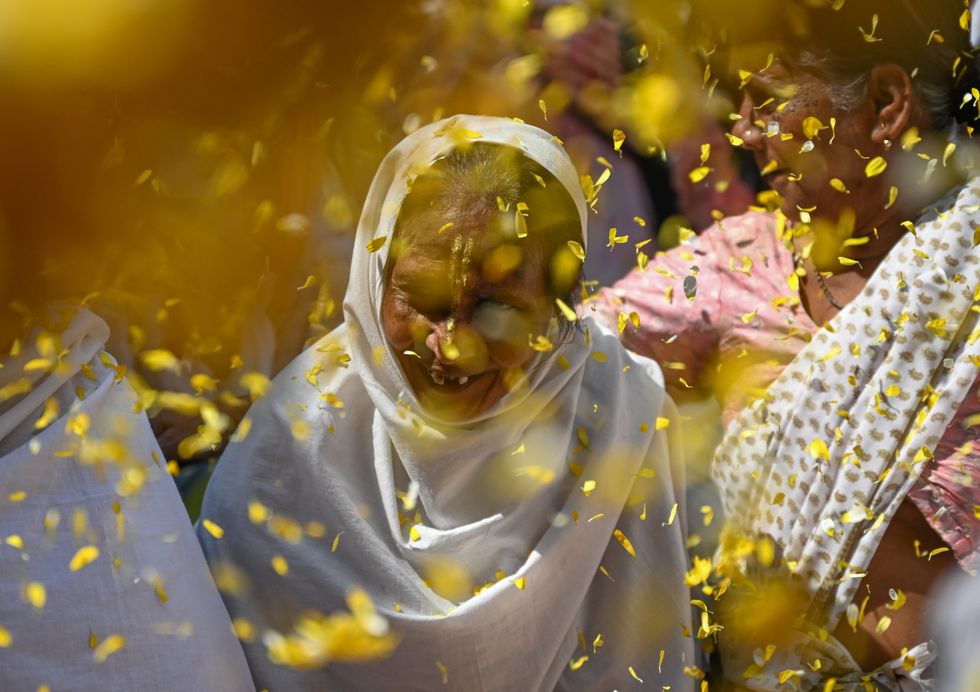 Getty Images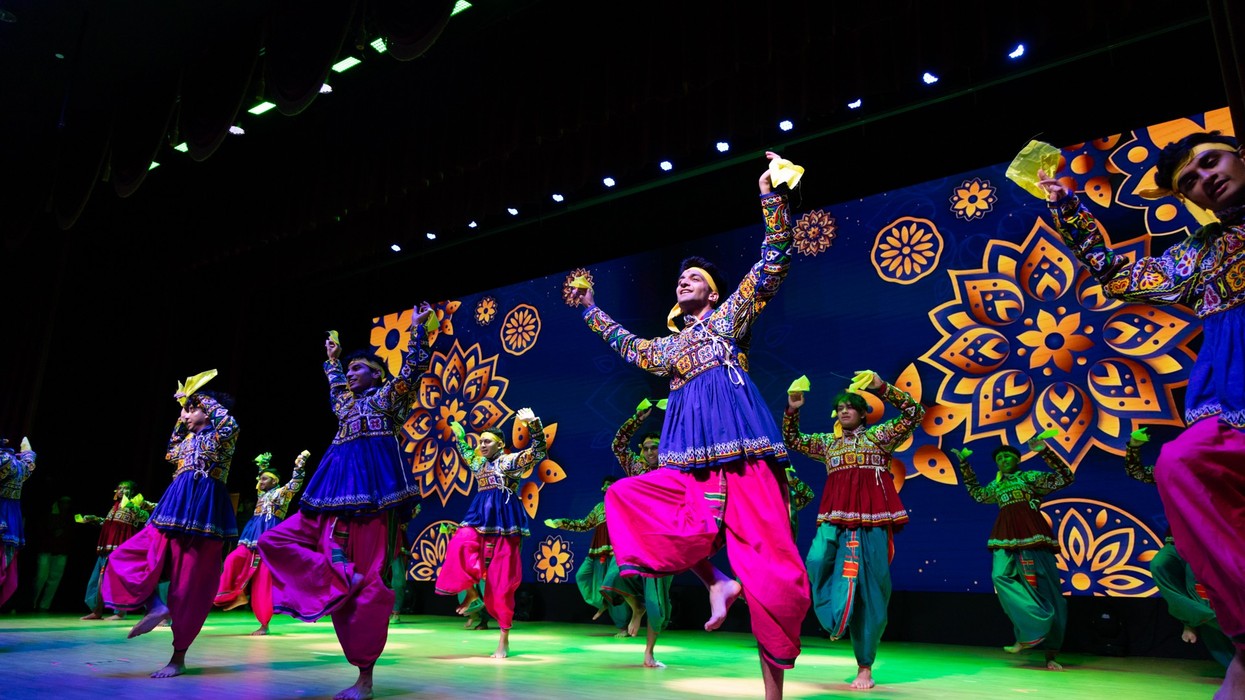
 BAPS, Atlanta
 BAPS, Atlanta