LIVES in South Asia are facing a serious crisis due to the region's toxic air pollution that is not only causing health problems but also forcing shutting down of schools and other outdoor activities and making the government urge people to stay indoors.
In India, the Supreme Court has criticised authorities for not taking apt measures to tackle the problem while a political blame game is underway between political parties in national capital Delhi over the deteriorating condition with each accusing the other one of not taking care of things.
In Lahore, Pakistan’s second most populous city of more than 13 million people, the authorities have shut schools and closed public parks, malls and offices because of poor air quality.
The worsening air pollution is an annual problem for all South Asian countries particularly when winter approaches and cold and heavy air traps pollution in a thick layer of smog.
According to studies, four of the world's most polluted nations and nine of the 10 most polluted cities are located in South Asia, according to a Reuters report.
But why the air pollution level in South Asia is worse than that in many other countries of the world?
Marked rise in industrialisation, economic development and population over the past two decades have seen a growing demand for energy and fossil fuels in the South Asian nations.
While emission from industries and vehicles remains a major reason for air pollution in South Asia as in many other parts of the world, there are also other pollution-causing factors that are unique to the region and they include: solid fuel combustion for cooking and heating, cremation of human bodies and burning of agricultural waste, an issue which is highly debated over the growing pollution in northern India.
This year, about 38 per cent of the pollution in New Delhi this year has been caused by stubble burning -- a practice where stubble left after harvesting rice is burnt to clear fields in the neighbouring states of Punjab and Haryana.
On Monday (13), parts of India recorded dangerously high levels of air pollution after people burst crackers the previous night as part of their Diwali celebrations. Even the top court's ban on firecrackers was flouted at will.
The growing number of vehicles on roads has made the problem worse. In Delhi, the local government has started an odd-even scheme to control traffic (cars with odd registration numbers to go out on specific days of the week and those with even numbers on others). The initiative has produced little result with the top court calling it nothing more than optics.
In India and Pakistan, for instance, the number of vehicles has increased four-fold since the early 2000s.
New Delhi, ranked the world's most polluted capital for four years in a row by Swiss Group IQAir, has 472 vehicles per 1,000 population, according to government data, with almost eight million vehicles plying on its roads as of last year.
Although countries in South Asia have started trying to curb pollution, executing air quality management plans, putting up more pollution monitors, and pushing for a switch to cleaner fuels, the desired results have remained a far cry.
According to experts, the problem lies in a lack of coordination on pollution control efforts between the countries.
Dust particles can travel a long distance, studies say, transcending national boundaries and impacting countries other than those in which they originate.
About 30 per cent of the pollution in the big cities of Bangladesh, for example, originates in India and is transported to the country by the wind moving from northwest to southeast.
Countries across South Asia need to coordinate efforts if the region's pollution problem is to be effectively tackled, collaborating to improve monitoring and making policy decisions.






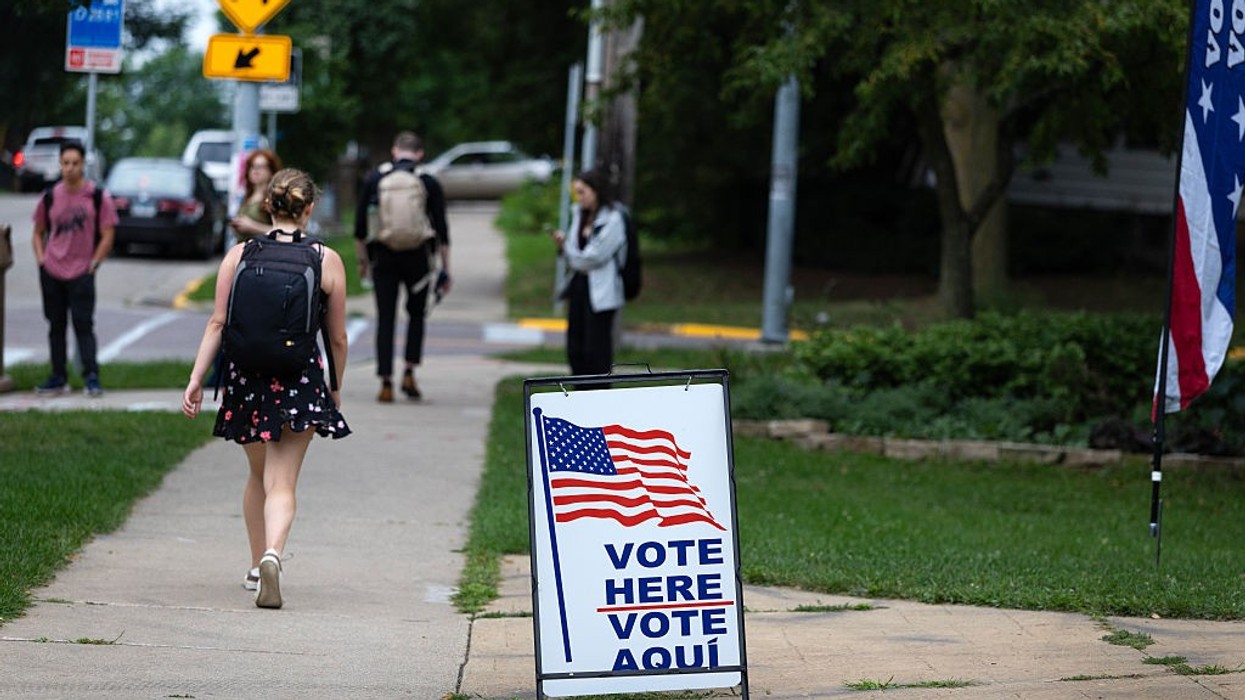
 Democratic Wisconsin gubernatorial candidate David Crowley speaks to supporters at a campaign rally on August 10, 2026 in Milwaukee, Wisconsin. Crowley is polling second behind front-runner Francesca Hong in the Democratic primary, which takes place tomorrow. Getty Images
 Wisconsin Democratic gubernatorial candidate Francesca Hong speaks to supporters during an election-night party on August 11, 2026 in Madison, Wisconsin. Recent polling had Hong with a substantial lead over her nearest Democratic rival David Crowley, but returns have shown a tight race throughout the evening with the two candidates trading slight leads.Getty Images
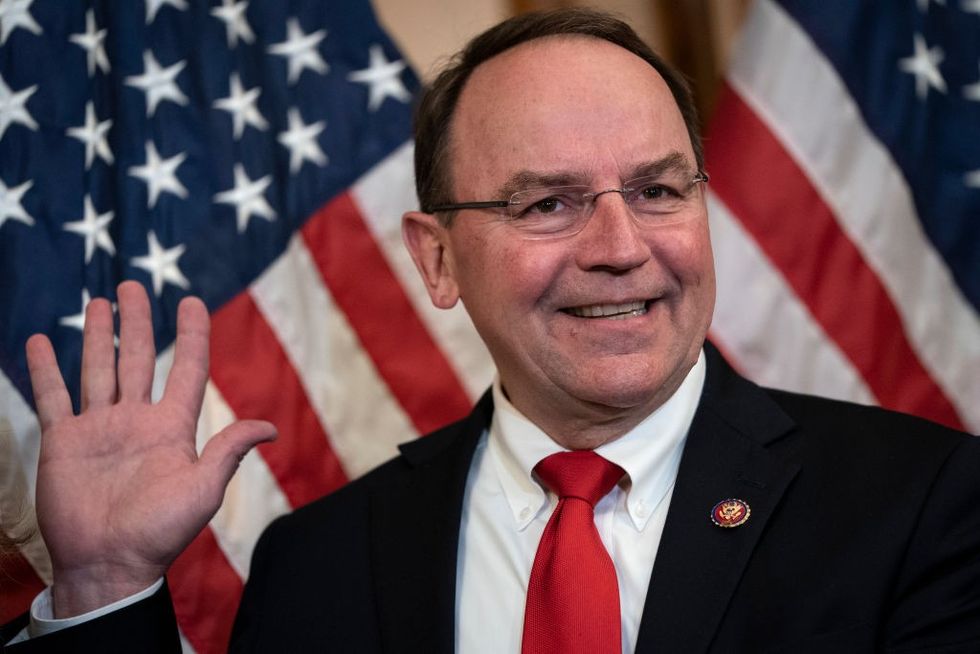 Rep. Tom Tiffany (R-WI) participates in a ceremonial swearing-in at the U.S. Capitol on May 19, 2020 in Washington, DC. Rep. Tom Tiffany (R-WI) and Rep. Mike Garcia (R-CA) were both officially sworn-in as new House members on Tuesday morning.Getty Images