ONE traditional explanation of rival political philosophies is that progressives tend to be more optimistic and conservatives more pessimistic about human nature.
Yet those psychological profiles are sharply reversed when the major parties consider their electoral prospects. The contrast between the Tory Tiggerish tendency and Labour’s Eeyore anxieties was rarely clearer than in how they responded to the mixed messages of a triple by-election week in politics.
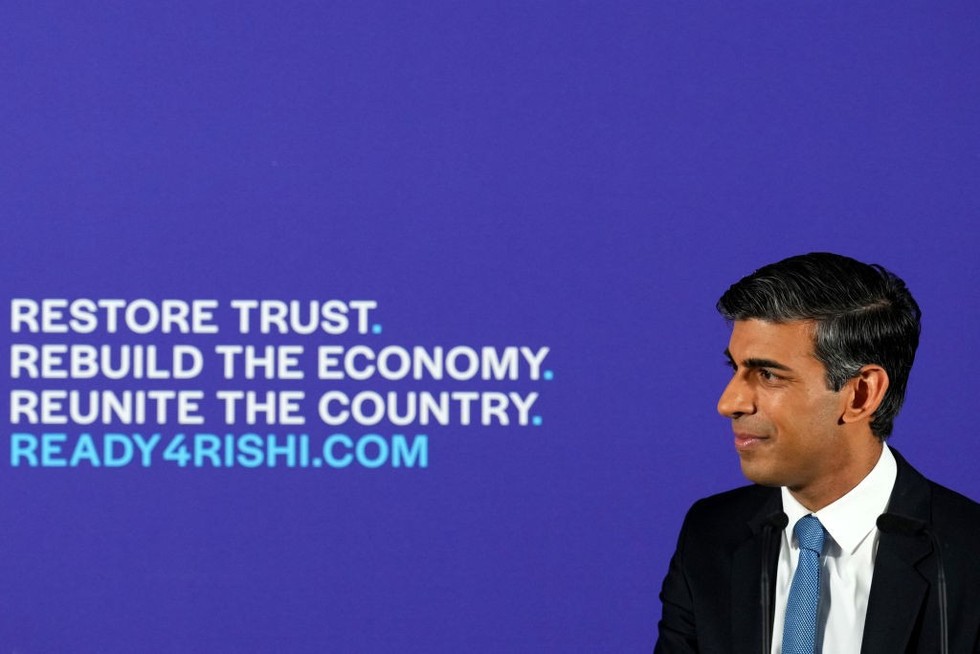
Labour won an historic, record-breaking victory in Selby, Yorkshire. In over a century of electoral competition, it had never overturned a Conservative majority of more than 20,000 in any constituency contest before. The Lib Dems won by a similarly large margin in Somerset, the novelty effect reduced by equally big wins last year. But Rishi Sunak was relieved to avoid a triple defeat as Uxbridge narrowly stayed Conservative. The local Conservative campaign shifted attention from Boris Johnson’s departure to the imminent expansion of the ultra-low emission zone (Ulez) scheme next month, when the most polluting vehicles will face charges of £12.50 a day. This is also the fifth most ethnically diverse Conservative-held seat, suggesting Sunak’s party can compete for the growing middle-class British Asian vote in the suburbs.
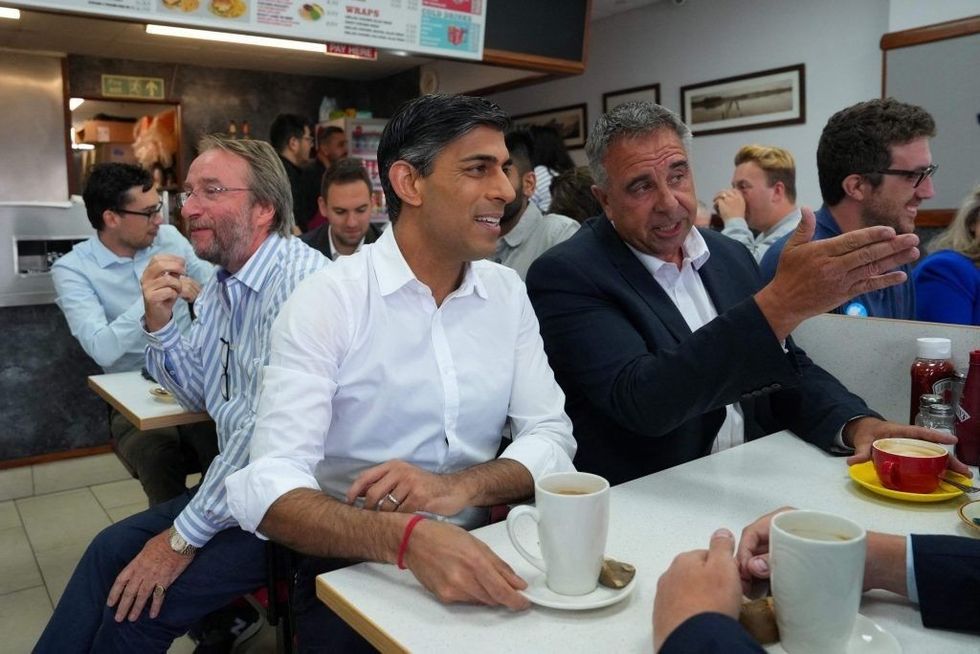 Prime Minister Rishi Sunak with newly elected Conservative MP Steve Tuckwell (R) on July 21, 2023 (Photo by CARL COURT/AFP via Getty Images)
Both Tory Tiggers and Labour Eeyores focused on the message from outer London, though it was clearly the result where local, not national, factors mattered most. So the Uxbridge fallout presents headaches for environmental campaigners, both to persuade politicians not to over-interpret unhappiness in outer London at the costs of Ulez as reflecting views of climate action more generally, and to get the communications and policy right so as to distribute the costs of transition in ways that are felt to be fair.
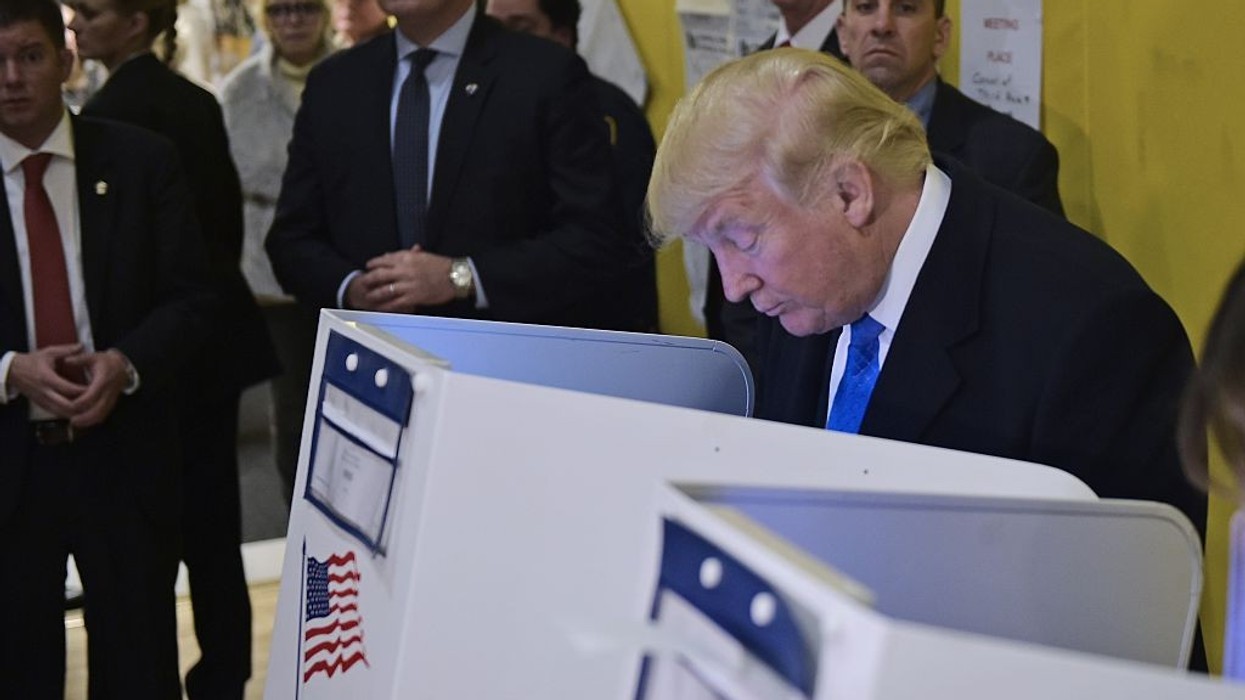
The Uxbridge fallout will influence the May 2024 London Mayoral election more than the question of who governs the UK. Mayor Sadiq Khan found out last week that his main opponent will be Susan Hall, a Conservative London Assembly member, who will run a simple anti-Khan, anti-Ulez and tough on crime campaign. Hall has a lower public profile than any previous Mayoral contender. Her few previous moments of national attention relate mostly to her combative Twitter account. Labour believe that her vocal support for Donald Trump and trenchant views on diversity – such as defending those Millwall fans who booed their players taking the knee, which Hall criticised as a “subservient gesture” – mean that Hall will struggle to persuade Londoners that she can champion the city’s values.
Labour’s readiness to govern was the question addressed by the recent ‘Future of Britain’ conference. Keir Starmer shared a platform for the first time with Tony Blair, Labour’s last election-winning leader, who declared that Starmer was on course for government. Blair warned that, with Britain likely to elect its sixth Prime Minister in eight years, the country was gaining a damaging reputation for political and economic instability, given volatile swings in policy between May and Johnson, Truss and Sunak.
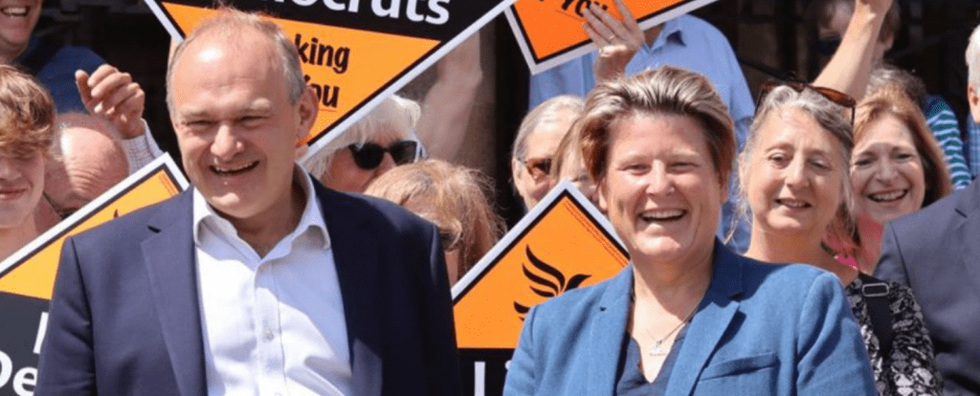 Newly elected Liberal Democrat MP, Sarah Dyke, with party leader, Sir Ed Davey, in Somerset (Pic credit: Twitter/@SarahDykeLD)
The former PM declared himself uncharacteristically pessimistic about Britain’s economic under-performance, partly but not solely due to the trade friction and disruption of Brexit. Blair sees unlocking the future gains of technological change as a new Third Way mission for progressives – proposing this as an alternative to a traditional left ‘big state’ politics of high taxes, or the new distractions of identity politics. It will be hard to evade choices about public finances or to navigate issues of identity mainly by trying to change the subject to the future opportunities of reform. If the Future of Britain conference consistently acknowledged risks as well as gains, its techno-optimistic speakers tended to underestimate the political challenges of securing public consent for an increasing pace of change which, for many, will be unfamiliar and disruptive, as the Uxbridge election underlined.
Starmer mused aloud about the difficulty of providing reassurance while challenging the fatalism that doubts anything can change. “By anyone’s standards, hope is in short supply at the moment,” he said. Yet Starmer’s most prominent message to his party was about tough choices, facing down widespread discontent within Labour about not committing to removing the two-child cap on welfare payments. The policy directly exacerbates both child poverty and ethnic inequalities. It is a major contributor to over half of Pakistani and Bangladeshi children growing up in poverty. The unresolved argument made clear that a Labour Chancellor would face significant pressure to prioritise this in their first budget.
This eventful finale to the summer political season ultimately left both party leaders feeling vindicated in their current political strategy. Sunak’s Downing Street can assert that there is still a path to General Election victory, though you may need to squint to see it. Keir Starmer used both defeat and victory to reinforce his cautious instincts about how to strike the balance between reassurance and change. There may yet be sixteen long months of campaigning before the General Election finally reveals who had grounds for confidence about its outcome.