

HUMAN METAPNEMOVIRUS (HMPV) is a globally recognised respiratory virus that recently gained attention after its outbreak was reported in China.
Two cases of HMPV were recently reported in Karnataka as part of routine surveillance by the Indian Council of Medical Research (ICMR). Here is an explainer on the HMPV:
What is HMPV?
HMPV is a viral pathogen that causes respiratory infections in people of all age groups. First discovered in 2001, it belongs to the Paramyxoviridae family and is closely related to Respiratory Syncytial Virus (RSV). HMPV spreads through respiratory droplets from coughing or sneezing, as well as by touching contaminated surfaces or coming into direct contact with infected individuals.
This virus is known to cause illnesses ranging from mild respiratory discomfort to severe complications, especially in vulnerable populations such as infants, older adults and individuals with weakened immune systems. It is prevalent globally and tends to peak during late winter and early spring in temperate regions, although it circulates year-round in some areas.
Common symptoms
The symptoms of HMPV vary depending on the individual's age, general health and immune response. Mild cases typically present with a runny nose, sore throat, cough and fever, resembling a common cold. Moderate symptoms may include persistent cough, wheezing and fatigue. In severe cases, especially in infants, older adults, and those with chronic illnesses, HMPV can lead to complications such as bronchitis, bronchiolitis or pneumonia.
Severe Acute Respiratory Illness (SARI) requiring hospitalisation may also occur. These severe presentations are particularly concerning for high-risk groups. Transmission and Prevention HMPV spreads in ways similar to other respiratory viruses such as RSV and influenza. Transmission occurs primarily through respiratory droplets from infected individuals or contact with contaminated surfaces. To prevent the spread of HMPV, practising good hand hygiene is essential, including frequent handwashing with soap and water.
Respiratory etiquette, such as covering the mouth and nose while sneezing or coughing and wearing a mask, can also limit the spread. Avoiding close contact with infected individuals and regularly disinfecting frequently touched surfaces are additional preventive measures.
How long does HMPV last?
Mild cases of human HMPV usually last a few days to a week. In severe cases, it will probably take longer to feel better. However, lingering symptoms, like a cough, may take longer to go away.
Diagnosis of HMPV
Diagnosing HMPV based solely on symptoms can be challenging, as it mimics other respiratory infections like RSV and influenza. Reverse Transcription Polymerase Chain Reaction (RT-PCR) is the gold standard diagnostic tool for detecting HMPV RNA, while antigen detection assays offer quicker results.
In India, surveillance programmes like the ICMR and the Integrated Disease Surveillance Programme (IDSP) regularly test for respiratory viruses, including HMPV, as part of their efforts to monitor and control respiratory illnesses.
Treatment of HMPV
Currently, there is no specific antiviral medication or vaccine available for HMPV. Treatment is supportive and depends on the severity of the infection. For mild cases, rest, adequate hydration and over-the-counter medications to manage fever and nasal congestion are sufficient.
In severe cases, particularly those involving pneumonia or bronchiolitis, oxygen therapy and hospitalisation may be required. Patients experiencing significant respiratory distress may need mechanical ventilation. While research is going on to develop targeted therapies and vaccines, preventive measures and early medical intervention remain key to managing HMPV infections.
Global and National Monitoring
HMPV is not a new pathogen and its cases have been reported worldwide. In India, surveillance systems like ICMR and IDSP monitor trends in respiratory illnesses, including HMPV, alongside other pathogens such as influenza and RSV.
The government has emphasized the robustness of its health infrastructure and surveillance networks, which remain vigilant to detect and respond to emerging threats.
Similarities and differences with COVID-19
HMPV and COVID-19, caused by the SARS-CoV-2 virus, are both respiratory pathogens but they differ significantly in their virology, transmission dynamics and public health impact.
Similarities include their modes of transmission — both spread through respiratory droplets, direct contact and contaminated surfaces. Both can cause mild to severe respiratory symptoms such as cough, fever and shortness of breath, and they are particularly dangerous for vulnerable populations, including infants, older adults and those with weakened immune systems.
Differences lie in their underlying viruses - COVID-19 has a broader spectrum of symptoms, including loss of taste and smell and a higher potential for systemic complications like blood clotting and multi-organ failure.
Vaccines and antiviral treatments are available for COVID-19 whereas HMPV management is limited to supportive care with no specific antiviral or vaccine currently available. (PTI)












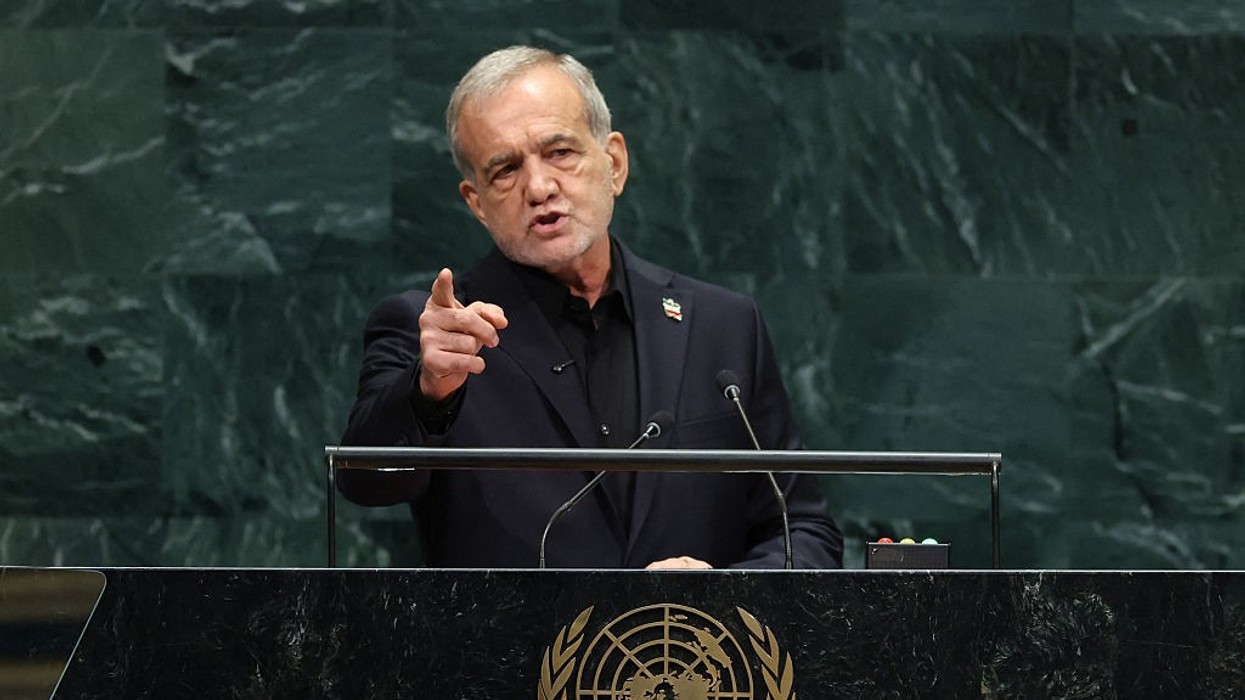
 President of Iran Masoud Pezeshkian holds up a poster of a girl's school that was attacked while addressing the 81st session of the United Nations (U.N.) General Assembly at U.N. Headquarters on September 23, 2026 in New York City. World leaders have gathered in New York for the annual session of the United Nations General Assembly, with this year's global issues ranging from the threat of artificial intelligence to the continued wars in Ukraine and Gaza. Getty Images