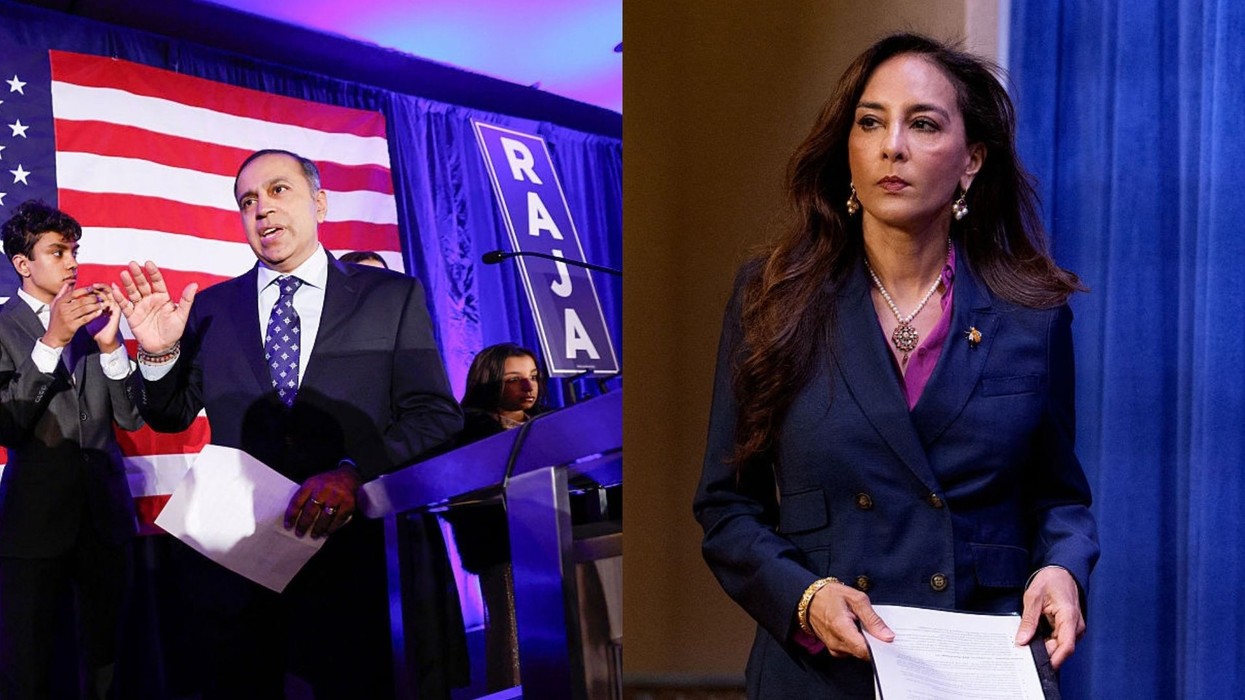
POWERLESS. That is how many people feel seeing tragedy unfold in Israel and in Palestine.
Our sense of impotence is nothing compared to the powerlessness of those slaughtered in the Hamas massacre of civilians in Israel, or now the powerlessness of so many people in Gaza in the face of the Israeli military response. Civilians there are deciding whether or not to flee their homes after a 24-hour ultimatum.
October 7, 2023 was a day of infamy. The murder of families, of children and babies in Kibbutzes, was a modern pogrom of unspeakable evil. Even in mourning, many British Jews felt somewhat isolated. Strong messages of support from political leaders were often accompanied by an ambivalent silence from corporations, universities and civic society. Was it so difficult to say that, though the Middle East conflict is complicated, the mass slaughter of civilians is not?
Allies of Palestine felt imbalances too. Both prime minister Rishi Sunak and Labour leader Sir Keir Starmer were rightly quick to condemn Hamas and acknowledge Israel’s right to respond. They were slower to add necessary caveats about protecting civilians and international law. The Archbishop of Canterbury did “plead that the sins of Hamas are not borne by the citizens of Gaza … the price of evil cannot be paid by the innocent”.
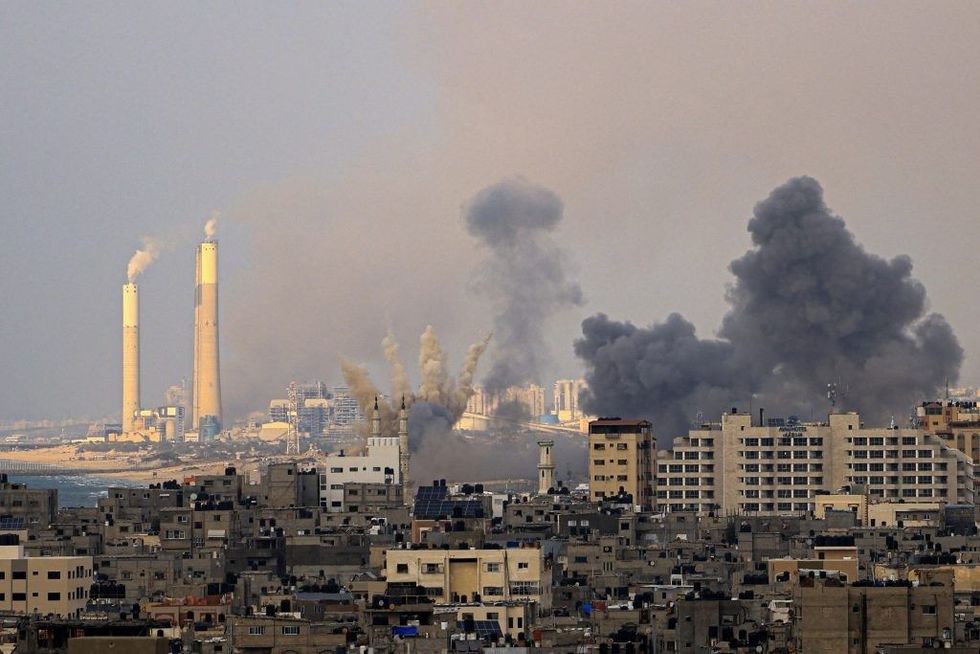 The Kibbutz massacre was a modern pogrom of unspeakable evil, says Katwala (Photo by MAHMUD HAMS/AFP via Getty Images)
Family links, faith and politics do place Israel and Palestine close to the hearts of many of our fellow citizens. Yet, one message received was that Israeli lives – Jewish lives – seemed to count for less than French ones after a terrorist massacre. Another was that Palestinian lives – Muslim lives – seemed to count for less than Israeli ones. Dialogue may also become an exchange of disappointments about what was not said or heard clearly enough. Meaningful contact is the best antidote to prejudice that we have, yet its power depends on parity of status, exactly what may be in question in heightened times of conflict.
Those with long track records of working to bring communities together recognise the emotional challenge. Rabbi David Mason of HIAS and the Jewish Council for Racial Equality told me that his deep shock at the attack in southern Israel was combined with an uneven response, as he experienced warmth from inter-faith allies, but awkward silences from others. “Both sides are heartbroken and grieving”, Imam Qari Asim of the Leeds Makkah Mosque told me. The depth of emotion increased the obligation, both said, for people of goodwill to actively resist efforts to import violence, conflict or hateful rhetoric into British communities.
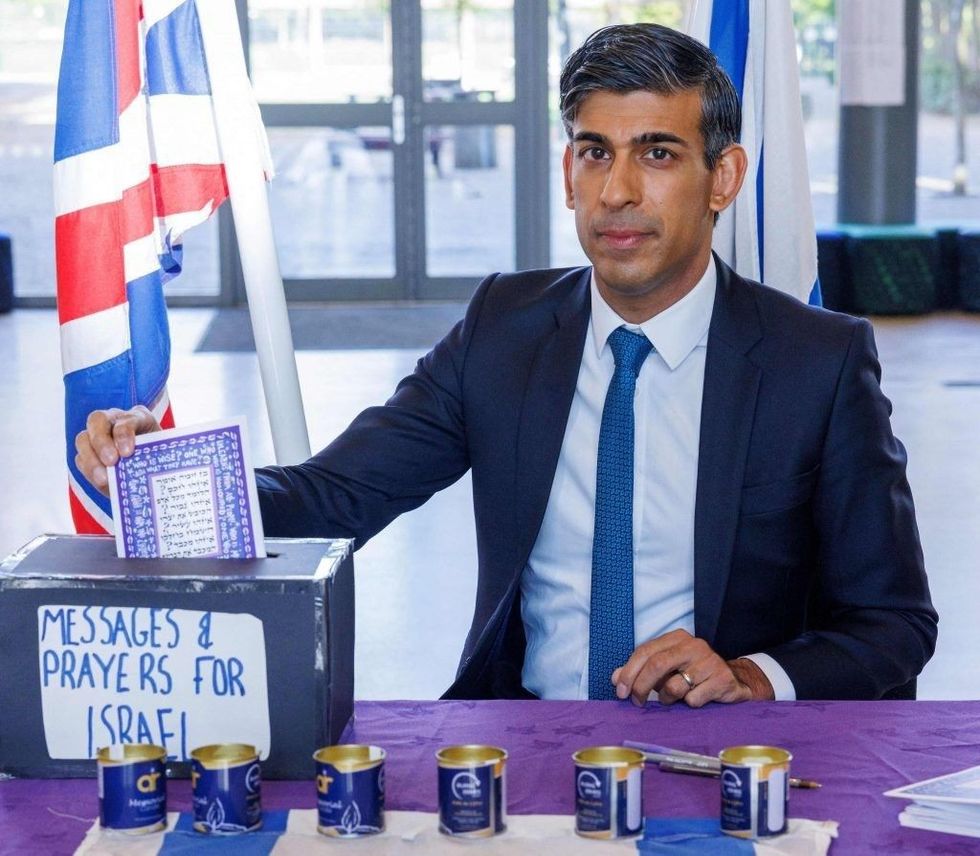 Rishi Sunak writes a message for Israel during a visit to a school in north London, on October 16, 2023. (Photo by JONATHAN BUCKMASTER/POOL/AFP via Getty Images)
Yet, we might take care, too, to recognise good community relations as a shared responsibility across British society, rather than a responsibility of two minority faith groups alone. Recognising where local politics, schools and universities can help to protect foundational norms might help us to avoid placing unrealistic expectations on how far inter-faith dialogue might span generational divides or resolve political arguments.
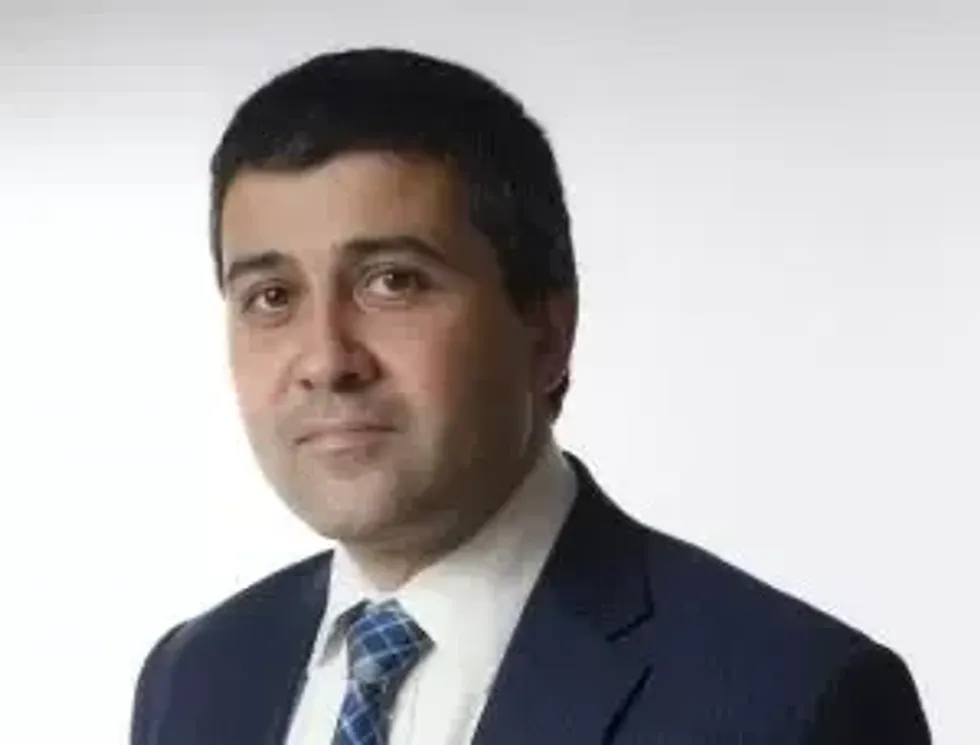 Sunder Katwala
Most people in Britain still prefer not to choose one ‘side’ over the other on Israel and Palestine – whether from mutual empathy or sometimes simply exhaustion and confusion. At the heart of the Middle East conflict itself is a story of “two wronged peoples”, as Observer editor David Astor once wrote in a famous editorial on the eve of the 1967 war. The case for a Jewish homeland, after the holocaust, was compelling. Displacing the Palestinians in creating it saw the international community resolve one historic injustice by deepening another. The contours of a peaceful resolution – with security for Israel and recognition for Palestine – were once widely endorsed before giving way to a blame game over who lost that peace.
The Netanyahu era has significantly dented the reputation of Israel abroad – in America as well as Britain, especially across generations. For most of this decade, around one tenth of the British public have sympathised with Israel more than Palestine. Around a quarter of people sympathised primarily with Palestine, while a similar proportion felt for both sides equally. The Hamas massacre changed that. YouGov found this doubled British public sympathy for Israel to one in five, while reducing support for Palestine to around a sixth of the public. Those patterns may shift again – but what really matters is how most of those who choose a ‘side’ do still find empathy for the other. Netanyahu’s rejection of a Palestinian state appeals to just one in ten British friends of Israel. That friends of Palestine support a two-state solution by an eight-to-one margin is one more reason to ditch the chanting for the destruction of Israel that toxifies that cause.
Social media is awash with efforts to ‘call out’ the most polarising voices. Challenging hatred and prejudice does matter. It is time to put as much of our effort into ‘calling in’ the conversations we need. Doing that can protect our shared society in Britain from the impact of conflict abroad – and help us to live together well.



 Amazon
 Amazon
  Amazon
 Amazon
  Amazon
 Amazon
  Amazon
  Amazon
 Amazon
  Amazon




 Amazon
 Amazon
 Amazon
 Amazon
 Amazon
 Amazon
 Amazon
 Amazon
 Amazon
 Amazon