
Highlights:
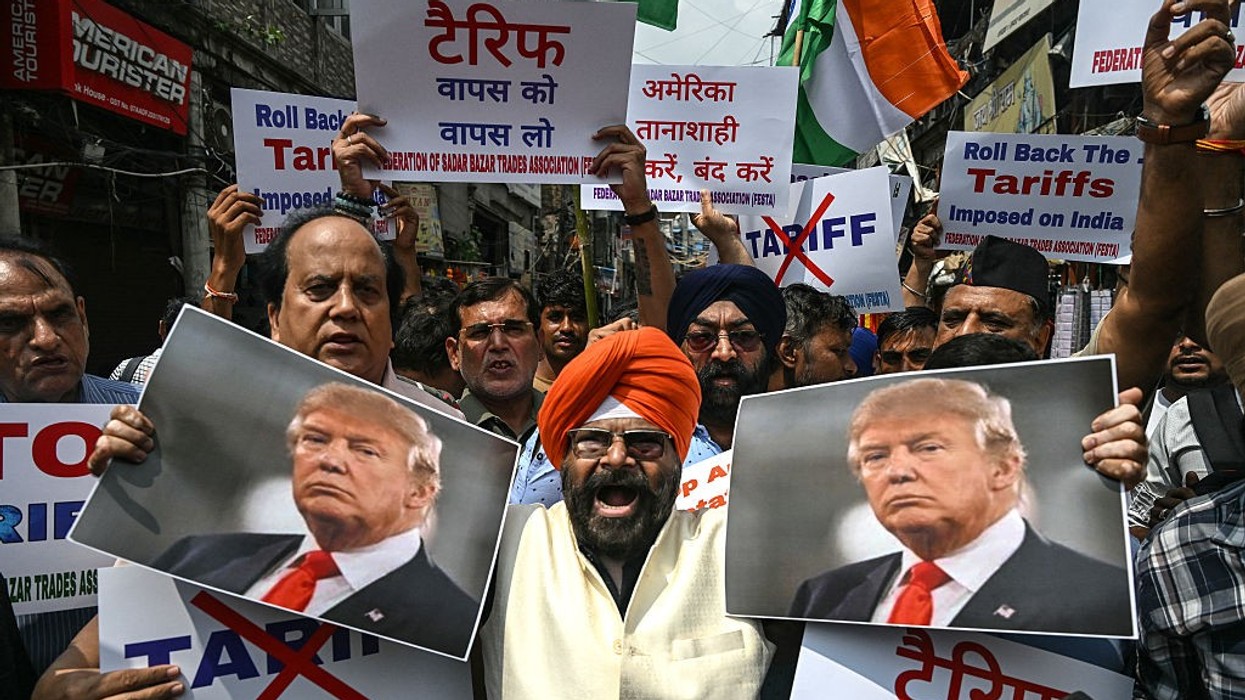
- The US midterm election results are unlikely to accelerate the proposed India-US interim trade agreement.
- India is awaiting findings from Washington's investigation into excess industrial capacity before finalizing tariff commitments.
- New Delhi wants protection against potential US duties linked to India's purchases of Russian oil and gas.
- The Trump administration can continue pursuing tariffs under Sections 301 and 232 despite greater congressional scrutiny.
- Technical negotiations on customs and trade facilitation continue, but the central tariff issue remains unresolved.
India's proposed interim trade agreement with the United States is unlikely to move forward quickly despite the recent US midterm election results, as uncertainty over tariffs continues to complicate negotiations. Although the Democratic Party's victories in both chambers of Congress could increase scrutiny of President Donald Trump's trade policies, his administration retains the authority to impose duties through other legal provisions.
New Delhi is seeking greater clarity on Washington's ongoing investigation into excess industrial capacity before finalizing its tariff commitments. India is also looking for safeguards against potential punitive duties linked to US sanctions on countries buying Russian oil and natural gas.
According to sources quoted by The Hindu BusinessLine, India wants to understand how the findings of the US investigation under Section 301 could affect its exports and those of competing countries, particularly Bangladesh, Vietnam and Cambodia.
New Delhi is concerned that Indian exporters could end up facing higher tariffs than their regional competitors in the US market. The government wants to ensure that the proposed agreement provides competitive treatment for Indian goods before settling on the final terms.
The Democratic Party's victories in the November 3 midterm elections could give lawmakers greater scope to question the administration's trade decisions. However, the results are unlikely to immediately restrict Trump's ability to impose tariffs through executive action.
Sources said the administration could continue using alternative legal provisions, including Sections 301 and 232, to pursue its trade agenda. This means India cannot assume that the election results will automatically reduce tariff-related risks.
India seeks protection from possible Russia-related tariffs
Another major concern for New Delhi is the possibility of additional US duties under legislation targeting countries that purchase Russian oil and natural gas.
The Lindsey Graham Sanctioning Russia and Iran Act authorizes the US president, subject to specified conditions, to impose tariffs of up to 100% on imports from the five largest buyers of Russian crude oil and natural gas.
Although the Trump administration issued a 60-day waiver in October on the application of duties under the legislation, India remains concerned that the tariffs could be imposed in the future.
Sources said New Delhi wants the proposed trade agreement to include safeguards allowing India to impose counter-tariffs if Washington uses the legislation to levy additional duties on Indian exports.
US tariff changes have complicated negotiations
The proposed interim agreement had initially been expected to offer Indian exporters a reciprocal tariff rate of 18% under the framework announced by the two countries in February.
However, the US Supreme Court's February 20 ruling invalidating reciprocal tariffs imposed under the International Emergency Economic Powers Act (IEEPA) changed the tariff landscape and required further discussions between Washington and New Delhi.
The US has since pursued alternative tariff measures. These include a Section 301 investigation into alleged forced-labor-related trade practices, under which a 10% tariff has been imposed on Indian imports.
A separate investigation into structural excess capacity and manufacturing production was initiated in March. It covers India and 15 other economies, including China, Vietnam, Bangladesh, Cambodia, Indonesia and the European Union.
India is awaiting the findings of this investigation before finalizing its position on tariff commitments. The outcome could influence how Indian exports are treated compared with products from competing manufacturing economies.
Technical discussions continue, but tariffs remain unresolved
Despite the uncertainty, negotiations on the proposed India-US interim trade agreement are continuing. Discussions are taking place on technical issues, including customs procedures and trade facilitation.
A two-member US team visited New Delhi on November 2 and 3 to advance these discussions. However, the central question of tariff treatment remains unresolved.
With India seeking competitive access to the US market and protection against future unilateral duties, the final terms of the agreement remain uncertain. The midterm election results may increase political scrutiny of Trump's trade policies, but they have not removed the executive powers that continue to shape Washington's tariff decisions.