BACKING the idea of uniform civil code, the Delhi High Court on Wednesday (7) said the Indian youth need not be compelled to struggle with issues coming out of conflicts in various personal laws related to marriage and divorce.
Justice Pratibha M Singh said the modern Indian society was “gradually becoming homogenous, the traditional barriers of religion, community and caste are slowly dissipating” and thus Uniform Civil Code “ought not to remain a mere hope”.
She observed, “The youth of India belonging to various communities, tribes, castes or religions who solemnise their marriages ought not to be forced to struggle with issues arising due to conflicts in various personal laws, especially in relation to marriage and divorce.”
While referring to several decisions of the Supreme Court of India on the need for a uniform civil code, including the Shah Bano case of 1985 that had rocked Indian politics, the high court said the hope expressed in Article 44 of the Constitution that the State shall secure for its citizens Uniform Civil Code ought not to remain a mere hope”.
Article 44 of the Indian Constitution says, “The State shall endeavour to secure for the citizens a uniform civil code throughout the territory of India.”
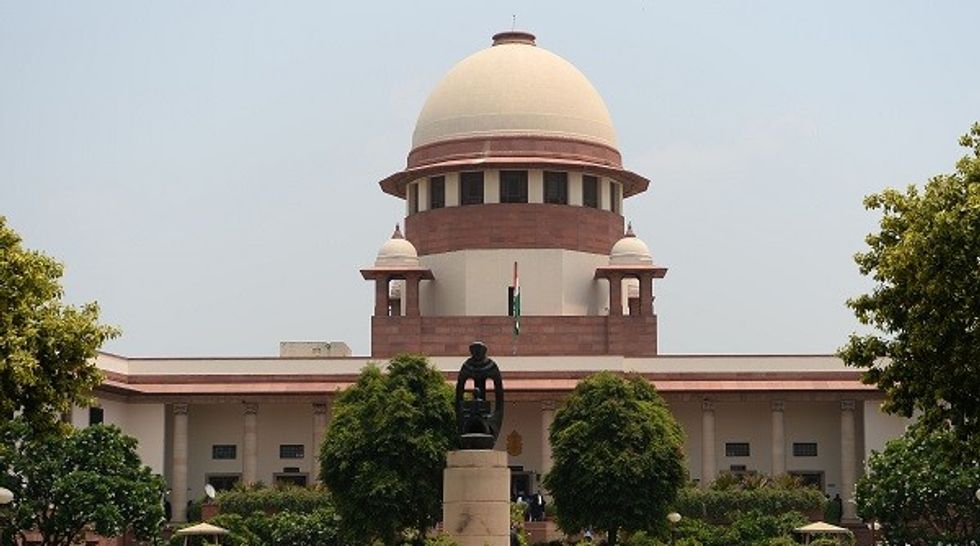 The Supreme Court of India (Photo: SAJJAD HUSSAIN/AFP/Getty Images).
In the Shah Bano case, the Supreme Court had said that a common civil code would help the cause of national integrity by removing disparate loyalties to laws having conflicting ideologies. It had also said that the State was charged with the duty of securing a uniform civil code for the country’s citizens.
The high court said the need for uniform civil code was reiterated from time to time by the apex court but “it is unclear as to what steps have been taken in this regard till date”.
The court asks government to take necessary action
The court also directed a copy of the order to be communicated to the secretary, Indian ministry of law and justice, for necessary action.
The high court was dealing as to whether the marriage between the parties who belonged to the Meena community were excluded from the scope of the Hindu Marriage Act, 1955.
When the husband sought divorce, the wife contended that the Hindu Marriage Act did not apply to them as the Meena community was a notified Scheduled Tribe in Rajasthan.
The court rejected the wife’s stand and said the case like this “highlight the need for such a Code – ‘common to all’, which would enable uniform principles being applied in respect of aspects such as marriage, divorce, succession etc.”
It recorded that since the beginning of the litigation, both parties pleaded that their marriage was solemnised according to Hindu rites and ceremonies and they follow Hindu customs.
The court said that although there was no definition of Hindu, the apex court had held that if members of Tribes are Hinduised, the Hindu Marriage Act would be applicable to them.







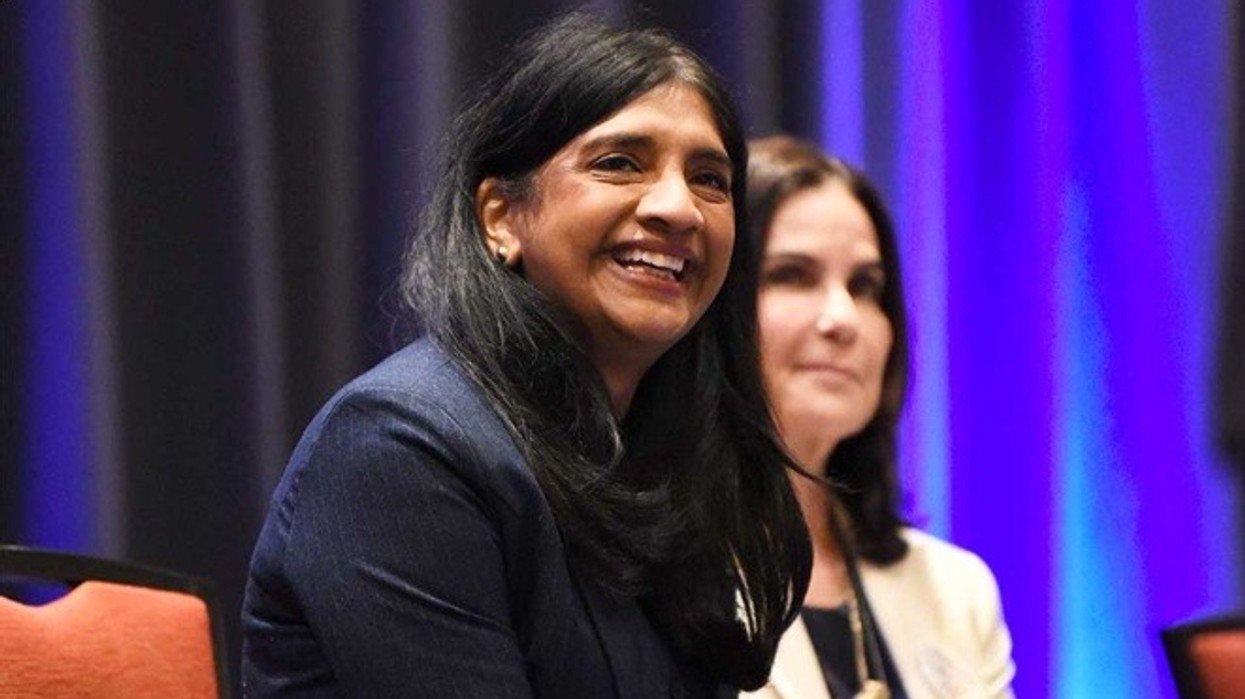
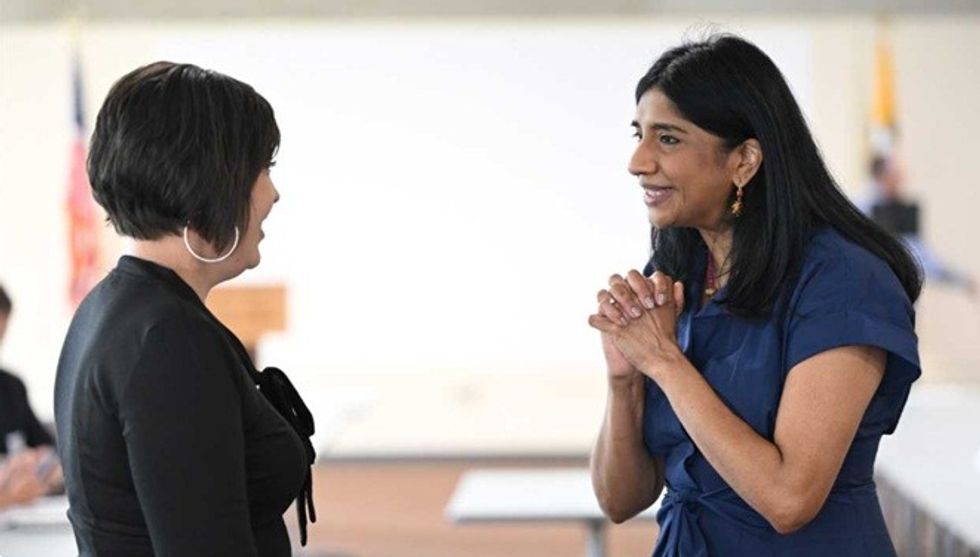 Her journey reflects the transformation of the Indian American and broader south Asian community in the US.LG Miller
 Lt Gov Miller represented District 15 through January 2019 and later served on the Maryland State Ethics Commission from 2019 to 2021. Lt Gov Aruna Miller
 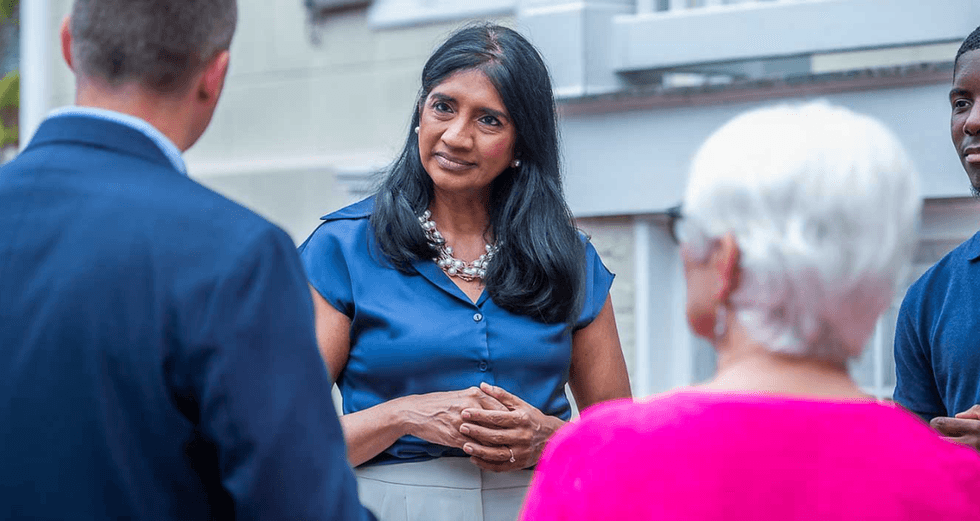 Miller is now seeking a second term alongside Gov. Wes Moore.LG Miller