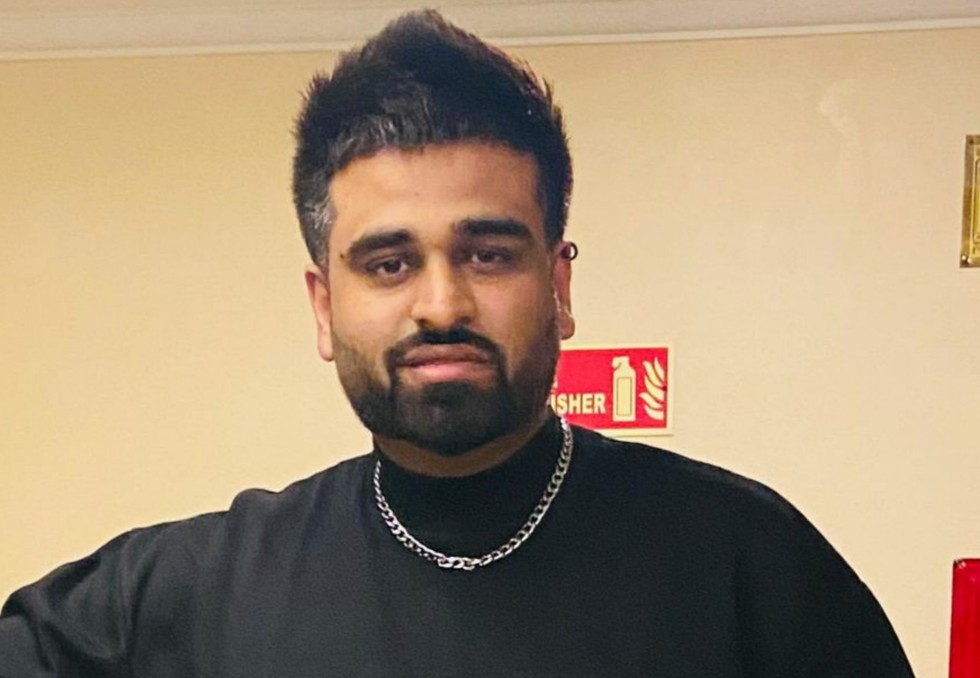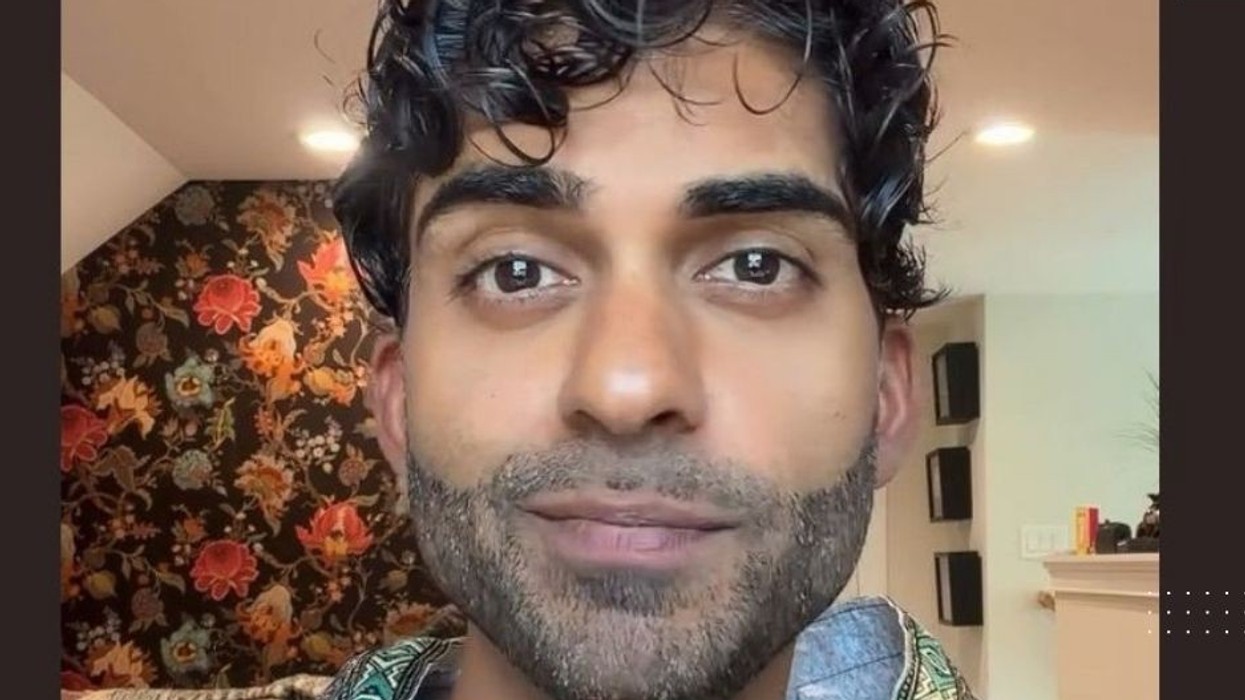

- Parag Patel became the first person to win both the Queen's Prize and King's Prize.
- He won the title at the National Rifle Association's Imperial Meeting in Surrey.
- Patel defeated more than 750 competitors in Target Rifle shooting.
- Shooters compete using iron sights at targets up to 1,000 yards away.
- The annual competition has been held for more than 150 years.
Parag Patel kept his focus on the target and ignored everything else around him. As he lined up his final shot, checked the wind, and squeezed the trigger, he had no idea he had just made history. Moments later, the London ear, nose, and throat surgeon was declared the winner of the King's Prize, one of the oldest and most respected shooting championships in the world.
The victory came at the National Rifle Association's annual Imperial Meeting, held at Bisley Camp in Surrey, England. Patel previously won the Queen's Prize in 2017. His latest victory makes him the first competitor to claim both titles under different British monarchs.
Historic victory at Britain's Premier shooting event
The King's Prize has been awarded for 157 years to the top shooter in the Imperial Meeting's flagship Target Rifle competition. The event attracts hundreds of elite marksmen from around the world every year.
After his victory, Patel described the moment that led to the winning shot.
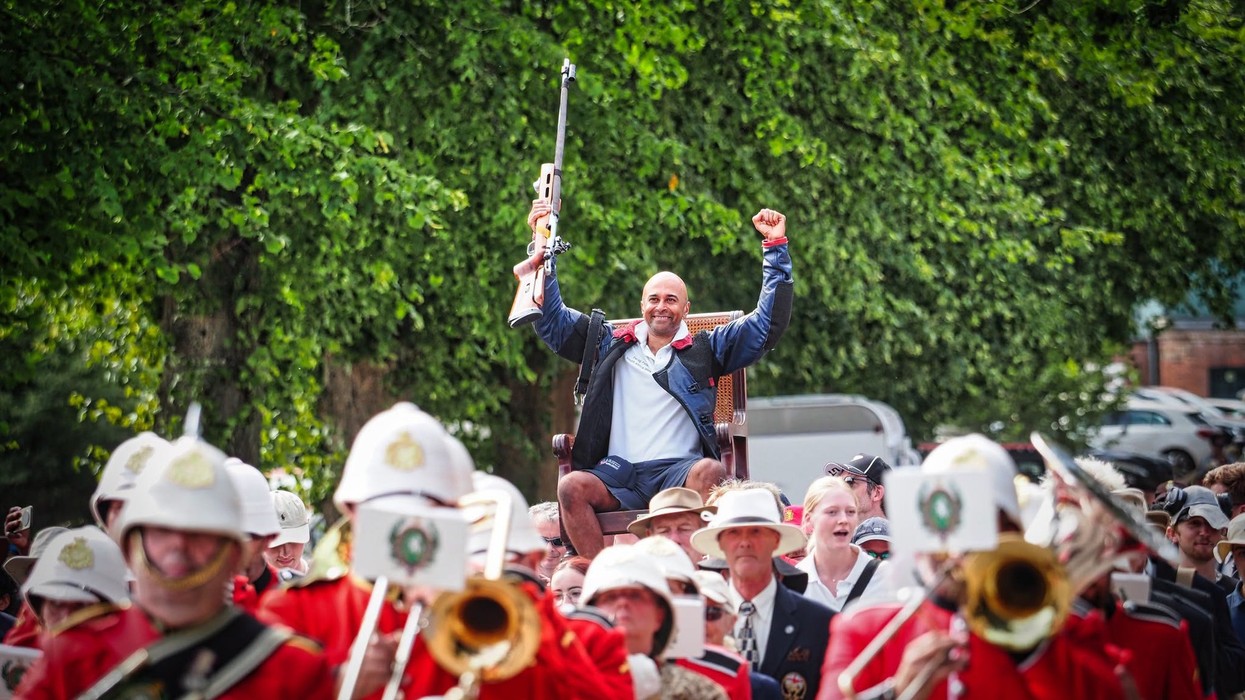
"I just thought to myself, I've just got to make a decision and fire a shot. I couldn't wait. I didn't want to wait," Patel said as he celebrated with cheering crowds and a marching band.
As part of a long-standing tradition, Patel was carried into the National Rifle Association headquarters on a ceremonial sedan chair while a band played "See, the Conqu'ring Hero Comes!"
 Facebook/NRA of the UK
A sport that demands extreme precision
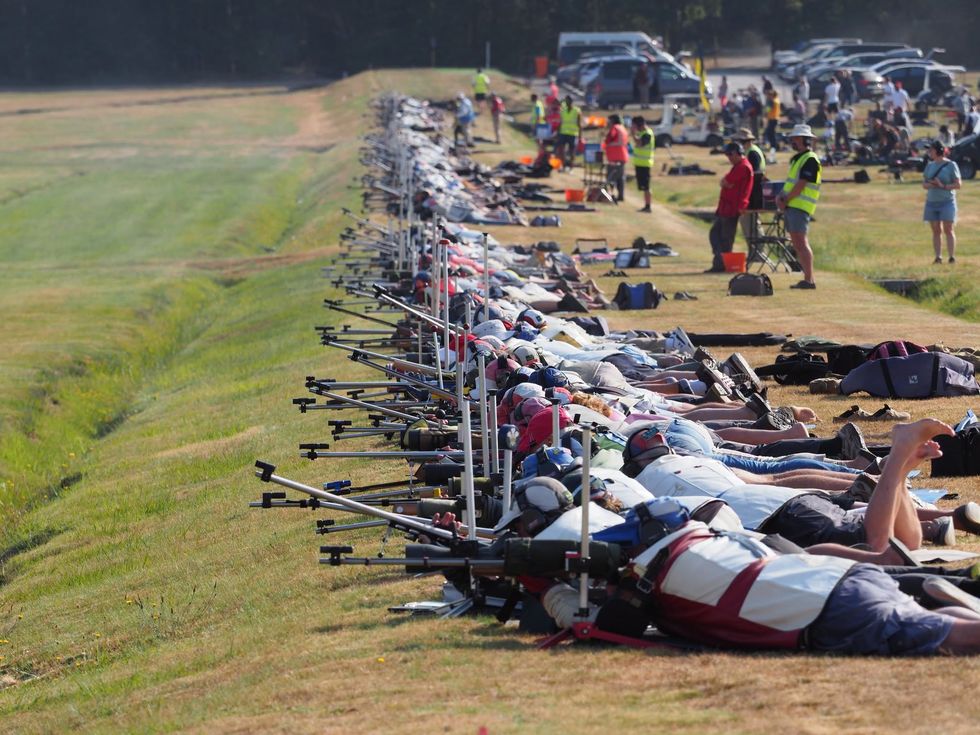
Target Rifle shooting is one of the most demanding precision sports. Competitors fire single-shot rifles at circular targets placed between 300 and 1,000 yards away while lying flat on the ground. Unlike many modern shooting events, competitors are only allowed to use iron sights. Telescopic scopes are not permitted.
Wind is often the biggest challenge. At 1,000 yards, a steady 10-mile-per-hour breeze can push a 7.62 mm bullet about eight feet off course. Shooters must carefully study wind flags and weather conditions before adjusting their sights to keep every shot on target.
Sixteen-year-old competitor Valentina Churchouse explained the challenge after one of her shots.
"I shot a V-bull [dead centre of the bullseye], made a 3½-minute wind change, and got another V in the same spot," she said.
The competition places everyone on equal footing. Teenagers compete directly against experienced veterans, regardless of age or gender.
A tradition that continues to grow
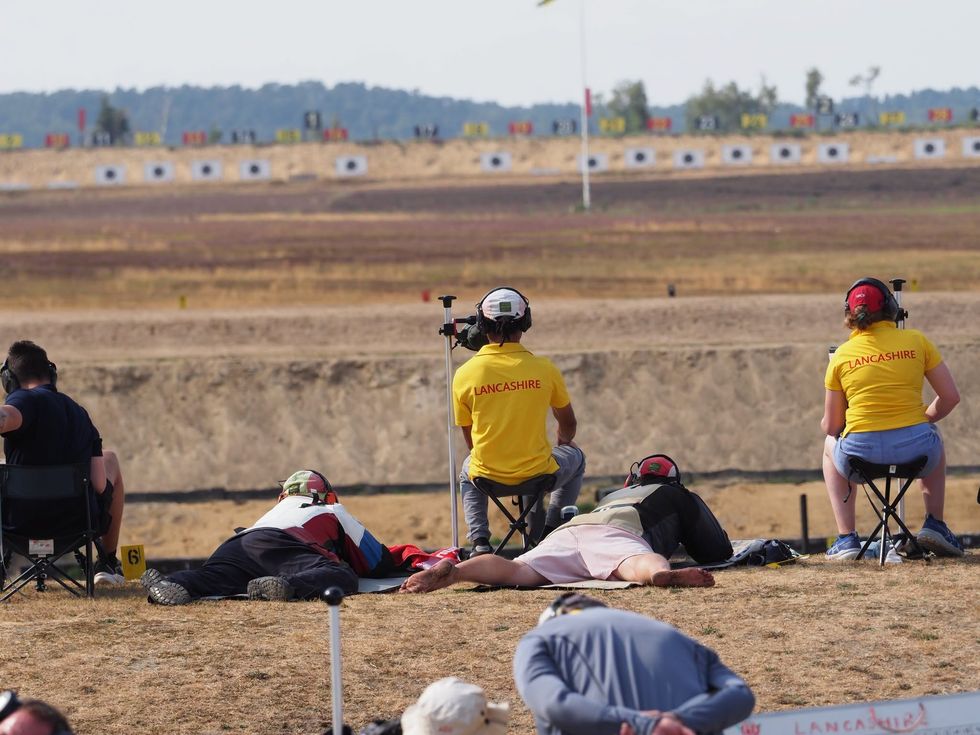 Facebook/NRA of the UK
The Imperial Meeting is a six-week shooting festival featuring eight different shooting disciplines and around 2,000 competitors. According to Peter Cottrell, the National Rifle Association's head of shooting and training, "Well over a million shots are fired" during the event.
International teams from the United States, Canada, Australia, Germany, Kenya, and several other countries also participate each year.
Sam Frost, the NRA's youth development manager, described the international competition.
"We have Kenya, Germany, the USA, Australia. We also then have Guernsey, Jersey. Did I say Canada? Maybe. And then Scotland, England, Ireland, and Wales, and they're all shooting with a 12-man team, plus coaches, captains, adjutants, plotters. It's really a large affair," she said.
Simon Lee, the NRA's secretary-general, said the organization is focused on preserving its long history while embracing change.
"The challenge is to keep that charm and tradition and culture, but also take it forward and modernise and improve. There are challenges that need to be addressed here, but people like the old-fashioned nature of Bisley."
With his historic victory, Patel has secured a unique place in British sporting history, adding another remarkable chapter to one of the world's oldest precision shooting competitions.