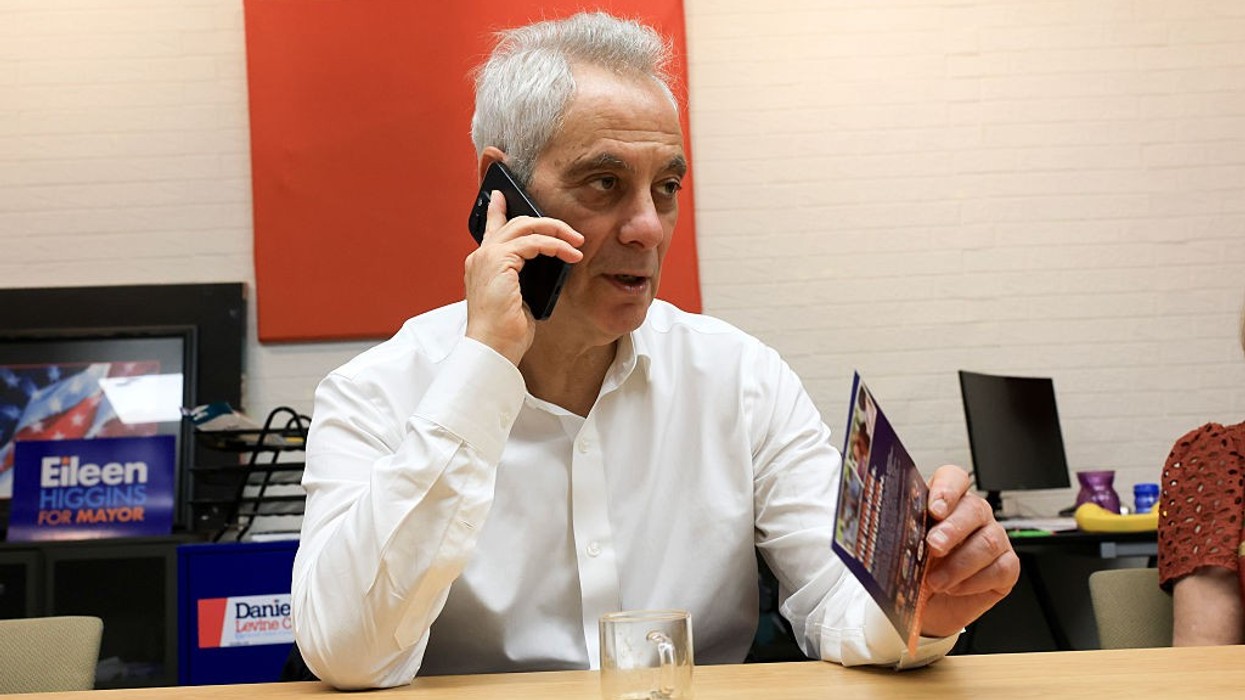

Highlights:
- Emanuel said the US has 'totally rejected' India and chosen Pakistan as its main partner in South Asia.
- He called the shift a “major strategic blunder” that benefits China’s influence.
- He claimed Trump “threw away 40 years” of bipartisan diplomatic progress with India.
- Emanuel linked the shift partly to Trump’s frustration over not receiving credit for a ceasefire.
- He also raised concerns about alleged financial ties between Trump’s family and Pakistan.
Rahm Emanuel, former US ambassador to Japan and ex-mayor of Chicago, has strongly criticized the Trump administration’s foreign policy approach in South Asia, claiming it has effectively sidelined India in favor of Pakistan. Speaking at an event hosted by The Wall Street Journal, Emanuel warned that this shift could disrupt the long-standing strategic balance in the region.
Emanuel argued that the United States has invested decades in building a close relationship with India, spanning multiple administrations from both Democratic and Republican parties. According to him, those efforts have now been undermined. “We have picked Pakistan over India,” he said, adding that India has been “totally rejected” under the current approach.
He emphasized that four US presidents had worked to strengthen ties with India, viewing it as a key partner and a counterweight to China’s growing influence. Emanuel described the change in direction as a “major strategic blunder,” suggesting it weakens Washington’s long-term geopolitical positioning in Asia.
“The President of the United States has literally thrown away 40 years of meticulous strategic planning and preparation and enhancing and warming the relationship through Democratic-Republican administrations, even in his first [term],” Emanuel said.
Emanuel also attributed the policy shift in part to personal factors, particularly President Donald Trump’s reaction to not receiving public recognition from Indian Prime Minister Narendra Modi. The dispute centers around a ceasefire that ended Operation Sindoor, which followed the 2025 Pahalgam terror attack.
While Trump has repeatedly claimed credit for brokering the ceasefire, India has maintained that it was a bilateral decision. Emanuel suggested that this disagreement may have influenced Trump’s stance. “He threw it all away because Modi would not say that the President deserves a Nobel Prize for the ceasefire that he worked out, ” Emanuel said.
In addition to political motivations, Emanuel raised concerns about potential financial interests influencing policy decisions. He pointed to reported business dealings involving the Pakistan Crypto Council and a firm linked to Trump’s sons and his son-in-law, Jared Kushner.
"And the President, out of ego and then out of money from Pakistan that was paying both his son and [Zach, Steve] Witkoff’s son. This is a major strategic blunder that China has used to their advantage,” Emanuel said.
The criticism comes amid broader tensions in U.S.-India relations, including the imposition of tariffs of up to 50 percent on Indian goods. These measures were partly linked to India’s continued purchase of Russian oil, which Washington argues helps fund Russia’s war in Ukraine. The removal of sanctions waivers for such purchases has further strained ties between the two countries.
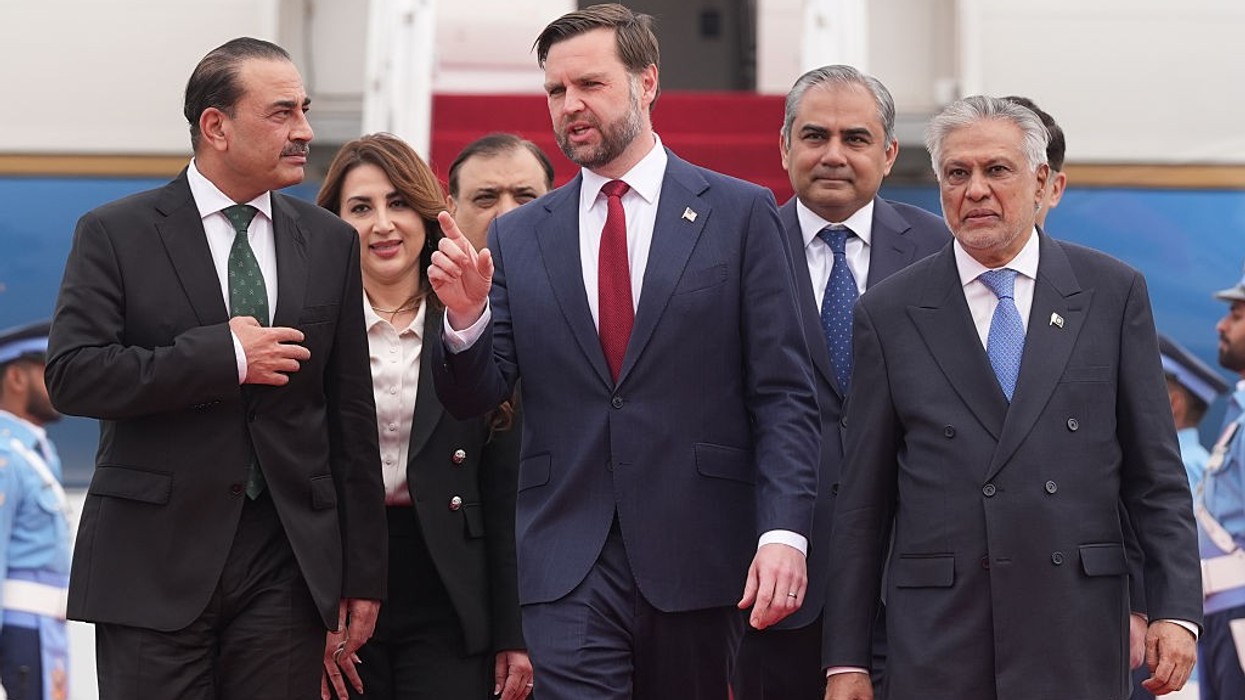
At the same time, Trump has praised Pakistan’s leadership for its role in mediating conflicts involving the United States, Israel, and Iran. Pakistan has supported Trump’s claims of helping end the India-Pakistan conflict and has reportedly backed his nomination for a Nobel Peace Prize.
Trump has also hinted at a possible visit to Islamabad if a final agreement is reached to end the Iran conflict. Meanwhile, Pakistan’s military chief, Field Marshal Asim Munir, has been active diplomatically, including visits to Iran and potential engagements in Washington, D.C.