

Canada-based gangster Goldy Brar has stirred fresh controversy by publicly justifying the 2022 killing of popular Punjabi singer Sidhu Moosewala. Speaking in a newly released BBC World Service documentary titled The Killing Call, Brar claimed, “We had no option but to kill him.” His statements have triggered outrage among Moosewala’s family and fans alike.
Released on YouTube in two parts on Wednesday (11)—coinciding with Moosewala’s birth anniversary—the documentary explores the complex web of gang rivalries, personal disputes, and long-standing grudges that allegedly led to the singer’s murder.
Moosewala’s Connection to Gangster Lawrence Bishnoi
According to the documentary, the roots of Moosewala’s relationship with gangster Lawrence Bishnoi go back several years. Bishnoi, who is incarcerated, reportedly admired Moosewala's music and would call the singer from jail. But the relationship deteriorated over time.
“In his arrogance, he (Moosewala) made some mistakes that could not be forgiven,” Brar told the BBC. “It was either him or us. As simple as that.” Brar's statements suggest the murder was premeditated and based on unresolved hostilities, one of which allegedly stemmed from a kabaddi match rivalry.
Documentary Sparks Legal and Emotional Repercussions
The BBC had initially planned to screen The Killing Call at a cinema in Mumbai, but mounting backlash led to a digital release instead. The documentary features interviews with individuals named in the FIR concerning Moosewala’s murder—an aspect that has raised serious concerns among the victim’s family.
Sidhu Moosewala’s father, Balkaur Singh, filed a petition in a Mansa court seeking to halt the screening and release of the documentary. The petition is set for hearing on Thursday. Balkaur also sent a formal complaint to the Maharashtra Director General of Police and the Juhu Police Station in Mumbai, alleging that the film contains “false content” and was made without the family’s consent.
“Attempt to Tarnish His Legacy,” Says Father
Speaking to media, Balkaur Singh said the documentary appears to be a deliberate attempt to derail the ongoing investigation into his son’s murder. He expressed concern that the film could influence the court proceedings, noting that two witnesses have already testified and that he is due to testify soon as the third.
“The documentary includes content that could damage my son’s legacy and affect the legal process,” he said, reiterating his call to halt further screenings.
Moosewala’s Legacy Lives On
Despite the controversy, Moosewala’s legacy remains strong. On the same day the documentary was released, three of his previously unreleased songs were launched on his official channel, offering fans a bittersweet reminder of his enduring influence in the world of Punjabi music.





Katrina Kaif reacts to postpartum beauty comments, reveals her 'skin became sensitive' and 'feeling best matters more'
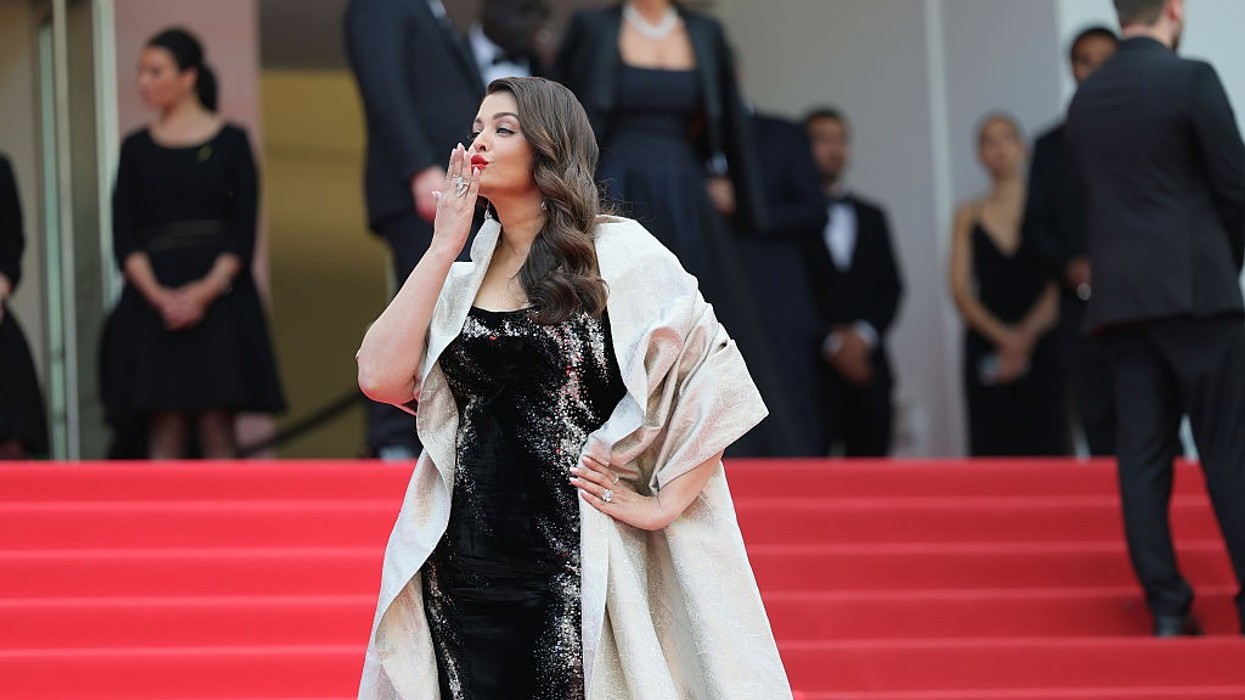
Katrina Kaif attends the green carpet at the NEXA IIFA Awards at Jaipur Exhibition and Convention Centre on March 09, 2025 in Jaipur, India.
Katrina Kaif has spent much of her career being associated with beauty — from modeling and Bollywood films to red-carpet appearances and her makeup business. But motherhood has changed the way the actor looks at her appearance.
In a recent conversation with The Hollywood Reporter India, Kaif spoke about beauty standards, self-care and the changes she experienced after giving birth. Her comments come as paparazzi photographs and videos of the actor have drawn harsh reactions online, with some social media users comparing her postpartum appearance with how she looked earlier in her career.
Rather than focusing on returning to her old appearance, Kaif said her priorities have changed. For her, looking her best now starts with feeling her best.
Katrina Kaif reacts to changing beauty standards
Kaif recalled the pressure surrounding beauty when she began her modeling and acting career. She said there were many stereotypes about what women were expected to look like.
Today, she views beauty differently.
“Looking my best is really about feeling my best,” Kaif said, explaining that taking care of herself as a whole has become more important.
She linked that feeling to several aspects of her lifestyle, including maintaining a healthy diet, staying active, managing inflammation, meditating and spending time away from her phone. She also mentioned getting natural light in the morning as part of her routine.
For Kaif, the connection between health and appearance is straightforward: when she feels healthy, she believes that confidence naturally shows on the outside.
Her comments come at a time when celebrity appearances continue to receive intense scrutiny online. Paparazzi posts featuring Kaif have attracted comments about her postpartum body and appearance, with some users comparing recent images with photographs from earlier stages of her career.
Her skin changed after giving birth
Kaif also opened up about a specific physical change she noticed after pregnancy.
According to the actor, her skin became significantly more sensitive after giving birth. That made it difficult for her to determine which products were actually working for her.
She is now focusing on what she describes as deep cellular hydration, strengthening her skin barrier and keeping her skin calm and resilient.
Dermatologist Dr. Shireen Furtado, senior consultant in medical and cosmetic dermatology at Aster CMI Hospital, explained that postpartum hormonal changes, stress, sleep disruption and dehydration can affect the skin in different ways.
Skin may become drier, more sensitive, oilier or more prone to pigmentation after childbirth. Because of those changes, she advised new mothers to focus on basic skin health instead of trying to immediately recreate their pre-pregnancy appearance.
Kaif’s postpartum approach is more about self-care
For Kaif, the shift appears to be bigger than skincare. Motherhood has changed the way she defines looking good.
Instead of chasing a particular appearance, she is emphasizing health, balance and understanding what her body and skin need at a particular stage.
Furtado similarly recommends keeping postpartum skincare simple, with a gentle cleanser, moisturizer and broad-spectrum sunscreen as a starting point. She also cautions against unnecessary products, harsh scrubs, strong exfoliants and irritating fragrances when skin is sensitive.
Some ingredients, including retinoids, require particular caution during breastfeeding and should be discussed with a dermatologist before use.
Kaif's comments offer a different perspective on the pressure faced by women after childbirth, particularly public figures whose appearances are constantly photographed and discussed.
Her message is less about looking the way she did before motherhood and more about feeling comfortable in the person she is now. For an actor whose appearance has been part of public conversation throughout her career, that represents a noticeable shift in how she approaches beauty.