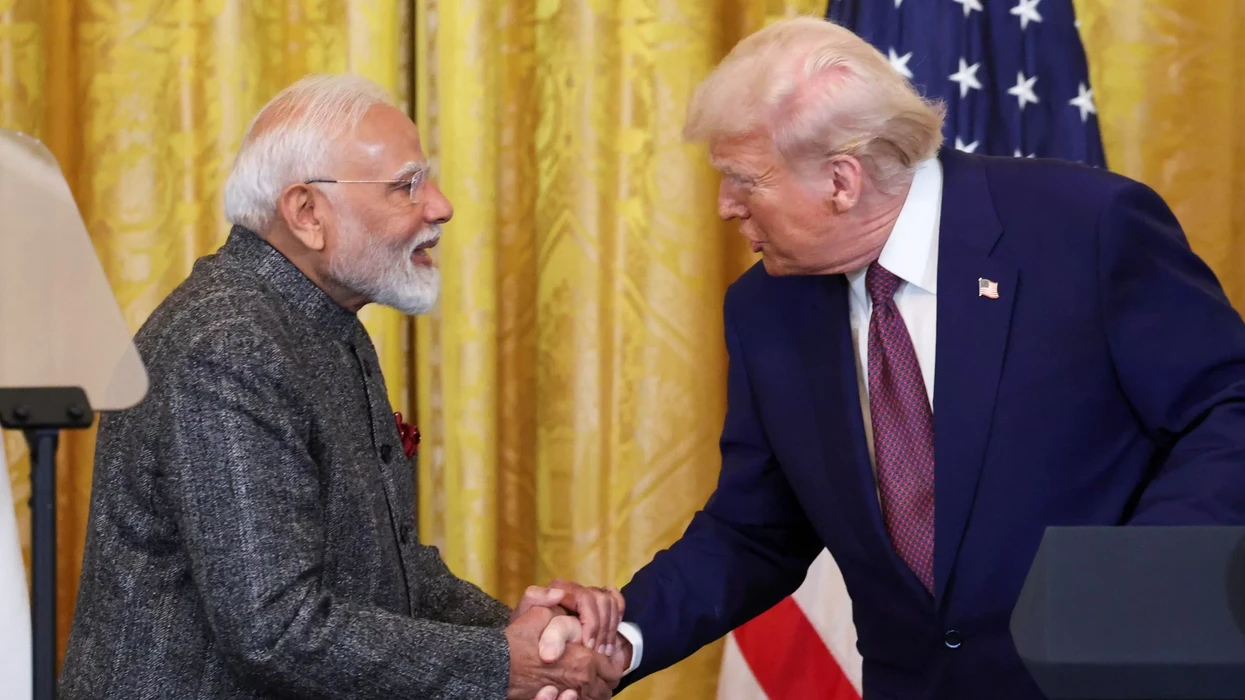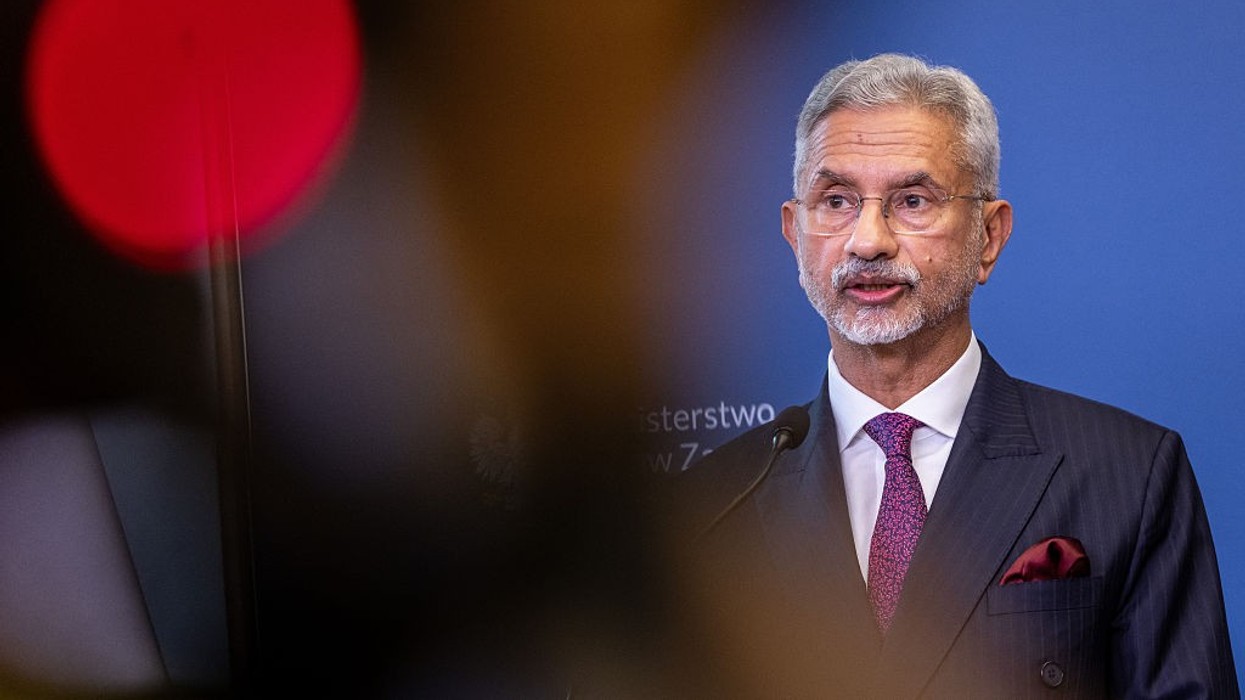
INDIAN external affairs minister Subrahmanyam Jaishankar on Thursday (4) shrugged off a remark made by a senior official at the United Nations on the country's upcoming national elections, saying the global body need not tell his country about the polls being "free and fair".
His remarks came in response to a query regarding a statement made by the spokesperson for UN secretary general that they “hope” that in India, people’s “political and civil rights” were protected and everyone is able to vote in a “free & fair” atmosphere.
"I don't need the United Nations to tell me our elections should be free & fair. I have the people of India. The people of India will ensure that elections are free & fair. So, don't worry about it," the minister told reporters during an interaction in Thiruvananthapuram in the southern state of Kerala where he went to campaign for his ministerial colleague Rajeev Chandrasekhar for the polls.
Read: India, Ukraine foreign ministers discuss global, bilateral issues
Jaishankar also pointed out that recent the statement on the Indian elections made by the spokesperson of the UN secretary-general, Stephane Dujarric, came in a response to “a very loaded question” during a press briefing at the world body that scrutinised the state of Indian democracy, especially in the wake the arrest of the prominent opposition leader Arvind Kejriwal and the freezing of bank accounts of leading opposition party Indian National Congress.
Read: Jaishankar explains in Malaysia how India’s ties with China can become normal again
“What we very much hope that in India, as in any country that is having elections, that everyone’s rights are protected, including political and civil rights, and everyone is able to vote in an atmosphere that is free and fair,” Dujarric had said.
Elections will kick off in India, the world's largest democracy with nearly 970 million eligible voters, on April 19 and continue till June 1. The results will be announced on June 4.