Highlights
- JD Vance leads US delegation for first major talks since conflict began
- Mohammad Bagher Qalibaf sets conditions for negotiations
- Continued clashes between Hezbollah and Israel raise concerns
- High-level meetings include Shehbaz Sharif and Asim Munir
- Islamabad under tight security with major roads sealed and media facilities established
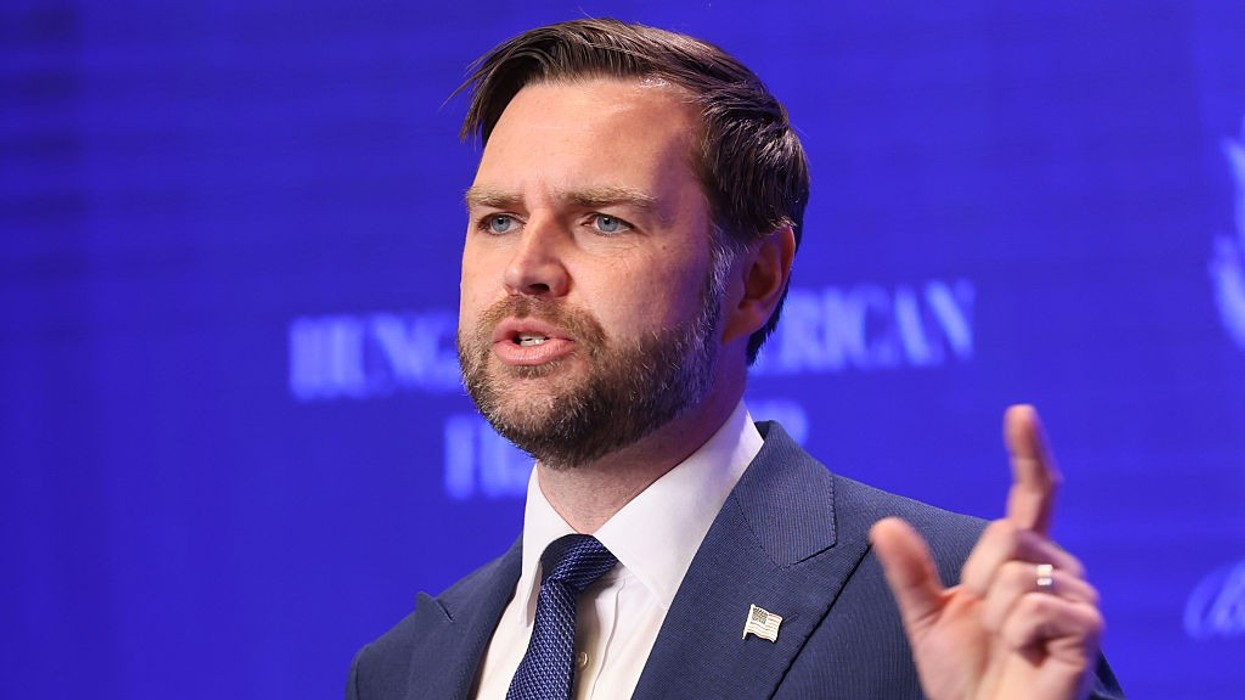
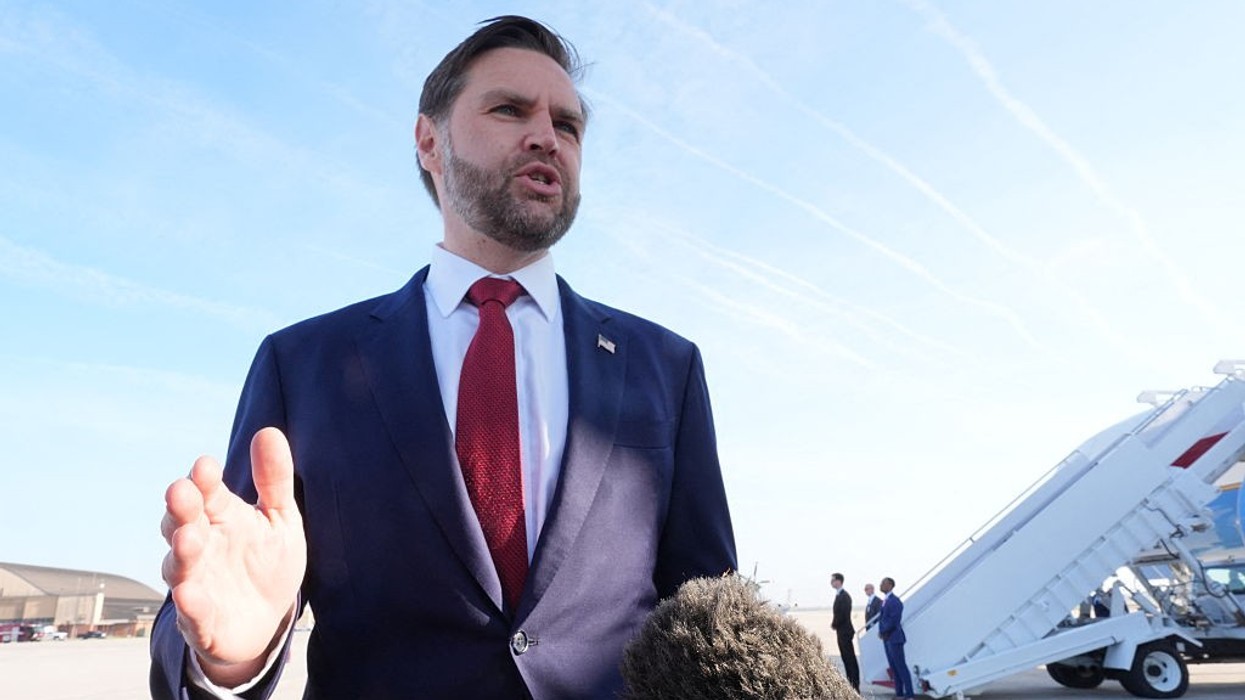
A US delegation led by JD Vance arrived in Islamabad on Saturday (11) for crucial talks with Iranian officials aimed at stabilizing a fragile ceasefire and working toward a permanent end to ongoing hostilities. The meeting marks the first direct engagement of its kind since the war began more than a month ago.
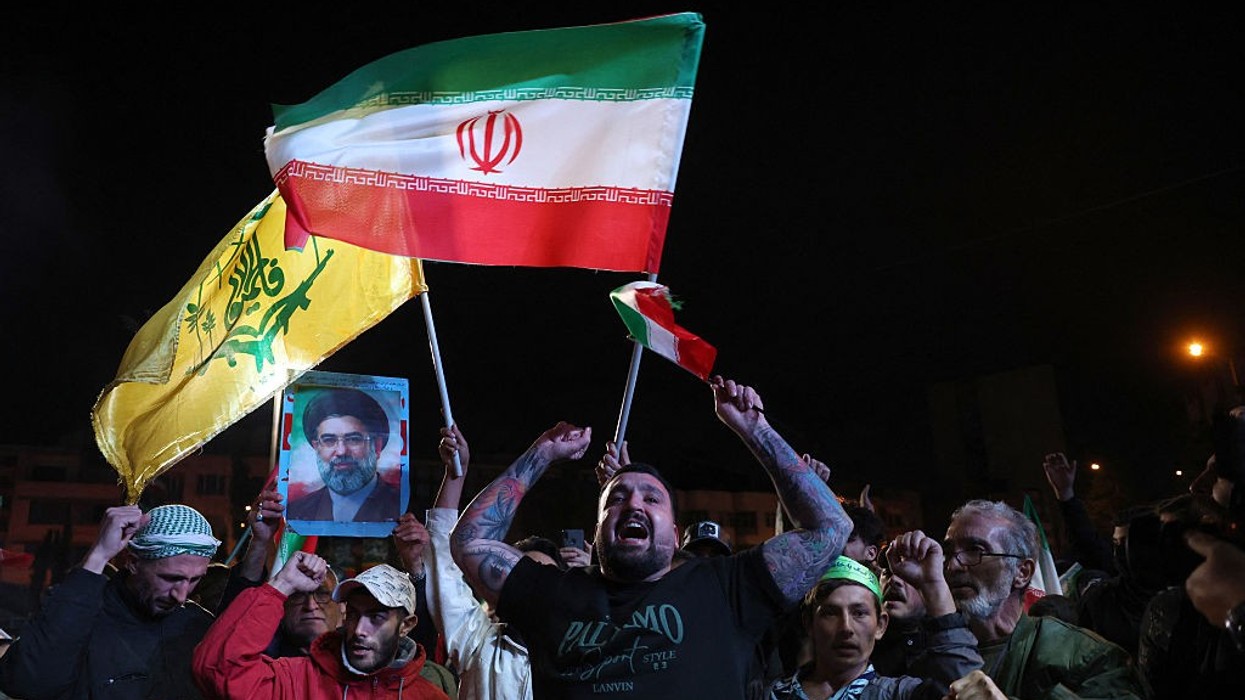
The ceasefire, brokered by Pakistan, remains under strain. Fighting continues along the border of southern Lebanon, where Israeli forces and Hezbollah militants have been exchanging fire. Meanwhile, Iran has set firm preconditions for entering negotiations.
The Iranian delegation, led by Parliament Speaker Mohammad Bagher Qalibaf, arrived early Saturday. Qalibaf stated on X that talks would only proceed if there is an Israeli ceasefire in Lebanon and the release of blocked Iranian assets.
Hours before the talks, Donald Trump expressed confidence, wishing Vance good luck and stating, “We’ll find out what’s going on. They’re militarily defeated.”
Security in Islamabad was visibly heightened. Streets in the usually busy capital were largely deserted as authorities sealed major roads and urged residents to remain indoors ahead of the high-level meetings.
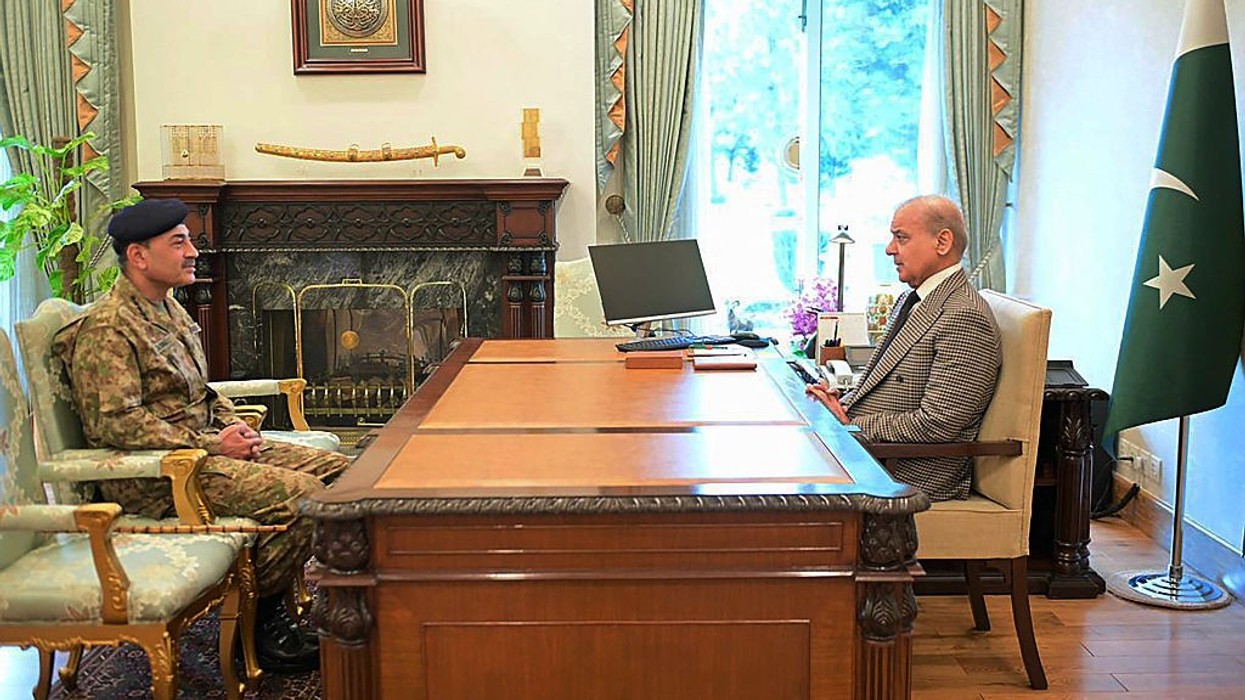
The Iranian delegation is scheduled to meet with Pakistani Prime Minister Shehbaz Sharif before engaging in direct talks with U.S. officials. Iran’s team also held prior discussions with Pakistan’s army chief, Asim Munir, signaling extensive diplomatic groundwork ahead of the main negotiations.
The U.S. delegation includes key figures such as special envoy Steve Witkoff and Jared Kushner, underscoring the importance Washington places on these talks.
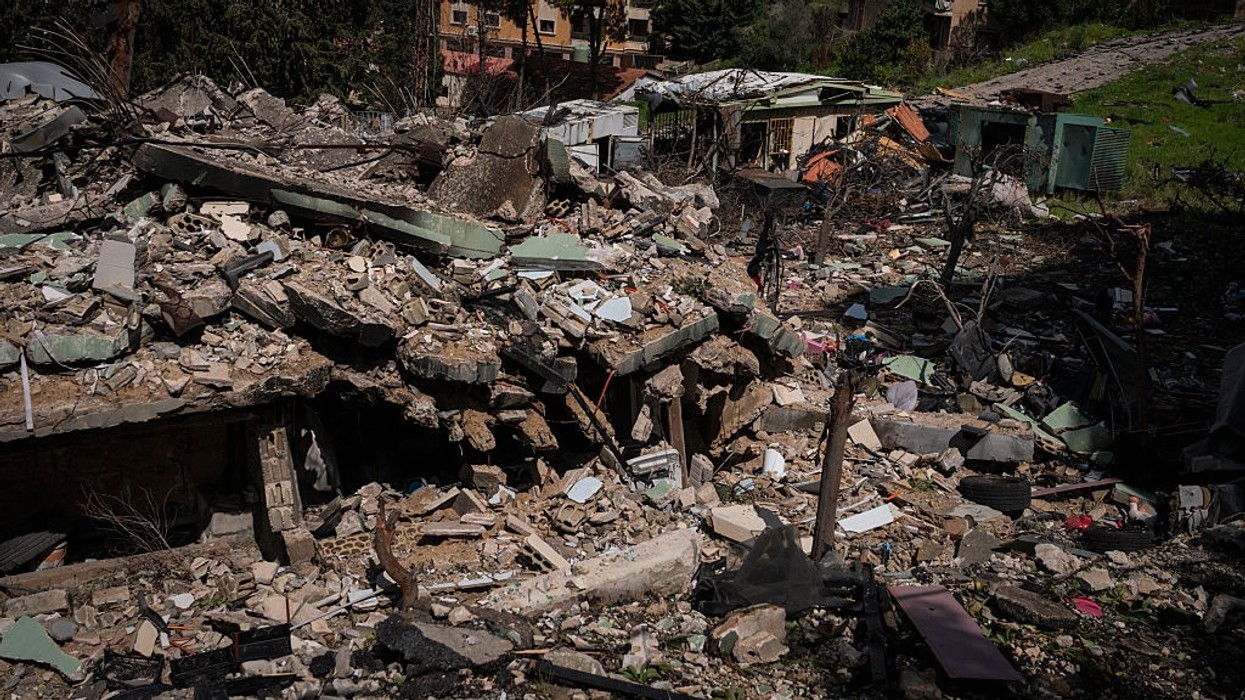
Meanwhile, violence continues in Lebanon. State media reported multiple Israeli airstrikes in the southern region, including a strike in the town of Maifadoun that destroyed a residential building and killed at least three people. Hezbollah responded by launching a barrage of rockets targeting a military facility in northern Israel.
Pakistan has made extensive preparations for the talks, including establishing a state-of-the-art media center at the Jinnah Convention Center. Information Minister Attaullah Tarar said the facility offers high-speed internet, workstations, live broadcast areas, and shuttle services for journalists. Visa-on-arrival has also been arranged for delegations and media personnel traveling from the United States and Iran.
Inside the media center, reporters have access to laptops, charging stations, and large screens broadcasting global news coverage. Dedicated spaces for interviews, press briefings, and live reporting have been set up to support comprehensive coverage of what are being called the “Islamabad talks.”
The city itself reflects the gravity of the moment. With roads sealed and residents staying indoors, Islamabad appeared unusually quiet, resembling conditions typically seen during curfews.