
Highlights:
- Jensen Huang has resigned as CEO of Nvidia, the company he co-founded in 1993.
- CFO Colette Kress will serve as interim CEO while the board searches for a permanent successor.
- Huang admitted to an affair with Alice Huang but denied knowing about her alleged links to the Chinese government.
- The New York Times reported a separate relationship with Nvidia healthcare president Kimberly Powell.
- Nvidia shares fell about 7 per cent in premarket trading and have declined more than 11 per cent over several days.
- Huang owns approximately 3.6 per cent of Nvidia and has an estimated net worth of $145 billion.
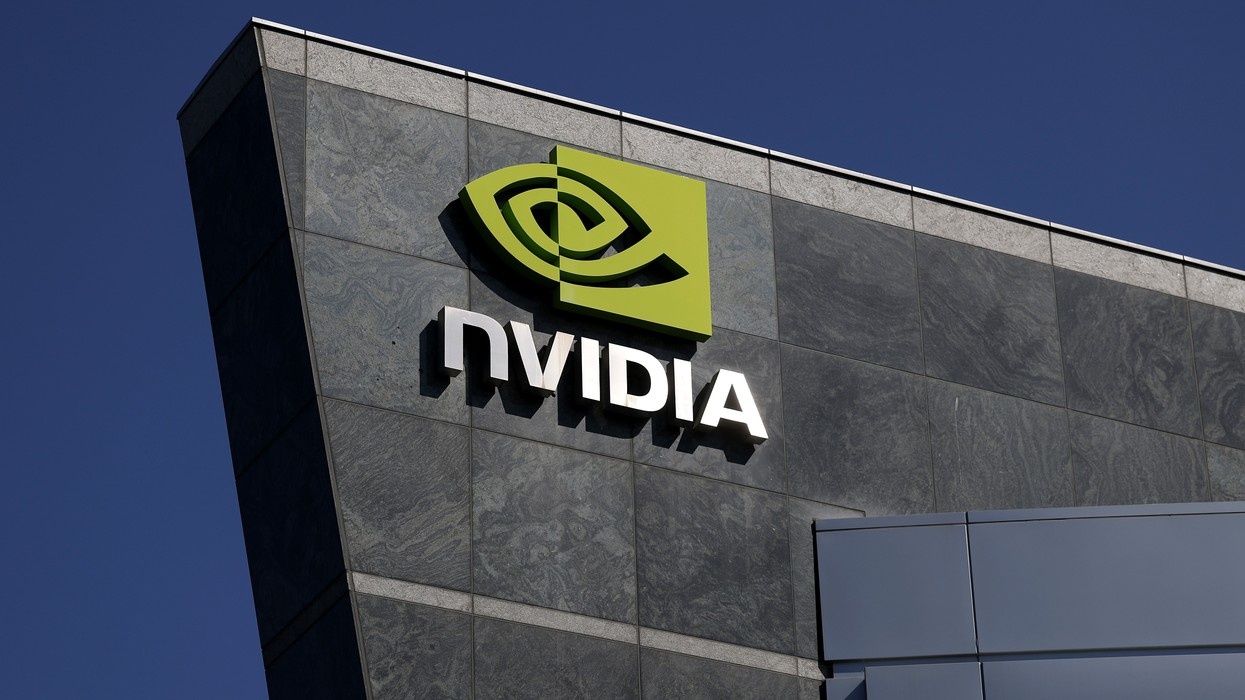
Nvidia co-founder Jensen Huang has resigned as chief executive after reports of extramarital affairs involving a woman suspected by US intelligence services of having links to the Chinese government and a senior company employee. His departure follows growing scrutiny of his personal relationships, an internal investigation and a sharp decline in the chipmaker's stock price.
Nvidia's board of directors confirmed Huang's departure on Thursday, November 12, and appointed Chief Financial Officer Colette Kress as interim CEO until a permanent successor is selected. The board's statement did not refer to the allegations surrounding Huang's personal conduct or the reported links to a suspected foreign intelligence operation. Instead, it praised his contribution to the company and the technology industry.
“Jensen’s contributions to Nvidia are profound. Nvidia is one of the most consequential technology companies in the world. The board and the company thank Jensen for his immeasurable contributions to the company and the industry,” the statement said.
The resignation comes after Nvidia appointed the prominent US law firm Wachtell, Lipton, Rosen & Katz to conduct an independent investigation into Huang's reported relationship with Alice Huang, a Singapore-based businesswoman who is not related to the CEO. She heads Megaspeed, a data center company, and has reportedly been suspected by US intelligence services of being an asset of the Chinese government.
Huang has admitted to having an affair but denied knowing that Alice Huang allegedly had links to the Chinese government. He has also agreed to cooperate with the company's internal investigation.
The controversy intensified after The New York Times reported on Wednesday that Huang had another extramarital relationship, this time with a Nvidia employee named Kimberly Powell, the company's president of healthcare. The report said Powell was captured on video being affectionate with Huang at a hotel during a company conference in March. Powell was approached for comment.
The latest revelations reportedly added to the pressure on Nvidia's board as it met on Wednesday to discuss Huang's future.
Huang, who has been married to his wife, Lori, since 1985, addressed the earlier allegations in an email to employees on Sunday. He acknowledged the affair after days of speculation and said he would cooperate with the investigation. The board had announced its probe into reports that the CEO may have been targeted by a foreign intelligence operation.
Nvidia faces financial and leadership uncertainty
Huang's exit marks a significant change for the company he co-founded in 1993. He owns more than 870 million Nvidia shares, representing approximately 3.6 per cent of the company. Bloomberg estimated his net worth at $145 billion, making him the world's 13th-richest person.
Nvidia's financial position has also come under pressure amid the controversy. Its shares fell approximately 7 per cent in premarket trading on Thursday after reports that the board was preparing to remove Huang. The stock has declined more than 11 per cent over the past several days.
The developments are particularly significant because Nvidia occupies a central position in the global artificial intelligence industry. Its advanced chips are used to train AI models and power major technology companies, including OpenAI and Anthropic. The company has a market capitalization of more than $4 trillion.
Huang's departure also comes at a critical moment in the technology competition between the United States and China, with the global AI race intensifying.
Despite the controversy, Huang has received public support from prominent figures. President Donald Trump described him as someone who had done “an incredible job” and called him “an honorable guy.” Elon Musk and other technology industry figures have also expressed support.
However, the resignation leaves Nvidia facing questions about its leadership transition, the outcome of the investigation and the potential impact of the controversy on investor confidence.