
- US gas prices rise above $4 per gallon again
- Crude oil jumps over 7 per cent above $107 per barrel
- Strait of Hormuz disruption limits global oil supply
- Businesses and consumers face higher transportation costs
- Ongoing US-Iran tensions keep markets unstable
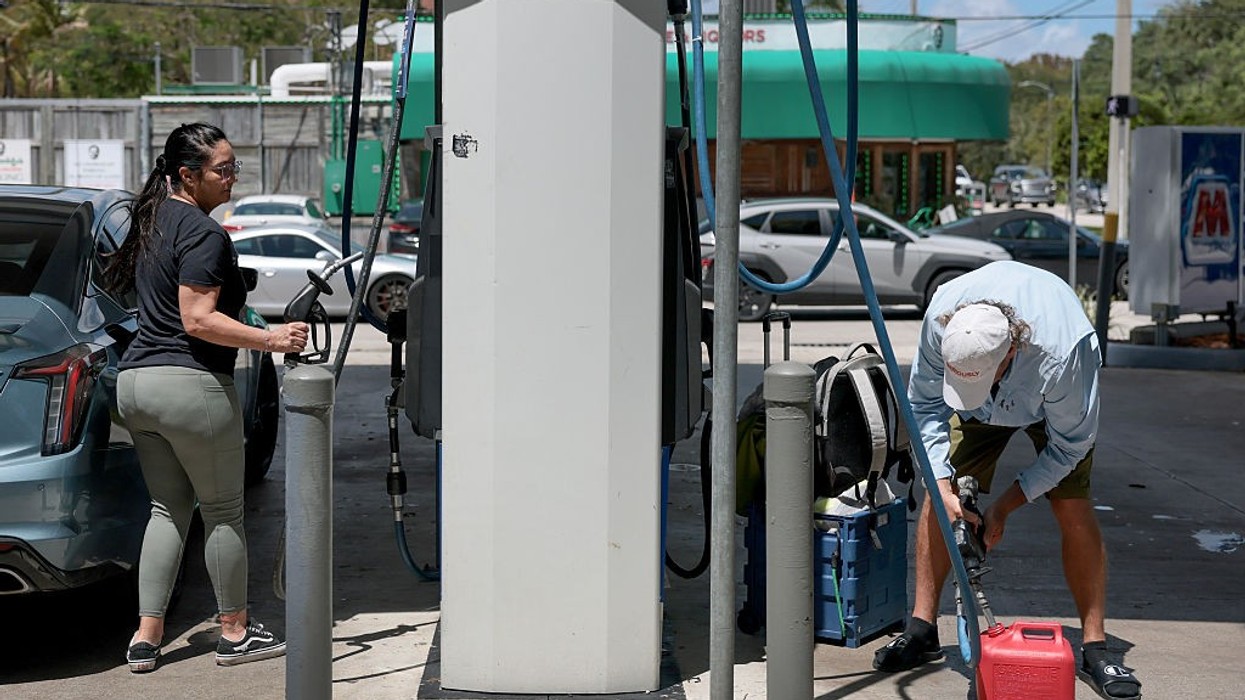
Gas prices in the United States are rising again. They have moved above $4 per gallon as global oil markets continue to climb.
Crude oil futures have increased by more than 7 per cent. Prices are now above $107 per barrel. This rise is linked to tensions involving president Donald Trump’s strategy toward Iran and tighter global supply. The price increase is also connected to disruptions in global oil movement. These disruptions are happening near the Strait of Hormuz, a major route for oil shipments. Reduced supply from this area is pushing prices higher.
About 20 per cent of the world’s petroleum supply passes through the Strait of Hormuz. This makes it a very important route for global energy markets, according to the US Energy Information Administration. The White House says its approach is meant to pressure Iran economically while avoiding a larger military conflict. However, negotiations remain uncertain.
US sanctions have also been used to restrict Iran’s oil exports. These actions aim to limit Iran’s role in global energy markets and reduce its economic strength, according to congress.gov. Donald Trump met with oil and gas industry leaders, including executives from Chevron, to discuss market stability and the impact of the Iran situation.
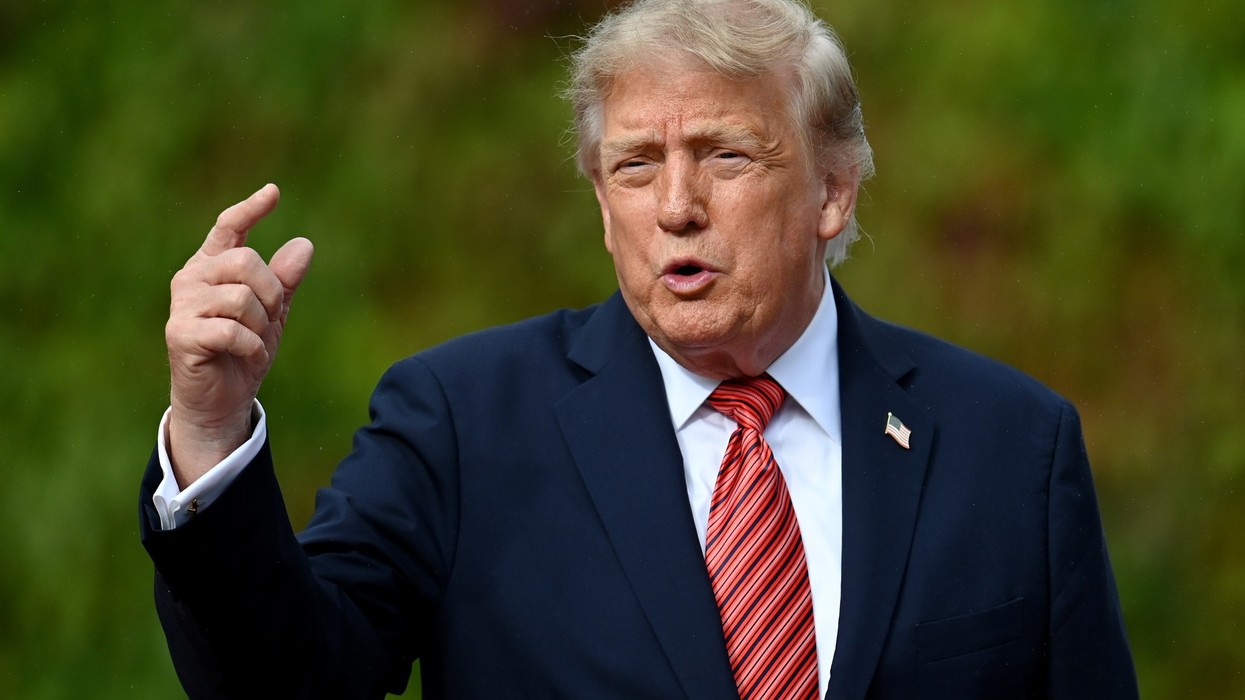
“Iran cannot have a nuclear weapon. We will not allow it, and we are taking strong action to ensure stability and security in the region,” President Trump said. The discussions also focused on reducing the impact of rising oil prices on American consumers.
During a congressional hearing, officials, including defense secretary Pete Hegseth were questioned about the economic effects of the conflict. “The biggest adversary we face are the reckless, fearless and defeatist words of congressional Democrats and some Republicans,” Hegseth said.
Lawmakers raised concerns about how long fuel prices will stay high and how the conflict is affecting the economy. Global oil prices are rising due to supply uncertainty and geopolitical tension. Market data shows continued volatility as traders react to developments involving Iran and global shipping routes.
The blockade and conflict in the region are reducing the amount of oil available in the global market. This shortage is pushing prices higher. Higher fuel prices are affecting household budgets in the United States. People are paying more for transportation, and businesses are facing higher operating costs.
This increase is also adding to inflation. The cost of goods and services is rising as transportation becomes more expensive. The timing of the price rise is important. It comes before the summer travel season, when demand for fuel usually increases. This could push prices even higher.
In states where people rely heavily on cars, such as Michigan, even small price increases can have a big impact on families and commuters.
Energy analysts say oil prices may remain unstable in the coming weeks. Uncertainty about supply and geopolitical tensions continues to affect the market. As tensions between the United States and Iran continue, fuel prices are expected to remain unpredictable. Global political decisions are now directly affecting everyday costs for American consumers and businesses.