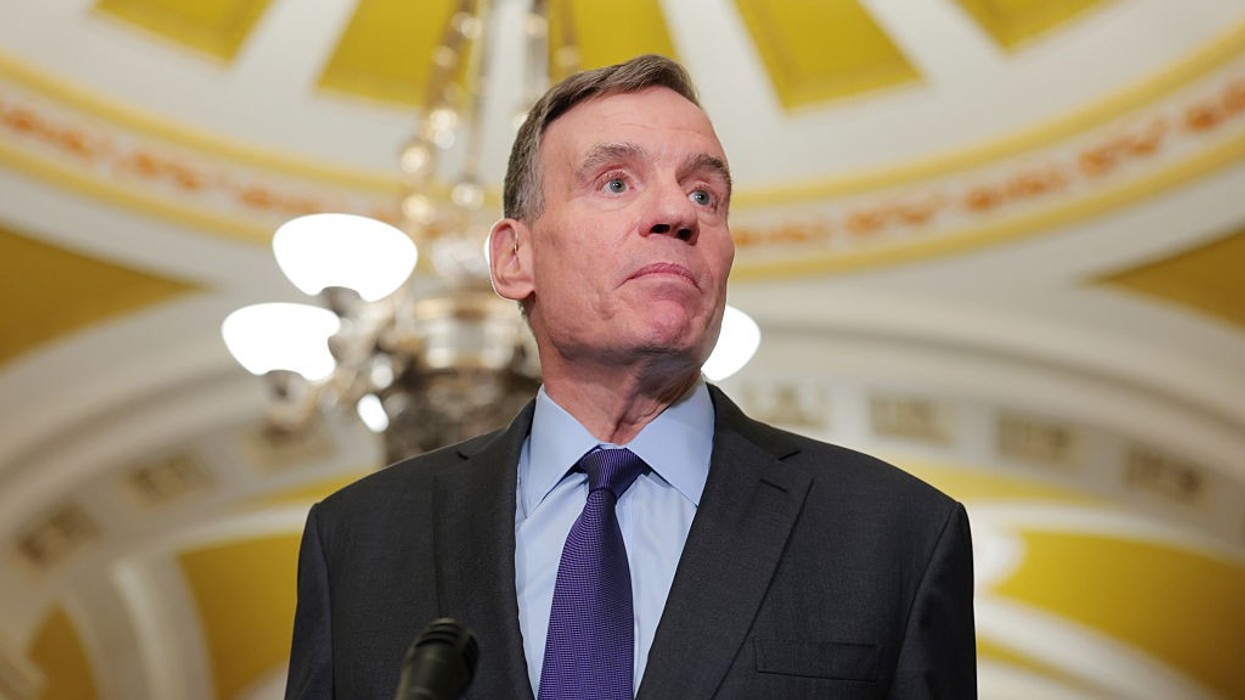

Claims that the United States played a decisive, unilateral role in defusing recent tensions between India and Pakistan are overstated and risk distorting the reality of how the crisis unfolded, according to Senator Mark Warner, chairman of the Senate Intelligence Committee.
Speaking in an interview, Warner said available information does not support assertions that the Trump administration independently resolved the standoff between the two nuclear-armed neighbors. He emphasized that the situation was settled through direct engagement between New Delhi and Islamabad.
“Everything that I heard and read from members of the Indian government, from the intelligence community, and from American intelligence briefings was that this was settled between Pakistan and India,” Warner said. While acknowledging that Washington may have attempted to play a supportive role, he dismissed claims of direct intervention by president Donald Trump.
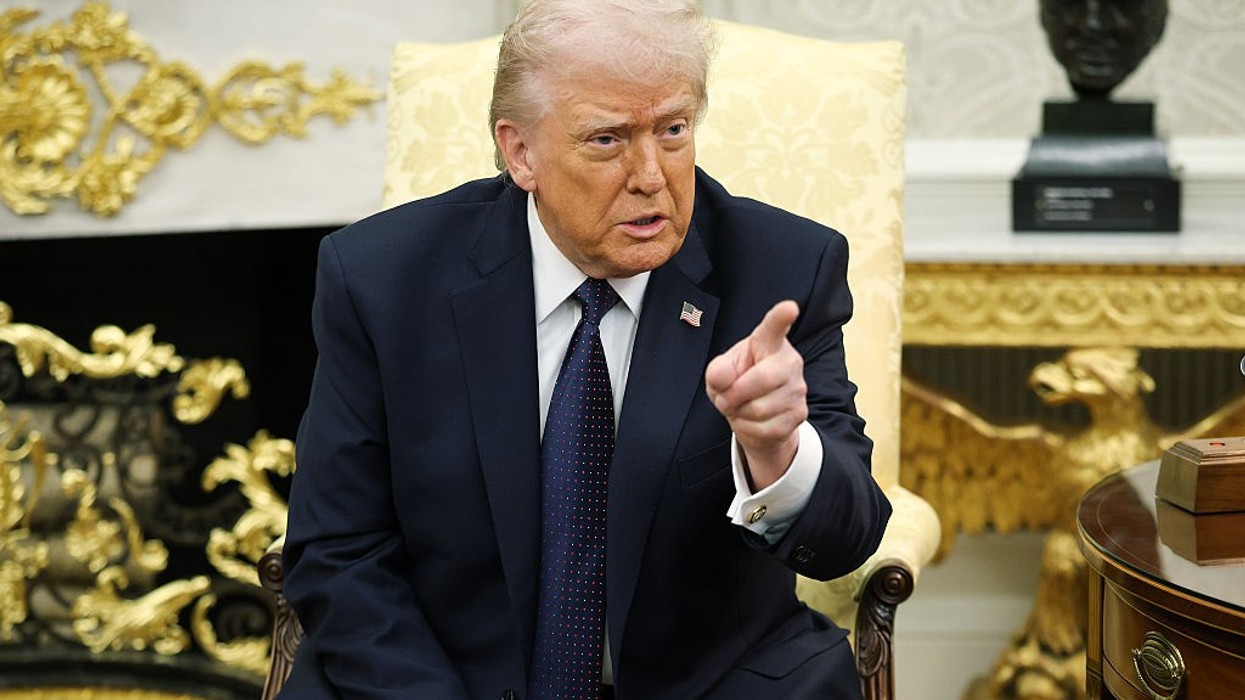
“America may have tried to help, but it was not like Mr. Trump did this personally,” Warner said, adding that such portrayals appear driven by what he described as an “ego reaction.”
Asked whether the escalation brought the region close to catastrophe, Warner said the situation was serious but not unprecedented. He noted that India and Pakistan have faced similar moments of heightened tension in the past.
“This was a very serious escalation by both sides,” he said, pointing out that the crisis followed a familiar pattern linked to concerns over terrorism. Warner added that established communication channels between the two countries exist precisely to manage such situations. “There are communications between India and Pakistan for these kinds of occasions,” he said.
Warner expressed concern that overstating Washington’s role could undermine trust with key partners, particularly India. He suggested that current trade tensions, including tariff disputes, may be connected to resentment over perceived lack of diplomatic credit.
“That is the only logical explanation,” Warner said, referring to President Trump’s apparent belief that Indian Prime Minister Narendra Modi did not adequately acknowledge US involvement in easing hostilities.
Drawing parallels with other foreign policy claims, Warner said Trump has a tendency to exaggerate outcomes. Referencing US military strikes on Iran, he said that while American bombers performed effectively, Iran’s nuclear capabilities were not completely destroyed and could be rebuilt within months.
He warned that such rhetoric carries real diplomatic consequences. “When everyone doesn’t salute that language, he then becomes resentful,” Warner said, suggesting this dynamic has contributed to growing strains between Washington and New Delhi.
The senator cautioned that short-term political disputes should not be allowed to erode long-term strategic cooperation, particularly in defense and security. He noted that India’s gradual effort to reduce reliance on Russian military equipment requires dependable partnerships. “You can’t switch overnight unless you’re sure the next partner is dependable,” he said.
On Pakistan, Warner said the country remains overly focused on its rivalry with India. He argued that this fixation has often been used to explain Pakistan’s internal economic struggles.
By contrast, Warner said India has largely moved beyond that rivalry. He described India as having emerged as a major global power, with younger generations increasingly favoring closer alignment with the United States.
Warner concluded that exaggerating US involvement in regional crises risks complicating an already delicate balance and distracts from the broader goal of stabilizing and strengthening long-term US-India relations.