
Highlights:
- Iran absent so far from ceasefire talks in Islamabad
- US-Iran divisions over Lebanon and nuclear program persist
- Pakistan-brokered ceasefire already showing signs of strain
- Ongoing Israel-Hezbollah strikes escalate tensions in Lebanon
- India boosts Gulf outreach to secure energy supplies
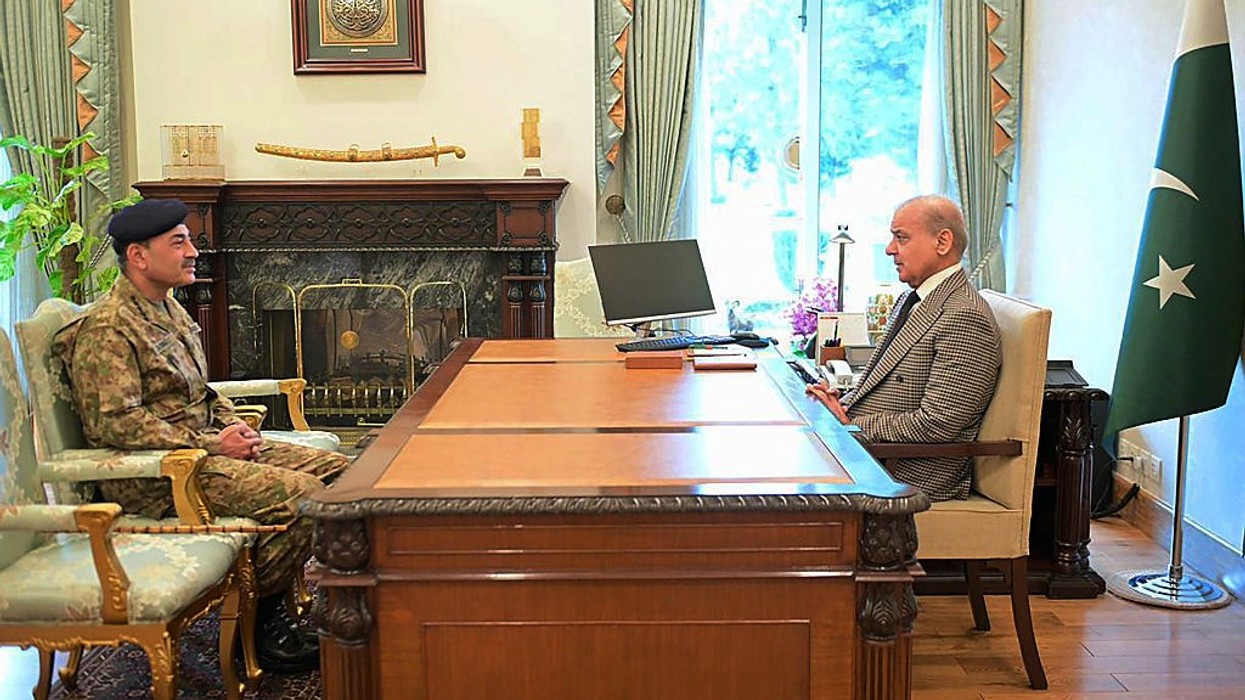
The ceasefire talks between Iran and the United States in Islamabad remain uncertain, with Iran yet to arrive, even as Pakistan insists discussions are still on track.
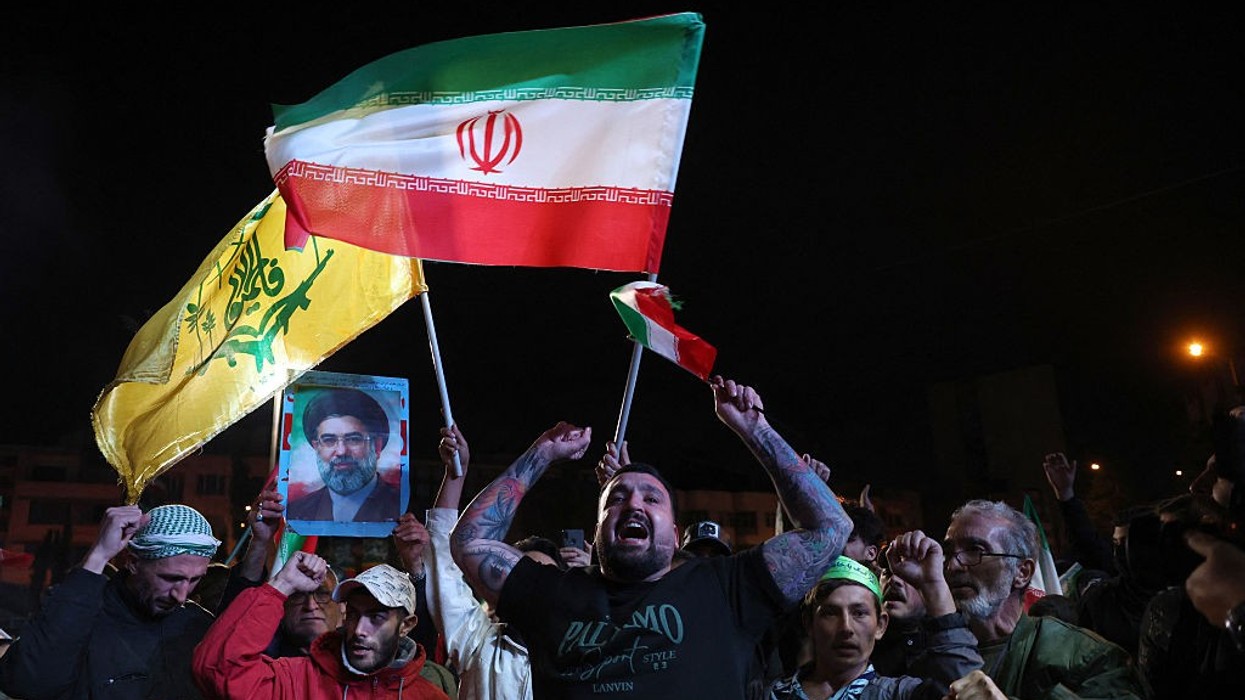
The negotiations come amid deep divisions over Lebanon and Iran’s nuclear program, raising doubts about whether meaningful progress can be achieved. Vice president JD Vance leads the US delegation. He follows a conflict triggered by US and Israeli strikes on Iran that killed supreme leader Ali Khamenei, escalating into a war that has killed thousands, disrupted the Strait of Hormuz, and driven oil prices to record highs.
Pakistan recently brokered a two-week ceasefire, but it is already under strain. Iran’s delegation is led by Foreign Minister Abbas Araghchi and Parliament Speaker Mohammad Bagher Ghalibaf. Both sides are expected to remain in separate rooms at Islamabad’s Serena Hotel, with Pakistani officials acting as intermediaries.
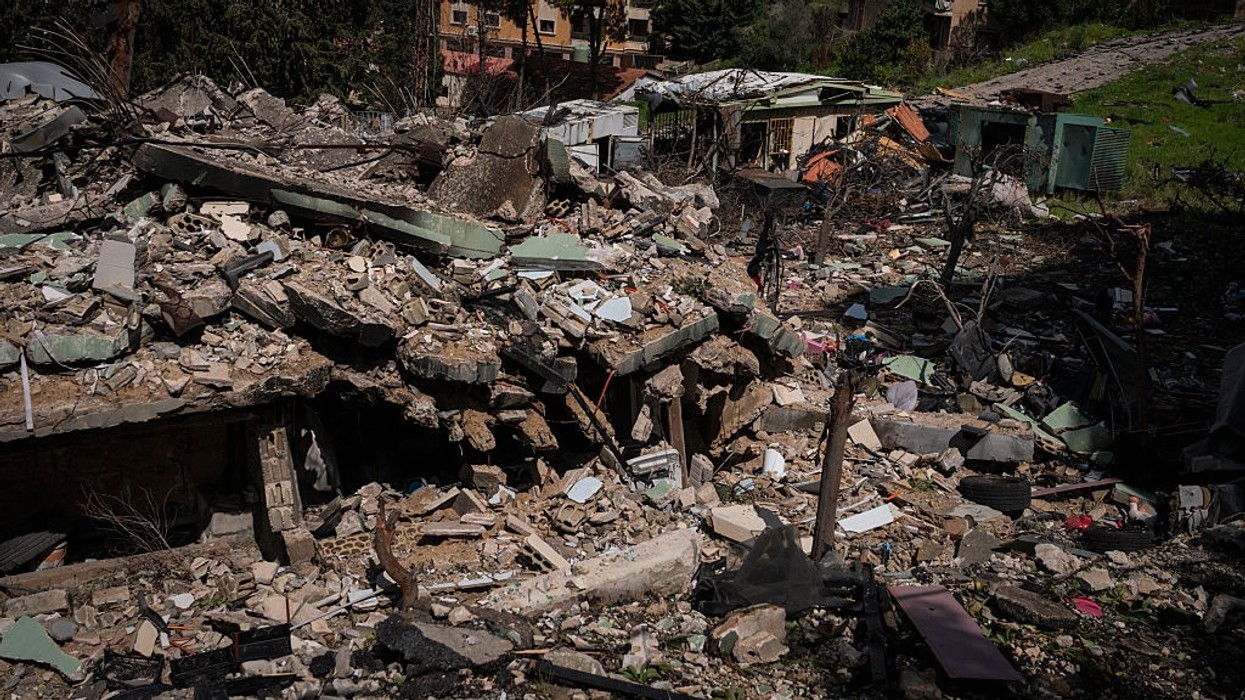
A key sticking point is Lebanon. Iran insists the ceasefire must include Israeli strikes there, while Washington and Israel reject that position. Israel has carried out intensified strikes in Lebanon this week, reportedly killing more than 200 people. Tehran has warned it may withdraw from the talks if the attacks continue.
India is closely monitoring developments and has stepped up engagement with Gulf nations to strengthen energy security. The Ministry of External Affairs said multiple ministerial visits are underway to ensure stable energy supplies and deepen strategic ties.
External Affairs Minister S. Jaishankar is currently visiting Mauritius and will travel to the United Arab Emirates on April 11-12 for discussions focused on energy cooperation and bilateral relations.
India is also supporting neighboring countries with their energy needs. Officials said India recently supplied 38 metric tons of petroleum products to Sri Lanka and is finalizing a government-to-government oil and gas agreement with Mauritius.
Meanwhile, India’s Petroleum Minister is visiting Qatar, where both sides reaffirmed cooperation in the energy sector.
Separately, Lebanese prime minister Nawaf Salam is expected to visit Washington, DC, following Israel’s push for direct talks with Lebanon.
On the ground, the Israeli Air Force claimed it killed more than 40 militants and struck over 50 Hezbollah-linked sites in southern Lebanon, though the claims could not be independently verified.
Hezbollah also reported launching a missile strike targeting Israeli troops near the Khiam detention center in southern Lebanon, marking further escalation. There has been no immediate response from Israel.