

THE US has issued a 'Do Not Travel' advisory for the union territory of Jammu and Kashmir owing to the “terror attacks” and possible “violent civilian unrest” in the union territory and also within 10 km of the India-Pakistan border.
The advisory warning for all US citizens was issued on Wednesday (23), a day after terrorists opened fire in Kashmir's Pahalgam, killing 26 people, mostly tourists, in what is the deadliest attack in the valley since the Pulwama strike in 2019 that killed nearly 40 paramilitary personnel.
“Terrorist attacks and violent civil unrest are possible in the union territory of Jammu and Kashmir. Do not travel to this state (except the eastern Ladakh region and its capital, Leh). Violence happens sporadically in this area and is common along the Line of Control (LOC) between India and Pakistan. It also occurs in tourist spots in the Kashmir Valley: Srinagar, Gulmarg, and Pahalgam,” the US Department of State's updated travel advisory for US citizens said.
It also asked its citizens to avoid going within 10 kilometres of the India-Pakistan border “due to the potential for armed conflict.”
India on Wednesday suspended the Indus Water Treaty of 1960 and announced downgrading diplomatic ties with Pakistan, including expulsion of its military attaches, in view of the cross-border links to the Pahalgam terror attack.
Pakistan has denied any role in the Pahalgam attack.
This terror attack has plunged relations between the nuclear-armed neighbors to their lowest level in years. (Agencies)




 A 1996 photo of rapper Tupac Shakur (L) and Marion "Suge" Knight is shown on screens during closing arguments in the Duane Davis murder trial, related to the 1996 killing of rapper Tupac Shakur, at Clark County District Court at the Regional Justice Center in Las Vegas, Nevada, on August 31, 2026. Getty Images






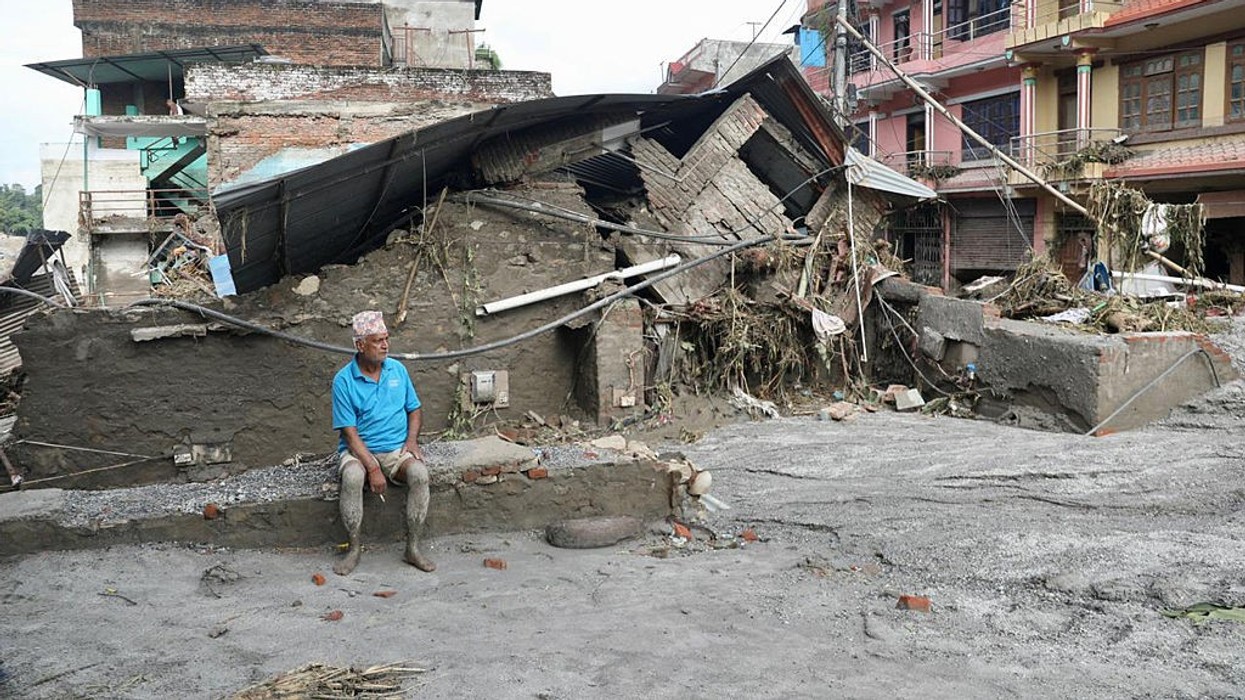
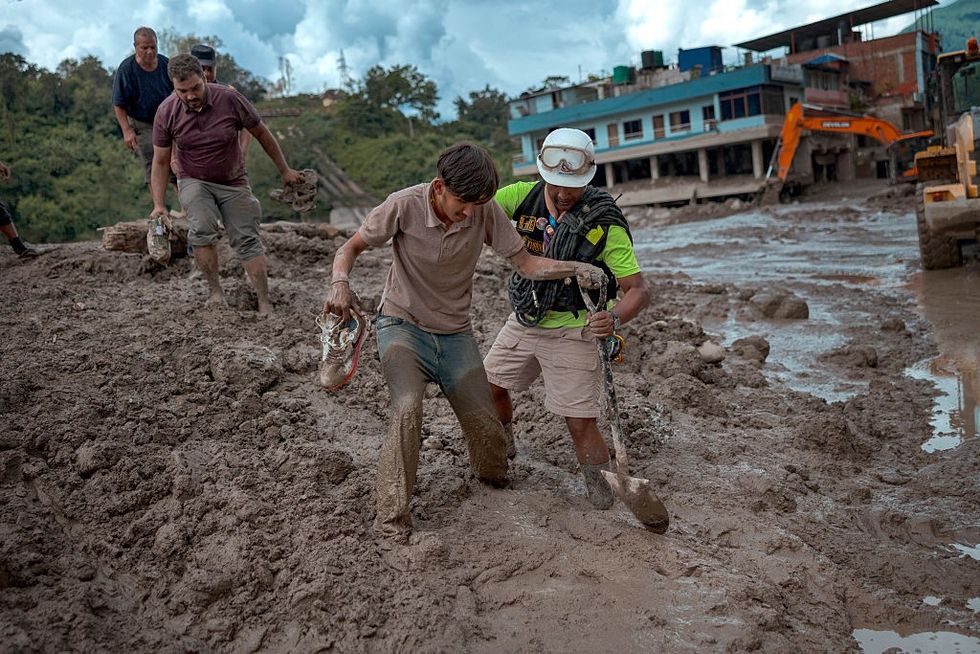 A rescuer assists a resident through heavy mud following flash floods on August 27, 2026 in Trishuli, Nepal. A sudden flood swept through the Bhote Koshi River basin in northern Rasuwa on August 26, damaging settlements, roads and energy infrastructure as rescue teams searched for residents and foreign travellers reported out of contact. Hundreds were reported missing, as the death toll started to climb.Getty Images
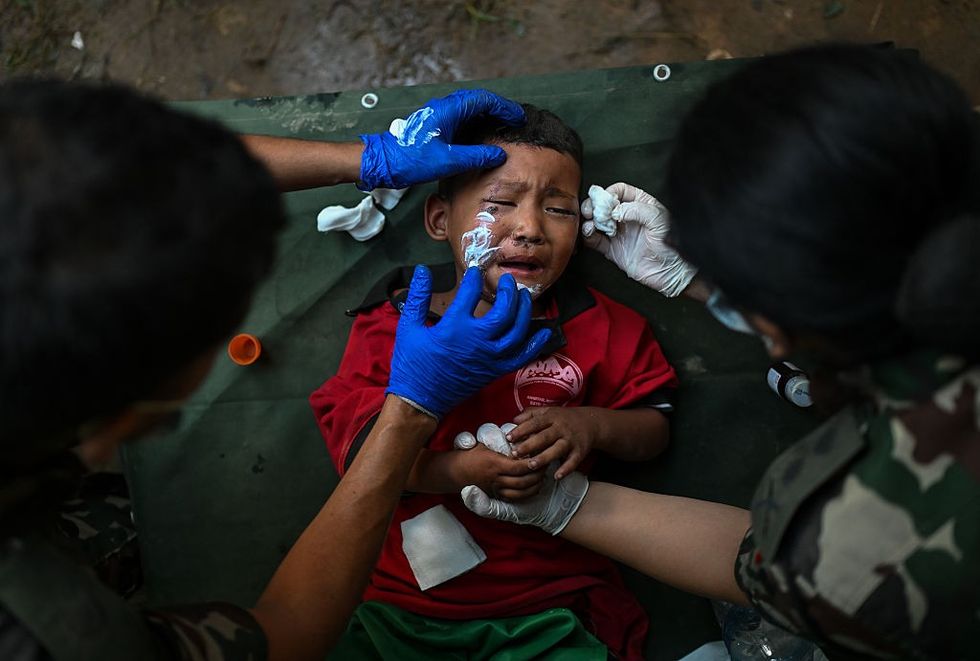 Rescue personnel provide medical treatment to a child at an army rescue camp in Trishuli Batar, Nepal, on August 27, 2026. A sudden flood swept through the Bhote Koshi River basin in northern Rasuwa on August 26, damaging settlements, roads and energy infrastructure, as rescue teams searched for residents and foreign travellers reported out of contact. Hundreds were reported missing as the death toll began to climb. Getty Ima
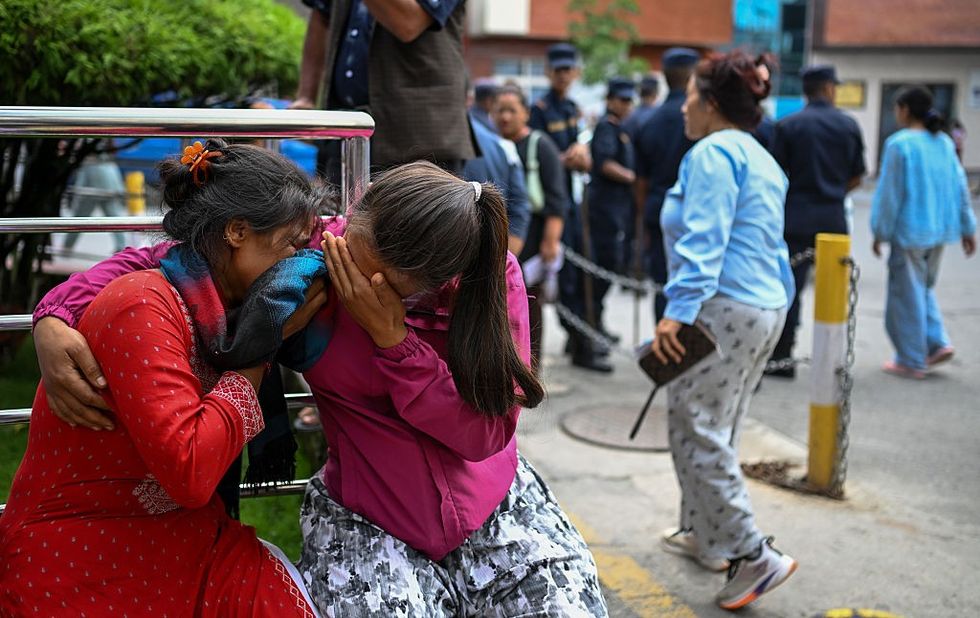 Family members of missing flood victims react at the emergency ward of the Maharajgunj Medical Campus, part of the Tribhuvan University Teaching Hospital, on August 28, 2026 in Kathmandu, Nepal. Authorities said the flash floods were triggered after a mass of ice, mud and rock collapsed into a Himalayan river near the Nepal-China border, leaving hundreds dead or missing and causing widespread damage in affected districts. Authorities continued the gruelling search for victims, many buried under metres of mud, as both China and Nepal issued fresh flooding alerts.Getty Images