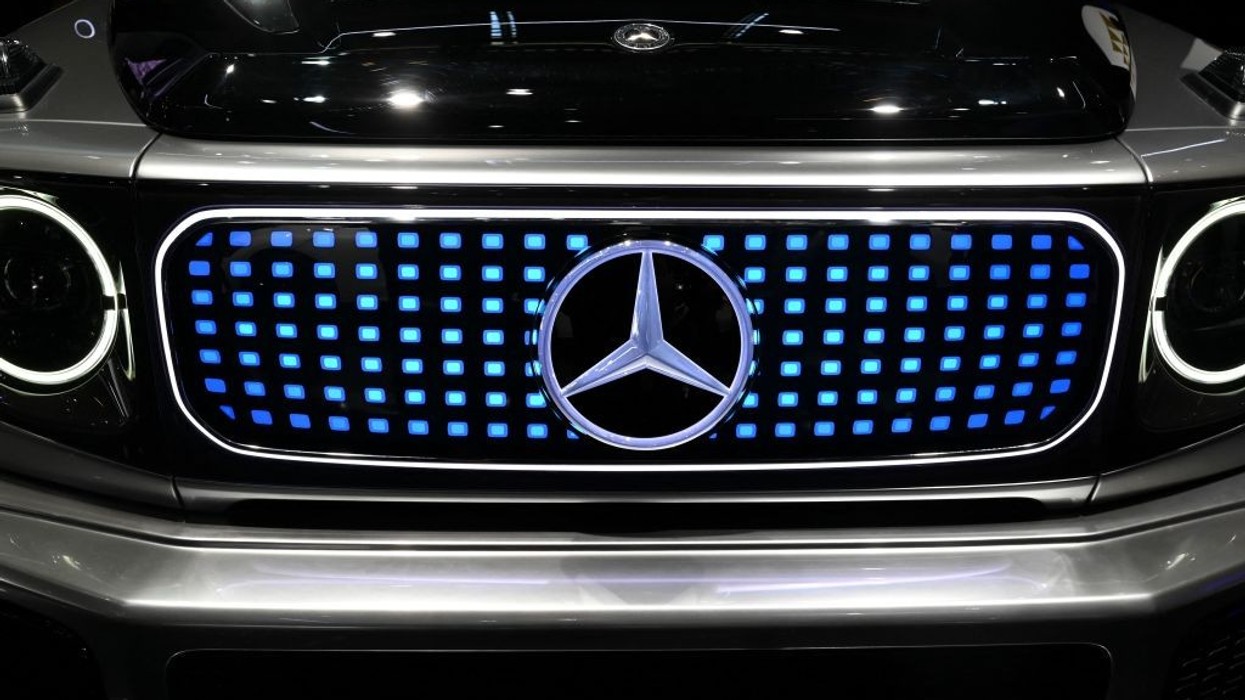

- Mercedes-Benz now expects an adjusted return on sales of 2 to 3 per cent in its cars division, down from its previous forecast of 3 to 5 per cent
- The company will relaunch its voluntary severance programme for support staff in Germany from December
- The carmaker plans to introduce more than 40 new models between 2025 and 2027 as it seeks to strengthen demand and competitiveness
Mercedes-Benz has lowered its 2026 profit outlook and announced a fresh round of voluntary staff buyouts in Germany as worsening conditions in China and higher costs put pressure on the luxury carmaker.
The company now expects an adjusted return on sales of 2 to 3 per cent in its cars division, compared with its previous forecast of 3 to 5 per cent. Group earnings before interest and tax (EBIT) are expected to remain around last year’s level of €5.82 billion, rather than rise significantly as previously anticipated.
Chief executive Ola Källenius said market conditions had become more challenging over the year, particularly in China, where domestic manufacturers are intensifying competition through new models and aggressive pricing.
“With more product launches ahead and AI changing the way we work, we are focused on building a faster, more efficient and even more competitive Mercedes-Benz,” he said.
Western carmakers have faced growing pressure in China as local manufacturers expand their electric vehicle offerings and compete on price. The slowdown has made it harder for international brands to maintain sales volumes and profit margins in one of the world’s largest car markets.
Mercedes-Benz said cost discipline, alongside contributions from its vans and financial services divisions, had helped offset some of the pressure.
Staff buyouts return as cost-cutting intensifies
The company will restart its voluntary severance programme for employees in indirect functions in Germany from December. These roles include support and administrative functions outside direct production.
Mercedes-Benz has not disclosed how many employees the latest programme is expected to affect. The move follows a previous voluntary departure scheme and forms part of a broader effort to reduce fixed costs and improve productivity, particularly at German sites.
The carmaker is also looking to lower energy bills, increase automation and reduce logistics expenses. It has been considering ways to shift some production towards lower-cost countries, including Hungary, as it seeks to make its operations more competitive.
Artificial intelligence is another part of the strategy, with the company seeking to improve speed and efficiency across research and development, manufacturing, sales and administration.
The latest outlook revision comes despite signs of progress in some areas. Mercedes-Benz reported preliminary third-quarter EBIT of €1.77bn, up from €750 million a year earlier. However, revenue fell 4.5 per cent to €30.7bn, while the adjusted return on sales for its cars division declined to 2.5 per cent from 4.8 per cent.
The company is also relying on its product pipeline to support future growth. It plans to launch more than 40 new models between 2025 and 2027 and said demand for its latest electric vehicles remained strong, with order books for key models in Europe extending well into 2027.
For Mercedes-Benz, the challenge is to balance investment in new vehicles and technology with a leaner cost base as competition intensifies. The renewed severance programme signals that further restructuring remains central to that effort.





















 Apple Watch SE Amazon
 Samsung Galaxy Watch Amazon
 Garmin Forerunner Amazon
 Amazfit Active Amazon
 Fitbit Inspire Amazon
 Noise ColorFit Smartwatch Amazon
 boAt Wave Smartwatch Amazon
 Fire-Boltt Smartwatch Amazon
 Redmi Watch Amazon
 CMF Watch Pro Amazon



 AmazonLogitech Wireless Keyboard



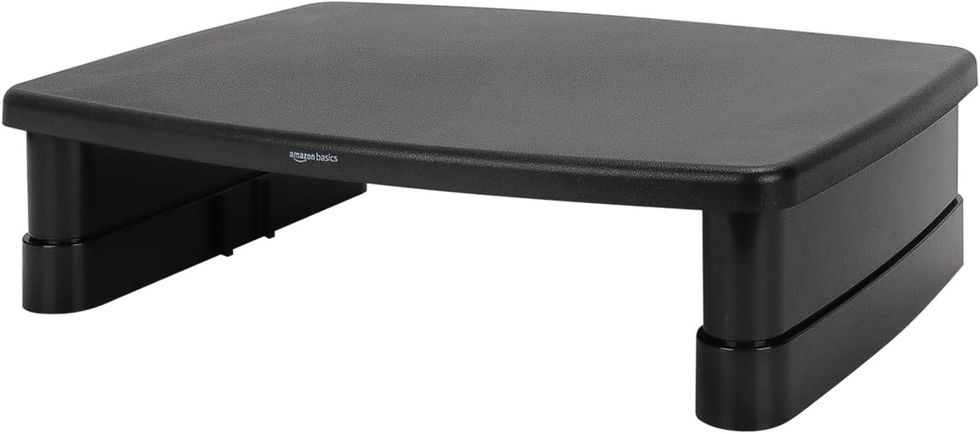
 Portronics Adjustable Laptop Stand Amazon
 Logitech Wireless Keyboard Amazon
 Logitech Wireless Keyboard Amazon
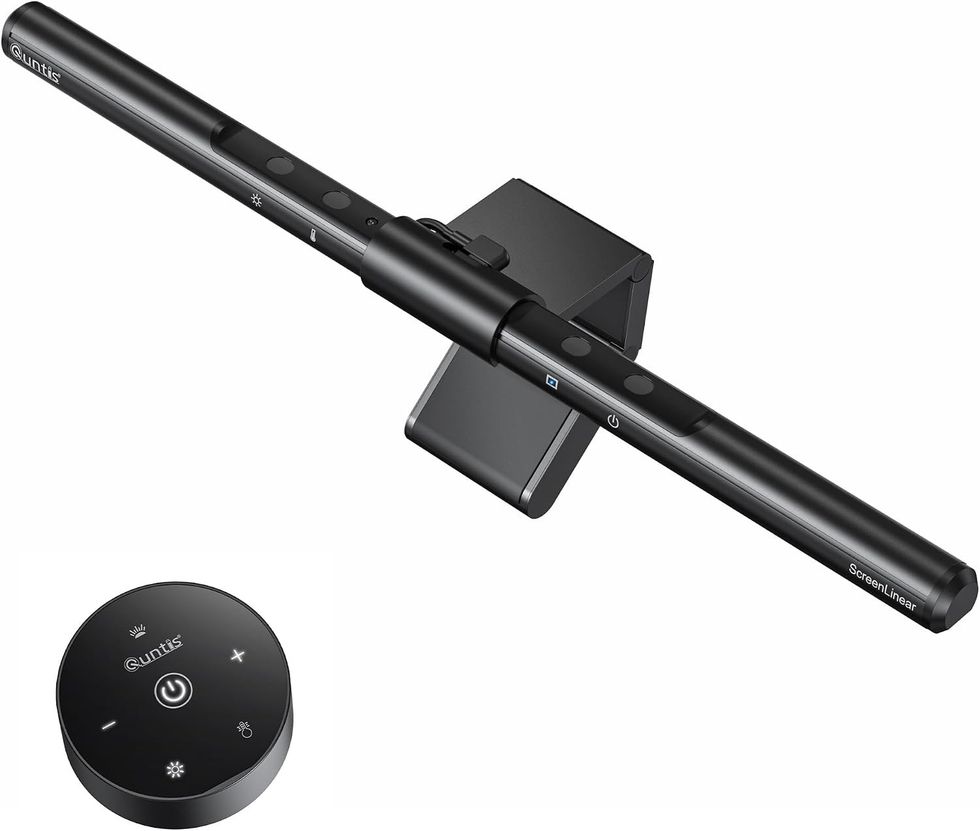
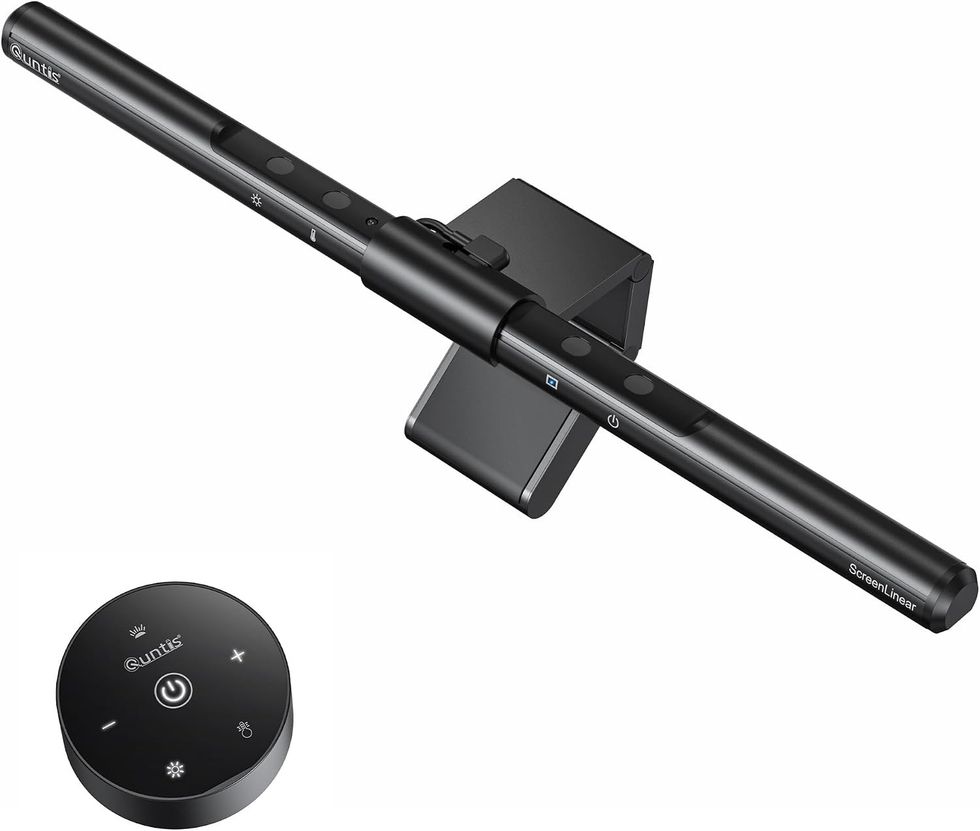 Zebronics Monitor Light Bar
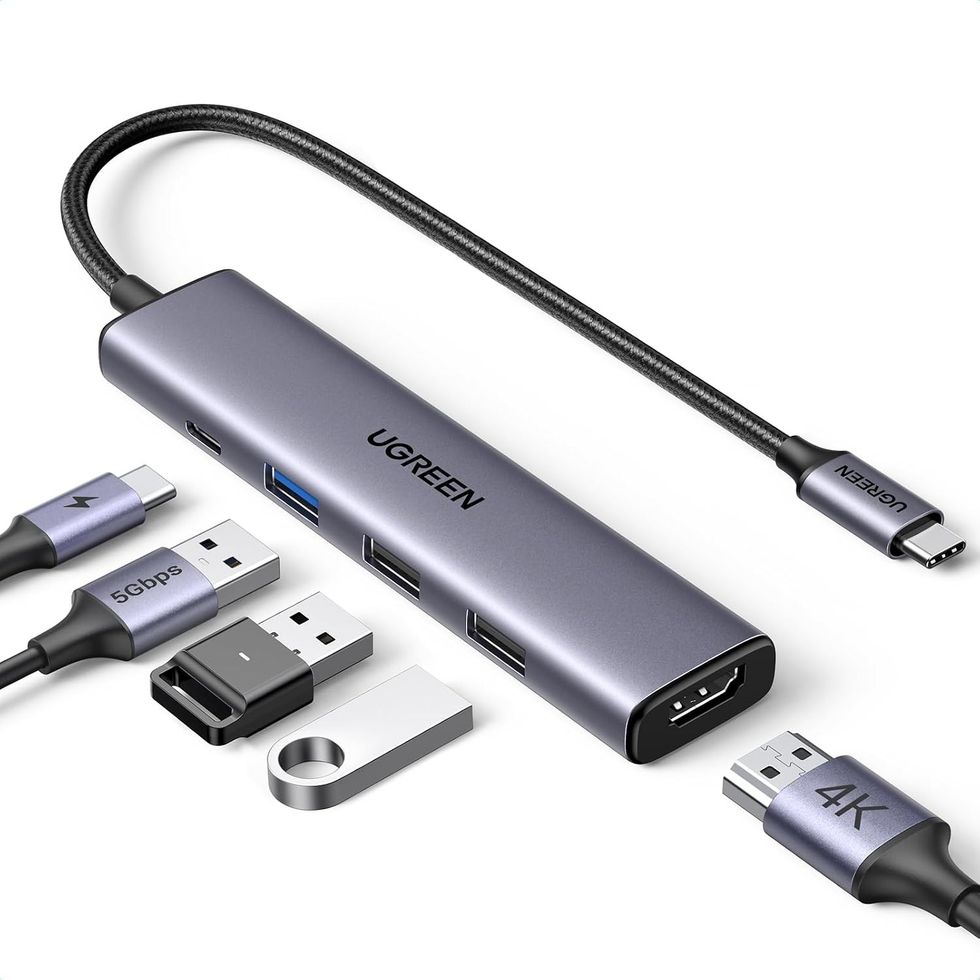
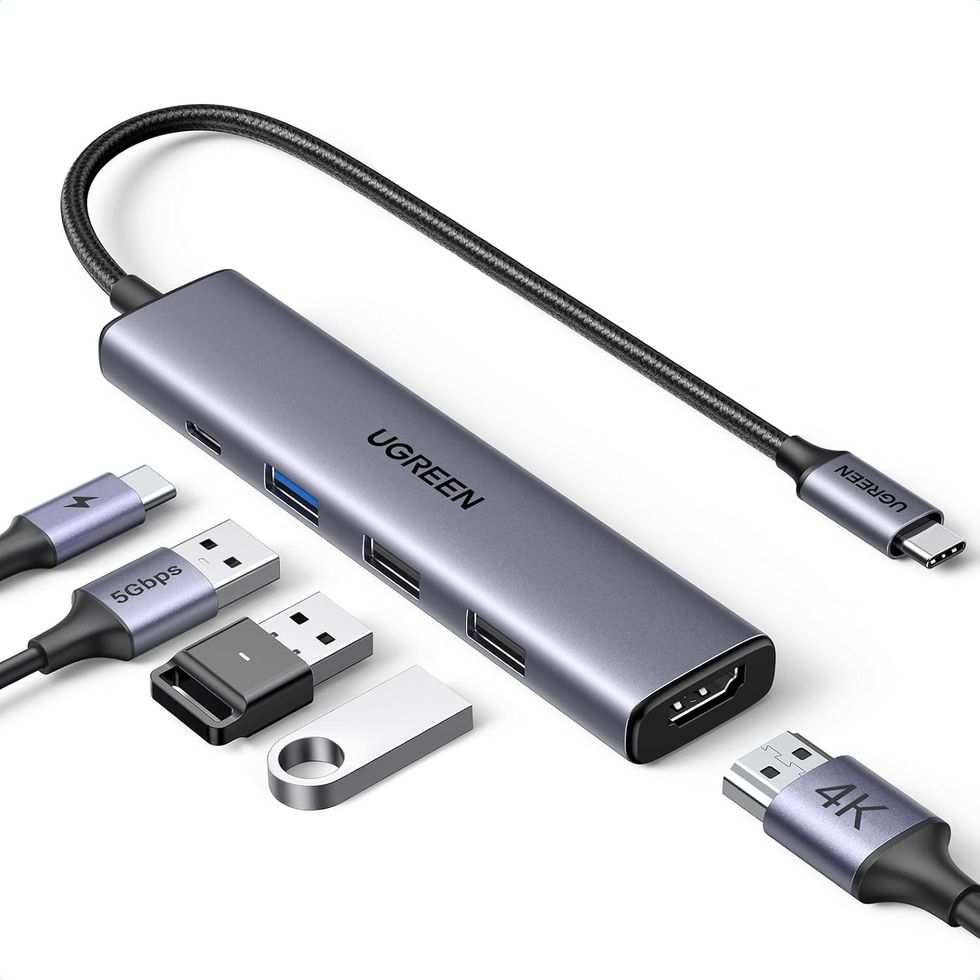 USB-C Multiport Hub Amazon
 Ergonomic Mouse Pad Amazon