
- The investor group has offered $7.35 a share in cash, a premium of about 20 per cent to Wendy’s closing price on Tuesday
- Wendy’s shares rose around 15 per cent after the proposal was disclosed
- Trian and its affiliates already hold a 16.3 per cent stake in the burger chain
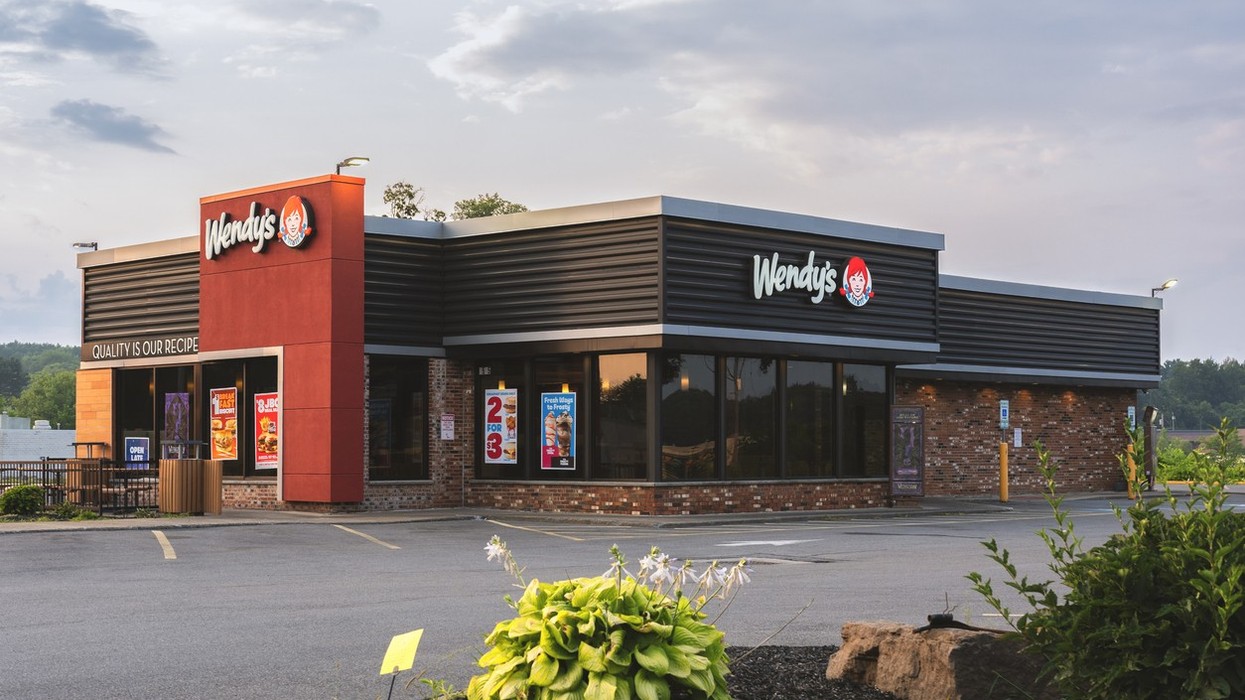
Wendy’s has received a $1.4 billion offer from a group of investors led by Nelson Peltz’s Trian Fund Management to take the US fast-food chain private, as the company struggles to reverse falling sales and a prolonged decline in its share price.
The consortium has offered $7.35 a share in cash, representing a premium of about 20 per cent to Wendy’s closing price on Tuesday, according to a regulatory filing. The proposal sent the company’s shares up around 15 per cent in morning trading.
Alongside Trian, the group includes investment firms BlueFive Capital and Sixth Street Partners, as well as Flynn Group, one of Wendy’s largest franchisees. The offer would take the burger chain out of public markets and give the investors greater scope to pursue a turnaround away from quarterly reporting pressures.
Trian and its affiliated parties already own 16.3 per cent of Wendy’s, making them the company’s largest shareholder. Peltz has maintained a relationship with the brand for nearly two decades and previously explored a takeover before deciding against proceeding.
Wendy’s did not immediately respond to requests for comment, while Trian declined to comment beyond the regulatory filing.
Sales pressure drives takeover bid
The proposal comes after a difficult period for Wendy’s. Its shares have fallen about 65 per cent over the past two years, including the gains following the latest offer. The company has also reported six consecutive quarters of declining same-store sales as cost-conscious consumers reduce spending on eating out.
The chain and its competitors have relied on discounts and promotions to attract customers, but Wendy’s has faced questions about the consistency of its value offerings and the execution of its turnaround strategy.
Bob Wright became chief executive in May after previously leading sandwich chain Potbelly. In his first earnings call with analysts in August, he pointed to unclear value propositions, inconsistent restaurant execution and an excessive reliance on one-off promotions as challenges for the business.
Wendy’s withdrew its annual forecasts in August, with Wright acknowledging that the company was not performing to its potential.
The proposed deal also comes against a difficult financial backdrop. Wendy’s had around $2.4bn in net debt as of June 28, according to the regulatory disclosures cited by Reuters. The investor group argued that the business needs significant capital investment to reduce debt and implement the changes required to improve performance.
In a letter to Wendy’s board, Peltz and Flynn Group chief executive Greg Flynn said private ownership would provide the patient, long-term capital needed to restore the business and its franchise system.
TD Cowen analysts said taking Wendy’s private could make sense because the turnaround was likely to be prolonged, given pressure on lower-income consumers and weakness across the quick-service burger market.
Wendy’s is scheduled to report its third-quarter results on November 5. The company’s board will need to consider the proposal, and there is no guarantee that a transaction will be agreed.
For Peltz, the bid represents a renewed attempt to reshape a business in which he has been a major shareholder for years. Whether private ownership can deliver a sustained recovery will depend on the terms of any deal and the group’s ability to address weakening sales, debt and franchise performance.