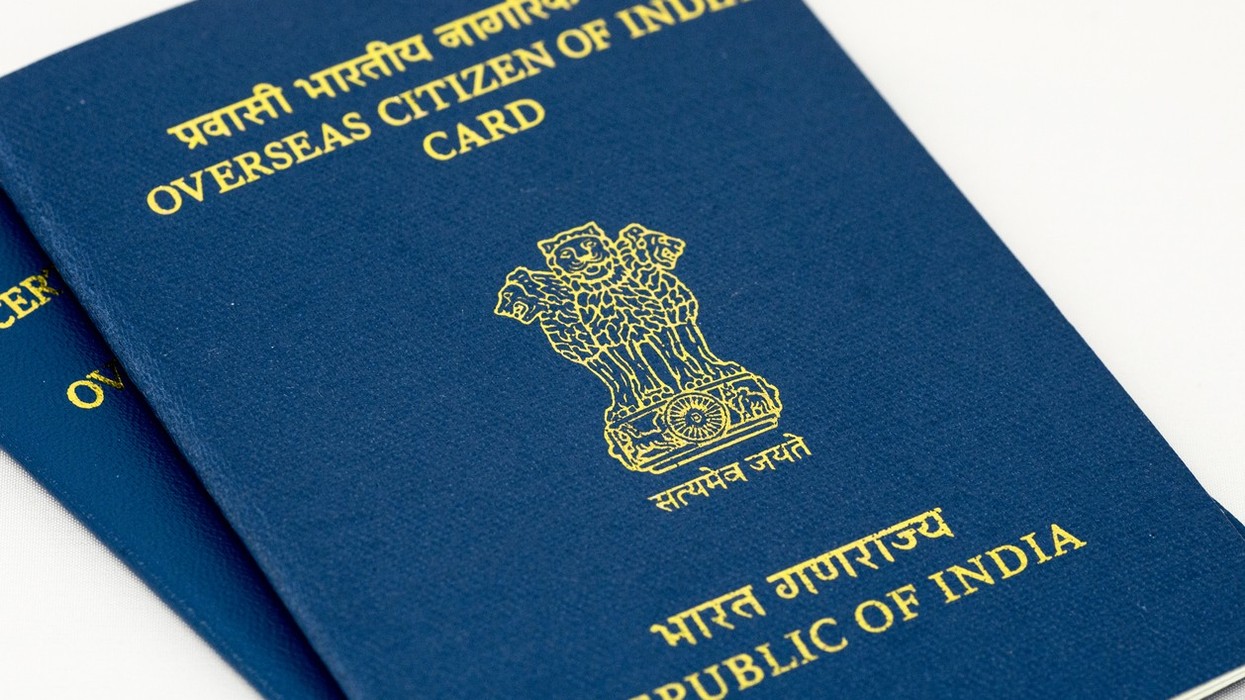

- OCI processes will now be fully online.
- New rules clarify passport restrictions for minors.
- Renunciation and cancellation are digitized.
- Clearer system for review and appeals introduced.
- Biometric data to support fast-track immigration programs.
The Government of India has introduced new amendments to its citizenship rules. These changes mainly affect Overseas Citizen of India (OCI) cardholders. The goal is to create a more organized and digital system.
The new rules are designed to streamline processes. They aim to reduce paperwork and clarify procedures. This includes processes like registration, renunciation, and cancellation of OCI status. Some practices that were already being followed have now been officially included in the rules.
The changes also reflect a larger push by the government toward digital systems. Most processes will now be handled online. Electronic record-keeping will support these changes. The updates are expected to make things simpler for applicants and improve how the system is managed.
One of the most important changes is the move to a fully digital OCI system. Earlier, people had to deal with both online and physical paperwork. This often included submitting documents in multiple formats.
Now, applications will be handled completely online. The Ministry of Home Affairs explained this in its notification. It said, “an application for registration as an Overseas Citizen of India cardholder… shall be made… electronically on the designated online portal," and added that registrations may be issued either as a physical card or as an electronic OCI (e-OCI), with records maintained in electronic form.
This change removes the need for duplicate paperwork. It also makes the process faster and more efficient.
Another important update is about minors holding passports. Earlier, this rule was followed in practice but was not clearly written in the law.
The new rules now clearly state the restriction. The notification says, “the applicant… shall note that the minor child cannot at any time hold the passport of any other country while also holding an Indian passport," formally embedding this rule into the Citizenship Rules.
This provides clarity and removes confusion for applicants.
The process for renouncing OCI status has also been updated. In the past, this process involved manual steps and paperwork. Now, it will be handled online.
The notification explains, “a declaration of renunciation… shall be made… electronically on the designated online portal," and adds that if a person has a physical OCI card, it must be returned to the concerned authority.
After this, an electronic acknowledgement will be issued. The person’s name will be removed from official records. The rules also state that cancelled OCI cards must be returned or they will be treated as cancelled.
These changes make the process more structured and easier to follow.
The amendments also introduce a clearer system for review and appeals. While such provisions existed earlier, they were not well defined.
The new rules clearly assign responsibility to higher authorities. The notification states, “the application shall be disposed of by an authority one rank higher," and explains that decisions will be made only after giving the person a fair chance to present their case.
This ensures more transparency and fairness in decision-making.
Another new feature is the use of biometric data. Applicants will now be asked to give consent for their biometric information to be used in the future.
This data may be used for immigration programs. The notification states that the data can be used for “registration under the Fast Track Immigration Programme… or for automatic registration" under such programs later.
This step is expected to make travel and immigration processes faster for OCI cardholders.
Overall, these changes show the government’s effort to modernize the OCI system. By moving processes online and defining rules more clearly, the new framework aims to reduce confusion and improve efficiency.
At the same time, the amendments also strengthen administrative control. They introduce better tracking, clearer procedures, and improved safeguards.
For OCI cardholders, these updates are expected to make interactions with the system simpler. The shift to digital platforms and electronic records will reduce delays and make processes more convenient.










 Army personnel stand amid the rubble following an explosion inside the police headquarters at Kohat in Pakistan's Khyber Pakhtunkhwa province on September 18, 2026. An explosion at a historic police headquarters in northern Pakistan on September 18 killed at least eight people and wounded 35 more, officials said, with the country's president swiftly blaming a militant group. Getty Images
 Mourners read the holy Quran while sitting around the grave of a paramilitary personnel of the Frontier Corps (FC) who was killed during the Afghanistan-Pakistan border clashes, in Kohat on October 17, 2025. A ceasefire along the frontier between Afghanistan and Pakistan was holding on October 16, officials on both sides said, after dozens of troops and civilians were killed in cross-border clashes.Getty Images