- L1 visa upgrade triggered mandatory one-year exit rule
- Family faced repeated uncertainty with short visa extensions
- Career and travel restrictions limited stability and growth
- Father’s Covid illness exposed emotional cost of visa limits
- Family returned to India after years of stress
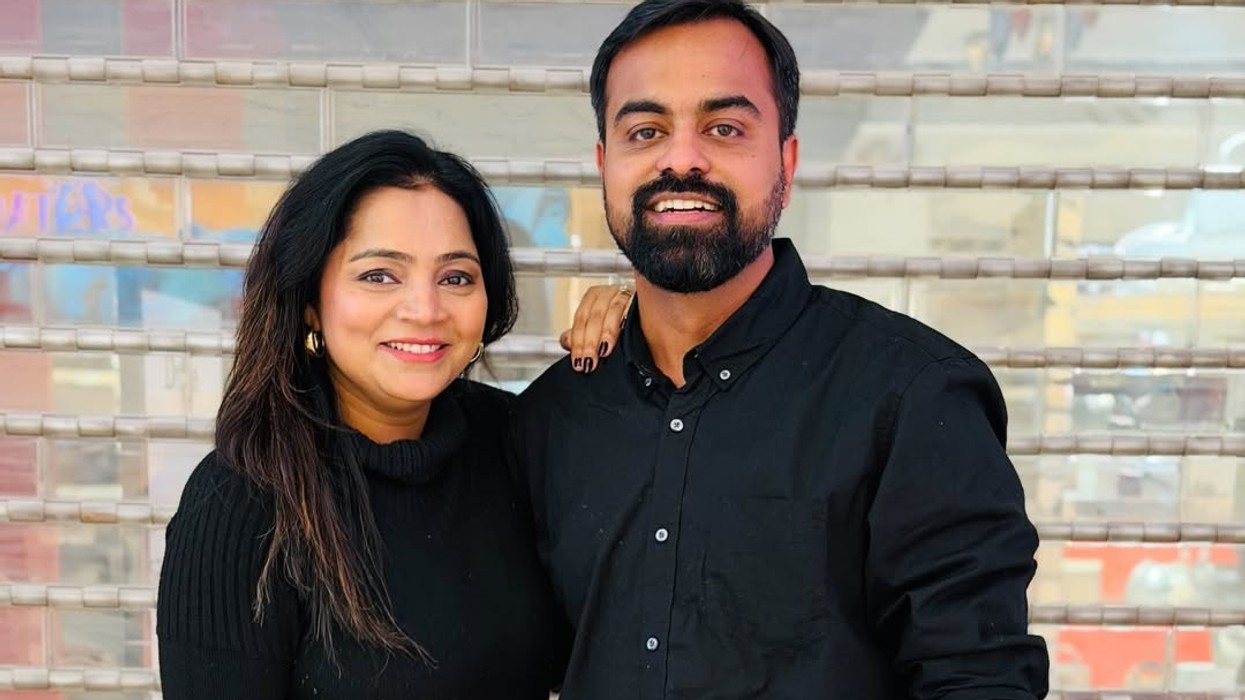
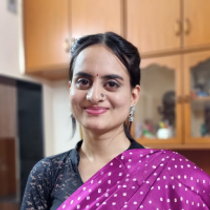
An Indian with an American dream, Juhi Nigam once believed life in the United States would bring stability and opportunity. Instead, she found herself caught in years of visa rules, uncertainty, and emotional strain that slowly changed her life and her family’s future.
Her husband worked in the US on an L1 visa while she stayed with him on an L2 dependent visa. Things changed when his promotion upgraded his status from L1B to L1A. That promotion came with an unexpected rule: a mandatory one-year 'cool-off' period outside the United States.
"We tried all of our possible options, but there was no way we could escape that," Juhi said.
At the same time, their visas were only extended in short two-year cycles. That made long-term planning almost impossible. "We could never buy a house because of the unpredictability of the future," she said. "All of this was mentally so taxing. The pressure of not having a permanent home, a permanent location, it was adding up to our stress levels daily."
Her career also felt frozen. On an L2 visa, job flexibility was limited, and travel restrictions made things harder. She stayed in the same company for years because changing jobs was not realistic under her visa situation.
The most painful moment came during India’s second wave of COVID-19. Her father tested positive, but she could not leave the country because her visa extension was still pending.
"I could not travel because of this extension thing. That particular incident ingrained sleepless nights in my head, and it took me two years to come out of that."
Over time, the emotional strain grew. Life in the US became a cycle of rules, renewals, and waiting. Even small decisions felt uncertain. Eventually, the family decided to return to India for good. Back home, life brought both comfort and challenge. Being close to family again gave her strength, but daily life felt different from what she had known before.
"The only and only reason that I am able to survive here in India is my family," she said. Her son now spends time with grandparents and cousins, something she deeply values. But adjusting back to India has not been easy. Air quality, limited outdoor spaces, and long work hours have created new struggles.
"In terms of infrastructure, my son was very used to visiting the parks and doing a bunch of outdoor activities. From the moment we landed, I was on the lookout for good parks around my area, but to my surprise, as someone living in South Delhi, the community parks or government parks were so bad, so bad that we had no parks to take him outdoors," she said.
Even so, she reflects on her journey with honesty. The experience abroad changed her identity and outlook in ways she did not expect.
"Staying abroad will change you as a person altogether," she said. "There is no good or bad, but the version of yourself you see in India is going to be completely different from the version of yourself you will have a few years later. Be prepared, it’s going to be an exciting journey, but make yourself really, really mentally strong to go through so many things. There will be a lot of good and bad family-related stuff that you will miss, and you need to be prepared for it.”
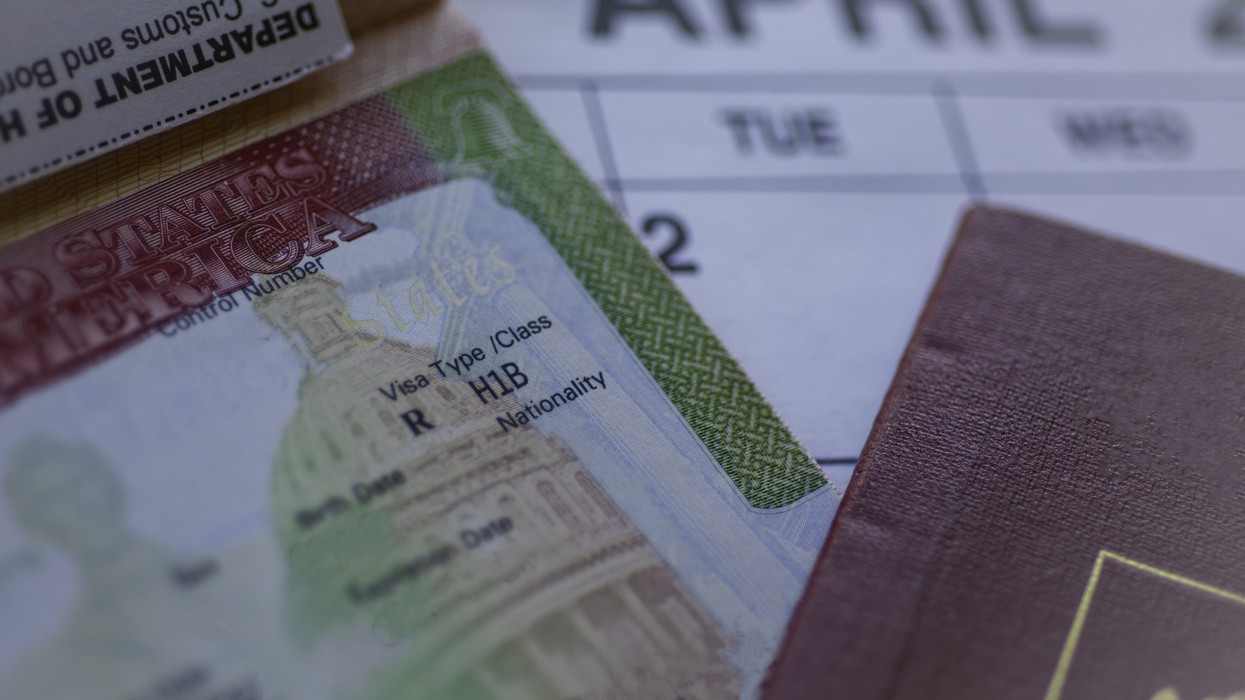
The "cool-off" period in the US is a rule that requires certain foreign workers on H-1B or L-1 visas to leave the country for a continuous 12 months after reaching their maximum allowed stay before they can restart a new visa cycle.
For H-1B visa holders, the usual limit is six years of stay in the US Extensions beyond this period are only possible if the worker has an approved or pending green card application. If they reach the six-year limit without qualifying for an extension, they must exit the US for one full year.
This 12-month “cool-off” period means the person must remain outside the U.S. for 365 consecutive days. After that, they may apply again for a fresh H-1B visa, which resets their six-year clock.
There are exceptions. If a worker has an approved I-140 immigrant petition, they may be able to extend their stay without leaving the country, usually in one- or three-year increments.
Indian nationals are affected the most because they receive the majority of H-1B visas, making up about 70 per cent of approvals in recent years.