
Highlights:
- Iran has lost $4.8 billion in oil revenue since April 13 due to the US blockade
- 31 tankers carrying 53 million barrels of crude remain stranded in the Gulf of Oman
- Over 40 vessels have been redirected, and two ships have been seized
- Iran may run out of storage within weeks, risking a shutdown of oil production
- Both the US and Iran are using maritime chokepoints as economic weapons
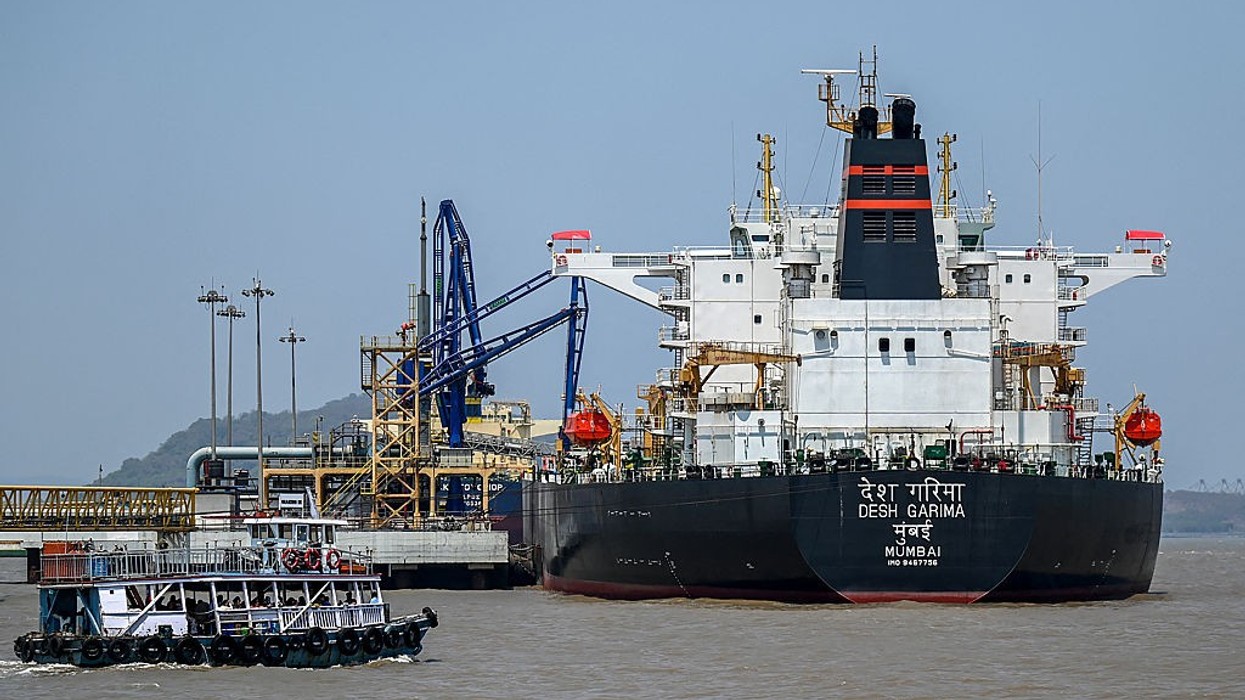
The ongoing tussle between Iran and the US has cost Tehran a lot. Iran has lost an estimated $4.8 billion in oil revenue since April 13, as a United States naval blockade continues to restrict the country’s ability to export crude. According to a report, 31 tankers carrying approximately 53 million barrels of Iranian oil are currently stranded in the Gulf of Oman, unable to move due to US enforcement measures.
The blockade, ordered by the Trump administration, is being used as leverage in ongoing ceasefire negotiations. Pentagon officials stated that more than 40 vessels attempting to transport Iranian oil and other cargo have been redirected, while two ships have been seized outright.
The situation has created significant logistical and economic strain for Tehran. With onshore storage facilities nearing full capacity, Iran has resorted to using aging tankers as floating storage units. This temporary solution may delay immediate disruptions but does not resolve the underlying issue. Analysts warn that the country could run out of storage space within weeks.
Gregory Brew of the Eurasia Group noted that Iran is “several weeks, or perhaps as much as a month, away from running out of storage.” If storage capacity is exhausted, oil production may have to be halted entirely, further compounding economic losses.
Some Iranian vessels have attempted to bypass the blockade through alternative routes. These include longer and more expensive journeys along the coastlines of Pakistan and India before reaching the Malacca Strait, where oil is typically transferred to ships bound for China. However, such detours increase costs and risks for operators.
TankerTrackers co-founder Samir Madani highlighted the use of certain large tankers as models for evasion strategies. He suggested that Iran may eventually attempt a coordinated effort to move multiple ships at once, either by building up storage near the Pakistan border or executing a mass overnight transit.
The current standoff escalated after Iran closed the Strait of Hormuz, effectively trapping westbound commercial shipping. In response, the United States blockaded the western entrance to the Gulf of Oman, cutting off Iran’s export routes. Both sides are now using key maritime chokepoints as tools of economic pressure.
The Pentagon has described the situation as entering a “cold war phase” of the conflict, with economic tactics replacing direct military confrontation. Acting Pentagon press secretary Joel Valdez stated that the blockade is achieving its intended outcome, calling it “the decisive impact we intended.” He added that it is “inflicting a devastating blow to the Iranian regime's ability to fund terrorism and regional destabilisation.”
As the blockade continues, the economic impact on Iran is expected to deepen, particularly if storage limits are reached and oil production is forced to shut down.


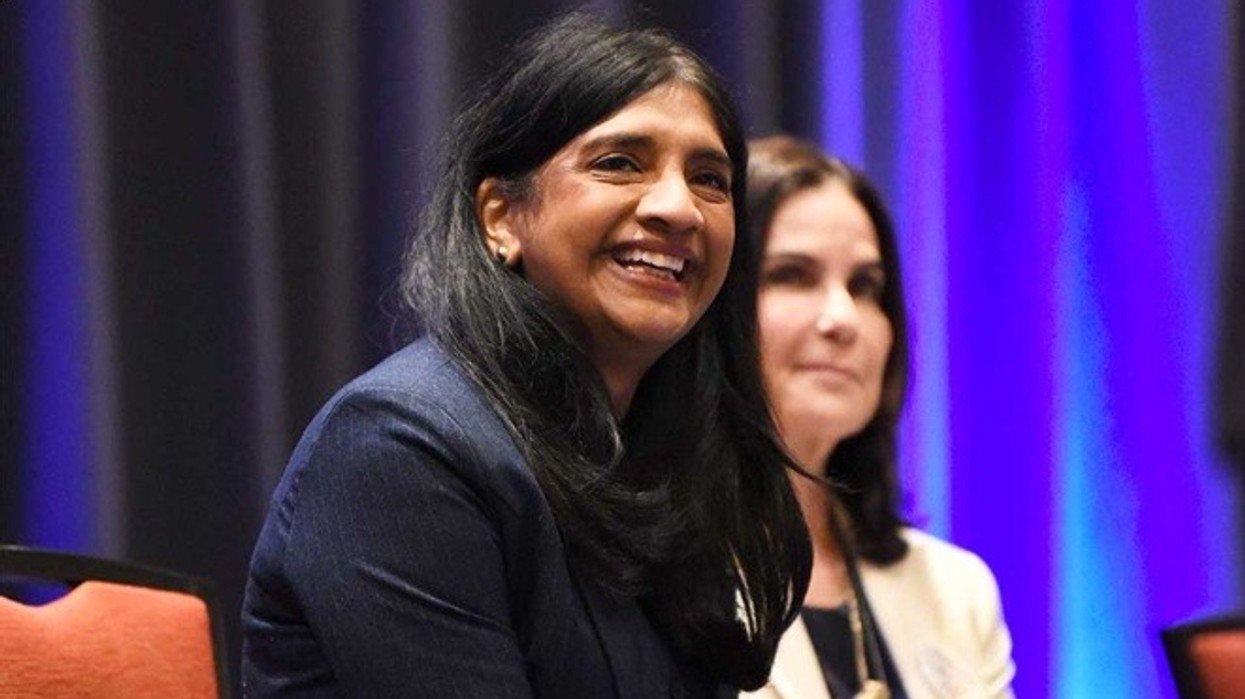
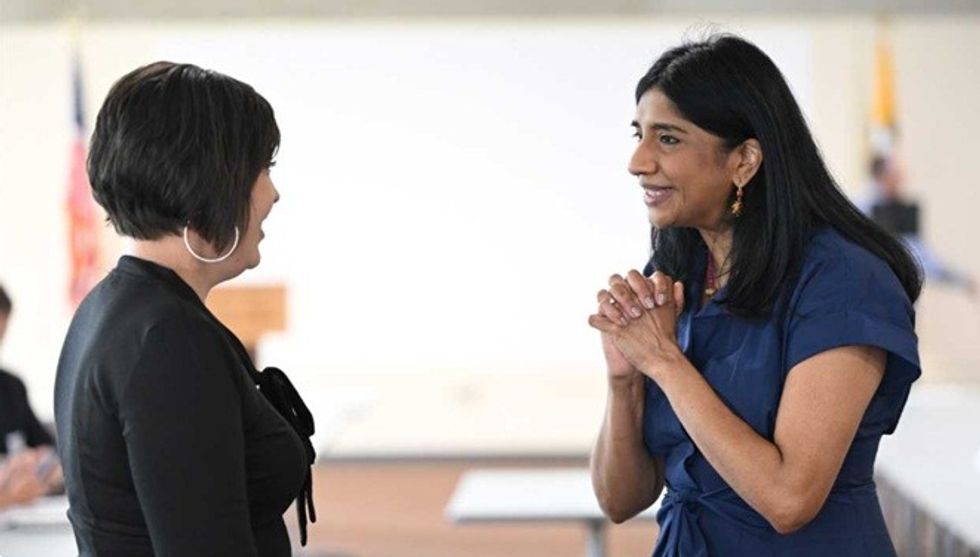 Her journey reflects the transformation of the Indian American and broader south Asian community in the US.LG Miller
 Lt Gov Miller represented District 15 through January 2019 and later served on the Maryland State Ethics Commission from 2019 to 2021. Lt Gov Aruna Miller
 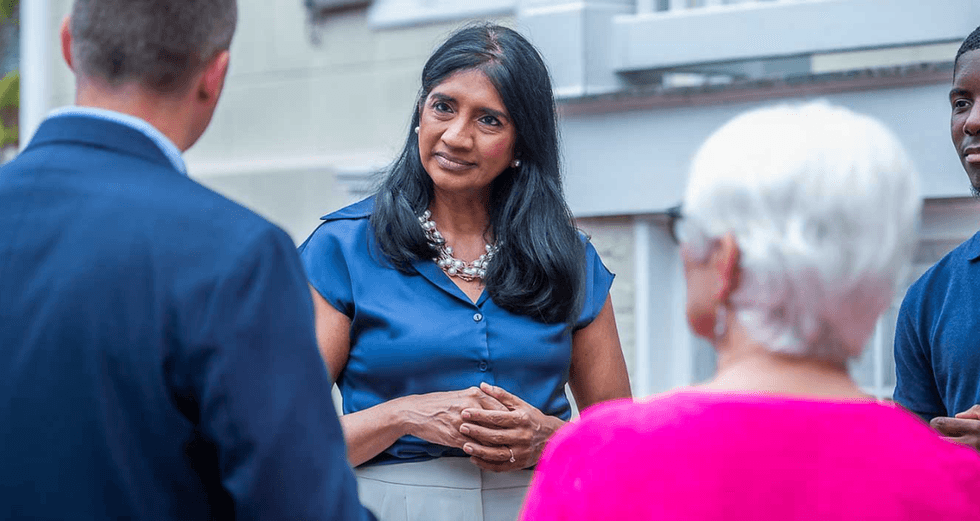 Miller is now seeking a second term alongside Gov. Wes Moore.LG Miller






 A visitor holds a baby at the Empty Sky 9/11 Memorial with One World Trade Center and Lower Manhattan in the distance on August 23, 2026 in Jersey City, New Jersey.Getty
 American flags and flowers line the memorial pool at the National September 11 Memorial to mark the 22nd anniversary of the 9/11 terror attack at the World Trade Center on September 11, 2023 in New York.Getty
 Balbir Singh Sodhi, a Sikh immigrant from India, was shot and killed outside the gas station he owned in Mesa, Arizona. .
 Muslim men pray during a Day of Remembrance open house at the Islamic Cultural Center of New York September 11, 2002 in New York City. Getty