
Highlights:
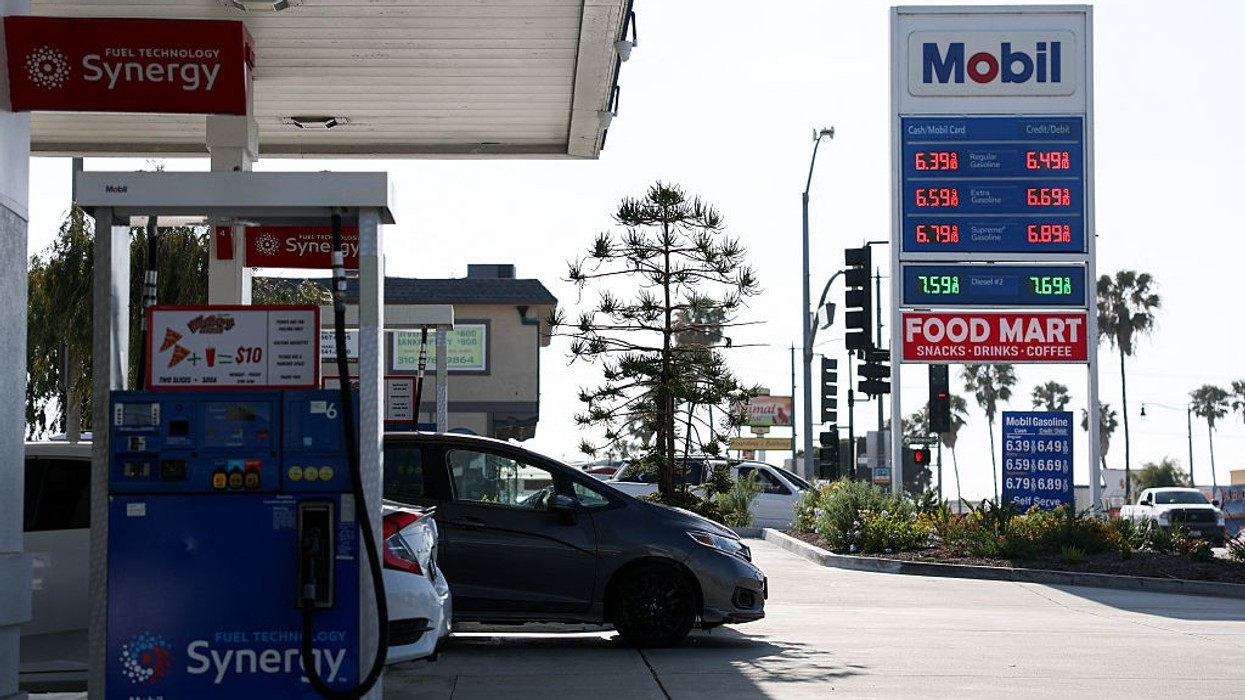
- Gas prices in California have surged past $6 per gallon amid Middle East tensions
- Drivers report paying up to $130 per tank, about $30 more than before the conflict
- The Strait of Hormuz blockade has disrupted global oil supply and raised costs
- Residents fear a domino effect on everyday goods like food and clothing
- Rising fuel prices are forcing some, especially seniors, to cut back and seek aid
The numbers on the gas pump keep climbing, and for many Californians, so does the frustration. Across Los Angeles, drivers are watching their budgets stretch thinner as fuel prices spike to levels not seen in years, driven by global conflict and tightening oil supplies. What was once a routine stop at the gas station has become a moment of anxiety, anger, and reflection on decisions far beyond their control.
Sticker shock at the pump
At a gas station in Los Angeles, Ryder Thomas stood beside his pickup truck, visibly frustrated as the total on the pump surged to $130 for a full tank, about $30 more than he had been paying just weeks earlier. The sharp increase has turned everyday refueling into a painful financial hit for many drivers.
"I'm mad about the price, but I'm even madder about why it's so high," the 28-year-old said.
Across the United States, gas prices have climbed to their highest levels since early 2022, when Russia's invasion of Ukraine triggered a global surge in oil costs. Now, a new geopolitical crisis is having a similar effect. Hostilities in the Middle East, which began on February 28 when the United States and Israel launched strikes on Iran, have disrupted oil supply chains and driven crude prices upward.
For Thomas, the issue goes beyond economics, it is deeply political. Like many Americans, he questions the rationale behind the conflict and its consequences at home.
"There was absolutely no need for this war. It's just like when we invaded Iraq, there were no weapons of mass destruction," he said. "Trump is an idiot, that's all it is."
The war, initiated under president Donald Trump, has faced widespread public skepticism. Polls indicate that a majority of Americans disapprove of the conflict, with many saying its objectives remain unclear. Despite assurances from the administration that the military action was necessary to prevent Iran from developing nuclear weapons, and promises that the conflict would be brief, the situation has escalated.
Iran’s decision to block the Strait of Hormuz, a critical passageway for roughly 20 percent of the world’s oil and gas shipments, has compounded the crisis. The disruption has tightened global supply and pushed fuel prices higher, with California, already one of the most expensive states for gas, feeling the impact most acutely.
The domino effect on daily life
The consequences of rising fuel prices extend far beyond the gas station. In California, where prices have surged above $6 a gallon compared to about $4.50 before the conflict, the ripple effects are being felt across household budgets.
Thomas worries that the increase will trigger a chain reaction, driving up the cost of goods and services that rely on transportation. Groceries, clothing, and other essentials are all vulnerable to price hikes when fuel costs rise.
"I hope the middle-of-the-road voters who got Trump elected start thinking about it and realize what he's done to them," he said, reflecting on a campaign that had promised to lower costs for everyday Americans.
Not everyone sees the situation in the same light. At a nearby Costco gas station, where long lines of cars snake through the parking lot as drivers seek slightly lower prices, David Chavez offered a more measured perspective.
"It is not nice; we don't want to pay more for gas," said Chavez as he prepared to fill his minivan. But he cautioned against placing blame solely on the president. "We don't know everything that happens behind closed doors. It's too easy to blame one person for all the problems."
Chavez’s views reflect a broader divide among voters. A former Democrat, he said he supported Trump due to dissatisfaction with previous leadership, particularly on immigration and economic management. While he acknowledges disappointment with the current situation, he stops short of outright criticism.
He also pointed to other factors contributing to high prices, including the role of oil companies and California’s stringent environmental regulations, which can add to the cost of fuel in the state.
Hard choices and tighter budgets
For some residents, the impact of rising gas prices is immediate and deeply personal. In the same Costco line, a 73-year-old woman named Flo described how the increased cost of fuel has forced her to make difficult adjustments to her daily life.
"With gas this high, I go to the food bank now, more so than ever," she said. "I've had to cut back on driving too."
Living on a combination of a pension and part-time work, Flo brings in about $3,000 a month. Nearly half of that income goes toward rent, leaving little room to absorb additional expenses. The spike in gas prices has pushed her budget to the breaking point.
"I no longer know what or who to believe" about the reasons behind the price increases, she admitted. But the effects are undeniable.
"Life was already hard," she said quietly. "But now it's just harder."
Her experience underscores a broader reality facing many Californians, particularly those on fixed incomes or in lower-income brackets. As fuel costs rise, discretionary spending shrinks, and even basic necessities become harder to afford.
The lines at gas stations grow longer, the receipts grow higher, and the uncertainty lingers. For drivers across the state, the crisis is not just about geopolitics or energy markets, it is about the daily struggle to make ends meet in an increasingly expensive world.
As the conflict continues and global oil supplies remain constrained, there is little immediate relief in sight. For now, Californians are left to navigate the consequences, one tank at a time.