
- Gut health depends on trillions of bacteria in the digestive system.
- Probiotic foods add healthy bacteria to the gut.
- Prebiotic foods feed and support good bacteria.
- Fermented and fiber-rich foods are most beneficial.
- Healthy diets like Mediterranean support long-term gut health.
Gut health is becoming more important in discussions about overall health. The human gut contains trillions of bacteria. These bacteria play a big role in digestion and immunity. In fact, there are more bacteria in the gut than cells in the entire body. Some experts even call the gut microbiome a separate organ system. It affects not only digestion but also overall health.
Food has a direct impact on gut health. The balance of good and bad bacteria depends on what we eat. Healthy bacteria help protect the body from harmful germs. They may also lower the risk of diseases like diabetes and heart problems. Because of this, eating the right foods is very important.
 iStock
Yogurt is one of the most common probiotic foods. It contains live bacteria that support digestion and help fight harmful germs. Other fermented dairy foods like kefir and buttermilk also work similarly.
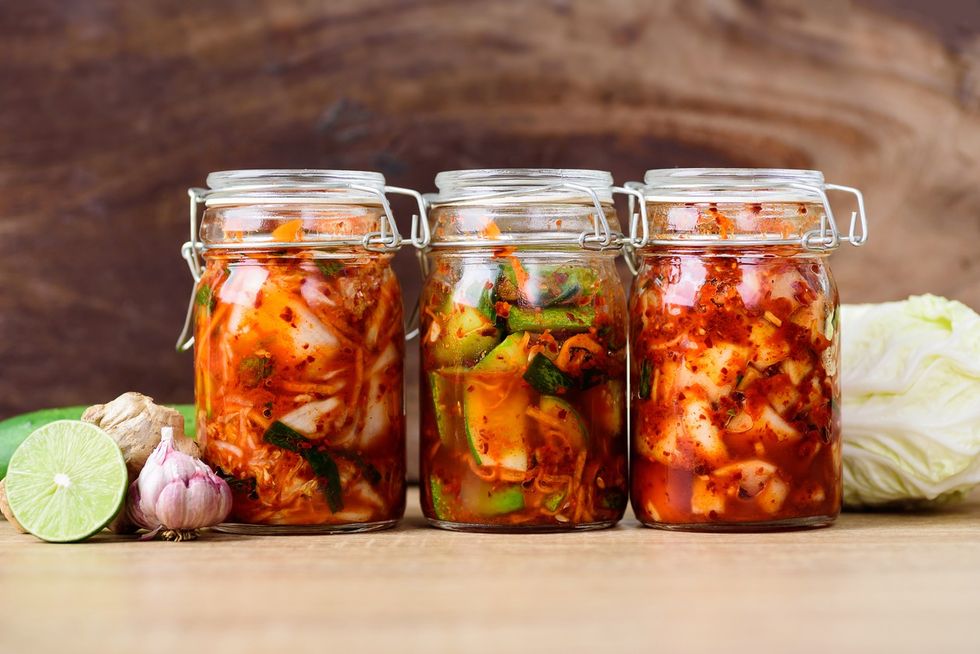
Fermented Vegetables
 iStock
Foods like kimchi, sauerkraut, and pickled vegetables are rich in probiotics. These foods naturally contain healthy bacteria that may improve digestion and lower disease risk.
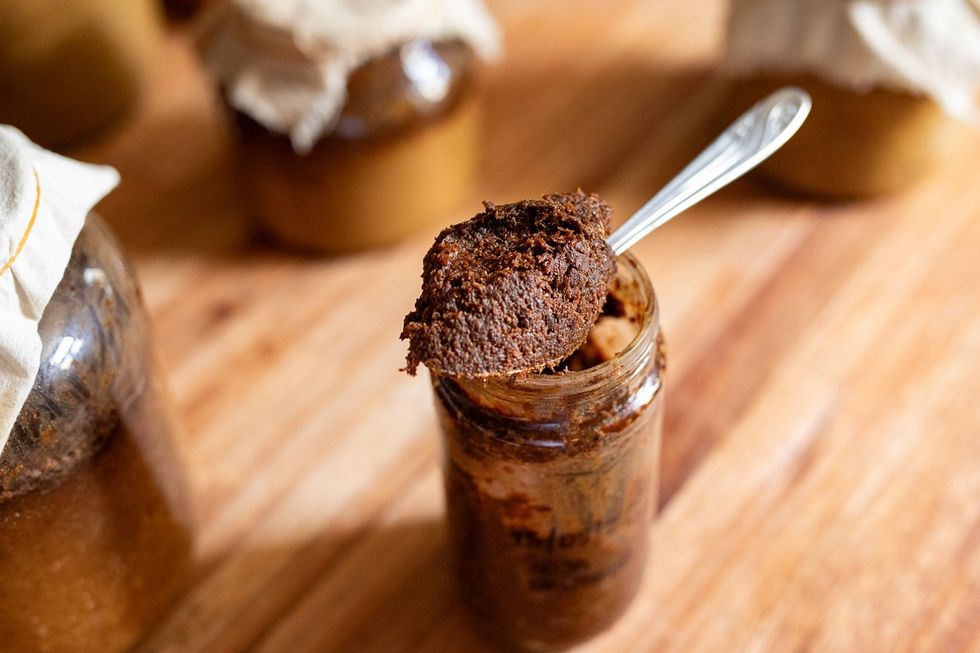
Miso
 iStock
Miso is a fermented soybean product used in soups and sauces. It provides beneficial bacteria that support gut health and is widely used in Japanese cooking.
Sourdough Bread
 iStock
Sourdough is made through fermentation. While baking kills most bacteria, it still leaves behind compounds that may support digestion and gut balance.
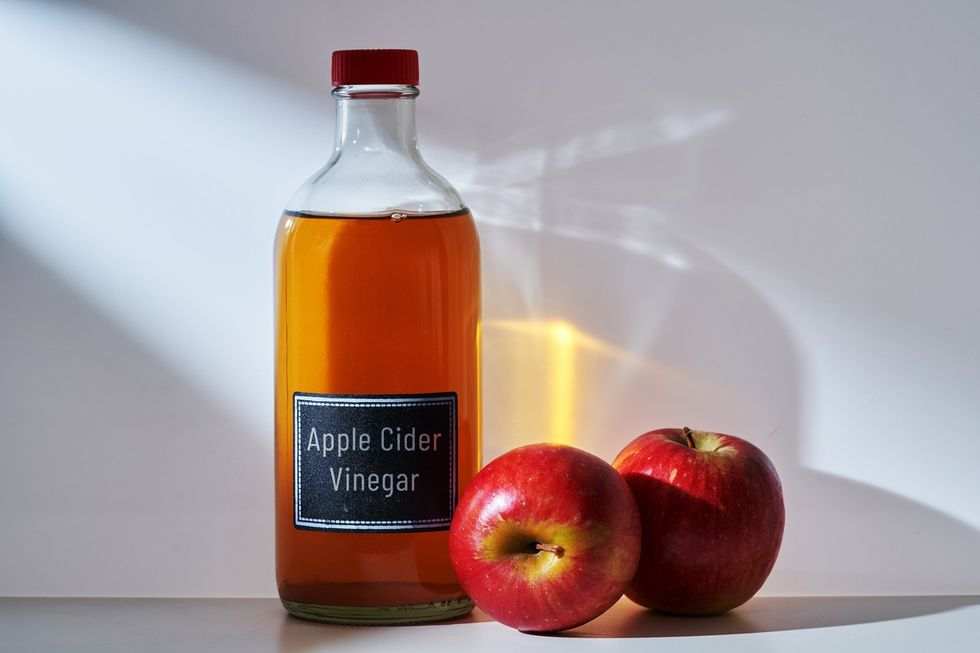
Apple Cider Vinegar
 iStock
Apple cider vinegar may help improve digestion and reduce bloating. It contains small amounts of both probiotic and prebiotic properties.
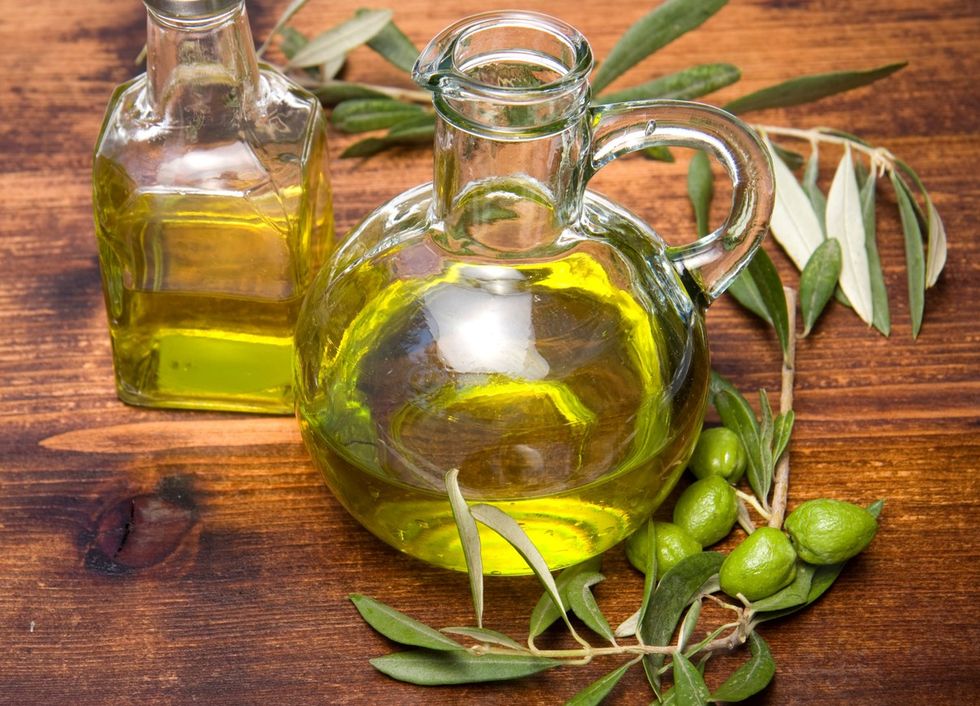
Extra-Virgin Olive Oil
 iStock
Olive oil supports gut health by increasing good bacteria and reducing harmful ones. It also helps reduce inflammation and supports the gut lining.
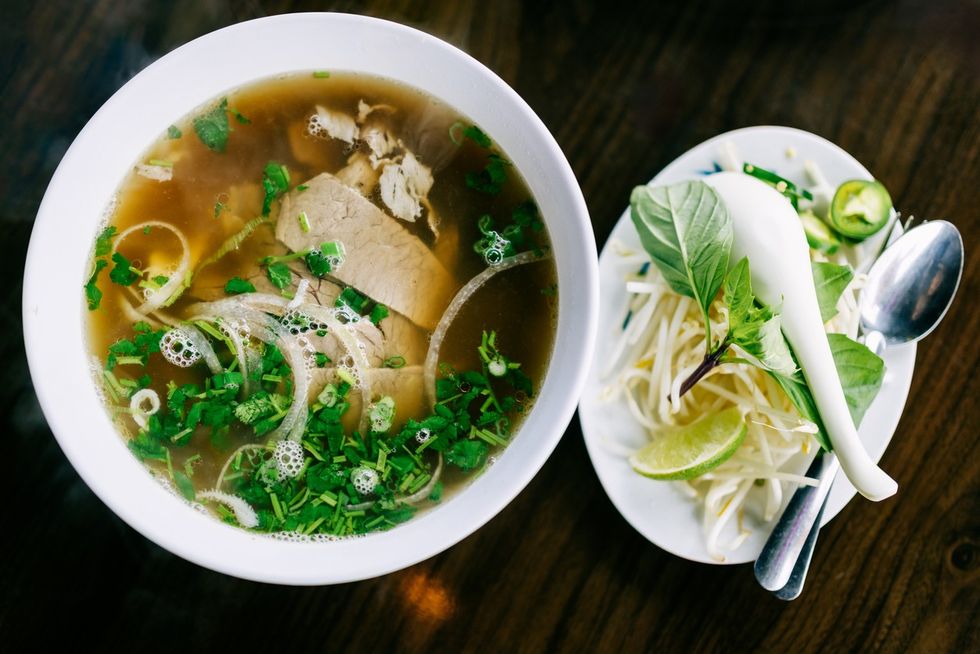
Bone Broth
 iStock
Bone broth contains amino acids and collagen that may help support the gut lining. Some experts believe it is easy to digest and may help reduce inflammation.
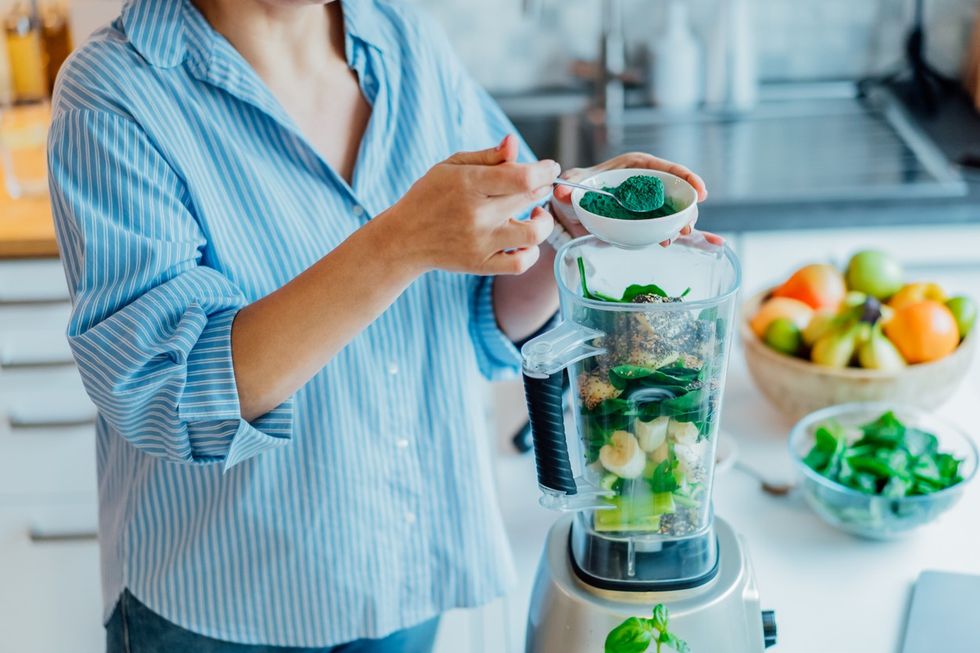
Spirulina
 iStock
Spirulina is a nutrient-rich algae often added to smoothies. It may support healthy gut bacteria and improve gut-brain connection.
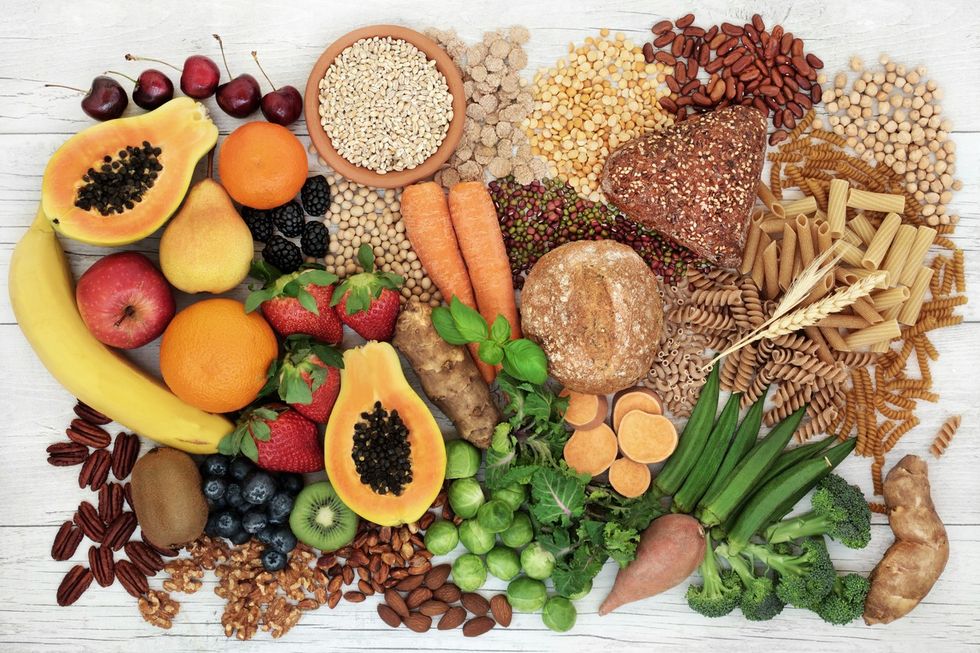
High-Fiber Foods
 iStock
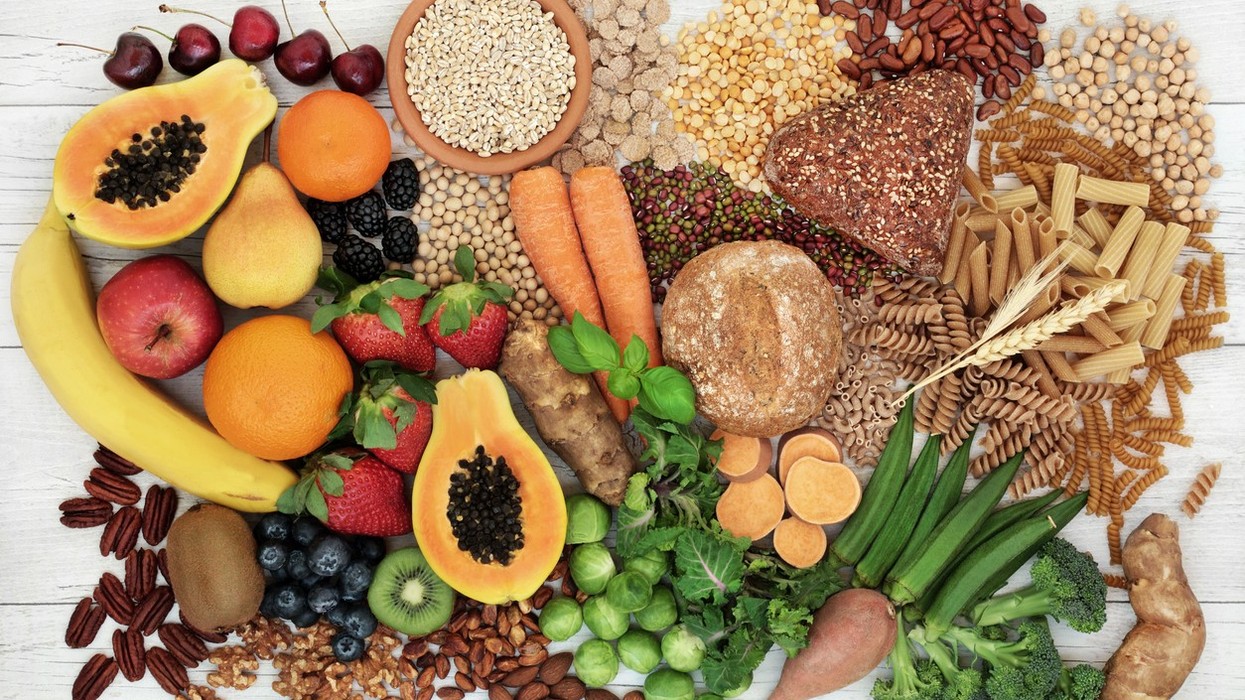
High-fiber foods act as prebiotics, feeding good gut bacteria. These include beans, fruits, vegetables, whole grains, nuts, and dried fruits.
This eating pattern includes olive oil, vegetables, whole grains, and legumes. It supports both gut and heart health over time. A plant-focused diet includes more fruits, vegetables, and plant proteins. It supports healthy digestion and may reduce disease risk. Some foods can negatively affect gut bacteria. These include processed foods, fried foods, refined grains, artificial sweeteners, and high-saturated-fat foods. Alcohol may also disrupt gut balance.
Gut health depends on the balance of bacteria in the digestive system. Eating probiotic foods adds good bacteria, while prebiotic foods help them grow. Small daily food changes, like adding yogurt or more fiber, can support better digestion and long-term health.















 Sabyasachi Mukherjeex
 Christy Turlington opens the show in denim and jewelry from Sabyasachi’s collaboration with The Metropolitan Museum of ArtDia Dipasupil/Getty Images
  Models showcase looks from the Bengal Byzantine Broadway collectionx
 x
x x
x