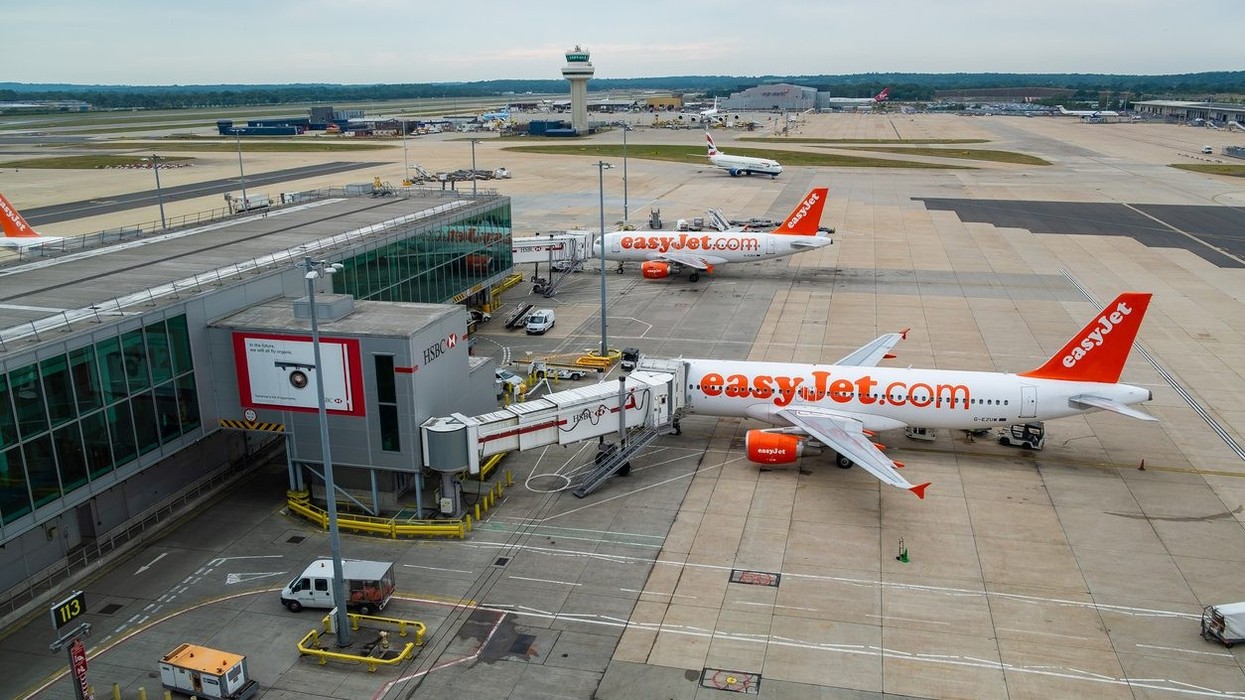

- More than 97 per cent of scheme shares voted in favour of the takeover
- EasyJet aims to complete the deal before the end of March 2027
- EU ownership requirements and union opposition remain significant hurdles
EasyJet's shareholders have approved a £5.7bn takeover by US investment firm Apollo Global Management, bringing the budget airline closer to leaving the London Stock Exchange after more than 25 years.
The vote clears a major hurdle for one of the biggest private-equity acquisitions of a European airline. However, the deal is not yet complete, with European ownership requirements and concerns from employee representatives still to be addressed.
EasyJet said 97.07 per cent of scheme shares voted were in favour of the acquisition, while 83.29 per cent of voting shareholders supported it. The figures cleared the approval threshold under the court-approved takeover arrangement, according to Reuters.
The airline is targeting completion before the end of March 2027. Once the transaction goes through, it will end its run as a publicly listed company in London.
Why could European ownership rules complicate the takeover?
Although easyJet is headquartered in Britain, it operates across the European Union and relies on European aviation licences for its bases and routes. This brings the airline within rules requiring EU carriers to be majority-owned and effectively controlled by EU nationals or companies.
Apollo is a US-based investment firm, meaning the proposed ownership structure must satisfy these requirements if easyJet is to retain its European operating rights.
The issue is already visible in the shareholder figures. EasyJet said EU persons held 35.07 per cent of its shares at the time of Wednesday's general meeting. To comply with the ownership requirements, the airline has suspended voting rights attached to some shares held by investors outside the EU.
This is not simply a question of how much of the airline Apollo buys. Regulators will also need to consider who exercises effective control over its operations and strategic decisions.
European officials are preparing a review of airline ownership rules, adding another layer of uncertainty to the transaction. The outcome could have implications beyond easyJet, particularly for overseas investment in European aviation.
The ownership question has been a concern since Apollo emerged as the preferred bidder. The airline had previously attracted interest from rival US investment firm Castlelake, which eventually withdrew from the takeover contest after Apollo offered £7.15 per share.
EasyJet's board backed the Apollo proposal, which values the airline at approximately £5.7bn. The agreement is structured through a court-approved scheme of arrangement, with shareholders receiving cash under the offer unless they choose an alternative arrangement available to eligible investors.
What does the takeover mean for employees and London's stock market?
The transaction has also attracted opposition from the European Works Council, which represents employees across the airline's European operations.
The council has warned that the proposed structure could weaken easyJet's financial resilience and leave risks affecting employees unresolved. Its concerns add to wider questions about how the airline will be managed once it moves into private ownership.
For employees, the key issues will include the company's long-term investment plans, job security and how decisions are made under its new ownership. Shareholder approval does not settle those questions.
The takeover also reflects a wider trend of overseas investors acquiring British-listed businesses. US private-equity firms have been particularly active, as some investors see opportunities in UK companies trading at lower valuations than comparable businesses in the US.
EasyJet's departure would add to the list of companies leaving the London market through acquisitions. For the airline, the move offers a route away from the demands of public-market ownership. For London, it raises another question about why established British businesses are increasingly finding buyers rather than remaining listed.
The immediate focus, however, remains on securing regulatory approval. Shareholders have backed the deal, but until the ownership structure satisfies European requirements and the remaining conditions are met, Apollo's takeover of easyJet is not guaranteed.










 The United States Capitol building in Washington, D.C.iStock
 Catch a show in New York's theatre districtiStock
 Relax at a beach in San DiegoiStock
 Main street in Moab with many small shops and restaurantsiStock

 Night Sky from Mauna KeaiStock
 Milky Way from Death Valley National ParkiStock
 Natural rock formations framing the Milky WayiStock
 Milky Way from the Cherry Spring State ParkiStock

 A luxury resort in Scottsdale, ArizonaiStock
 The famous entertainment district in downtown Austin
 Aerial view of Miami's South BeachiStock
 The State of Liberty, New YorkiStock

 Popular AI virtual assistant apps on a smartphoneiStock
 The biggest use case for gen AI is in travel planning and researchiStock
 Popular travel booking and preparation apps seen on a smartphoneiStock