

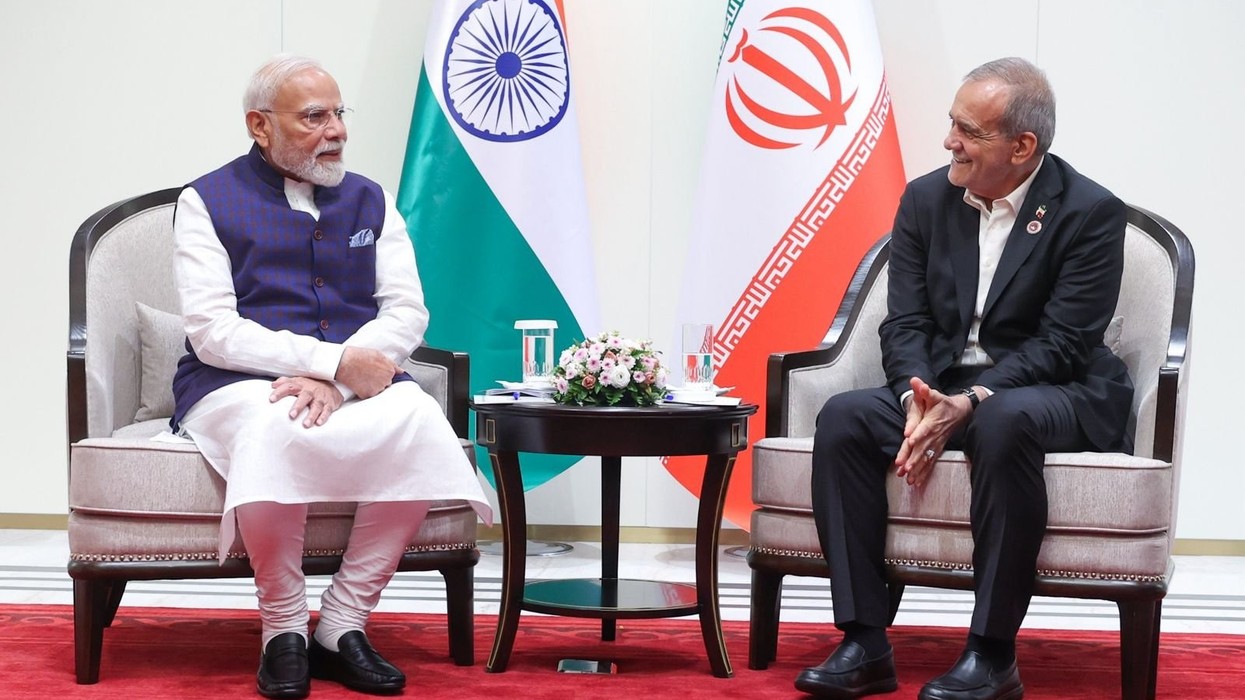
India and Russia have an "exceptionally" steady and time-tested relationship and the objective now is to fashion a balanced, mutually beneficial and long-term engagement in the backdrop of the increasing economic cooperation, the country's external affairs minister Subrahmanyam Jaishankar said on Tuesday (8) during talks with his Russian counterpart Sergey Lavrov in Moscow.
In his opening remarks, he also said that the Covid-19 pandemic, financial pressures and trade difficulties had taken a toll on the global economy.
"We are now seeing the consequences of the Ukraine conflict on top of that. There are also the more perennial issues of terrorism and climate change, both of which have a disruptive impact on progress and prosperity," he said.
"Our talks will address the overall global situation as well as specific regional concerns," he said.
Jaishankar arrived in Moscow on Monday (7) evening on a two-day visit amid growing global concerns over increasing hostilities between Russia and Ukraine.
"India and Russia engage each other in an increasingly multi-polar and re-balanced world. We do so as two polities who have had an exceptionally steady and time-tested relationship. In that background, I look forward to our talks," he said.
Jaishankar's visit to Russia assumes significance as it came over a week before the G20 summit in Bali which is set to extensively deliberate on the Ukraine conflict and its implications.
It is his first visit to Moscow after the beginning of the Ukraine conflict.
"Our meeting today, is of course, devoted to assessing the state of our bilateral cooperation; exchanging perspectives on the international situation and what that means to our respective interests," Jaishankar said.
"Where bilateral ties are concerned, you would agree that it is our objective today to fashion a contemporary, balanced, mutually beneficial, sustainable and long-term engagement," he said.
"Especially as our economic cooperation increases, this is a significant imperative. We would be discussing how our shared goals are best achieved," the diplomat added.
Besides touching upon the adverse impact of the Covid-19 pandemic and the Ukraine conflict, Jaishankar also talked about terrorism and climate change challenges.
"Where the international situation is concerned, the last few years of the Covid pandemic, financial pressures and trade difficulties; these have taken a toll on the global economy. We are now seeing the consequences of the Ukraine conflict on top of that," he said.
"There are also the more perennial issues of terrorism and climate change, both of which have a disruptive impact on progress and prosperity. Our talks will address the overall global situation as well as specific regional concerns," he said.
Jaishankar speaks with Russian counterpart Lavrov
Jaishankar and his Russian counterpart Sergey Lavrov on Tuesday held talks in Moscow covering a range of bilateral, regional and global issues of mutual interests.
The duo have already met four times after the Ukraine conflict began in February.
Since the Ukraine conflict began, Indian prime minister Narendra Modi has spoken to Russian president Putin as well as Ukrainian President Volodymyr Zelenskyy a number of times.
In a phone conversation with Zelenskyy on October 4, Modi said there can be "no military solution" and that India is ready to contribute to any peace efforts.
At a bilateral meeting with Putin in the Uzbek city of Samarkand on September 16, Modi told him that "today's era is not of war".
India has not yet condemned the Russian invasion of Ukraine and it has been maintaining that the crisis must be resolved through diplomacy and dialogue.
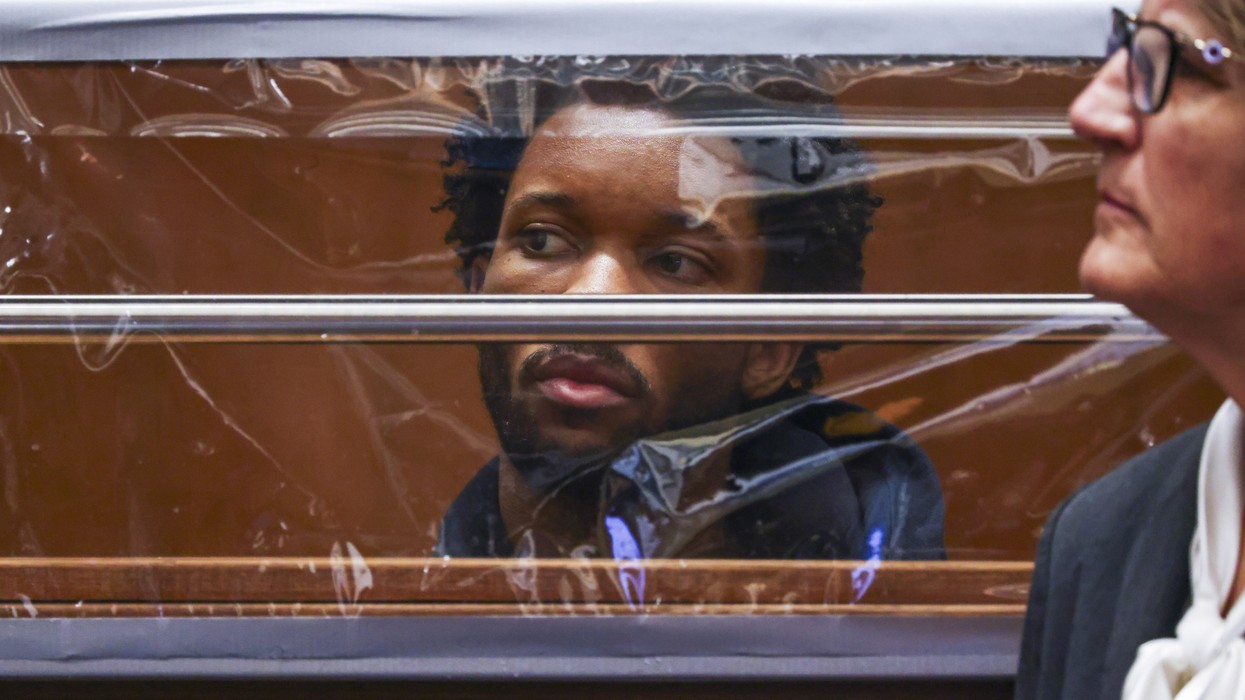
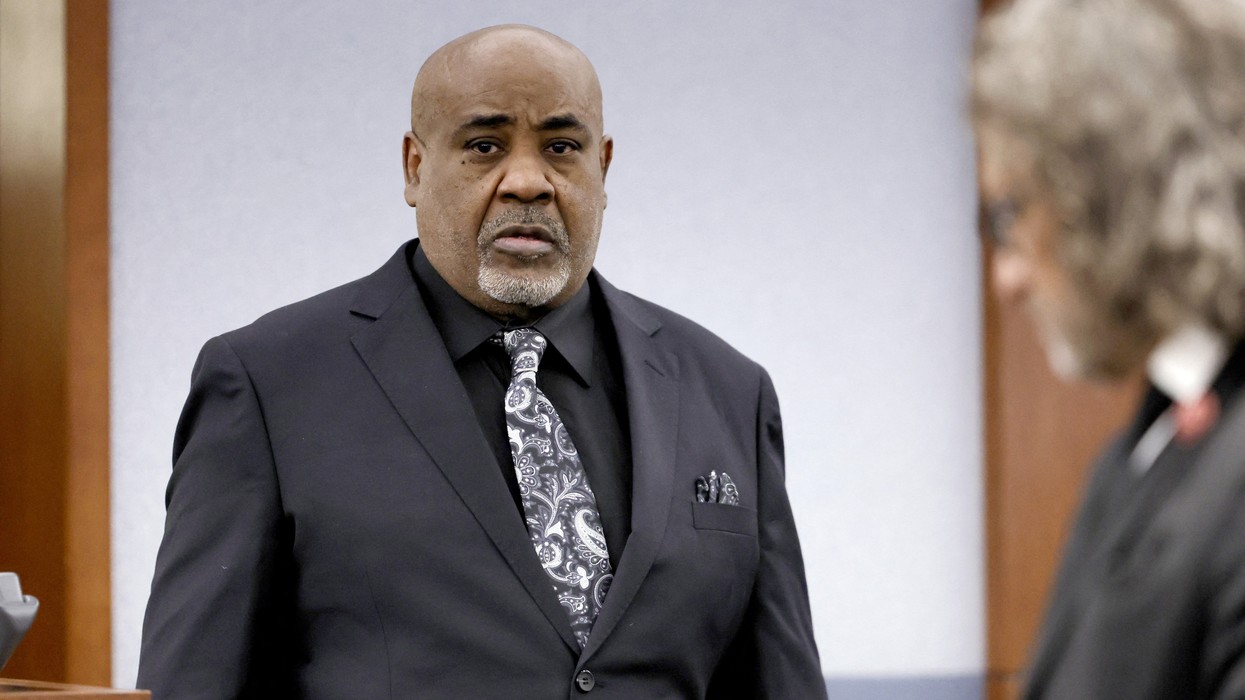
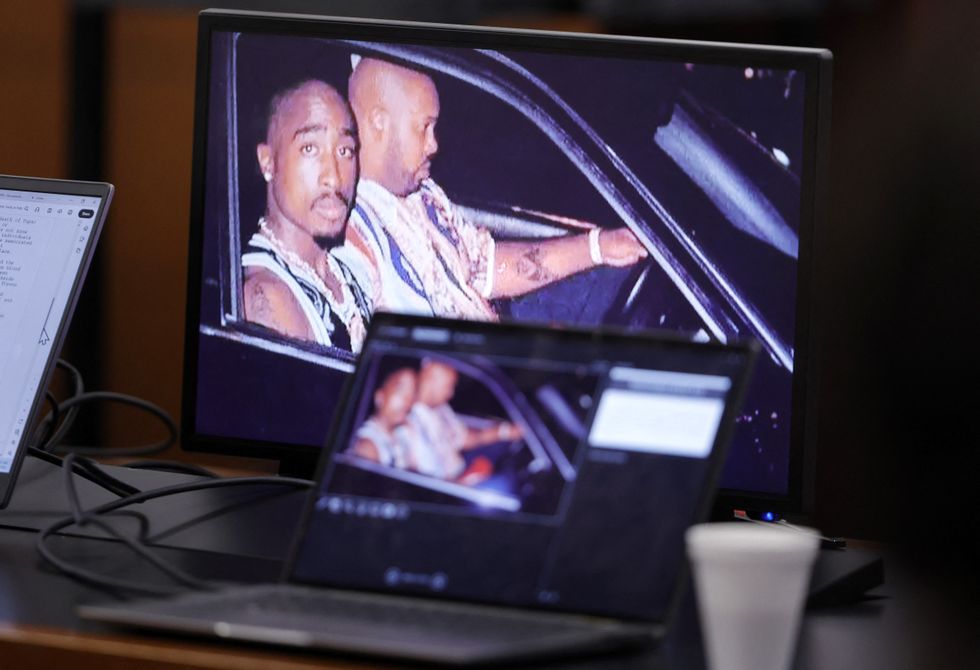 A 1996 photo of rapper Tupac Shakur (L) and Marion "Suge" Knight is shown on screens during closing arguments in the Duane Davis murder trial, related to the 1996 killing of rapper Tupac Shakur, at Clark County District Court at the Regional Justice Center in Las Vegas, Nevada, on August 31, 2026. Getty Images


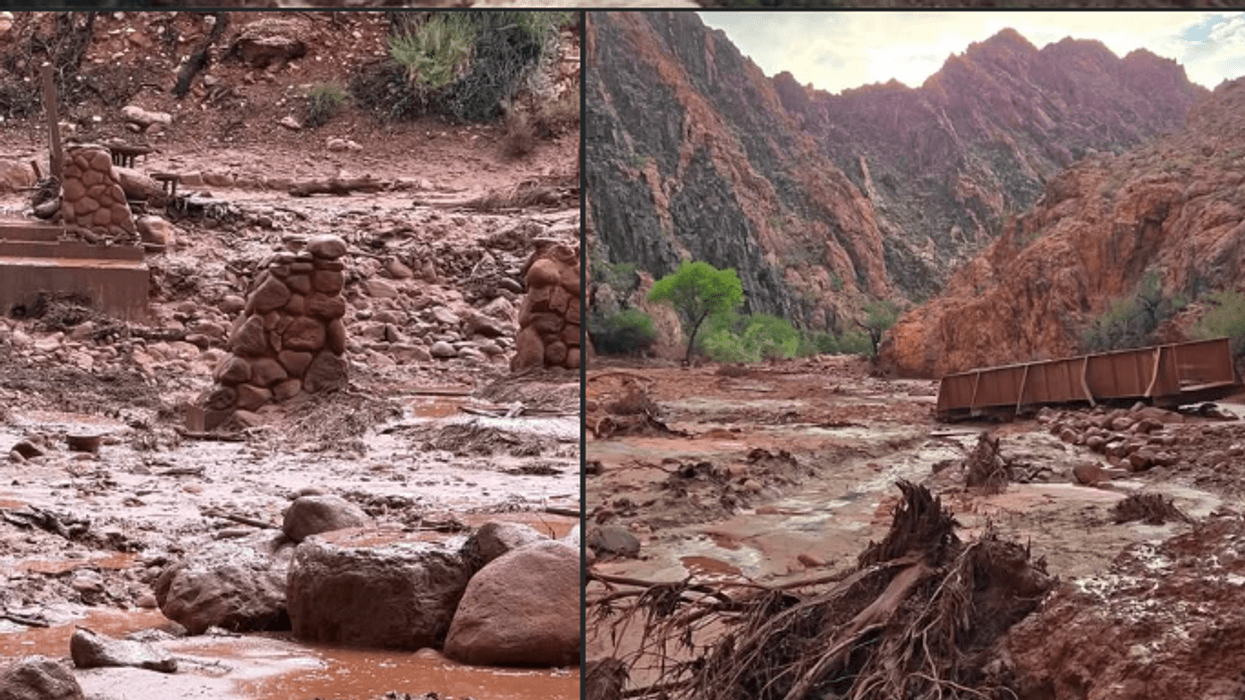
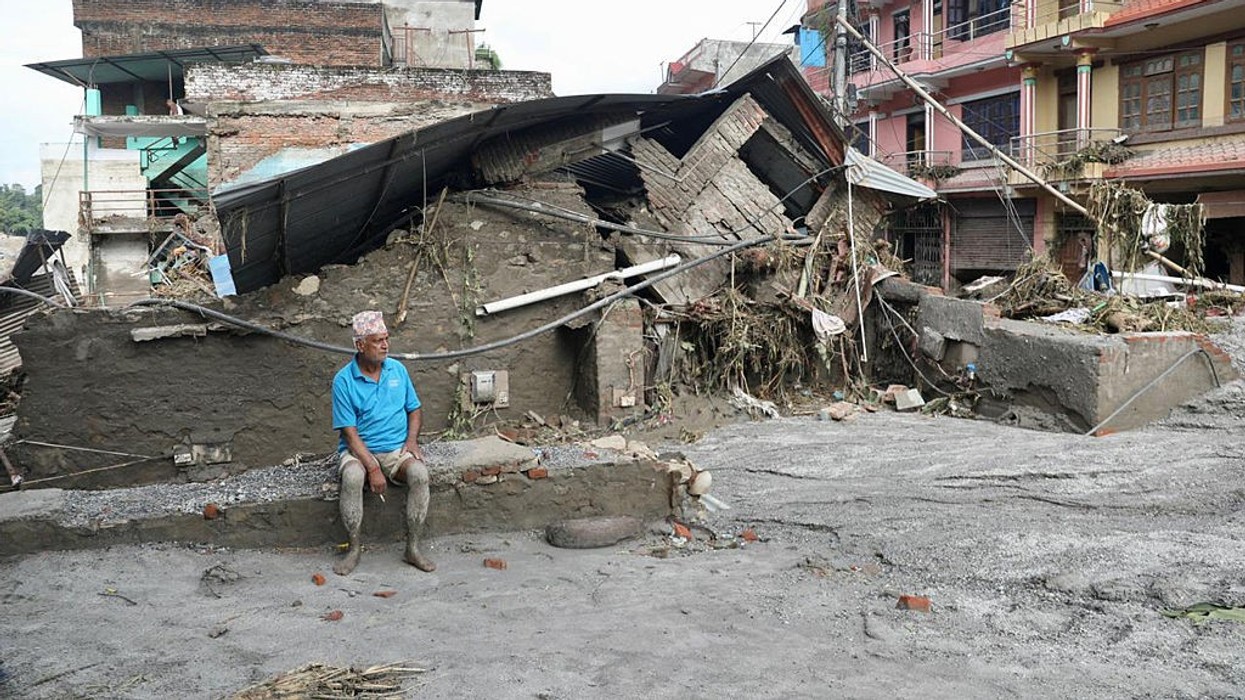
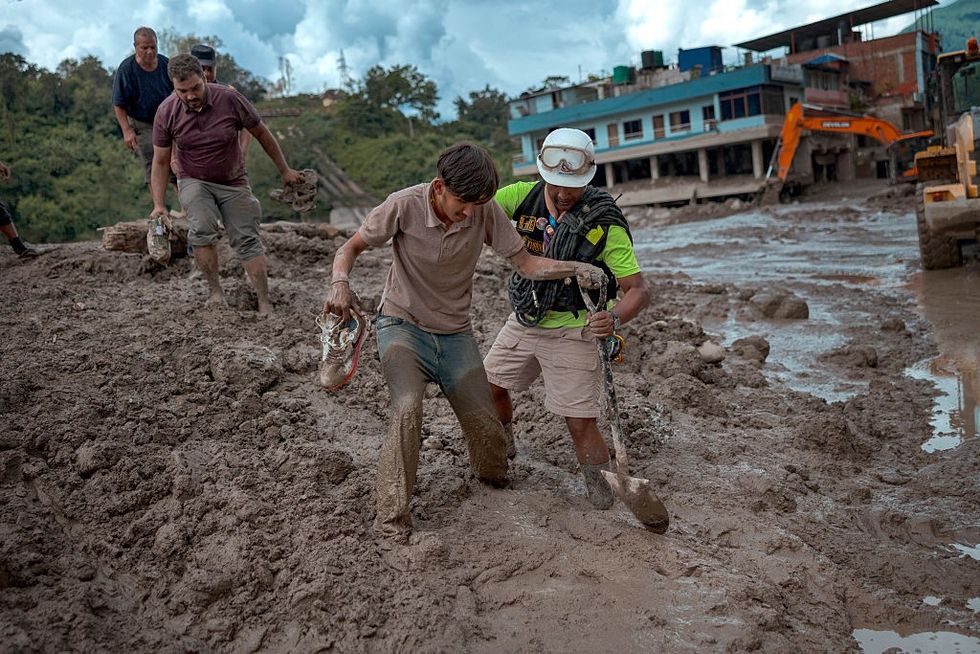 A rescuer assists a resident through heavy mud following flash floods on August 27, 2026 in Trishuli, Nepal. A sudden flood swept through the Bhote Koshi River basin in northern Rasuwa on August 26, damaging settlements, roads and energy infrastructure as rescue teams searched for residents and foreign travellers reported out of contact. Hundreds were reported missing, as the death toll started to climb.Getty Images
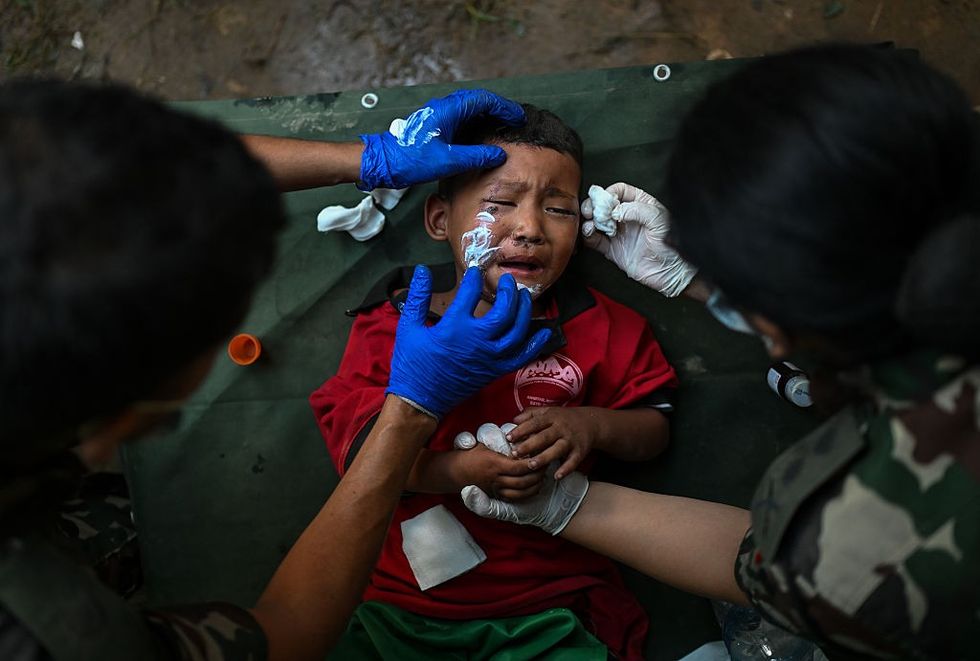 Rescue personnel provide medical treatment to a child at an army rescue camp in Trishuli Batar, Nepal, on August 27, 2026. A sudden flood swept through the Bhote Koshi River basin in northern Rasuwa on August 26, damaging settlements, roads and energy infrastructure, as rescue teams searched for residents and foreign travellers reported out of contact. Hundreds were reported missing as the death toll began to climb. Getty Ima
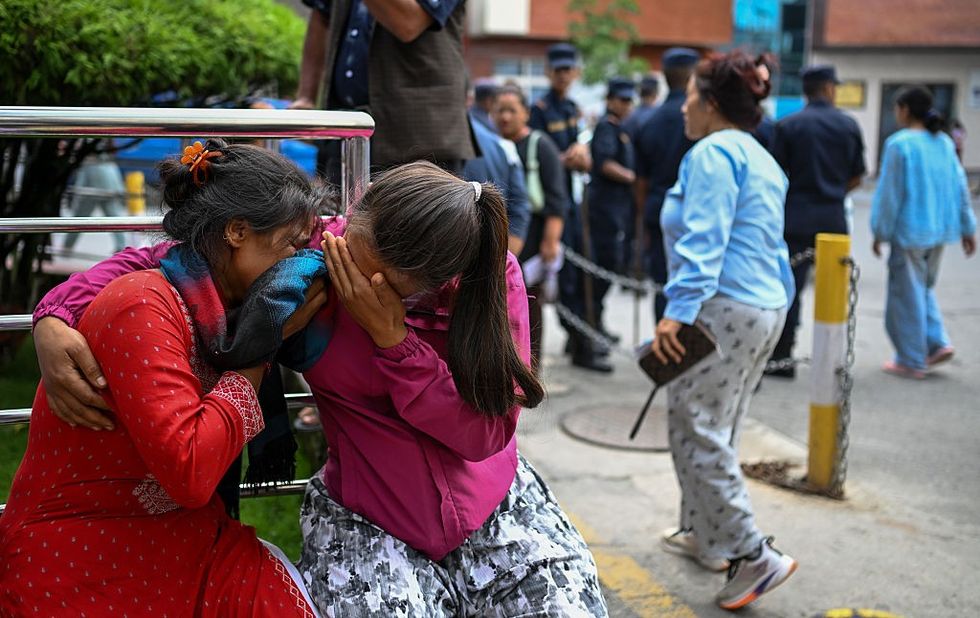 Family members of missing flood victims react at the emergency ward of the Maharajgunj Medical Campus, part of the Tribhuvan University Teaching Hospital, on August 28, 2026 in Kathmandu, Nepal. Authorities said the flash floods were triggered after a mass of ice, mud and rock collapsed into a Himalayan river near the Nepal-China border, leaving hundreds dead or missing and causing widespread damage in affected districts. Authorities continued the gruelling search for victims, many buried under metres of mud, as both China and Nepal issued fresh flooding alerts.Getty Images