
Highlights:
The 2026 US midterm elections have dealt US president Donald Trump and the Republican Party a significant political setback, but the outcome is unlikely to directly derail India's interim trade agreement with Washington. The reason is largely procedural: the proposed trade pact does not require formal ratification by the US Congress, according to sources.
However, the election results raise a bigger question for India: will a politically weakened Trump administration change its approach to trade negotiations, tariffs and economic relations with New Delhi?
While the Democrats' electoral gains could increase scrutiny of the administration's policies, experts believe the broader direction of US trade policy is unlikely to change significantly. For India, the immediate challenge remains securing competitive tariff terms while Washington continues its investigations into international trade practices.
Will the Democratic victory affect the India-US trade agreement?
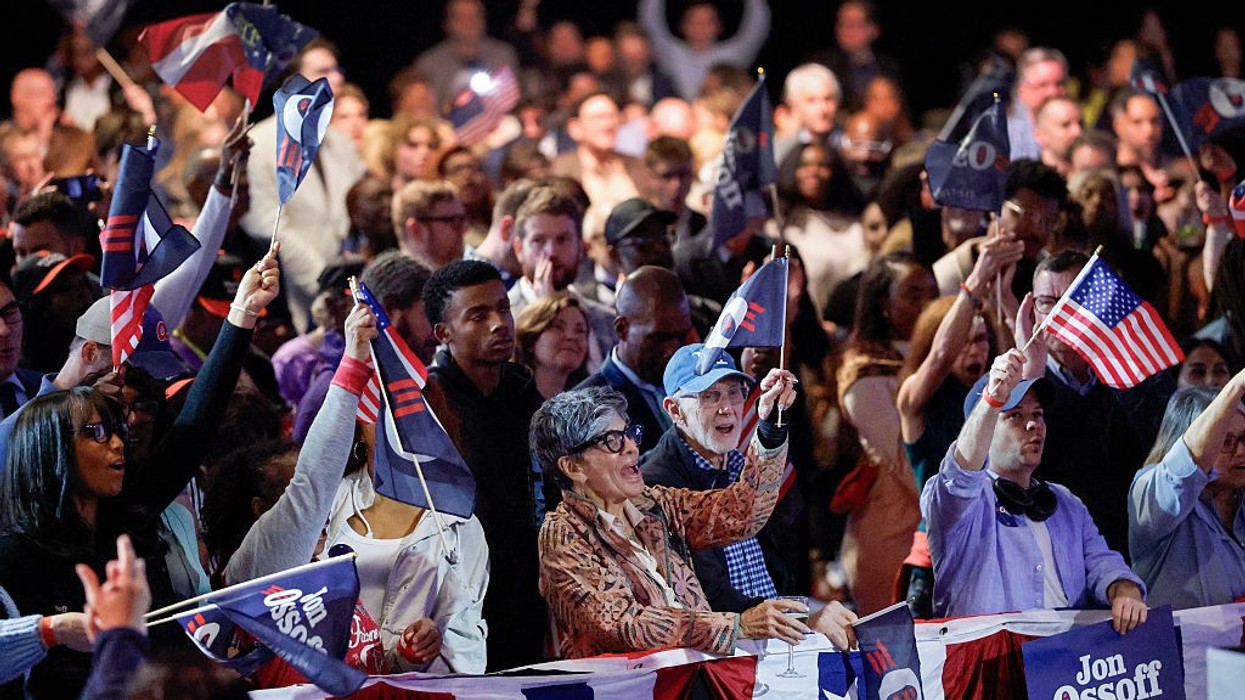
The Democrats' gains in the House of Representatives and Senate have changed the political landscape in Washington. However, sources indicated that the India-US interim trade agreement would not be directly affected because it does not need formal Congressional ratification.
India and the US finalized the framework for the first phase of their trade agreement in February 2026. However, subsequent changes in the American tariff landscape have led to further negotiations between the two countries.
The distinction is important. Although the midterm results could affect the political environment in which Trump negotiates trade agreements, the absence of a formal Congressional ratification requirement means the election outcome does not automatically put the interim pact at risk.
The two countries have continued discussions, with Indian officials indicating that most of the negotiations have been completed.
Commerce and Industry Minister Piyush Goyal said last month: "We have concluded most of the discussions and are fine-tuning the agreement".
He also expressed hope that the agreement would be finalized soon and operationalized once India secured a competitive advantage over its peer countries.
Why are tariffs still a problem for India?
Despite progress in negotiations, tariffs remain one of the biggest obstacles to finalizing the agreement.
The US imposed an additional 10% import duty on several countries, including India, from July 24. These duties followed an American investigation into forced labor issues under Section 301 of the US Trade Act of 1974 and are in addition to existing most-favored-nation (MFN) tariff rates.
India is also engaged with Washington over a second Section 301 investigation concerning concerns about excess industrial capacity.
According to sources, the US needs to complete this second investigation before finalizing its tariff structure for trading partners.
This means that even though the broader framework of the trade agreement is largely settled, the final tariff arrangements remain subject to further discussions and regulatory developments.
For Indian exporters, the outcome matters because tariff rates influence how competitively their products can be priced in the American market.
India is particularly interested in securing lower tariffs than competing manufacturing and export destinations such as Bangladesh, Vietnam and Cambodia.
The objective is to ensure that Indian goods do not face a disadvantage when competing with products from these countries in the US market.
Why Trump's midterm setback may not change his trade policy
The election results have raised questions about whether Trump will reconsider his economic policies after suffering losses at the ballot box.
However, the Global Trade Research Initiative (GTRI), an economic think tank, believes the political setback will not necessarily change the administration's broader trade direction.
According to GTRI, both Democrats and Republicans increasingly support economic nationalism, domestic manufacturing and stronger supply chains.
GTRI founder Ajay Srivastava said: "Since Democratic lawmakers also support protective tariffs for local union workers, America's overall trade posture will remain intact".
This suggests that India's trade negotiations could continue to face pressure regardless of which party controls Congress.
Although Democrats may challenge aspects of Trump's economic agenda, protectionist trade measures have support across party lines, particularly when they are presented as protecting American industries and workers.
For India, this means that a Democratic electoral victory should not automatically be interpreted as an opportunity for easier access to the US market.
Why the India-US relationship matters beyond the trade deal
The economic relationship between the two countries makes the negotiations particularly important.
The US was India's largest trading partner in fiscal year 2025-26. According to the supplied trade figures, India's exports to the US increased 11.11% to $50.81 billion during April-September 2026-27, compared with $45.73 billion in the corresponding period a year earlier.
Imports from the US also increased significantly, rising 25.98% to $32.32 billion during the first half of the fiscal year, compared with $25.66 billion in April-September 2025-26.
These figures demonstrate the importance of maintaining stable trade relations, particularly as Indian exporters seek better access to the American market.
Trump's trade deal and peace claims face a reality check
The trade negotiations also became part of Trump's political messaging ahead of the midterms.
The White House presented the India-US trade agreement as an achievement of the president's dealmaking abilities, describing it as a new and improved agreement that could support industrial growth in the US.
The administration also highlighted Trump's claims of helping resolve international conflicts, including the India-Pakistan ceasefire reached in May 2025.
However, New Delhi has consistently contested claims of third-party involvement in the ceasefire. This created a contrast between the White House's presentation of Trump's diplomatic achievements and India's position on how the understanding with Pakistan was reached.
At the same time, Trump's promises to address the American cost-of-living crisis faced scrutiny as concerns about prices and household expenses remained significant among voters.
The midterm results therefore exposed a gap between the administration's claims of diplomatic and economic achievements and the domestic concerns influencing American voters.
For India, the immediate question is whether Washington can complete the trade negotiations without further delays or changes in tariff policy.
The Democratic gains may not directly affect the interim agreement, but they have added another political dimension to an already complicated negotiation. India's priority remains clear: securing favorable tariff terms and maintaining its competitive position in one of its most important export markets.