

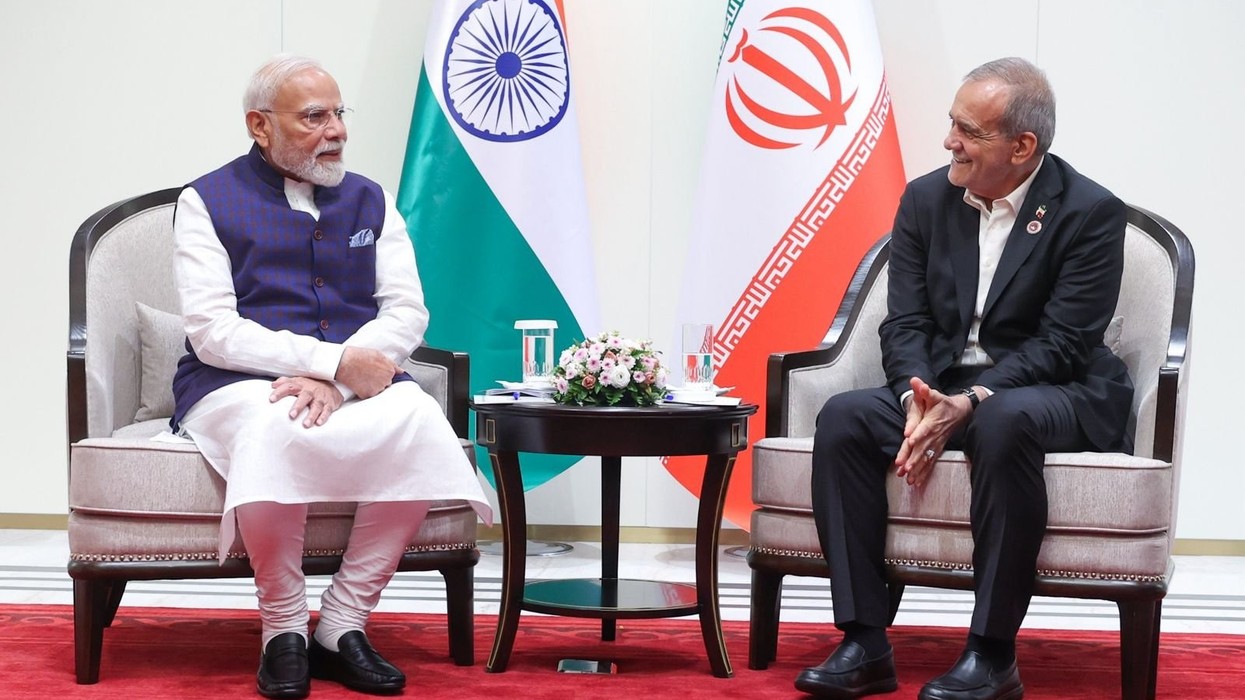
WITH an aim to enhance the accessibility of technology, streamline service delivery to ensure ease of living and give a boost to startups, Indian prime minister Narendra Modi on Monday (4) launched numerous digital portals and said that India's leading the fourth industrial revolution.
"All programmes launched today are going to strengthen Ease of Doing Business and Ease of Living. They'll give a fillip to India's startup ecosystem. India can proudly say that India is not just part of the Industry 4.0 Revolution but is actually leading it," said Modi.
ALSO READ: This is how Arvind Kejriwal plans to topple Modi's BJP in Gujarat
He launched on the occasion multiple digital portals at the ongoing Digital India Week 2022 including a single sign-in portal Meri Pehchaan, Digital India Bhashini, Digital India Genesis, Chips to Startup (C2S) programme.
"All programmes launched today are going to strengthen Ease of Doing Business and Ease of Living. They'll give a fillip to India's startup ecosystem... India can proudly say that India is not just part of the Industry 4.0 Revolution but is actually leading it," Modi added.
India is now working on digital mapping of rural properties using drones and other such devices.
"In the last 8 years, more than Rs 23 lakh crore have been transferred to beneficiaries through Direct Benefit Transfers. With this technology, around Rs 2.23 lakh crore, which went to the wrong hands, got saved," he added.
The prime minister emphasized that with the robust use of technology in national governance, the queue system has been reduced to minimum in Gujarat with the digitisation of the services.
"The government's Digital India programme has given relief to the poor from corruption and it is working for elimination of middlemen in all fields," he said.
If compared India to other developed countries, Modi said that the country accounts for 40 per cent of digital transactions.
Digital India Bhashini is built with an aim to enable easy access to the internet and digital services in Indian languages, including voice-based access, and help the creation of content in Indian languages.
The key intervention in building AI-based language technology solutions for Indian languages will be the creation of multilingual datasets. Digital India Bhashini will enable massive citizen engagement to build these datasets through a crowdsourcing initiative called BhashaDaan.
'Digital India GENESIS' (Gen-next Support for Innovative Startups) is a National Deep-tech Startup Platform, to discover, support, grow and make successful startups in Tier-II and Tier-III cities of India. A total outlay of Rs750 Crore has been envisaged for the scheme.
The Chips to Startup (C2S) Programme aims to train specialized manpower in the area of design of semiconductor chips at Bachelor's, Master's and Research levels, and act as a catalyst for the growth of Start-ups involved in semiconductor design in the country. It offers mentoring at the organisational level and makes available State-of-the-art facilities for design to the institutions. This is part of the India Semiconductor Mission to build a strong design ecosystem in semiconductors.
The prime minister was addressing the Digital India Week 2022 in Gandhinagar, the capital of his home state Gujarat. The theme for the week is 'Catalyzing New India's Techade'.
The Digital India Week 2022 will have physical events lined up between July 4 and 6. The programme will celebrate the anniversary of Digital India and demonstrate how public digital platforms like Aadhaar, UPI, Cowin, Digilocker etc. have enabled ease of living for citizens.



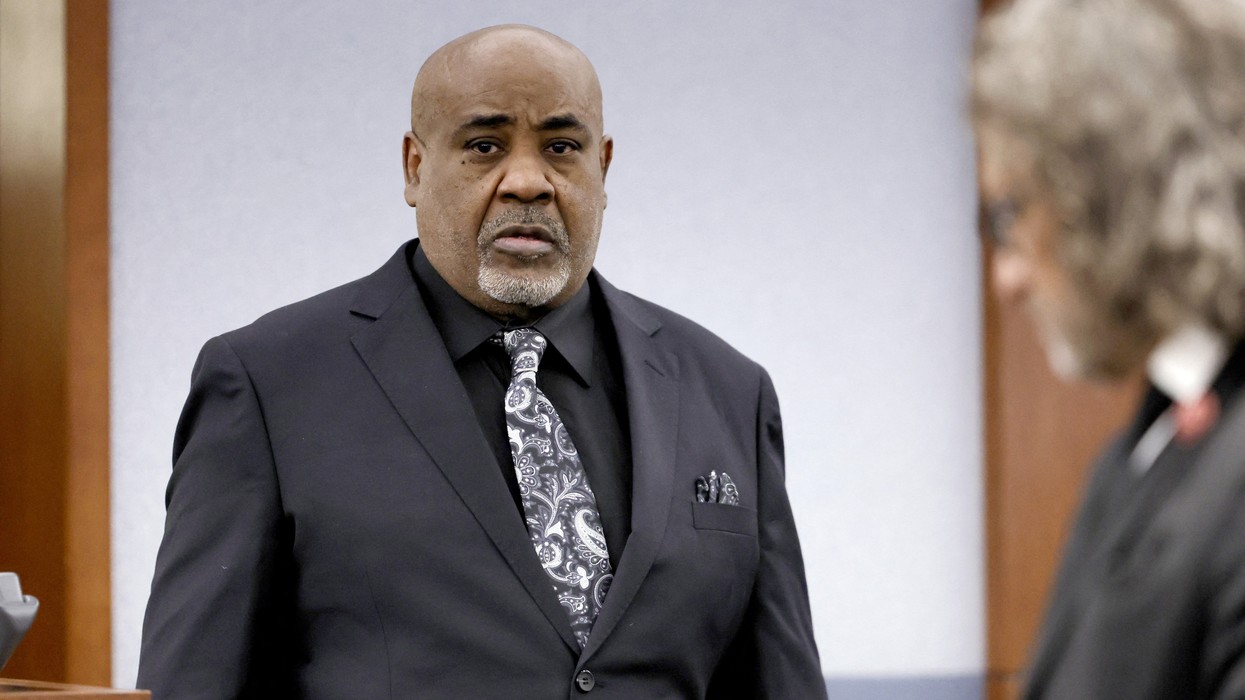
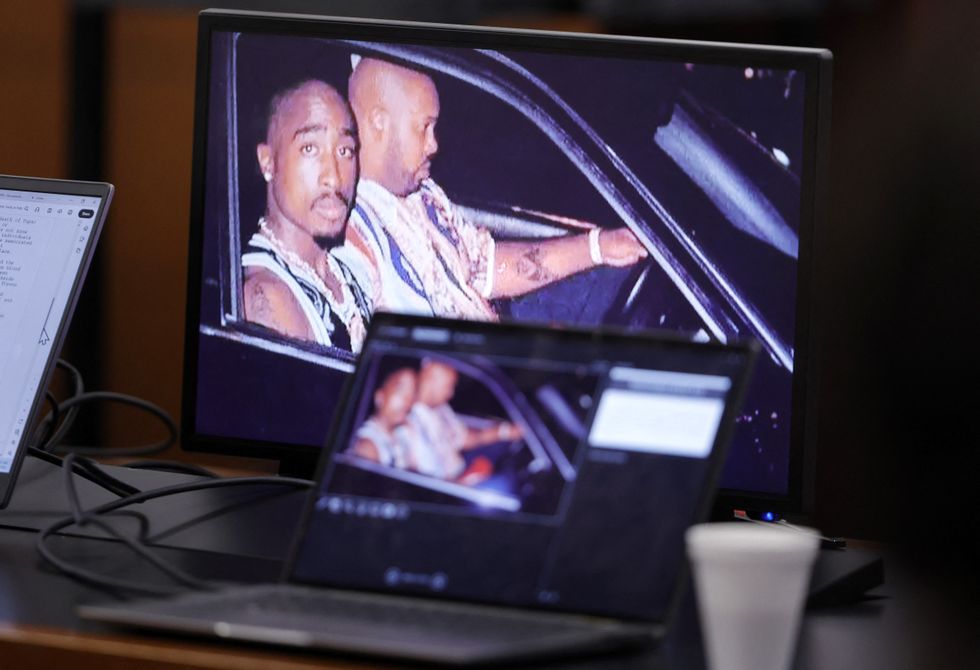 A 1996 photo of rapper Tupac Shakur (L) and Marion "Suge" Knight is shown on screens during closing arguments in the Duane Davis murder trial, related to the 1996 killing of rapper Tupac Shakur, at Clark County District Court at the Regional Justice Center in Las Vegas, Nevada, on August 31, 2026. Getty Images




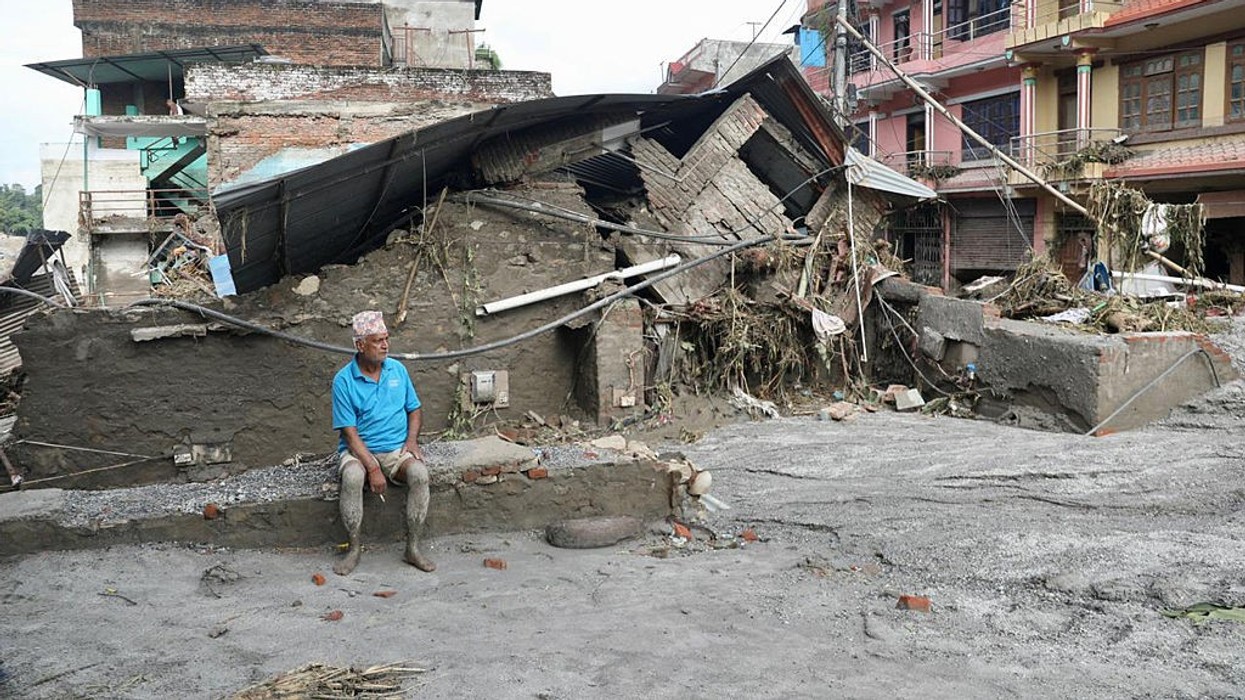
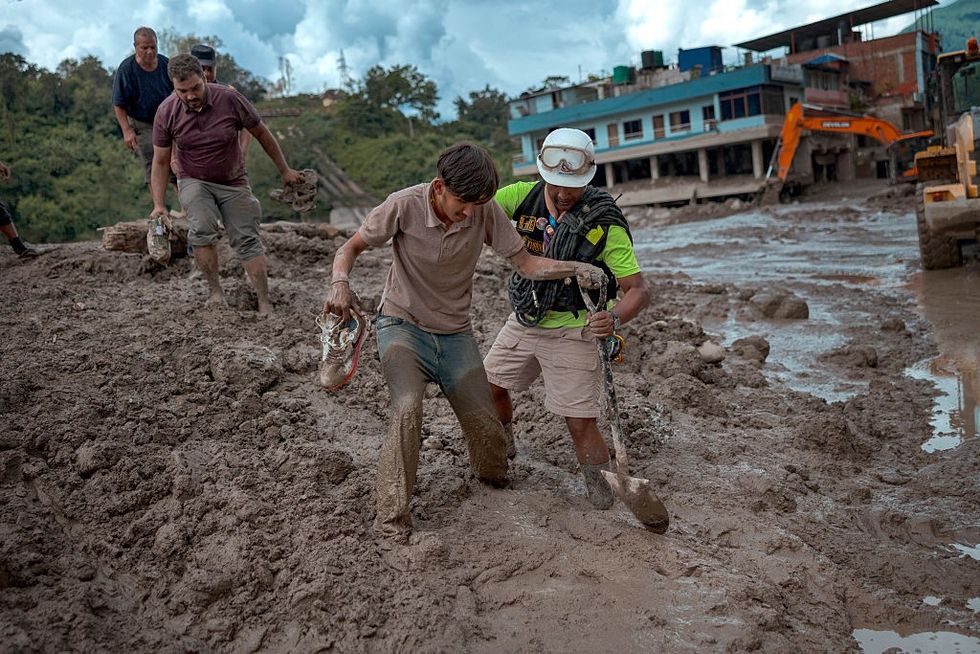 A rescuer assists a resident through heavy mud following flash floods on August 27, 2026 in Trishuli, Nepal. A sudden flood swept through the Bhote Koshi River basin in northern Rasuwa on August 26, damaging settlements, roads and energy infrastructure as rescue teams searched for residents and foreign travellers reported out of contact. Hundreds were reported missing, as the death toll started to climb.Getty Images
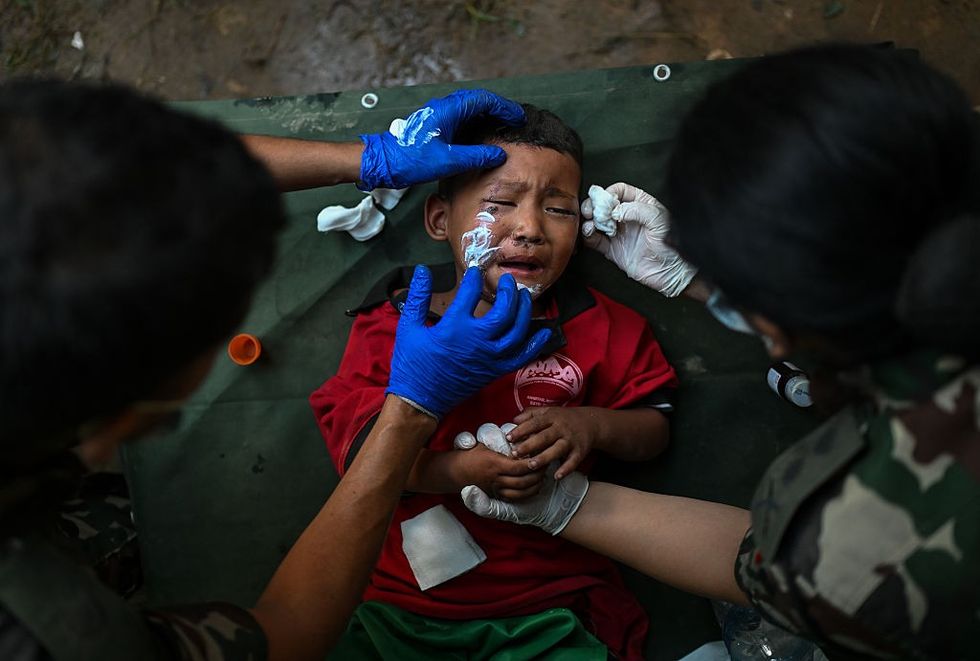 Rescue personnel provide medical treatment to a child at an army rescue camp in Trishuli Batar, Nepal, on August 27, 2026. A sudden flood swept through the Bhote Koshi River basin in northern Rasuwa on August 26, damaging settlements, roads and energy infrastructure, as rescue teams searched for residents and foreign travellers reported out of contact. Hundreds were reported missing as the death toll began to climb. Getty Ima
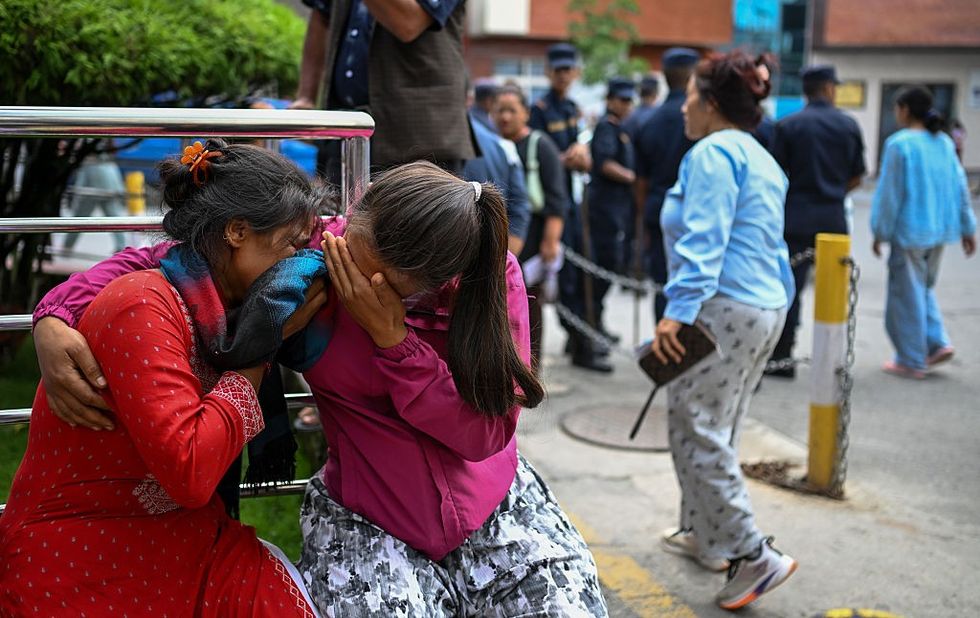 Family members of missing flood victims react at the emergency ward of the Maharajgunj Medical Campus, part of the Tribhuvan University Teaching Hospital, on August 28, 2026 in Kathmandu, Nepal. Authorities said the flash floods were triggered after a mass of ice, mud and rock collapsed into a Himalayan river near the Nepal-China border, leaving hundreds dead or missing and causing widespread damage in affected districts. Authorities continued the gruelling search for victims, many buried under metres of mud, as both China and Nepal issued fresh flooding alerts.Getty Images