
Highlights:
- Iran предложed a three-step plan to end the conflict
- The US rejected delaying nuclear negotiations
- Donald Trump insists nuclear issues come first
- Talks in Islamabad were canceled amid tensions
- Oil markets remain unstable due to Strait of Hormuz disruptions
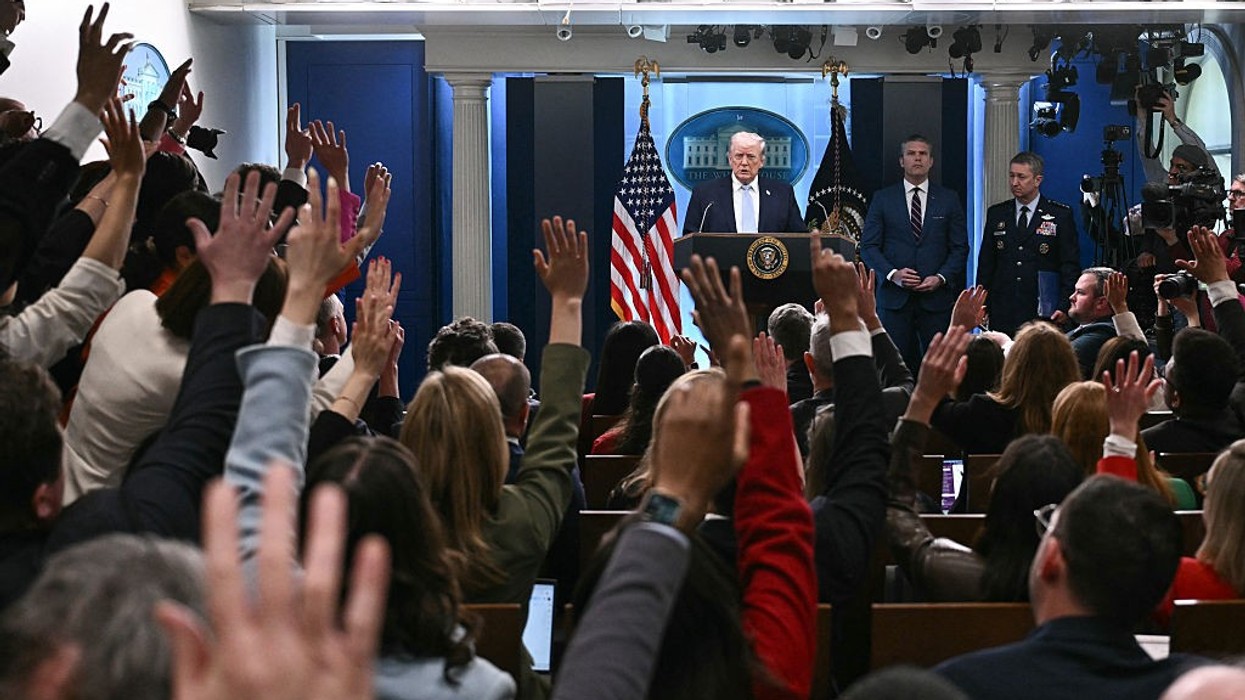
The Trump administration is unlikely to accept Iran’s latest proposal to resolve the ongoing conflict in West Asia. Officials say the plan does not meet Washington’s main demand. The US wants Iran’s nuclear program to be addressed at the very beginning of any agreement.
According to reports citing US officials, president Donald Trump is dissatisfied with Tehran’s approach. Iran предложed delaying discussions about its nuclear activities until after a ceasefire is in place. The plan also suggests resolving disputes over maritime security, especially in the Strait of Hormuz, before taking up nuclear issues.
The US administration strongly disagrees with this sequence. It believes the nuclear issue is central to any long-term solution. Officials have made it clear that they will not separate nuclear concerns from broader negotiations.
Iran’s proposal includes three main steps. First, it calls for ending the US-Israel war on Iran and securing guarantees to prevent future attacks. Second, it suggests resolving the US naval blockade and reopening major shipping routes. Third, it proposes addressing sensitive issues like Iran’s nuclear program and uranium enrichment rights.
A US official familiar with Trump’s discussions said the president rejected this phased plan. He insisted that nuclear concerns must be handled at the start of any agreement. US Secretary of State Marco Rubio supported this stance.
“We can’t let them get away with it,” Rubio said in a Fox News interview Monday (27). “We have to ensure that any deal that is made, any agreement that is made, is one that definitively prevents them from sprinting towards a nuclear weapon at any point.”
One of the main reasons cited by Trump for the conflict with Iran was to stop it from developing nuclear weapons. This remains a key priority for the US administration.
The disagreement has reduced hopes for diplomacy. Planned talks in Islamabad were canceled after Trump called off a visit by envoy Steve Witkoff and adviser Jared Kushner. Meanwhile, Iran’s Foreign Minister Abbas Araqchi traveled to Pakistan, Oman, and Russia. During his visit to Russia, he met President Vladimir Putin, who has long supported Tehran.
Tensions also appeared at the United Nations during the Nuclear Non-Proliferation Treaty (NPT) review conference. US and Iranian officials clashed over Iran’s nuclear ambitions. The dispute focused on Iran’s election as one of the vice-presidents of the conference.
The United States, along with countries such as Australia, the UAE, the UK, France, and Germany, opposed Iran’s appointment. Washington said it was “deeply shocked” by the decision. It accused Iran of showing “contempt” for the treaty. Russia disagreed with this position and opposed singling out Iran. Iran’s envoy Reza Najafi rejected the criticism and called it “baseless and politically motivated.”
At the same time, several countries have urged the reopening of the Strait of Hormuz. This waterway is critical for global oil transport. A joint statement led by Bahrain called for easing restrictions.
Iran has accused the US of seizing its oil shipments in the strait and described these actions as “piracy.” However, Tehran has indicated it may reduce its control over the strait if the US lifts the blockade and ends the conflict.
The ongoing tensions continue to affect global markets. Oil prices have risen sharply. The Strait of Hormuz normally handles about one-fifth of the world’s oil supply. However, ship traffic has dropped significantly. Only a few vessels have passed through in recent days, compared to more than 100 daily before the conflict. Several Iran-linked tankers have been forced to turn back due to the US blockade.






 A visitor holds a baby at the Empty Sky 9/11 Memorial with One World Trade Center and Lower Manhattan in the distance on August 23, 2026 in Jersey City, New Jersey.Getty
 American flags and flowers line the memorial pool at the National September 11 Memorial to mark the 22nd anniversary of the 9/11 terror attack at the World Trade Center on September 11, 2023 in New York.Getty
 Balbir Singh Sodhi, a Sikh immigrant from India, was shot and killed outside the gas station he owned in Mesa, Arizona. .
 Muslim men pray during a Day of Remembrance open house at the Islamic Cultural Center of New York September 11, 2002 in New York City. Getty