Highlights:
What does travel in India actually look like?
The answer goes beyond holiday destinations, airports and hotel bookings. India’s latest Domestic Tourism Expenditure Survey shows that domestic travel is closely connected to religion, healthcare, social visits and shopping, with buses, trains and stays with friends and relatives forming a significant part of the travel experience.
The survey was conducted between July 2025 and June 2026 and recorded details including the purpose of travel, transportation, accommodation, trip duration and expenditure.
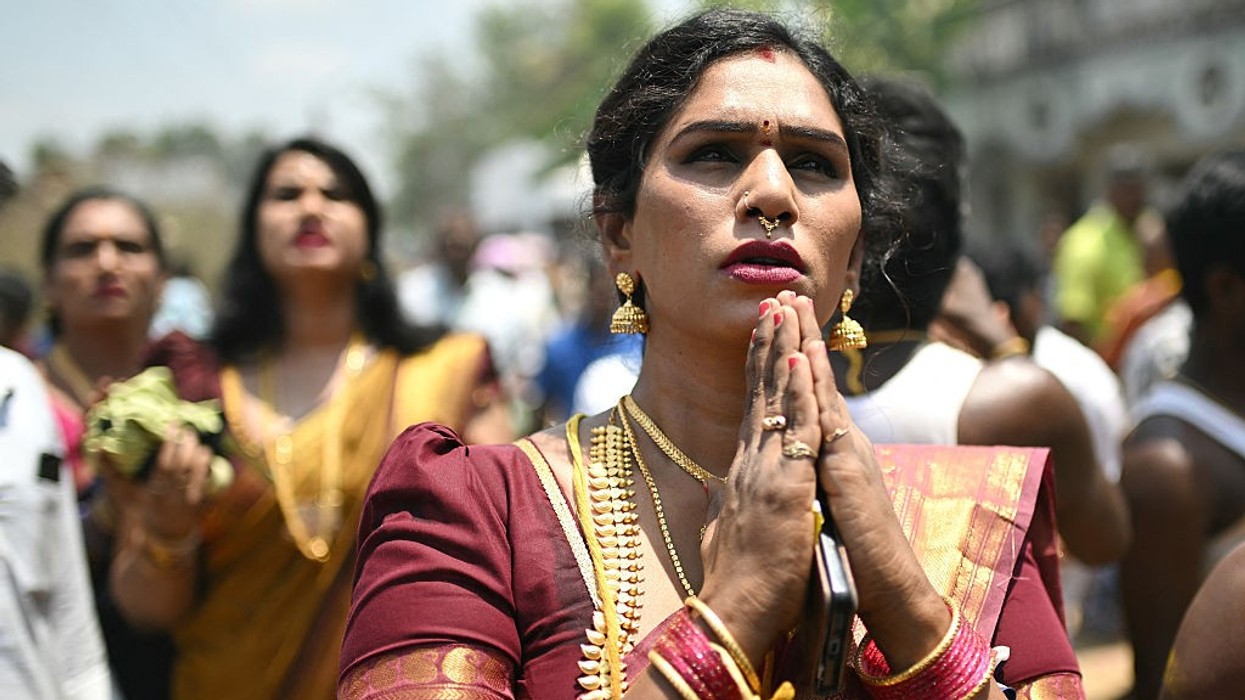
One statistic immediately changes the picture of domestic travel: 47.7 per cent of overnight trips taken during the previous 365 days were for pilgrimage and religious purposes.
Holidaying, leisure and recreation accounted for 22.1 per cent, while health and medical travel represented 29.6 per cent. Shopping accounted for 0.6 per cent.
In other words, the largest share of overnight domestic travel was not for a traditional vacation.
Religion is the biggest reason Indians travel overnight
Pilgrimage and religious travel clearly dominated the survey.
Of every 100 overnight trips taken during the previous 365 days, 47.7 trips were for pilgrimage and religious purposes. The share was 48.4 per cent in rural areas and 46.6 per cent in urban areas.
The survey also found that among households that had taken at least one overnight trip, pilgrimage and religious travel generated an average of 62 overnight trips per 100 tourist households in rural areas and 61 in urban areas during the previous 365 days.
That makes religious travel a central part of India's domestic movement rather than a small segment of the tourism market.
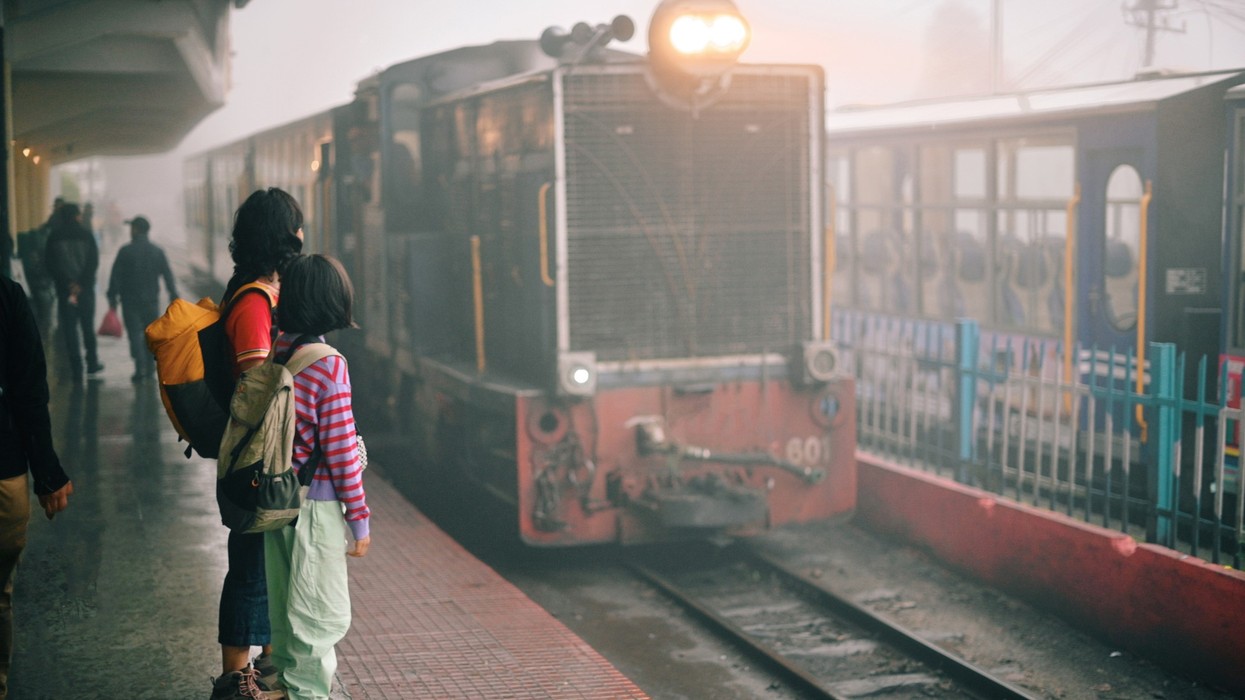
Trains and buses remain central to domestic travel
The way people travel is just as revealing.
For overnight trips completed during the previous 365 days, bus was the leading mode among rural households, accounting for 32 per cent of visitor-trips, followed by rental or hired transportation at 30.4 per cent.
Among urban households, train was the most-used mode at 35.1 per cent, followed by bus at 25.1 per cent.
Air travel represented only 0.3 per cent of rural overnight visitor-trips and 2.7 per cent of urban overnight visitor-trips.
The numbers offer a useful picture of domestic mobility: India's travel network is still heavily grounded in road and rail transportation.
For shorter trips recorded during the previous 30 days, buses were even more prominent. They accounted for 48 per cent of visitor-trips in rural households and 44 per cent in urban households. Own transport followed, accounting for 32 per cent of rural and 28 per cent of urban visitor-trips.
Where do Indians stay when they travel?
Accommodation patterns reveal another side of domestic travel.
For overnight trips completed during the previous 365 days, hotels and guesthouses were the leading accommodation choice among urban households, accounting for 35.9 per cent of stays. Staying with friends and relatives followed at 22.9 per cent.
The report also records substantial use of non-commercial accommodation.
Among rural overnight trips, 27.7 per cent involved other non-commercial stays. The category includes staying at one's own vacation home, temporary accommodation provided by an employer and accommodation provided by religious or missionary organizations without payment.
For trips completed during the previous 30 days, the role of family and social connections becomes even clearer.
Staying with friends and relatives was the most preferred accommodation for 93 per cent of rural and 90 per cent of urban overnight trips.
That finding shows how much domestic travel can depend on existing personal networks rather than commercial accommodation.
Medical travel is a major part of the picture
Healthcare is another significant reason for domestic travel.
Health and medical trips accounted for 29.6 per cent of overnight trips during the previous 365 days. The category was also the most expensive among the major overnight-trip purposes, with an average expenditure of $335 per trip when package and non-package components were combined.
The survey found that health and medical trips generated the highest expenditure for both rural and urban households, at $307 and $434, respectively.
This places healthcare alongside religion as one of the major forces shaping domestic movement.
Same-day travel is largely about people and shopping
Not every domestic journey requires an overnight stay.
Among same-day trips recorded during the previous 30 days, social travel was the largest category at 33 per cent, followed by shopping at 26.1 per cent.
The pattern suggests that domestic mobility is also closely connected to everyday social and household activities.
The survey found that among households reporting at least one same-day trip during the previous 30 days, social travel was the leading purpose, with 59 trips per 100 tourist households in rural areas and 58 in urban areas. Shopping followed with 54 and 26 trips, respectively.
India’s domestic travel story is bigger than tourism
The most useful takeaway from the survey is that domestic travel in India cannot be understood simply as people taking vacations.
People travel for faith. They travel for healthcare. They travel to see family and friends, shop and attend to social obligations. And when they travel overnight, trains, buses and non-commercial accommodation remain an important part of the experience.
The survey presents domestic tourism as a broad picture of how people move around the country, not just how they spend their holidays.
For India, travel is not always about escaping everyday life. Quite often, travel is part of everyday life itself.