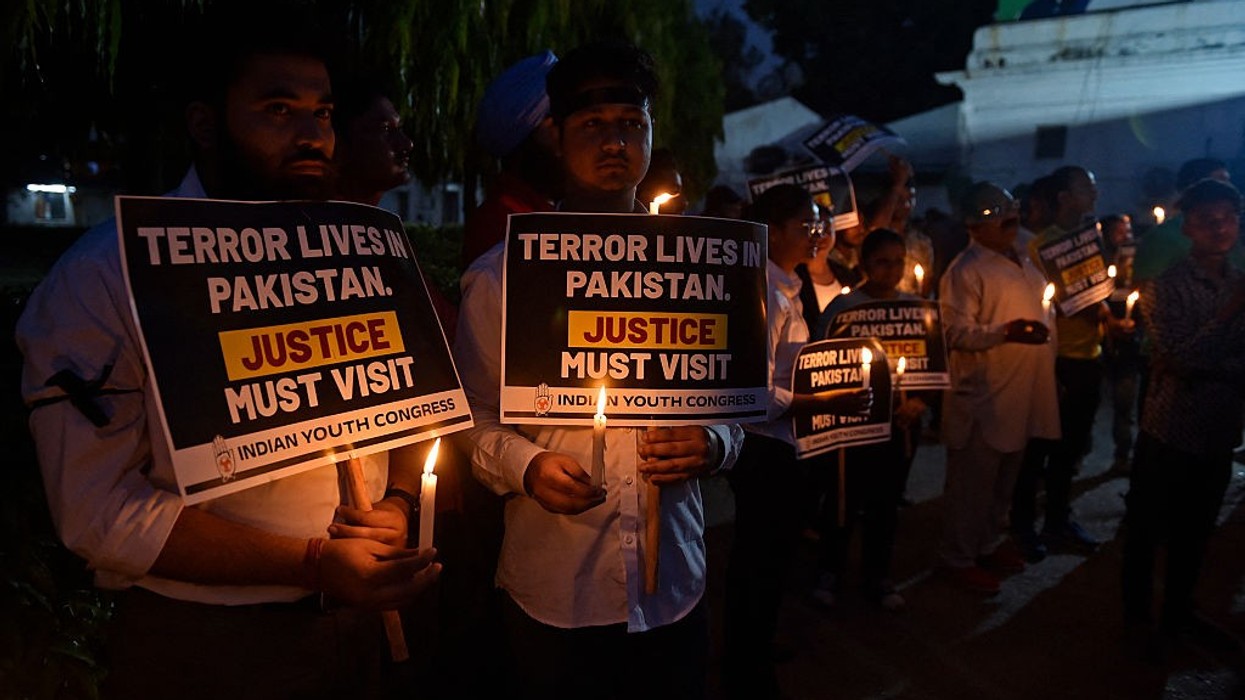

India has told the United Nations that crimes and atrocities committed by terrorists should be appropriately reflected within the framework of crimes against humanity, citing the severity of such acts and their impact on people.
Delivering India's statement at the 81st session of the UN General Assembly's Sixth Committee on Monday, R. Mythili, counselor at India's Permanent Mission to the UN, emphasized the importance of international law in protecting universal human values and ensuring accountability for serious violations.
"The overarching objective of international law is the preservation of universal values of humanity. Serious violations of international law run counter to the spirit and purposes of the Charter of the United Nations,” Mythili said.
The discussion focused on preparations for a UN Conference of Plenipotentiaries on the Prevention and Punishment of Crimes Against Humanity.
India calls for terrorist atrocities to be included
India said terrorist crimes that meet the required legal threshold should be considered within the framework of crimes against humanity, while ensuring consistency with the proposed legal instrument.
"crimes and atrocities perpetrated by terrorists, where they meet the requisite threshold, should be appropriately reflected within the framework of crimes against humanity, given the grave nature of such acts and their impact on people.
"This should, however, be considered in a manner consistent with the overall approach of the draft articles and without simply transposing existing legal regimes into a new convention,” she said.
India also noted that existing international instruments already address many aspects of preventing and punishing crimes against humanity. Any new legally binding agreement, it argued, should complement existing mechanisms rather than duplicate them.
National courts should have primacy
India stressed that countries should retain a central role in investigating and prosecuting crimes against humanity committed within their territories or by their nationals.
Mythili said a clear jurisdictional connection should guide how states exercise their authority over such crimes, with territorial jurisdiction and active nationality jurisdiction generally placing countries in the strongest position to investigate and prosecute cases effectively.
"States exercising territorial jurisdiction or active nationality jurisdiction are generally best placed to investigate and prosecute such crimes effectively. Territorial and national jurisdiction should therefore be accorded primacy, taking into account the interest of justice, the rights of the accused, and the interest of victims," she said.
India said this approach reflects the fundamental principles of international law and recognizes the authority of national courts to deal with crimes committed within a country's territory or by its citizens.
India urges stronger national legal systems
India also called for stronger national capacity to prevent, investigate and prosecute crimes against humanity. It said international cooperation and technical assistance should support domestic institutions rather than create overlapping systems.
“International cooperation and technical assistance should support and enhance national mechanisms rather than duplicate them,” she said.
The country further cautioned against deciding the scope, nature or format of a future legally binding instrument before member states had fully discussed the draft articles.
India said the views of all UN member states, including those that are not parties to existing international agreements, should be considered through transparent and inclusive discussions within preparatory committee meetings.
The statement comes as UN member states continue deliberations on a possible international legal instrument addressing crimes against humanity, including questions of accountability, national jurisdiction and cooperation between states.




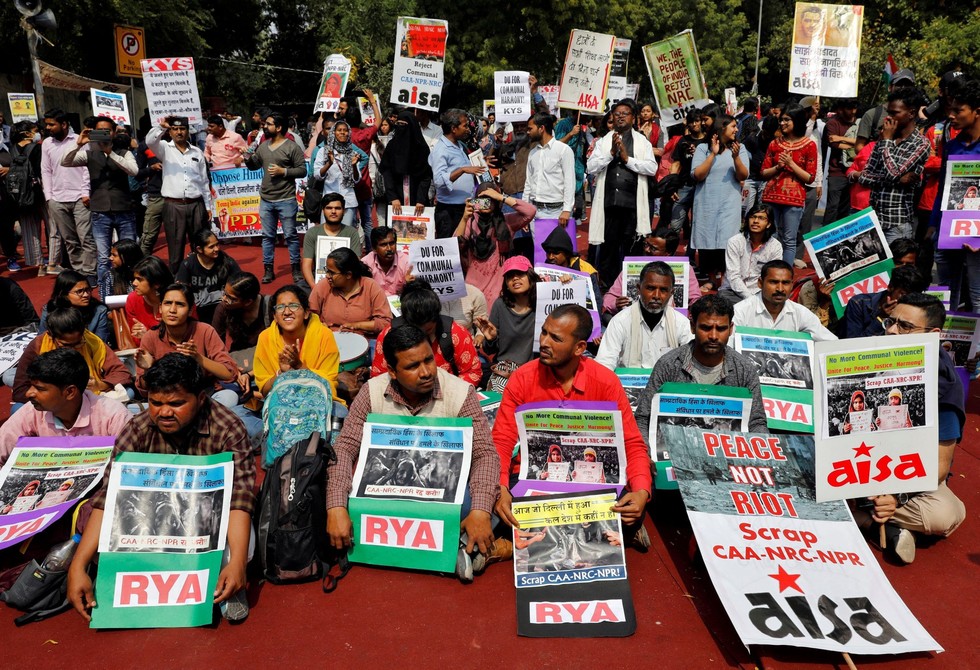

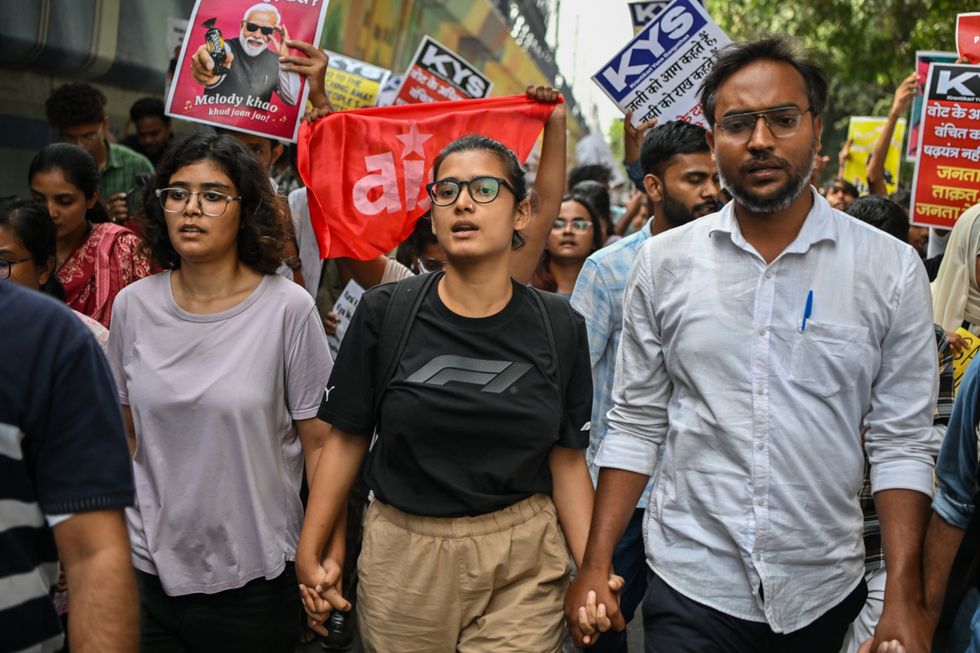 All India Students Association president Neha Bora, wearing a black shirt, takes part in a march during a protest on October 11, 2026 in New Delhi,.Getty
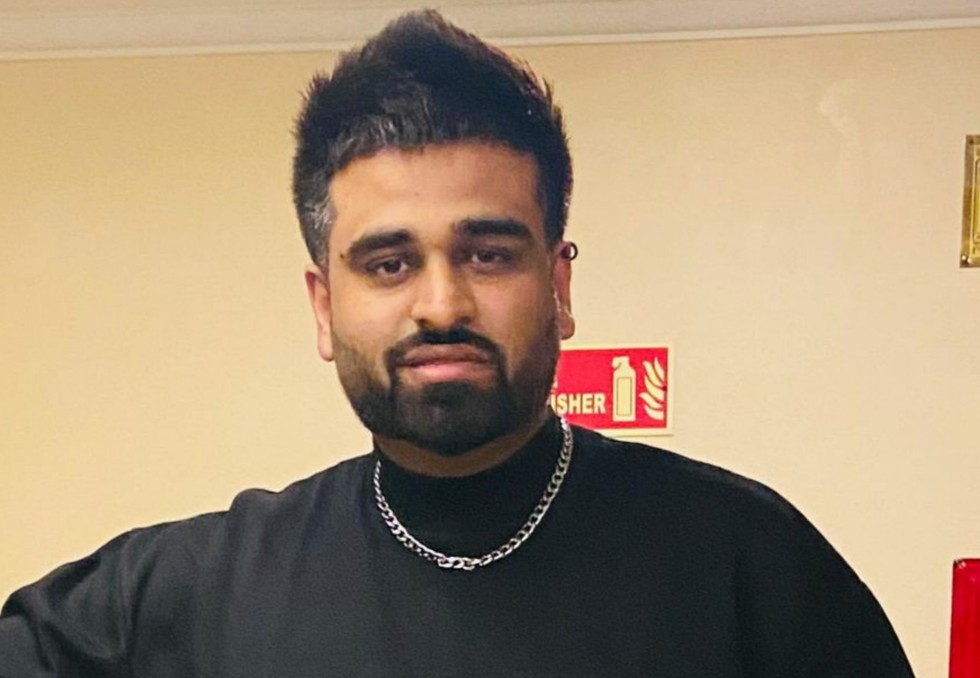
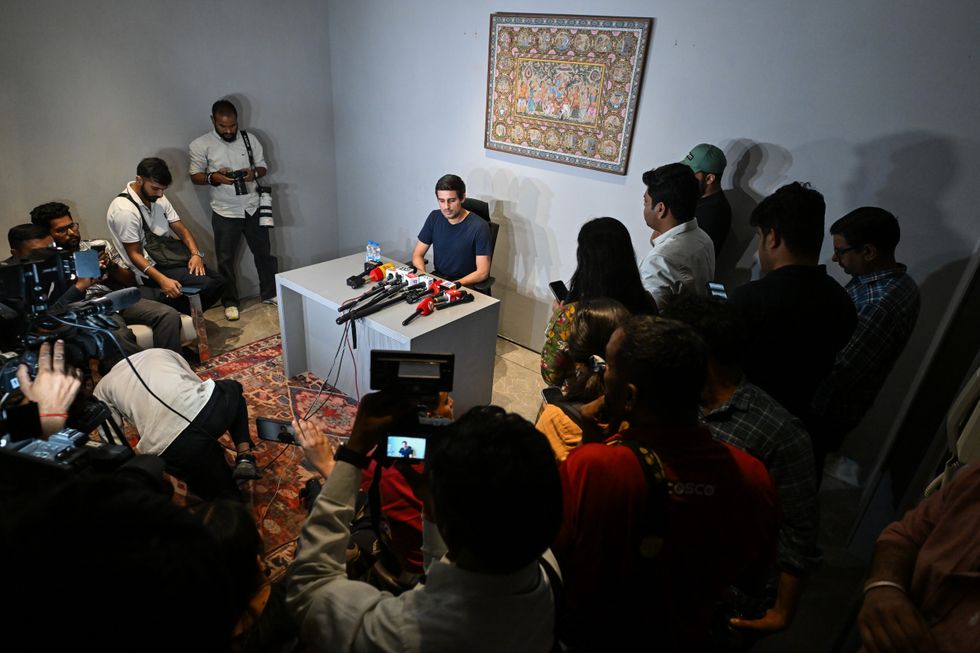 Youtuber Dhruv Rathee speaks during a press conference following his release from police detention on October 11, 2026 in New Delhi.Getty