
Highlights:
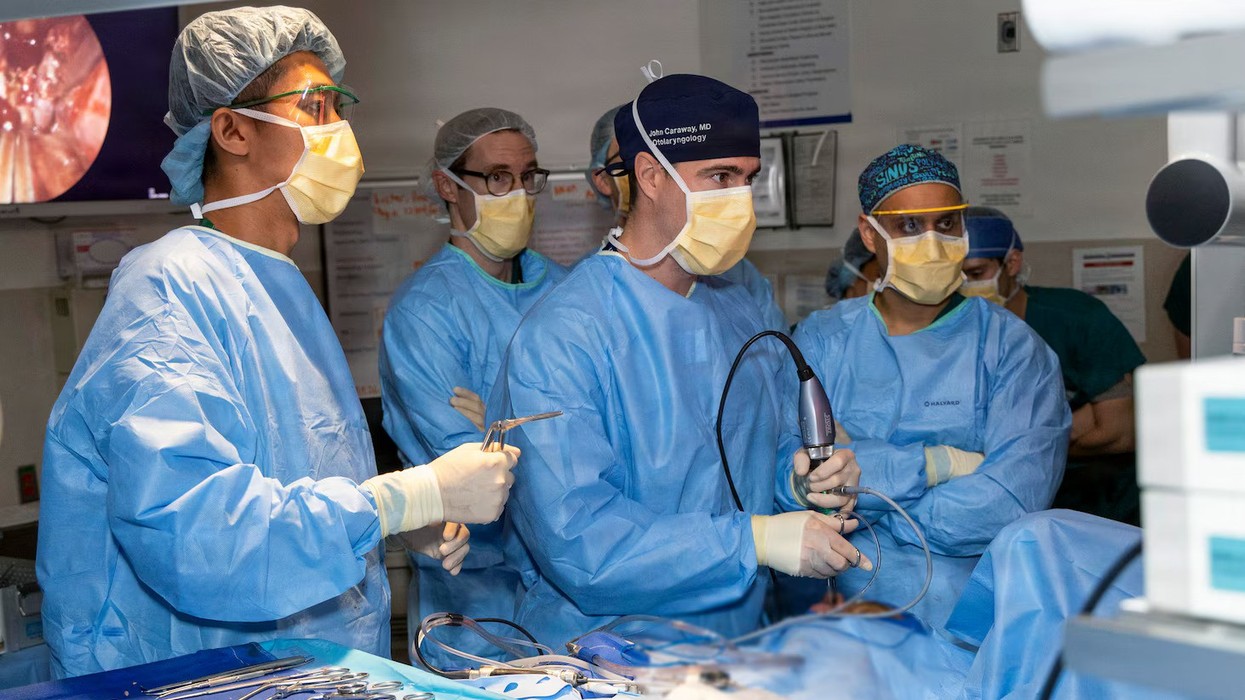
A US Army surgeon removed a golf ball-sized tumor from the base of the brain in an innovative procedure, using an endoscopic device through the patient’s nose.
Major Jagatkumar Patel, an anterior surgeon at the Walter Reed National Military Medical Centre near Washington DC, along with neurosurgeon Army Lt Col Charles Miller, carried out the surgical procedure on Marine Corps Staff Sergeant Andy Archer, who lived with the tumor for 15 years.
A statement from the Department of Defence said the procedure required highly synchronised collaboration between the two experts.
“Today, if a tumor is the appropriate size and location, open surgery just isn’t necessary. Through the nose, we get the best access and the best chance of complete removal,” Patel was quoted as saying.
He developed a plan to navigate the complex nasal anatomy and create a clear surgical pathway to remove the golf ball-sized tumor, measuring roughly 4.4 centimetres, sitting direct in front of the pituitary gland and pressing against his optic nerve.
Once the pathway was clear, Patel used an endoscopic camera to provide high-definition, close-up visualisation on a surgical monitor. This allowed Miller the crucial two-handed freedom to dissect and extract the tumor safely.
“If he needs to get to critical structures, I can drive the camera closer, so he has perfect visualisation,” Patel noted.
“Dr Miller takes on these complex cases when many surgeons wouldn’t want to risk the complications or step out of their comfort zone. My skills in navigating the nasal approach are only useful because he is skilled enough to completely remove the tumor once we get there. Dr Miller is very well equipped to do these surgeries. It is a true team effort,” Patel said.
In July, the team successfully removed more than 99 per cent of the benign mass. Still, a microscopic fraction of the tumor remained wrapped tightly behind Archer’s optic nerve, which, if removed, carried major risks, the statement said.
“You must ask, ‘Is it worth giving the patient a stroke or permanently changing their perfect vision just to get that last millimetre?’” Patel said.
Prioritising the patient’s health, the team decided to leave that final fraction, confident the tumor is highly unlikely to return.
“The biggest thing was to get the tumor out safely,” Patel said.
“A minimally invasive approach through the nasal passages is more challenging and we are mindful that [the tumor] has to be in a certain spot to go through the nose,” he said.
To complete the surgery, the team performed a reconstruction of the skull base, using a small graft taken from Archer’s leg to seal the area.
Just two days after surgery, sitting in the surgical intensive care unit at Walter Reed, there were no visible signs that Archer had just undergone major brain surgery. His vision had already started to clear, and while he was dealing with expected post-operative headaches and leg soreness from the graft, his spirits were high.
For surgeons Miller and Patel, and the Walter Reed skull base team, Archer’s remarkable outcome highlights a broader mission: ensuring military beneficiaries know that they do not need to look to the civilian sector for cutting-edge medical care. “I don’t think anyone else in the Defence Health Agency has this kind of team performing these complex skull base surgeries,” Patel said.
“Our goal is to make sure providers know this capability exists, so patients have the best options. Most patients are happy to stay in military healthcare,” he added.











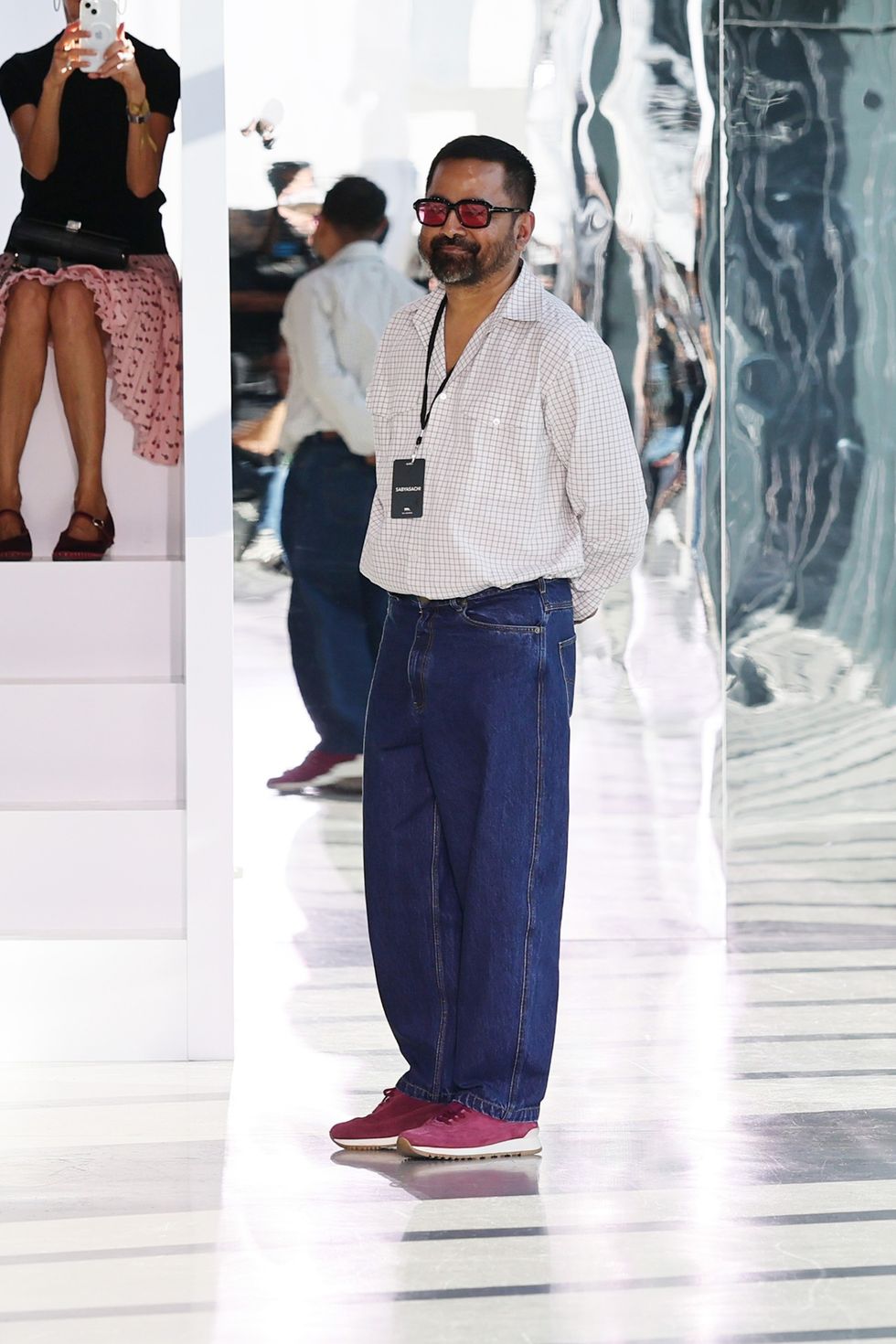 Sabyasachi Mukherjeex
 Christy Turlington opens the show in denim and jewelry from Sabyasachi’s collaboration with The Metropolitan Museum of ArtDia Dipasupil/Getty Images
  Models showcase looks from the Bengal Byzantine Broadway collectionx
 x
x x
x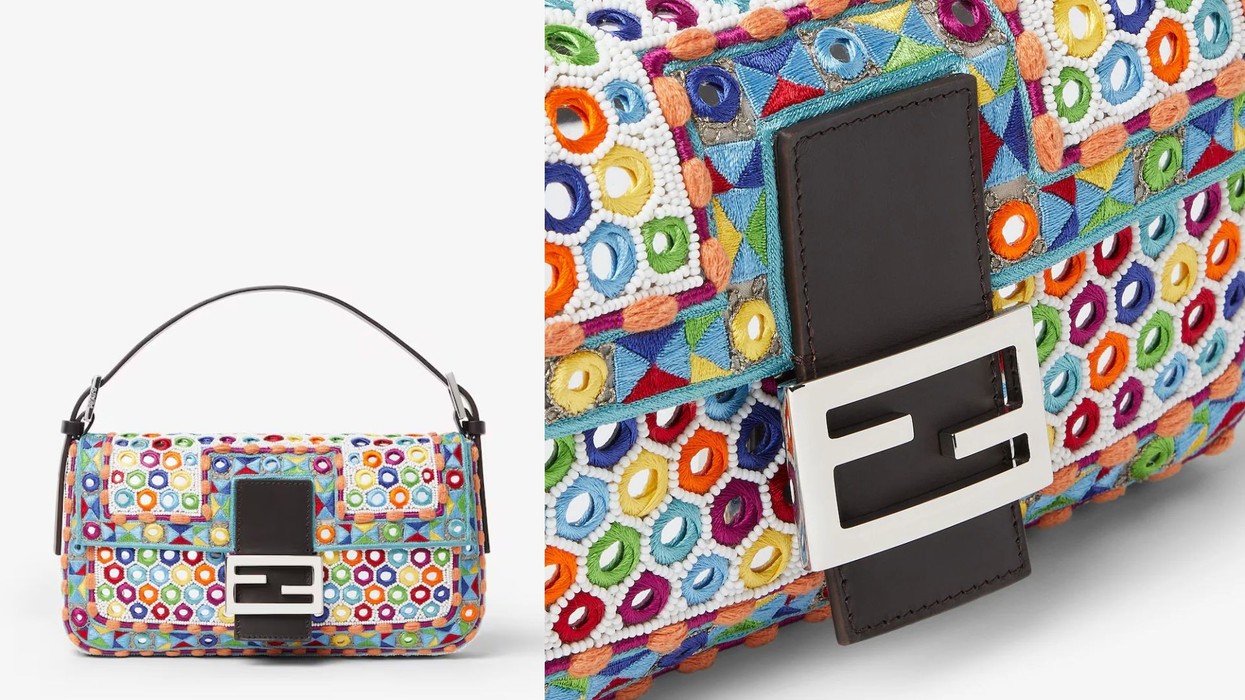
 The Fendi bag Fendi.com