Highlights:
- Indian American families are adapting Thanksgiving by combining traditional American dishes with Indian food such as biryani, pulao, dal and tandoori chicken.
- Thanksgiving has become an informal cultural tradition for many South Asian immigrants, alongside celebrations such as the Fourth of July.
- This year's holiday comes amid contentious debates over immigration enforcement and the future of immigrant families.
- The 1621 harvest gathering involving English settlers and the Wampanoag is widely associated with Thanksgiving, although historians note that the popular account is incomplete.
- Thanksgiving became a national observance under Abraham Lincoln in 1863, with the fourth Thursday of November fixed as the date in 1941.
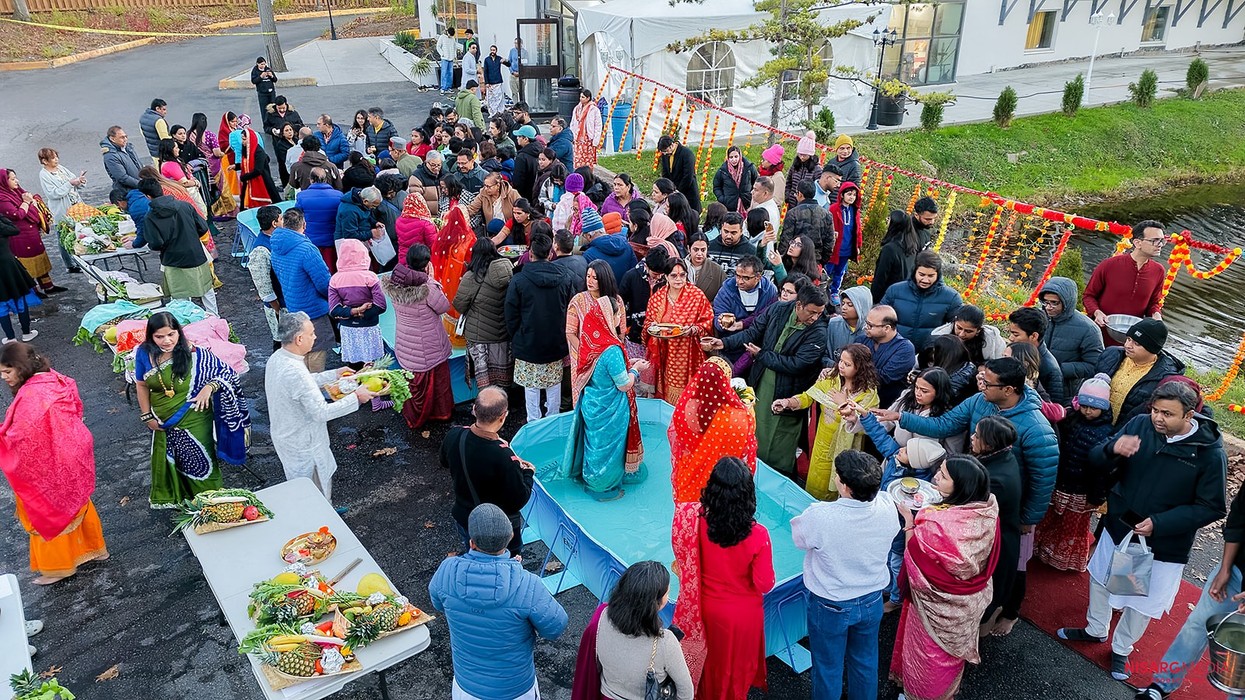
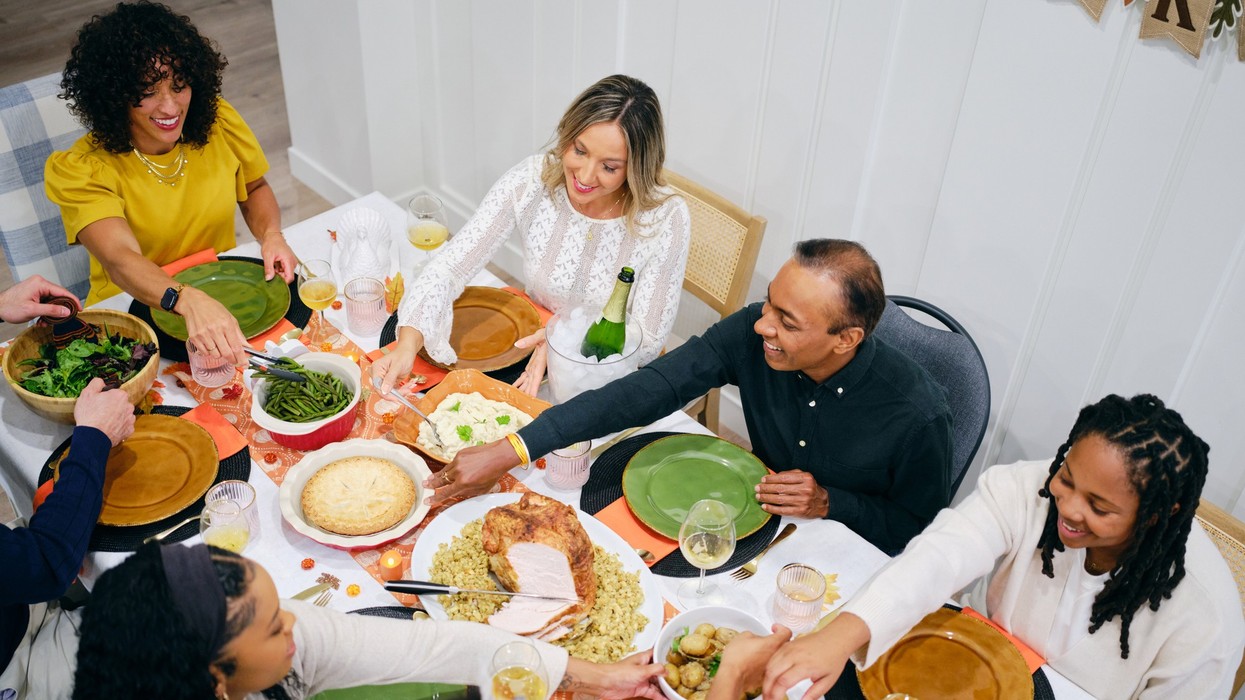
For many Indian American families, Thanksgiving dinner is rarely a one-bird affair. The traditional roast turkey may occupy the center of the table, but it often has to compete with biryani, pulao, dal, chicken curry, chutneys and an assortment of Indian desserts. Some households add Murgh Mussalam or tandoori chicken to the menu, while pumpkin pie shares space with kheer, gulab jamun and other familiar favorites.
The result is a distinctly South Asian version of an American holiday: one where the turkey is welcome, but Indian food is not going anywhere.
For generations of immigrants, Thanksgiving has been more than an opportunity to gather around a festive meal. Alongside the Fourth of July, it has become an informal introduction to American civic and cultural life. Families have embraced the traditions, hosted dinners, attended parades and learned the familiar stories associated with the holiday. But rather than replacing their heritage, many have brought it along.
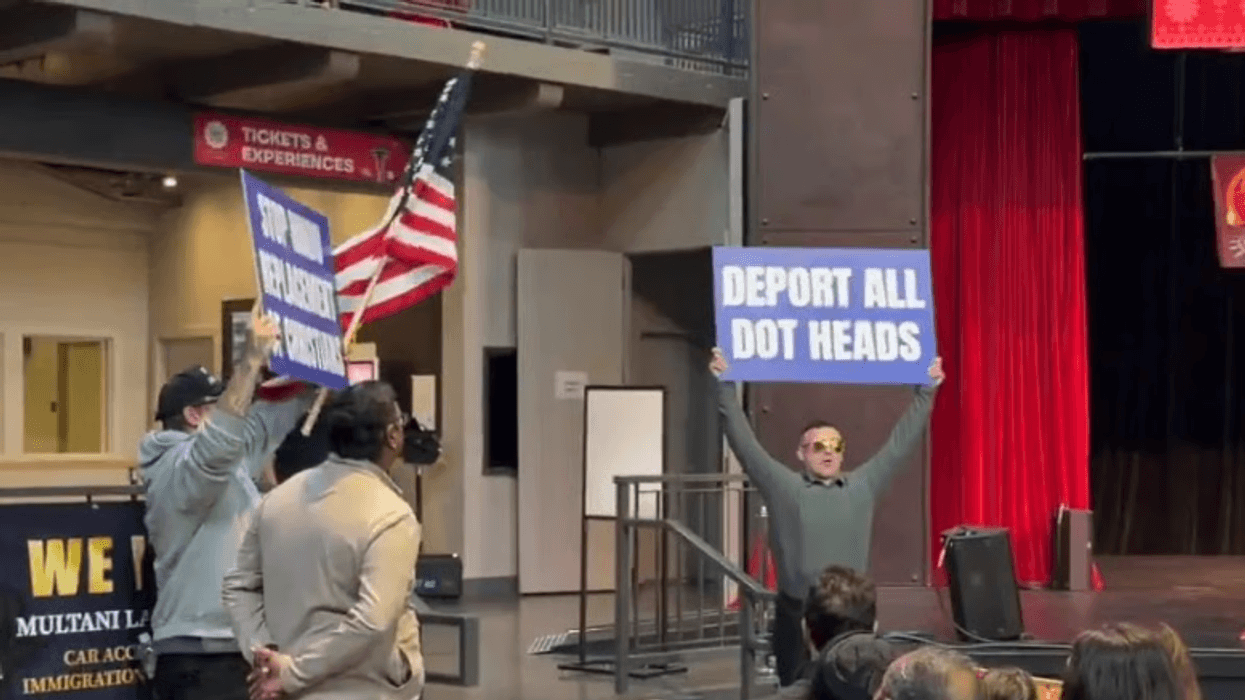
This year's Thanksgiving, observed on Thursday (26), arrives as immigration remains a contentious subject in American politics. For families navigating temporary visas, green card applications, mixed immigration statuses or relatives waiting to join them, debates over enforcement and immigration policy can make the idea of belonging feel less certain.
That tension is particularly striking given the story traditionally associated with Thanksgiving.
The holiday is commonly traced to a 1621 harvest gathering in Plymouth, Massachusetts, involving English settlers and members of the Wampanoag community. However, the familiar account of the so-called First Thanksgiving is more complicated than the popular version suggests. The National Archives notes that many details of the story were shaped decades and centuries later, while Indigenous perspectives also emphasize the devastating consequences of European colonization.
Thanksgiving did not immediately become an annual national holiday. George Washington proclaimed a national day of thanksgiving in 1789, but observances varied over the following decades. In 1863, during the Civil War, President Abraham Lincoln called for a national Thanksgiving observance. The date was eventually standardized in 1941, when Congress established the fourth Thursday of November as the federal holiday.
Over time, the holiday acquired traditions beyond the family meal. The Macy's Thanksgiving Day Parade became a major annual event in New York in 1924, while professional football also became closely associated with Thanksgiving. These rituals have helped turn the day into a shared national occasion, even for families whose roots lie elsewhere.
For Indian immigrants, participating in these traditions has often meant finding a balance between adopting a new culture and preserving an old one. A student attending their first Thanksgiving dinner in the United States, a professional hosting colleagues for a holiday meal, or a family celebrating with children born in America may experience the occasion differently. Yet the table frequently becomes a place where those experiences meet.
South Asian food has become one of the most visible expressions of that cultural blending. Indian American households have experimented with turkey marinades featuring yogurt, ginger, garlic and garam masala. Others prefer to retain the traditional American menu while adding a few family favorites. A 2019 report by The Juggernaut documented how South Asian families approached Thanksgiving in different ways, from Indian-style feasts to gatherings that followed American culinary traditions.
More recently, Indian families have continued to put their own spin on the holiday, with tandoori turkey, spiced side dishes and vegetarian spreads appearing alongside conventional Thanksgiving fare.
But the significance of the holiday goes beyond food. For many immigrants, the family gathering reflects a familiar South Asian instinct: hospitality. Guests are rarely expected to leave a home hungry, and celebrations often include enough food for relatives, friends and unexpected visitors. Thanksgiving offers an opportunity to bring that tradition into an American setting.
It also raises a more uncomfortable question: what does it mean to belong to a country that has repeatedly debated the place of newcomers?
Irish, Italian, Jewish, Chinese and South Asian communities have all experienced different forms of exclusion and suspicion in American history. The circumstances have varied, but the debate over who qualifies as fully American has resurfaced across generations. For immigrant families, this history makes the current political climate particularly difficult to ignore.
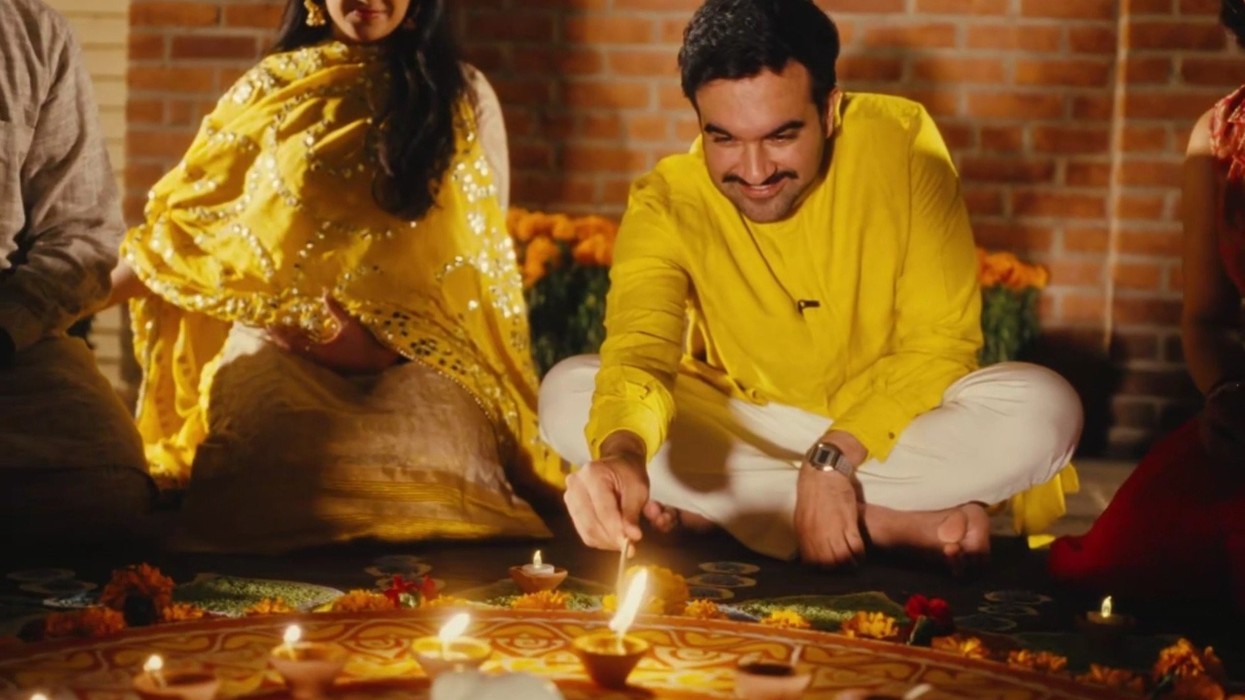
The Thanksgiving table offers a different picture. Children move between cultures with ease, parents preserve family recipes while embracing new customs, and conversations shift from cricket to football, Diwali to Christmas, and life in India to life in the United States.
These gatherings may not resolve the country's immigration debate, but they reveal how American identity is shaped in everyday life. It is not simply inherited or acquired through a single ceremony. It develops through relationships, shared experiences and the willingness of communities to make room for one another.
Perhaps that is why the Indian American Thanksgiving table rarely follows a fixed menu. The turkey arrives, but so does the pulao. Pumpkin pie has its place, but so does kheer. Another guest turns up, and another chair is found.
For a diaspora that has spent generations balancing two homes, Thanksgiving has become less about choosing between India and America and more about making space for both. The menu may be unconventional, but the message is familiar: belonging should leave room for everyone.