
- Some companies report just 20 to 40 per cent of business visa applications are being approved.
- Meetings are being shifted to Singapore, Thailand, Malaysia and Hong Kong.
- The problem could be particularly serious for manufacturers that depend on Chinese equipment and components.
For Indian companies that depend on China, getting an employee on a flight is becoming less straightforward.
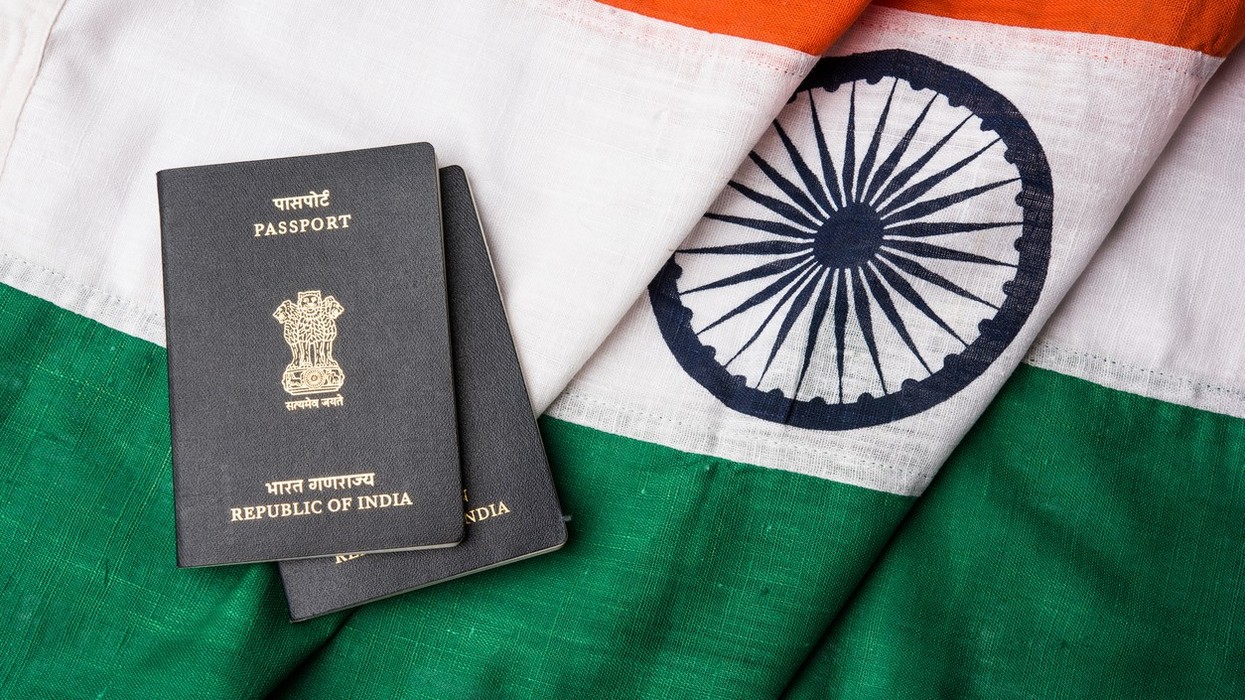
Business executives, engineers and technical specialists are reportedly facing increased scrutiny when applying for Chinese M visas, the category used for commercial and trade-related visits. Some Indian companies have told the Economic Times that only 20 to 40 per cent of their applications are now being approved, compared with near-complete approval rates in the past. Some firms have reported rejection rates as high as 95 per cent.
There is no reported blanket ban on Indian business travellers. The issue is the sharp fall in approvals and the increased uncertainty around applications.
For companies that regularly send people to China, that uncertainty can become a business problem.
When a visa delay becomes a factory problem
A rejected application does not necessarily end the process. Companies can submit a fresh application, but there is no guarantee that it will be approved.
That can make even routine business trips difficult to plan. Executives may need to visit suppliers, engineers may need to work on equipment, technical teams may have to troubleshoot production issues and managers may need to negotiate manufacturing arrangements in person.
Some Indian companies are now moving meetings to Singapore, Thailand, Malaysia and Hong Kong when travelling to China becomes too difficult.
That works for a boardroom meeting. It is less useful when someone needs to inspect a factory, install equipment or solve a technical problem on a production line.
The issue is particularly relevant for India's electronics and automobile manufacturing sectors. Executives from companies in these industries have said that, depending on the business, up to 50 per cent of capital goods and parts can come from China.
That means China remains an important part of the supply chain even as Indian companies look to diversify their sourcing.
The visa restrictions therefore create a problem that goes beyond travel. If technical staff cannot reach a Chinese supplier or manufacturing site when required, projects could face delays or companies may have to find alternative ways to provide support.
Why China's business visa matters
China's M visa is intended for foreigners travelling to the country for commercial and trade activities, including business meetings, negotiations, workshops and training.
Applicants generally need an invitation from a Chinese company, along with a valid passport, visa application form, photograph and supporting documents. The invitation typically needs to set out the purpose and dates of the visit, the places to be visited, the relationship between the companies and details of the inviting organisation.
Applications are submitted through the relevant Chinese visa application centre rather than simply being completed online and sent by post.
With applications now reportedly facing greater scrutiny, companies are paying closer attention to documentation and the exact purpose of travel. A complete application can avoid preventable problems, but it does not guarantee approval.
The wider concern for Indian businesses is the unpredictability. A company may have an established relationship with a Chinese supplier and a genuine reason for sending an engineer or executive, yet still face delays or rejection.
For businesses that have built their operations around regular movement between India and China, a routine business trip is becoming another uncertainty they have to plan around.


 The United States Capitol building in Washington, D.C.iStock
 Catch a show in New York's theatre districtiStock
 Relax at a beach in San DiegoiStock
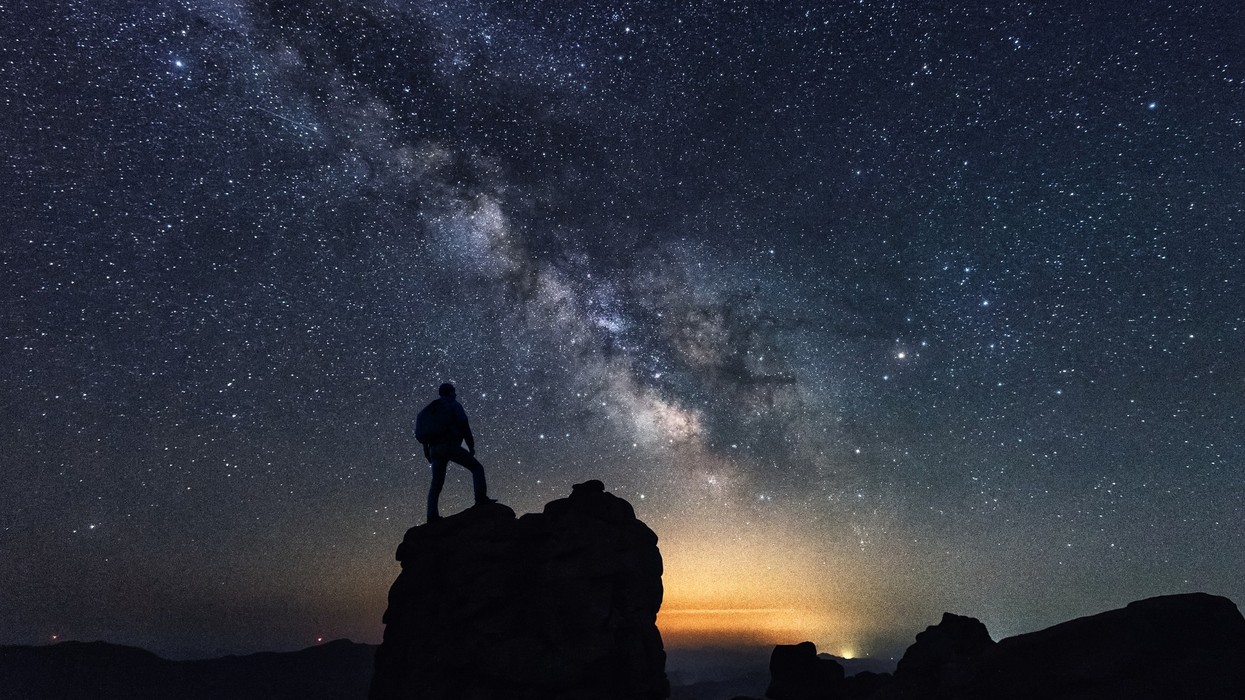
 Main street in Moab with many small shops and restaurantsiStock





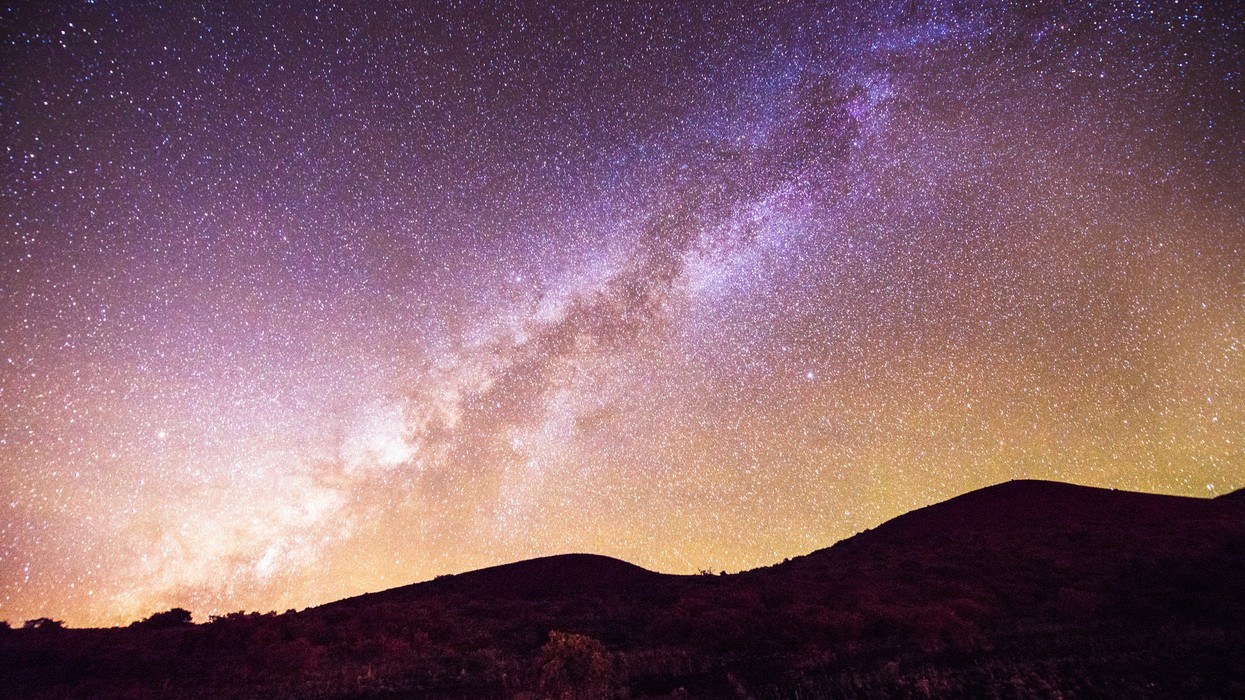 Night Sky from Mauna KeaiStock
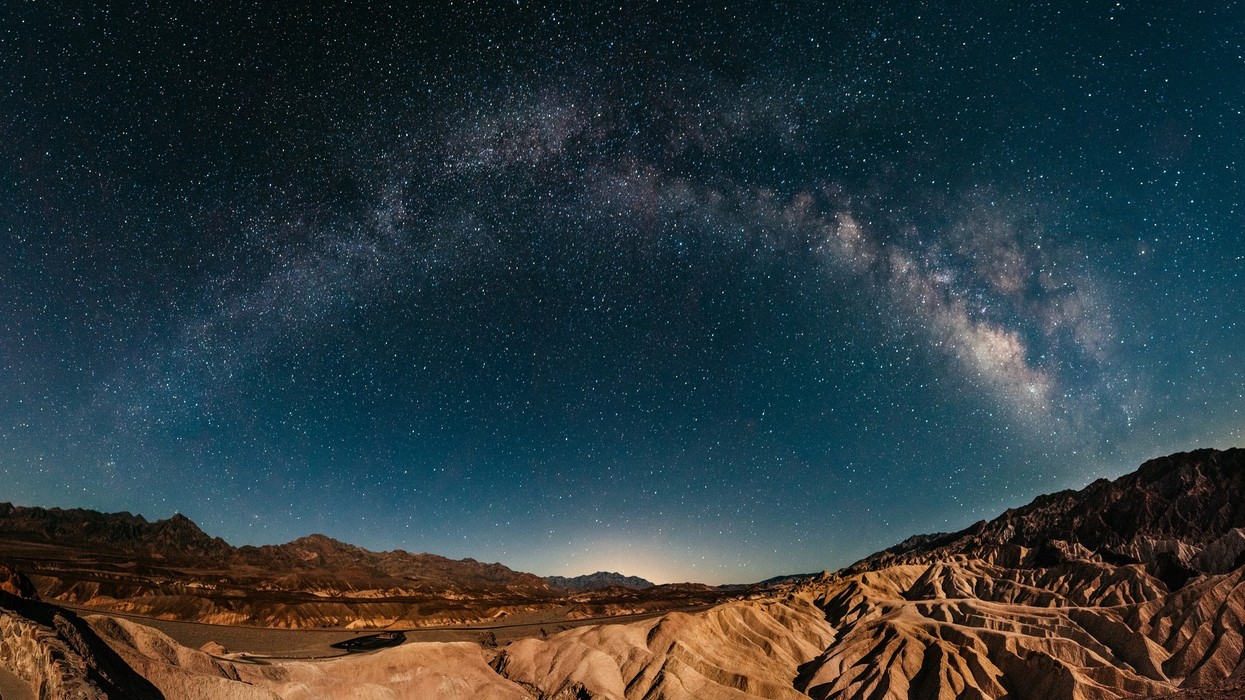 Milky Way from Death Valley National ParkiStock
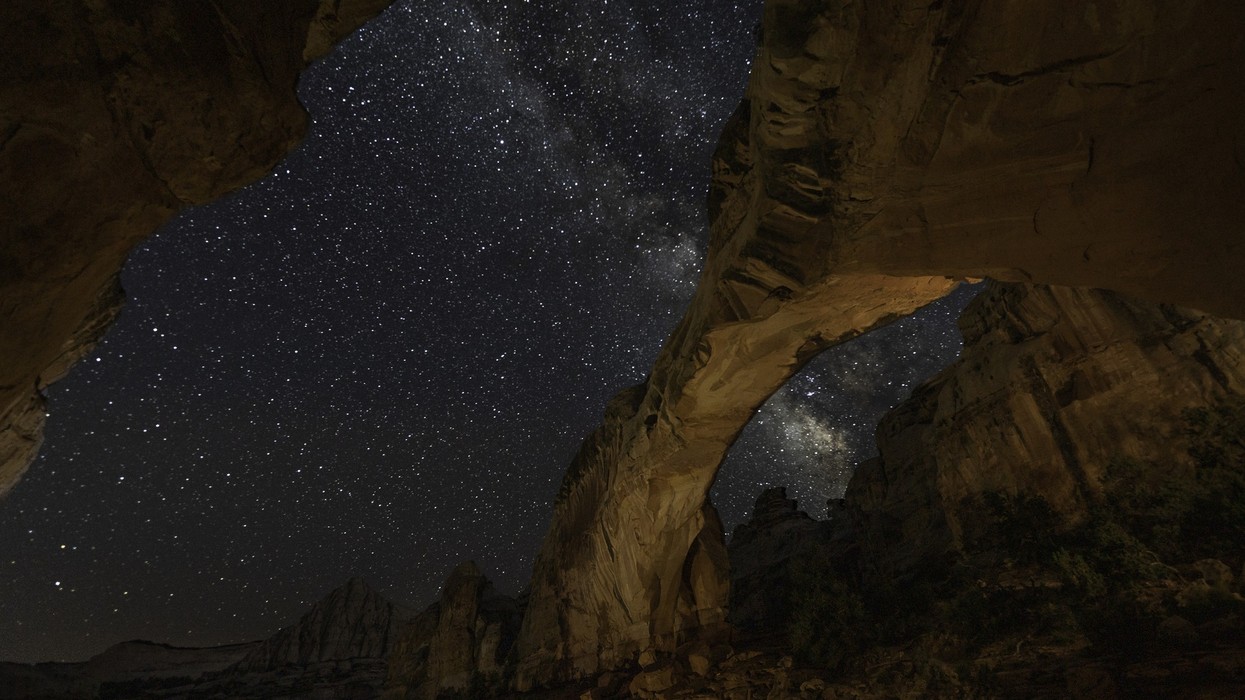 Natural rock formations framing the Milky WayiStock
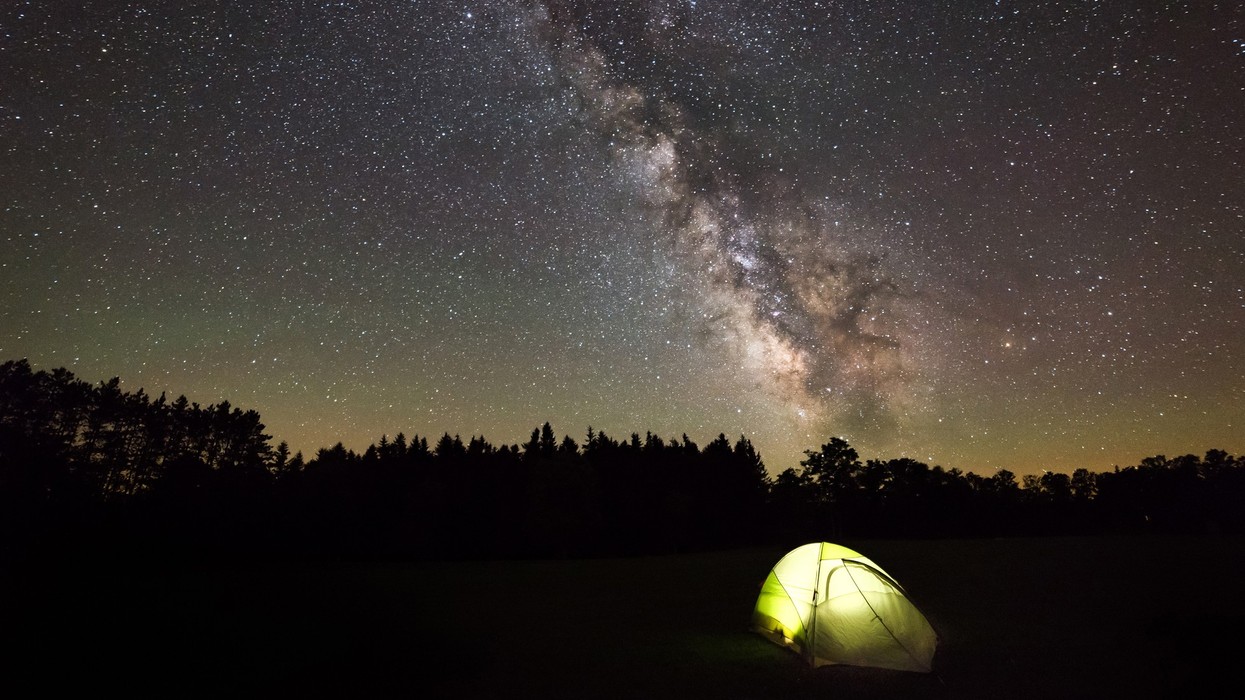 Milky Way from the Cherry Spring State ParkiStock
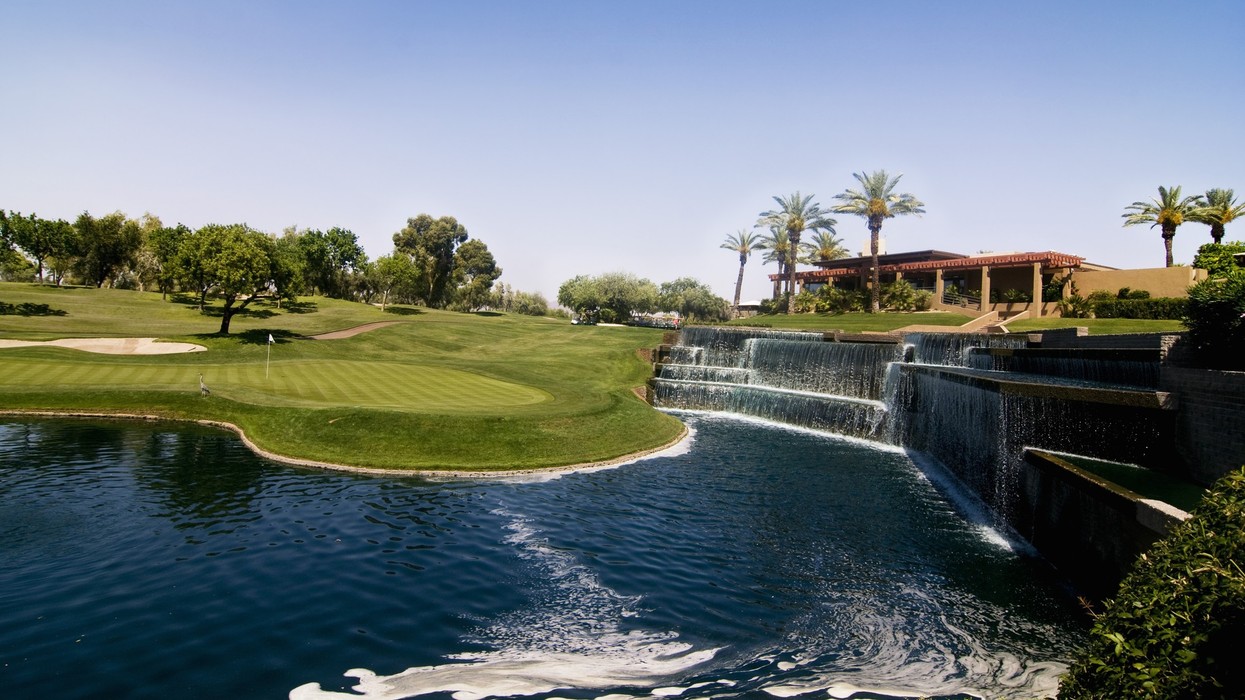 A luxury resort in Scottsdale, ArizonaiStock
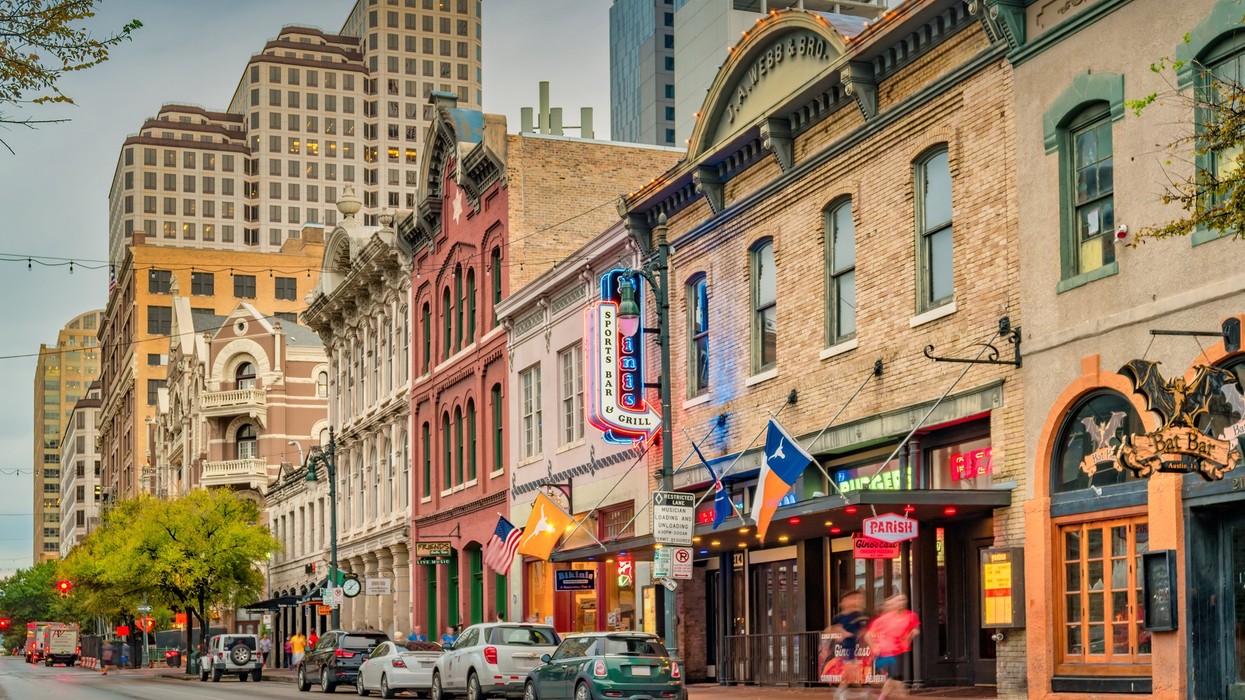 The famous entertainment district in downtown Austin
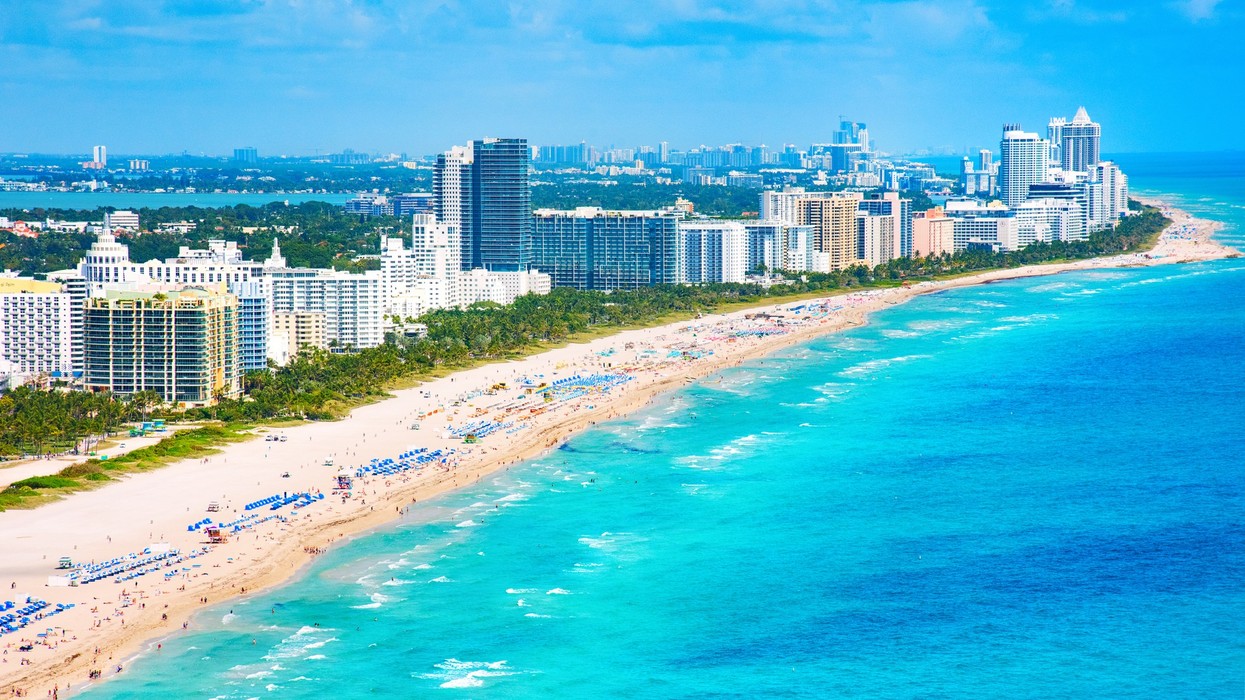 Aerial view of Miami's South BeachiStock
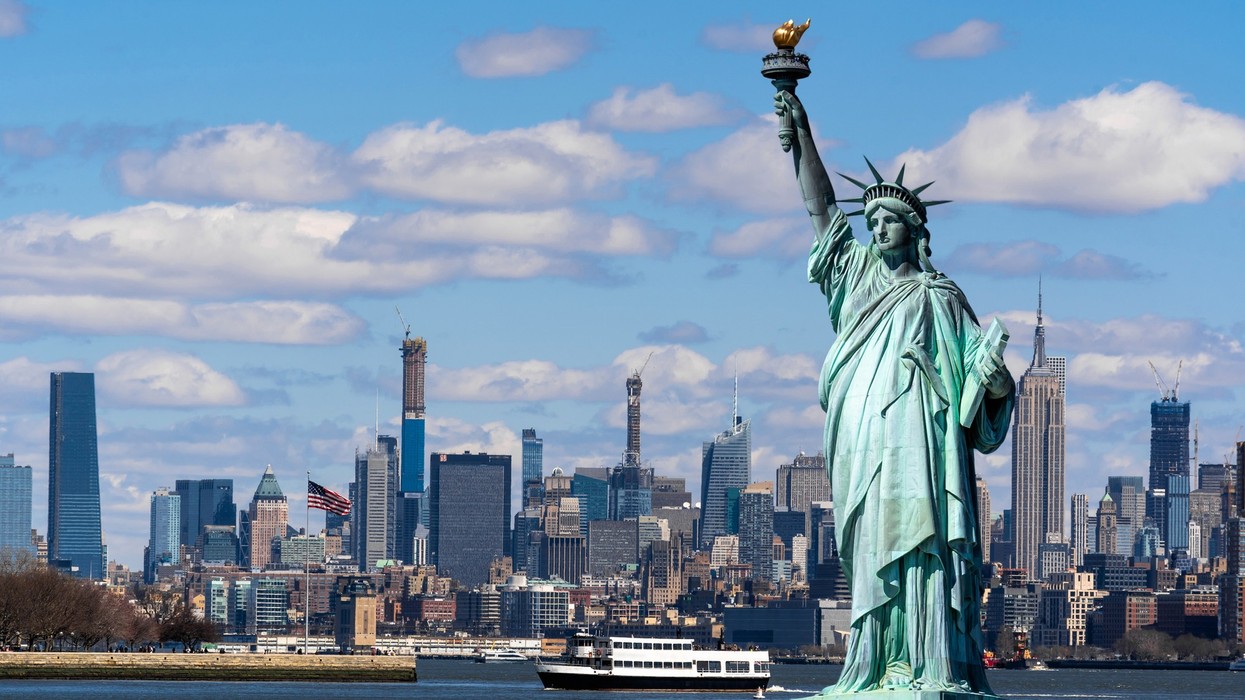 The State of Liberty, New YorkiStock
 Popular AI virtual assistant apps on a smartphoneiStock
 The biggest use case for gen AI is in travel planning and researchiStock
 Popular travel booking and preparation apps seen on a smartphoneiStock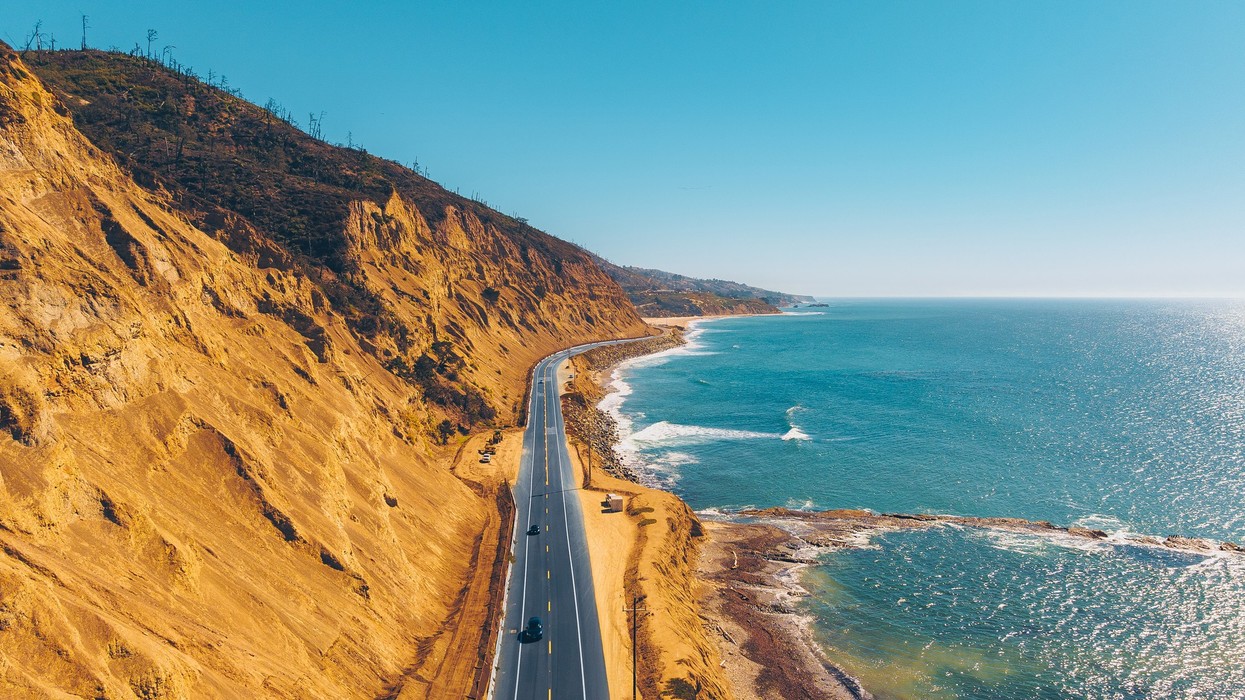
 Mt. Shuksan reflected in Picture lake at North Cascades National Park, Washington, USAiStock
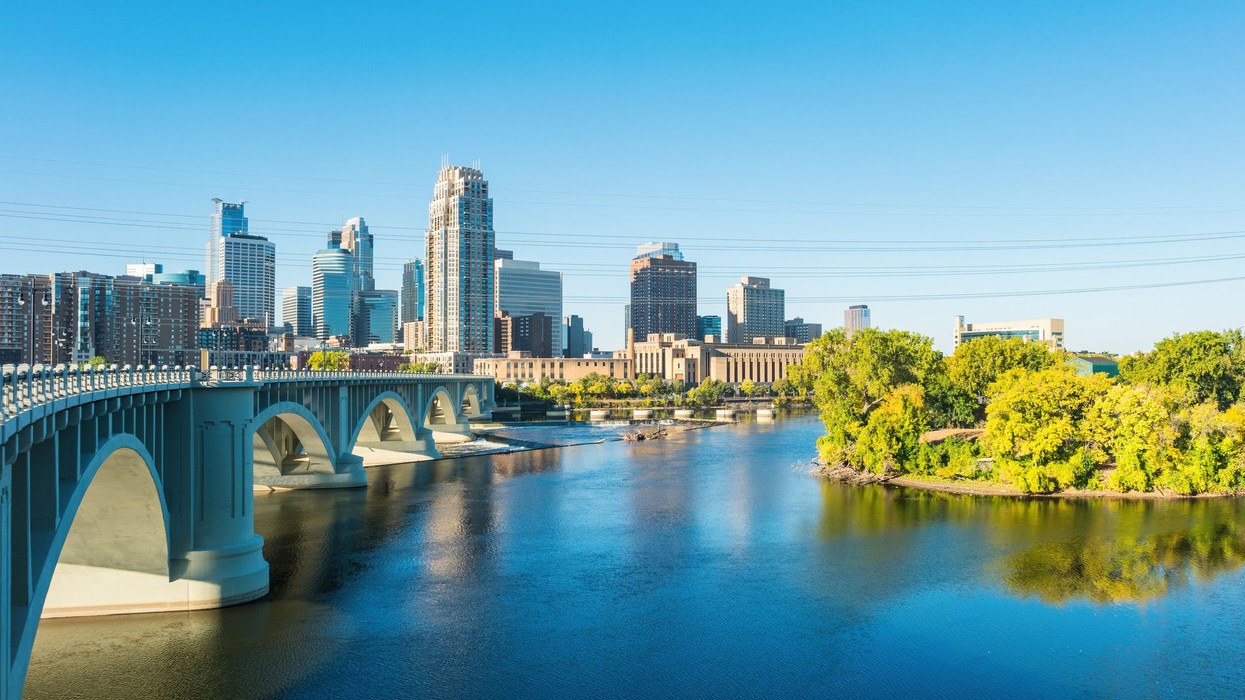 The Minneapolis skyline rising above the Mississippi River, Minnesota, USAiStock
 Fishing boat on the open water - Traverse City, MichiganiStock
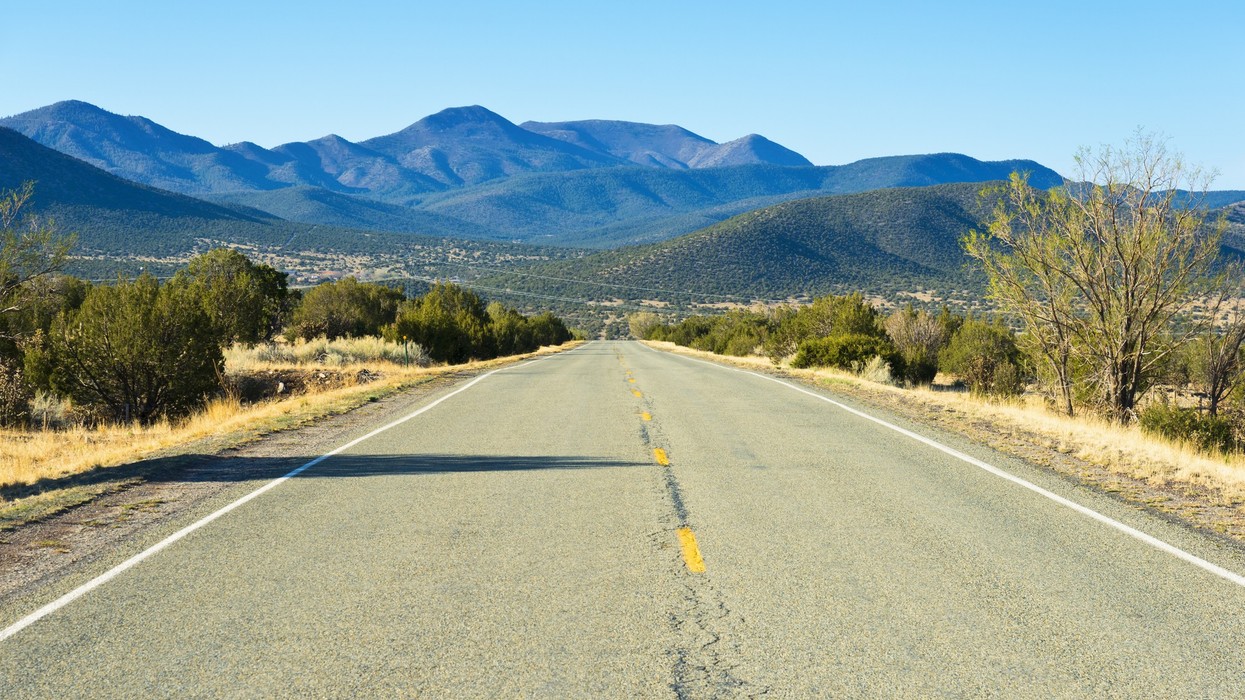 The Turquoise Trail in New Mexico with the Sandia Mountains in the backgroundiStock
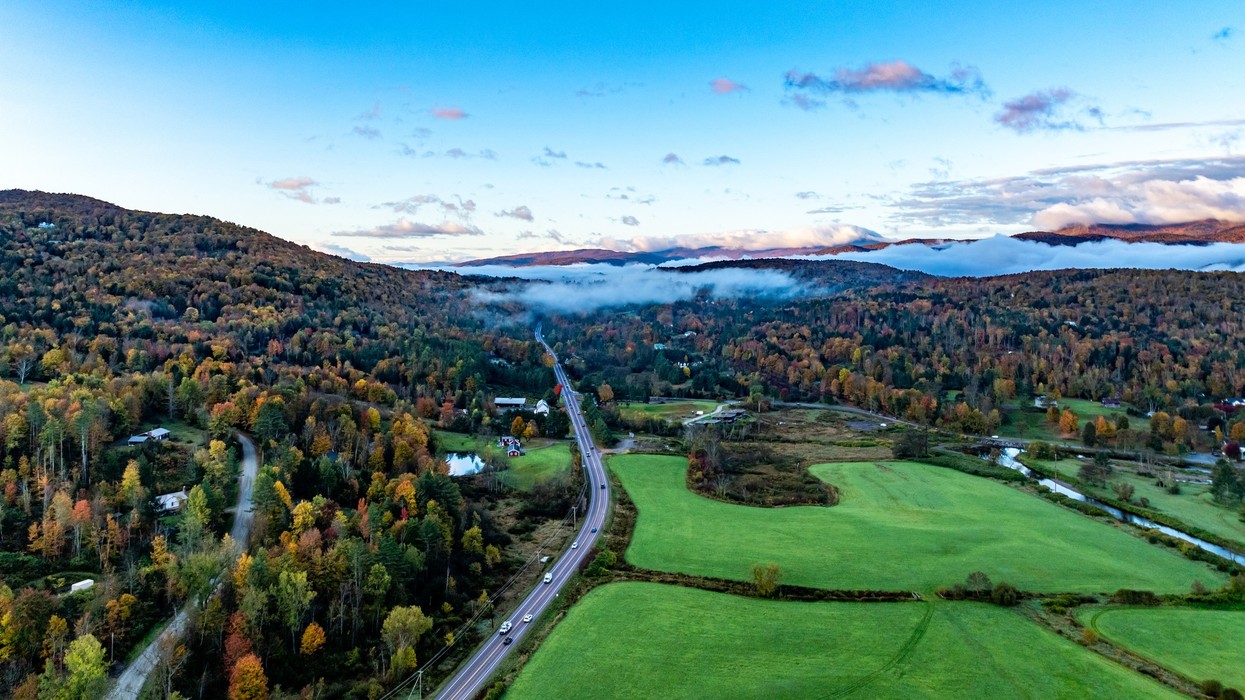 Aerial view of Highway Vermont 100 going through Stowe, VermontiStock