Highlights:
- Illinois laboratory owner Rajesh “Raj” Patel has been charged in an alleged $66.2 million Covid-19 testing fraud scheme.
- Prosecutors allege that at least 380,000 PCR tests were never performed.
- The laboratory reportedly received $44.1 million in federal payments from the alleged fraudulent claims.
- Patel allegedly personally obtained approximately $28 million from the scheme.
- The claims were submitted to HRSA's Uninsured Program, which covered Covid-19 testing for uninsured people.
- Patel faces five wire fraud counts and a maximum possible sentence of 20 years per count if convicted.
- Patel is presumed innocent unless proven guilty in court.
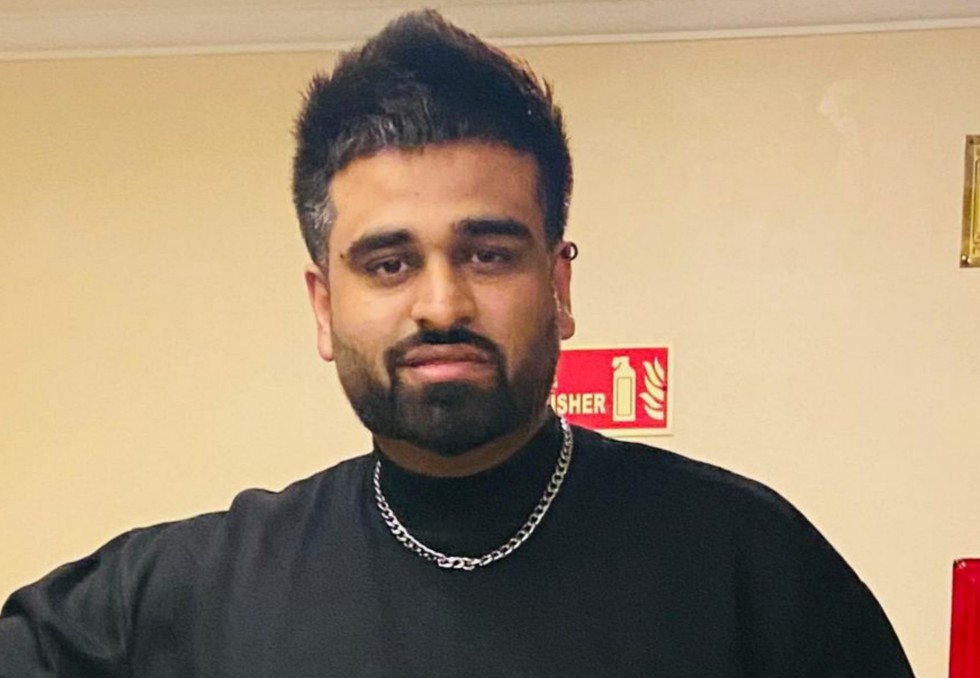
An Indian-origin Illinois laboratory owner has been charged in an alleged $66.2 million Covid-19 testing fraud scheme in which prosecutors say hundreds of thousands of tests were never performed, but fabricated negative results were used to claim federal reimbursements.
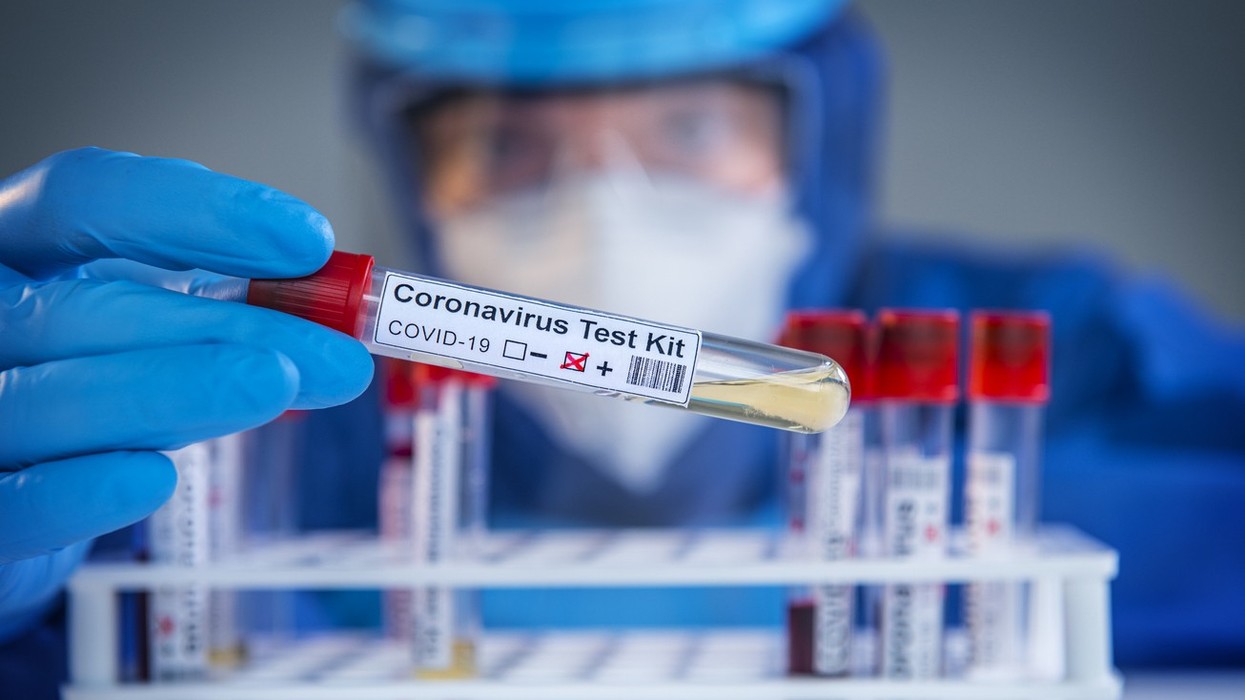
Rajesh “Raj” Patel, 52, of Schaumburg, Illinois, was indicted by a federal grand jury in the Northern District of Illinois on five counts of wire fraud, according to the US Department of Justice (DOJ). The indictment alleges that Patel orchestrated a scheme involving at least 380,000 Covid-19 polymerase chain reaction (PCR) tests between May 2021 and April 2022.
Investigators allege that Patel's laboratory submitted approximately $66.2 million in fraudulent claims to a federal program intended to cover Covid-19 testing costs for people without health insurance. The laboratory received approximately $44.1 million through those claims, while Patel allegedly obtained around $28 million in proceeds.
The charges relate to the alleged misuse of public funds during the Covid-19 pandemic, when the federal government financed testing services to help uninsured Americans access essential healthcare.
How the alleged fraud scheme worked
According to court documents cited by the DOJ, Patel was the co-owner and chief operating officer of a clinical laboratory in Hillside, Illinois, which processed PCR tests during the pandemic.
Around March 2021, the laboratory entered into an agreement with Meridian Medical Staffing Inc. (Meridian). Under the arrangement, the laboratory paid Meridian tens of millions of dollars to collect test specimens and provide the laboratory with those specimens and the associated biological information of purported patients.
However, prosecutors allege that many of the patients involved in the arrangement did not exist or had never provided test specimens to Meridian.
Between May 2021 and April 2022, Patel allegedly generated fabricated negative results for at least 380,000 PCR tests associated with specimens supplied by Meridian. The laboratory did not actually perform the tests, according to the indictment.
The fabricated results allegedly enabled the laboratory to submit claims to the Health Resources and Services Administration (HRSA) Uninsured Program, a federally funded initiative that covered Covid-19 testing costs for people without health insurance.
The DOJ alleges that the laboratory used these claims to obtain payments for testing services that had not been provided.
Of the approximately $66.2 million in claims submitted, the government paid around $44.1 million. Patel allegedly personally received approximately $28 million from the scheme.
The indictment does not establish guilt. Patel is presumed innocent unless proven guilty beyond a reasonable doubt in court.
What was the federal program intended to do?
The alleged fraud involved the HRSA Uninsured Program, which helped cover Covid-19 testing expenses for uninsured individuals during the public health emergency.
The program was designed to make testing accessible to people who did not have health insurance coverage. Federal funding supported access to services at a time when identifying infections was an important part of the public health response.
In announcing the charges, the DOJ said the alleged scheme exploited a federally funded initiative created to ensure uninsured individuals could access critical testing services during a national emergency.
Assistant Attorney General Colin M. McDonald of the DOJ's Fraud Division said the defendant allegedly fabricated hundreds of thousands of tests before billing the government. He added that the division would pursue individuals accused of stealing from federal healthcare programs.
FBI Chicago Special Agent in Charge Ryan Whalen said pandemic assistance programs were designed to support vulnerable members of society. He emphasized that healthcare providers entrusted with federal funds must submit accurate claims.
Thomas Ethridge, special agent in charge of the Department of Health and Human Services Office of Inspector General (HHS-OIG), said the investigation reflected efforts to protect taxpayer money and hold accountable those accused of exploiting government healthcare programs.
What charges does Patel face?
Patel has been charged with five counts of wire fraud. If convicted, he faces a maximum possible sentence of 20 years in prison on each count. The maximum penalties do not mean that he will receive those sentences if convicted.
The FBI's Chicago Field Office and HHS-OIG investigated the case. Claire Sobczak Pacelli, a trial attorney with the DOJ's Fraud Division Health Care Fraud Section, is prosecuting it.
The DOJ also highlighted its broader efforts to investigate healthcare fraud. Its Health Care Fraud Strike Force Program comprises nine strike forces operating in federal districts across the country. Since 2007, the program has charged more than 6,200 defendants who collectively billed federal healthcare programs and private insurers more than $45 billion, according to the department.
The case illustrates the scrutiny facing claims submitted to federally funded healthcare programs, particularly those established or expanded during the pandemic. The allegations center on whether public money was obtained by billing for tests that were never carried out.
The DOJ has stressed that an indictment is only an allegation. Patel remains presumed innocent until proven guilty beyond a reasonable doubt.