
Highlights:
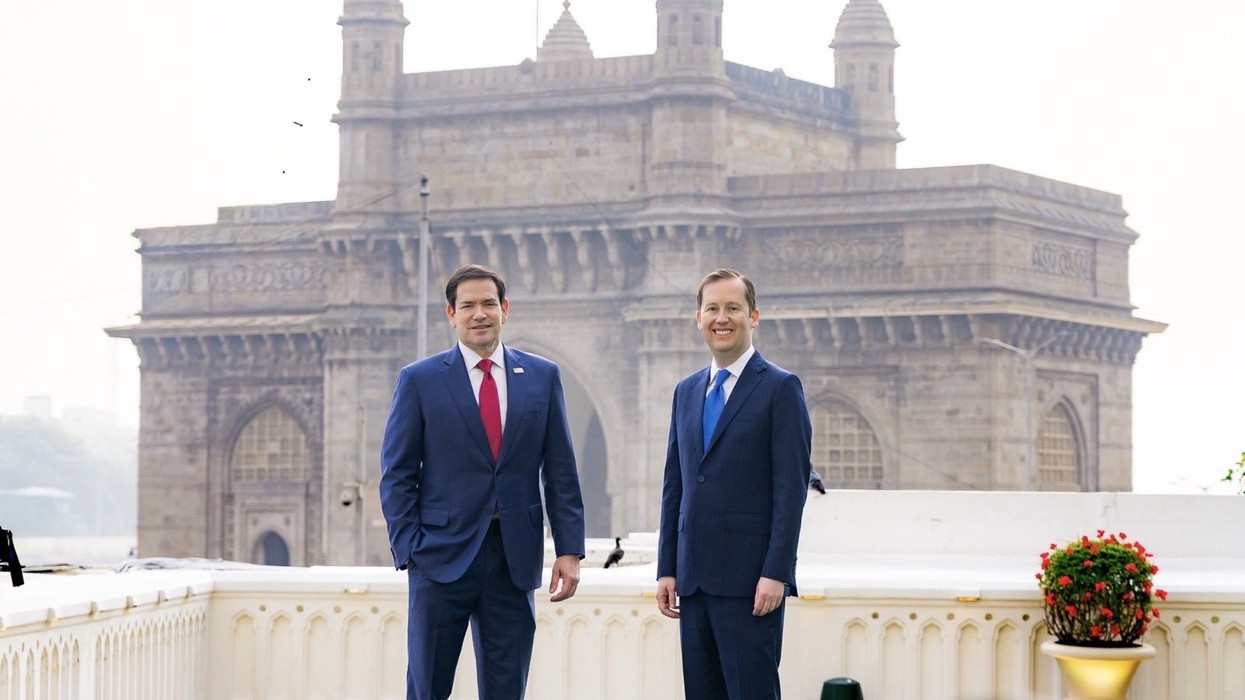
US Secretary of State Marco Rubio concluded his three-day visit to India on Thursday (22), saying Washington and New Delhi had advanced their economic and strategic priorities. His meetings in Mumbai and visit to Reliance Industries’ Jamnagar refinery highlighted trade, energy security, investment and counterterrorism as key areas of cooperation.
Here are the six key takeaways from the visit.
1. US-India trade deal moves closer
The United States and India appear closer to finalizing a trade agreement after more than a year and a half of negotiations, with tariffs and energy purchases remaining central to discussions. During his October visit to Mumbai, US Secretary of State Marco Rubio said the agreement was “very, very close” and that only a small number of items remained to be resolved.
In an interview with The Indian Express, Rubio said the two countries were “weeks, not months” away from finalizing the agreement, adding that he believed “99% of the work is done.” He cautioned, however, that the remaining language needed to be finalized before a deal could be signed.
The negotiations follow a major shift in US tariff policy. In February 2026, Washington reduced its reciprocal tariff on Indian goods from 25 per cent to 18 per cent and removed an additional 25 per cent tariff previously imposed in connection with India's Russian oil purchases. The two countries also announced a framework for an interim trade agreement, while committing to broader bilateral trade negotiations.
A final agreement could provide greater certainty for businesses trading between the two countries and help address disagreements over market access and energy policy. However, Rubio's visit did not produce a signed final deal, leaving its timing and remaining terms unresolved.
2. Energy security takes center stage
Energy cooperation emerged as a major focus of Rubio's visit, particularly during his trip to Reliance Industries' Jamnagar refinery in Gujarat. The facility has a combined crude-processing capacity of approximately 1.4 million barrels per day, making it the world's largest single-site refining complex. Its ability to process different grades of crude makes it strategically important as Washington seeks to expand energy trade with India.
Rubio discussed opportunities for India to increase its purchases of US and Venezuelan crude, with Reliance potentially playing a larger role in processing Venezuelan oil and exploring investment opportunities in Venezuela's energy sector. He said Indian refiners had the technical capability to process heavy crude and could contribute as Venezuelan production increased.
The push comes as India seeks to diversify its energy sources without disrupting supplies needed to power its economy. India imports more than 85 per cent of its crude oil requirements, making reliable access to international suppliers essential.
However, increasing Venezuelan oil imports is not simply a matter of political agreement. The crude is particularly heavy and sulfur-rich, limiting the number of refineries that can process it efficiently. Shipping costs and price competitiveness could also restrict additional purchases.
Rubio's visit therefore highlighted a potential area of commercial cooperation, but any expansion will depend on pricing, refining requirements, logistics and the availability of supplies.
3. Russian oil remains a sensitive issue
India's continued purchases of Russian crude remain a point of friction with Washington, even as both countries seek to conclude their trade negotiations. The Trump administration had previously imposed tariffs totaling 50 per cent on many Indian goods, partly in response to India's purchases of Russian oil. The reciprocal tariff was subsequently reduced to 18 per cent, and an additional 25 per cent tariff linked to Russian oil purchases was removed in February.
More recently, Washington waived potential additional measures targeting countries that continue buying Russian oil. Rubio said the decision reflected the need to consider wider economic consequences alongside pressure on Moscow over the war in Ukraine.
“Geography is real. For some countries, it is very difficult to acquire energy from alternative sources,” Rubio said, explaining why energy policy cannot be separated from the practical challenges countries face.
He also acknowledged India's efforts to diversify its energy portfolio, describing diversification as a “smart thing to do” while noting that changing suppliers cannot happen overnight.
The temporary easing of pressure does not mean the disagreement has disappeared. Washington continues to encourage India to broaden its sources of crude, including supplies from the United States and Venezuela, while India must balance geopolitical considerations against energy costs and supply security.
The issue is closely tied to the trade negotiations. Rubio has said the prospect of finalizing a deal was among the factors considered in decisions concerning Russian oil-related sanctions. Whether the two countries can reach an agreement that reduces trade tensions without creating new uncertainty over India's energy supplies remains a key test for the relationship.
4. Investment and business ties remain a priority
Rubio's visit highlighted Washington's interest in expanding commercial ties with some of India's largest business groups. In Mumbai, he met representatives from the Adani and Tata groups to discuss opportunities to increase trade, investment and economic cooperation. He also visited Reliance Industries' Jamnagar refinery in Gujarat, where discussions focused on energy and commercial partnerships.
The engagements came as the US and India seek to strengthen economic ties amid ongoing trade negotiations. Greater cooperation could create opportunities across energy, manufacturing, infrastructure and critical technologies, while helping businesses in both countries access new markets.
Reliance's presence in the US energy sector adds another dimension to the relationship. The company's investment interests and refining capabilities could support expanded commercial links, particularly if Washington and New Delhi reach agreements on energy trade.
However, the meetings did not result in any publicly announced investment commitments in the supplied account. Their significance lies primarily in identifying opportunities and maintaining business engagement while the broader trade relationship continues to evolve.
5. Counterterrorism remains a shared priority
Rubio and India's External Affairs Minister S. Jaishankar laid a wreath at the 26/11 Memorial at Mumbai's Taj Mahal Palace Hotel, honoring victims of the November 2008 terrorist attacks, including six American citizens.
The gesture carried significance for both countries, as the attacks remain a major reference point in India-US counterterrorism cooperation. The coordinated attacks across Mumbai killed 166 people and targeted several locations, including the Taj Mahal Palace Hotel.
Rubio addressed the memorial visit in a post on X, writing: “We remember those lost, honour the courage of those who responded, and reaffirm the enduring US-India partnership and our shared commitment to combating terrorism.”
The visit underscored the continued importance of intelligence sharing, security coordination and efforts to counter terrorist networks. It also highlighted the human cost of terrorism and the shared interests that underpin cooperation between the two countries.
Although the memorial ceremony was symbolic, it reinforced a central element of the bilateral relationship: counterterrorism remains an area where Washington and New Delhi have strong common interests, even when disagreements persist over trade and energy policy.
6. Strategic cooperation extends beyond trade and energy
Beyond commercial ties, Rubio's discussions with Jaishankar covered defense cooperation, critical technologies and regional security, including the crisis in West Asia.
These areas reflect the broader strategic importance of the US-India relationship. Both countries have an interest in maintaining stability across the Indo-Pacific, strengthening economic resilience and expanding cooperation in technologies that could shape future security and industrial capabilities.
Rubio's visit also emphasized the US commitment to a “prosperous and secure Indo-Pacific,” according to the US Mission in India's statement. That objective places bilateral ties within a wider regional framework, extending beyond immediate trade negotiations.
For India, cooperation with Washington offers opportunities to deepen defense and technology partnerships while maintaining flexibility in its relationships with other countries. For the United States, closer engagement with India supports its economic and strategic interests in a region of growing global importance.
The visit did not announce a major new defense or technology agreement in the supplied account. Instead, it reinforced existing priorities and provided an opportunity to discuss areas where cooperation could expand.
The next test will be whether the positive diplomatic tone translates into concrete outcomes in trade, energy, defense and technology.