

RESCUE officials on Tuesday (21) released the first video of the workers trapped inside the Silkyara tunnel in Uttarkashi district of the northern Indian state of Uttarakhand for 10 days.
The visuals were captured using an endoscopic camera sent in through the alternative 6-inch pipeline, which was pushed in through the rubble of the collapsed tunnel on Monday (20).
The camera was sent in after it came from Delhi late on Monday evening. In the video, the workers, who are from various states of the country wearing yellow and white helmets, are seen receiving food items sent to them through the pipeline and talking to each other. This comes as a big relief to the families of these workers.
Director of India's National Highways and Infrastructure Development Corporation Limited Anshu Manish Khalkho had earlier said that cameras would be inserted through the pipeline to see how the workers were doing. Rescue operations are being carried out on a war footing since portions of the tunnel collapsed following a landslide early on November 12, leaving 41 workers trapped behind a huge mound of debris.
Till Monday, a four-inch existing tube was being used to supply oxygen and items such as dry fruits and medicines into the section of the tunnel beyond the rubble of the collapsed portion.
The six-inch pipeline will allow rescuers to send in larger quantities of food. According to officials, food items like porridge, khichdi, sliced apples and bananas can be sent in through the new pipeline.
Also, mobile phones and chargers could be sent to the workers.
The Silkyara tunnel, about 30 kilometres from the district headquarters of Uttarkashi, is part of the ambitious Char Dham all-weather road project of the federal government.
(PTI)





 A 1996 photo of rapper Tupac Shakur (L) and Marion "Suge" Knight is shown on screens during closing arguments in the Duane Davis murder trial, related to the 1996 killing of rapper Tupac Shakur, at Clark County District Court at the Regional Justice Center in Las Vegas, Nevada, on August 31, 2026. Getty Images





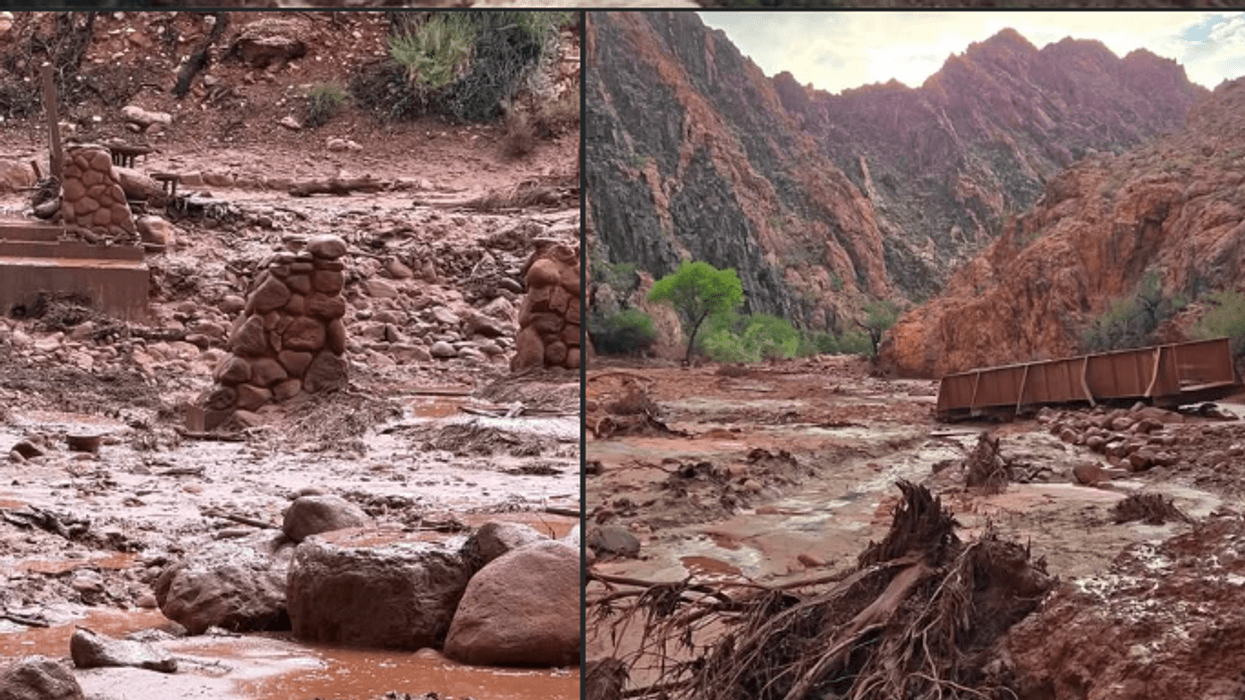

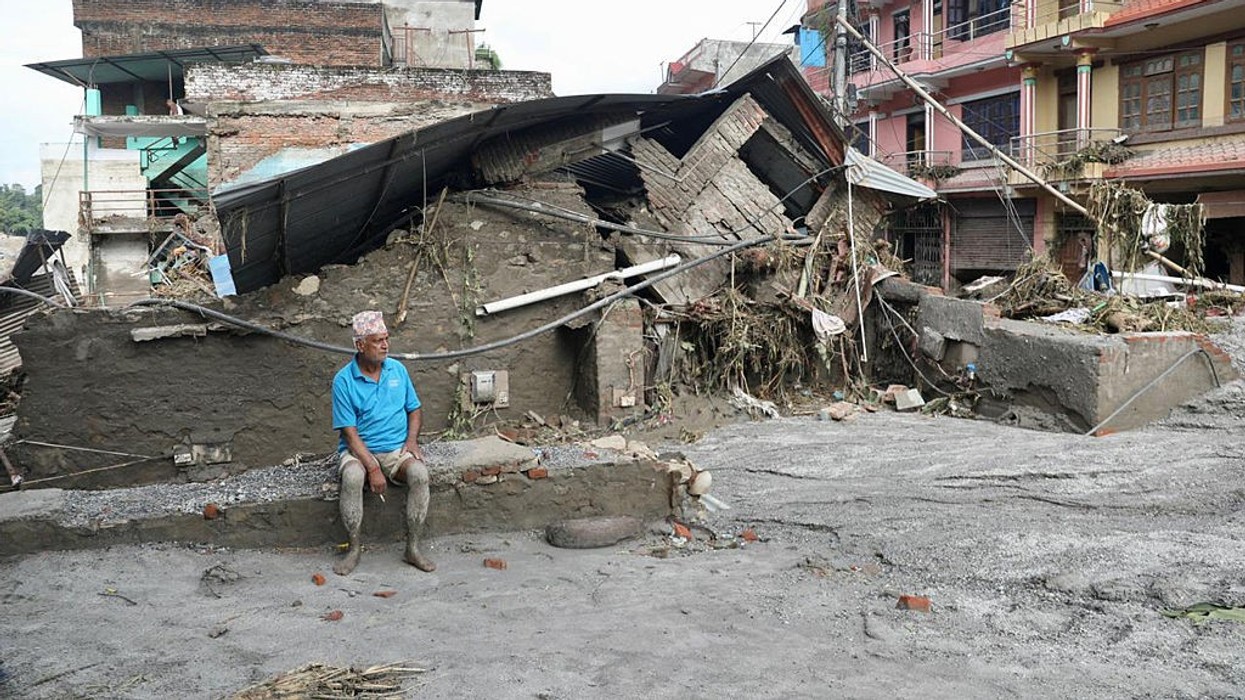
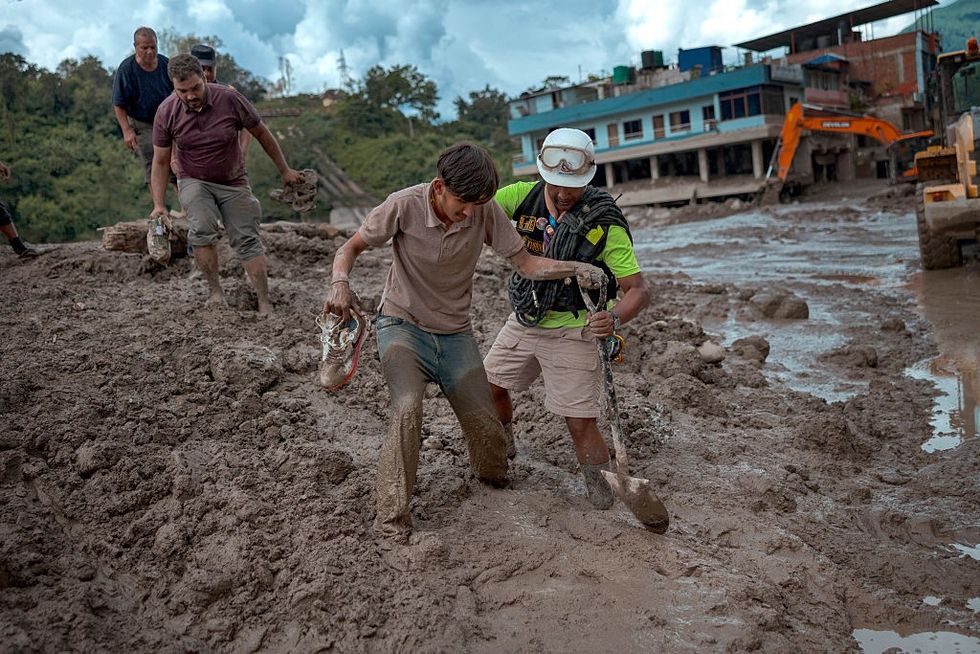 A rescuer assists a resident through heavy mud following flash floods on August 27, 2026 in Trishuli, Nepal. A sudden flood swept through the Bhote Koshi River basin in northern Rasuwa on August 26, damaging settlements, roads and energy infrastructure as rescue teams searched for residents and foreign travellers reported out of contact. Hundreds were reported missing, as the death toll started to climb.Getty Images
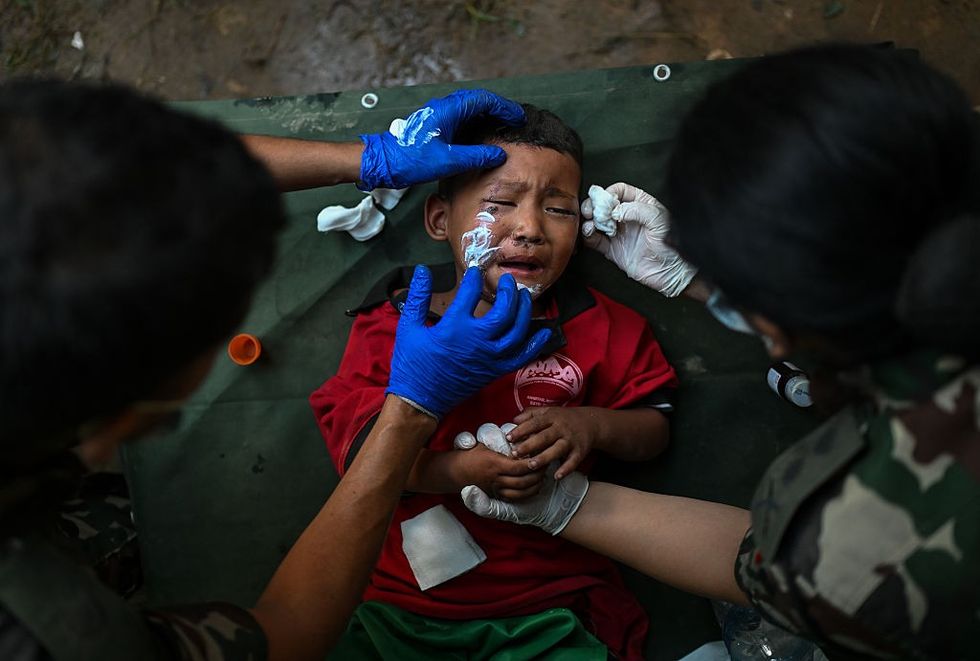 Rescue personnel provide medical treatment to a child at an army rescue camp in Trishuli Batar, Nepal, on August 27, 2026. A sudden flood swept through the Bhote Koshi River basin in northern Rasuwa on August 26, damaging settlements, roads and energy infrastructure, as rescue teams searched for residents and foreign travellers reported out of contact. Hundreds were reported missing as the death toll began to climb. Getty Ima
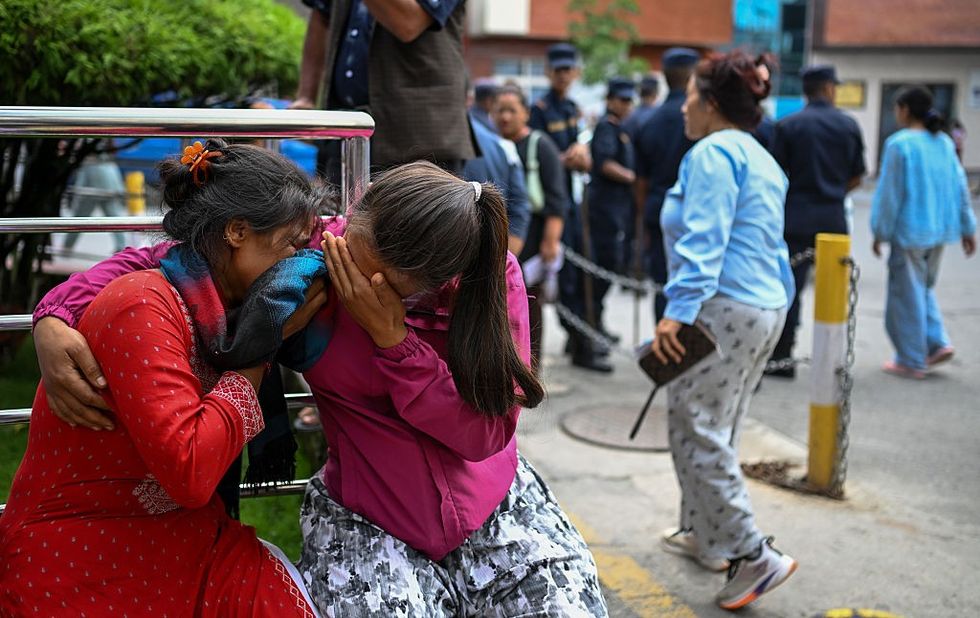 Family members of missing flood victims react at the emergency ward of the Maharajgunj Medical Campus, part of the Tribhuvan University Teaching Hospital, on August 28, 2026 in Kathmandu, Nepal. Authorities said the flash floods were triggered after a mass of ice, mud and rock collapsed into a Himalayan river near the Nepal-China border, leaving hundreds dead or missing and causing widespread damage in affected districts. Authorities continued the gruelling search for victims, many buried under metres of mud, as both China and Nepal issued fresh flooding alerts.Getty Images