
The Israeli Air Force carried out its largest wave of airstrikes yet against Hezbollah on Wednesday (8), the military said. This came after Israel announced it would continue fighting the Iran-backed group in Lebanon despite a two-week ceasefire with Iran that began hours earlier.
The strikes happened as Hezbollah told civilians not to return to southern Lebanon before an official ceasefire. A Hezbollah official said the group had not committed to the ceasefire because Israel had not either.
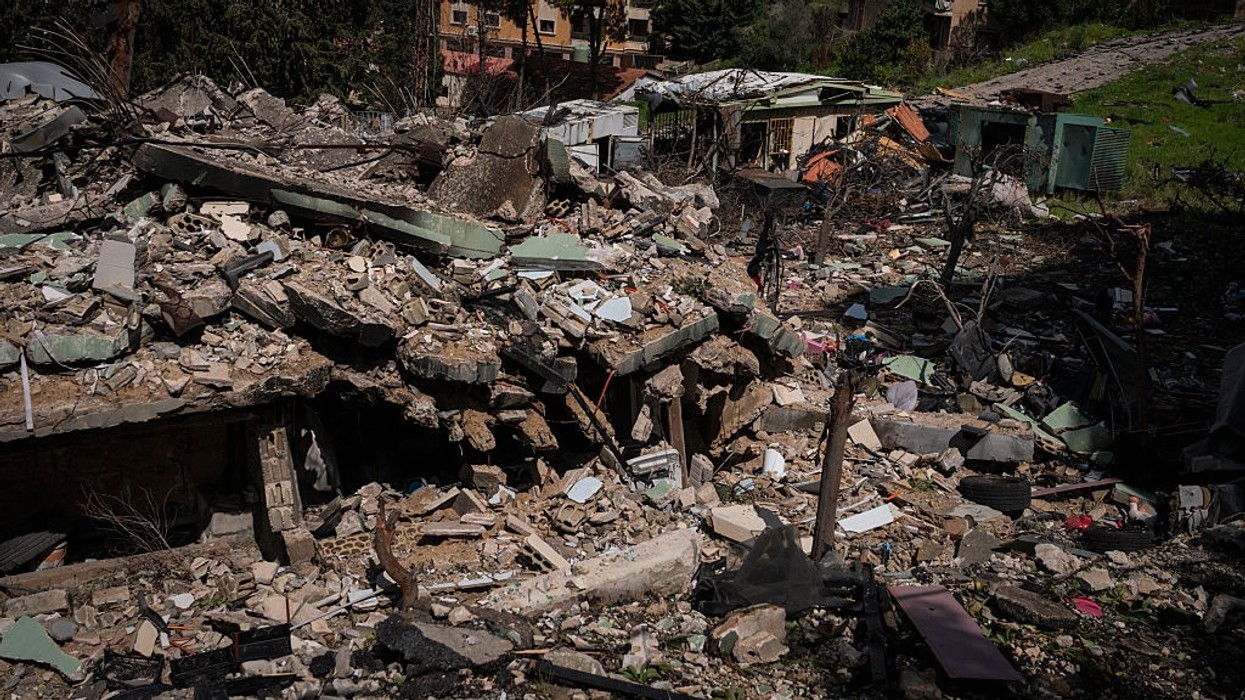
The Israel Defense Forces said the strikes targeted Beirut, the eastern Beqaa Valley, and southern Lebanon. It issued evacuation warnings for civilians in Beirut’s southern suburbs and parts of southern Lebanon before the attacks.
A source in Lebanon’s civil defense reported dozens killed in Beirut. The Lebanese health ministry asked people to clear roads for ambulances. At least a dozen more were killed in strikes in the southern cities of Sidon and Tyre, according to authorities and state media.
Defense Minister Israel Katz said the strikes targeted “hundreds of Hezbollah operatives.”
Two military officials said the airstrikes were not the final phase of the campaign and that fighting would continue until Israel’s political leadership decides otherwise.
Pakistan’s prime minister, who helped mediate between the US and Iran, said the ceasefire would also include Lebanon. Iran said the same, but Israel rejected this and said its operations against Hezbollah would continue. The US has not commented.
Hezbollah mostly held its fire during the day, but later launched a rocket toward Israel’s Galilee. Sirens sounded in border communities, but the rocket landed in an open area and caused no injuries.
IDF Chief of Staff Lt. Gen. Eyal Zamir said, “will continue to strike the Hezbollah terror organization and seize every opportunity. We will not compromise on the security of northern residents. We will continue to attack without pause.”
The military named the operation “Eternal Darkness.”
Officials said the strikes were planned weeks ago, after the Iran conflict began on February 28 and Hezbollah joined on March 2. They said the plan would have gone ahead regardless of any ceasefire.
According to the IDF, 50 fighter jets dropped about 160 bombs on 100 targets in 10 minutes across Lebanon.
Targets included Hezbollah command centers, intelligence sites, and infrastructure used to plan attacks on Israeli troops and civilians. The strikes also hit rocket and naval units, as well as assets of the Radwan Force and aerial unit.
“This is the largest attack carried out against Hezbollah’s infrastructures since the start of Operation Roaring Lion,” the IDF said.
The military said many targets were located within civilian areas, accusing Hezbollah of using civilians as human shields.
Katz said the strikes were “the largest concentrated blow Hezbollah has suffered since the pager operation.”
He also warned Hezbollah leader Naim Qassem that “Hezbollah would pay a very heavy price for attacking Israel on behalf of Iran, and his personal turn will also come.”
The IDF said Hezbollah had moved away from its stronghold in Beirut’s southern suburbs and was repositioning in other parts of the city.
Lt. Col. Ella Waweya warned civilians, “the destruction that Hezbollah brought upon the Dahiyeh will move with it as well.”
“Hezbollah terror operatives, there is no safe place for you. The IDF will continue to pursue you and operate with great force,” she added.
In some areas of Beirut, strikes came without warning, causing panic among residents.
“I saw the blast, it was very strong, and there were children killed, some with their hands cut off,” said Yasser Abdallah.
“A plane struck, and people started running left and right, and smoke was billowing,” said another witness, Ali Younes.
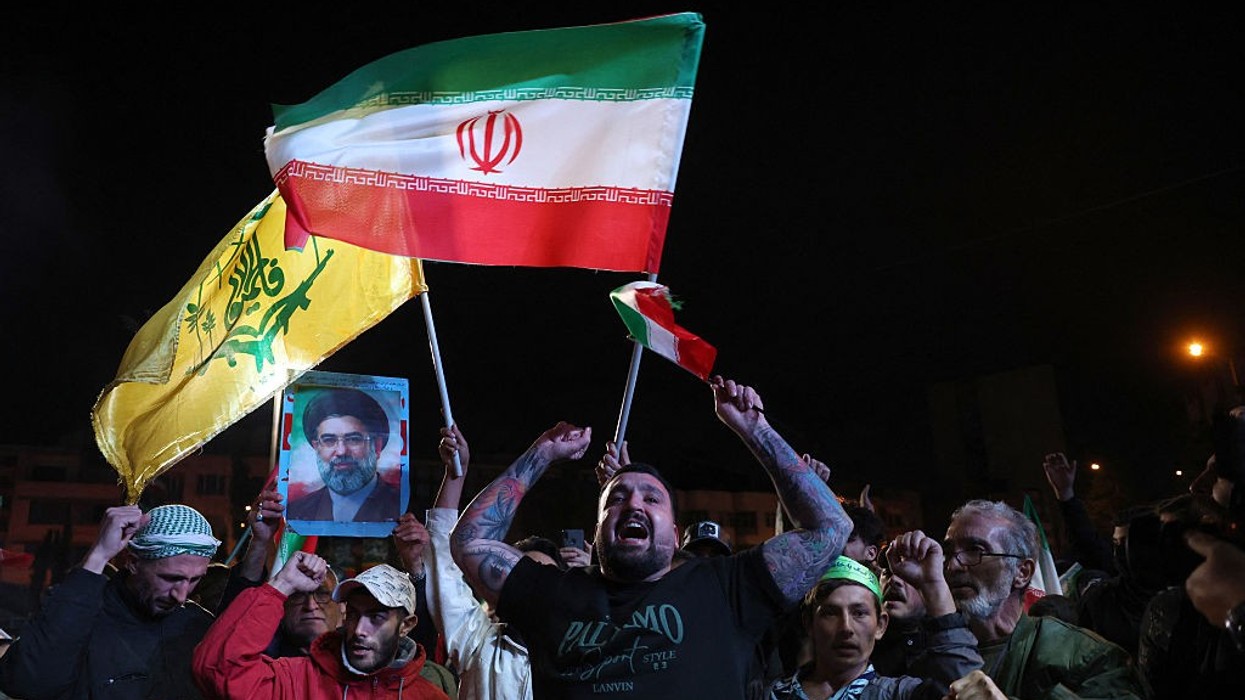
Despite the attacks, Hezbollah described the situation as a victory.
“Today we stand on the threshold of a great historic victory, which will be achieved thanks to the sacrifices of the fighters, the blood of the martyrs, and your unmatched steadfastness and patience,” the group said.
“We call on you in these decisive moments for more patience, steadfastness and waiting, and not to go to the villages, towns and targeted areas in the south, Beqaa [Valley], and the southern suburbs of Beirut before the official final announcement of a ceasefire in Lebanon,” it added.
Sources close to Hezbollah said the group had stopped attacks earlier in the day.
A Hezbollah official said, “we have not announced our adherence to the ceasefire since the Israelis are not adhering to it.”
“We will not accept for the Israelis to continue behaving as they did before this war with regard to attacks,” the official said. “We do not want this phase to continue.”
Hezbollah lawmaker Ibrahim Al-Moussawi warned of a response from Iran and its allies if Israel does not follow a ceasefire.
“The agreement includes Lebanon, according to its terms, and Iran insisted on this inclusion,” he said.
Sirens also sounded in Kiryat Shmona and nearby areas, but the military later said they were false alarms caused by a suspected drone.
Israel has intensified airstrikes and moved troops deeper into Lebanon after Hezbollah resumed attacks on March 2, breaking a previous ceasefire from November 2024.
Hezbollah said its actions were in response to the killing of Iran’s Supreme Leader Ali Khamenei at the start of the US-Israel bombing campaign and to continued Israeli strikes in Lebanon.
Lebanese authorities say more than 1,500 people have been killed and about one million displaced since March 2.
The IDF says it has killed about 1,100 Hezbollah operatives, including many from the Radwan Force.