
Highlights
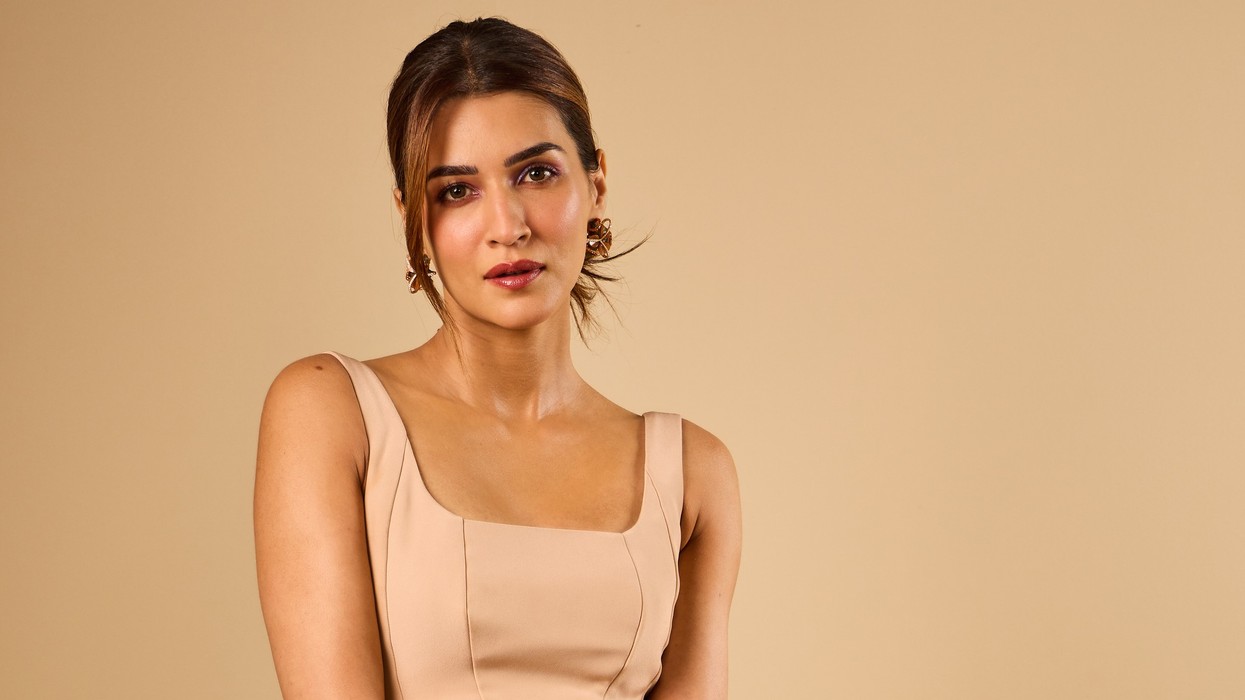
- Kriti Sanon has challenged criticism of her GIVA Raksha Bandhan ad and its bralette-style blouse.
- Her response questions the idea that women must dress a certain way to demonstrate respect for culture.
- The controversy also drew criticism from Kangana Ranaut, turning a social media debate into a wider conversation about who gets to define “appropriate” tradition.
Kriti Sanon's Raksha Bandhan campaign was meant to focus on family, protection and the changing ways people celebrate traditional festivals. Instead, much of the discussion quickly shifted to what she was wearing.
The GIVA advertisement features Sanon tying a rakhi to her dog. Her bralette-style blouse and plunging neckline, however, became the focus of criticism, with some viewers questioning whether the outfit was suitable for a festival associated with family and tradition.
Sanon has now challenged that criticism by questioning the idea that clothing should determine how much a woman respects her culture.
“When will we stop telling women what to wear?” she wrote on Instagram. “Culture and Traditions are in her heart, not in her neckline.”
A familiar script, a new face
The controversy follows a familiar pattern. Advertisements that attempt to give traditional festivals a contemporary treatment can quickly become discussions about whether the women featured in them look “traditional” enough.
Sanon went beyond defending her own outfit. She questioned why women continue to be judged through their clothing even as ethnic fashion itself changes.
“Ethnic fashion has evolved over the years, but still a woman’s respect for her culture is measured by her clothes,” she wrote.
Her argument shifts the conversation away from whether her particular blouse was appropriate and towards the expectation that women should demonstrate cultural respect through what they wear.
When the criticism comes from within
The debate became more prominent when Kangana Ranaut also criticised the advertisement. Ranaut questioned Sanon's choice of outfit and described the campaign as “intentionally creepy”.
Her intervention gave the controversy another dimension. This was no longer simply a reaction from social media users. A fellow actor had publicly questioned another woman's choices in a campaign built around a traditional festival.
That creates a more complicated conversation about who gets to define what is acceptable when tradition meets modern fashion. Sanon's response suggests that cultural identity cannot be reduced to a dress code.
What actually got lost in the debate
The original message of the advertisement received considerably less attention once the discussion moved towards Sanon's clothes.
The campaign centres on Sanon tying a rakhi to her dog, reflecting the idea that family and the bond of protection can extend beyond conventional relationships. Sanon explained that she and her sister tie rakhis to each other and pray for each other's health, happiness and long life. She said they extend those feelings to their dogs because they consider them family too.
That idea became secondary to the debate around her neckline.
And that may be the most revealing part of the controversy. A campaign attempting to broaden the meaning of family ended up narrowing the conversation back to a woman's appearance.
Sanon's response is therefore about more than one advertisement. It is a challenge to the idea that a woman's clothes should determine whether she is considered respectful of her own culture.



 Her approach allows ancient stories and modern emotions to exist alongside each otherGetty Images
 The 2026 Nobel Prize in Literature therefore celebrates her ability to create new ways of telling stories and exploring ideasGetty Images
 Vikas Singh PanwarX/@viralbhayani77
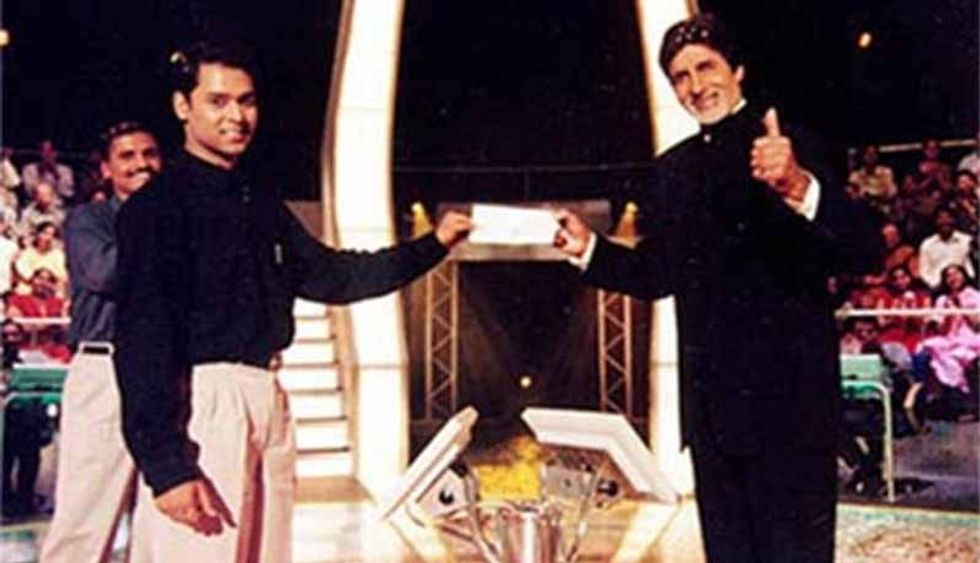
 Ravi Mohan SainiX/@MbPradas
 Harshvardhan NawatheX/@LexisNexisIndia
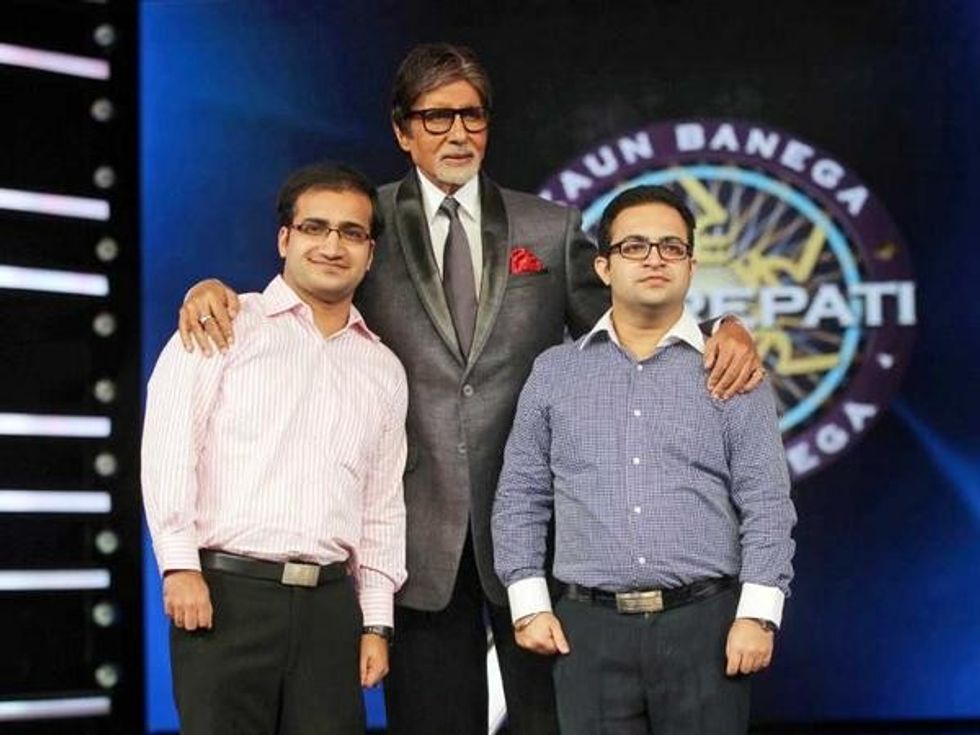 Achin and Sarthak NarulaX/@htshowbiz
 Anamika MajumdarX/@KislayOrg
 Himani BundelaX/@Aleena04610309
 Sushil KumarX/@amitkarn99