
Highlights
- Canadian writer Anne Carson has won the 2026 Nobel Prize in Literature
- The Swedish Academy praised her “bold and inventive oeuvre”
- Carson is known for moving between poetry, prose, essays and translation
- Her work frequently brings ancient Greek literature and mythology into conversation with the modern world
- Autobiography of Red, The Beauty of the Husband and Nox are among her best-known works
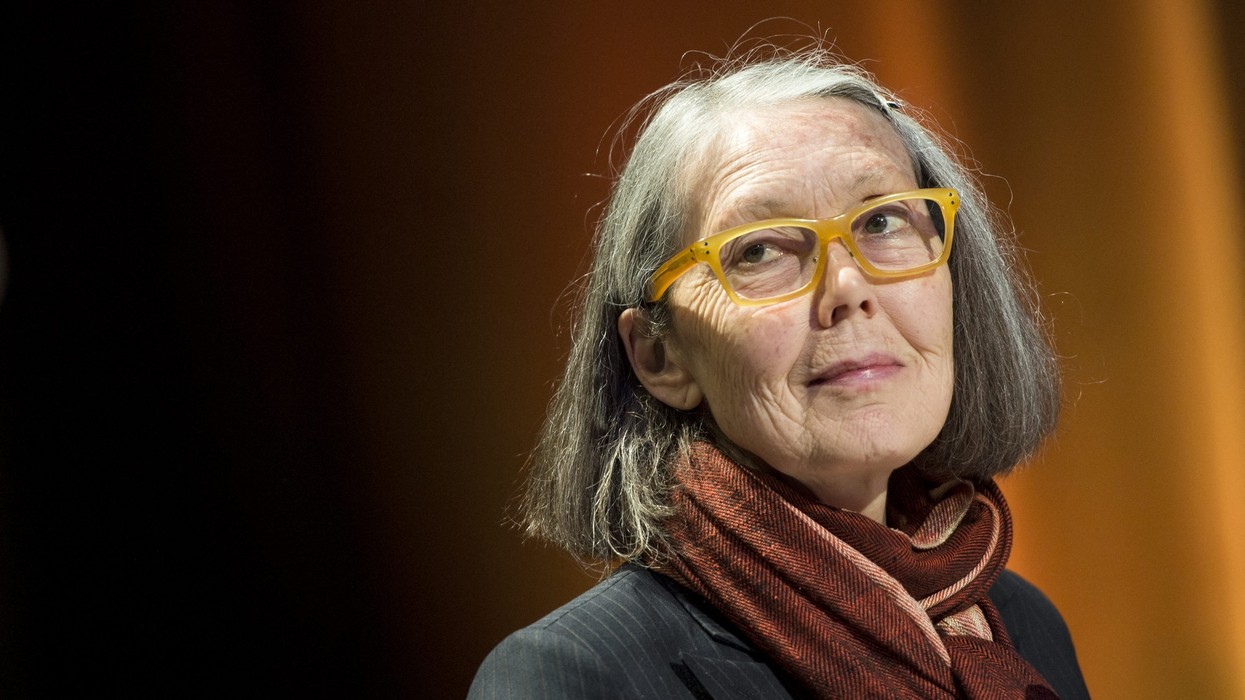
Canadian writer Anne Carson has won the 2026 Nobel Prize in Literature, bringing global attention to an author whose work has consistently challenged traditional ideas about what literature can look like.
The Swedish Academy recognized Carson for her “bold and inventive oeuvre”, praising the way her work creates new forms through a playful dialogue with the classical tradition.
At 76, Carson has spent decades moving between poetry, prose, scholarship and translation. Here are five things to know about the writer behind this year's Nobel Prize.
1. She is as much a classicist as she is a writer
Carson's fascination with the ancient world is central to her work. She studied classics and built an academic career around Greek literature while developing her own distinctive approach to poetry and prose.
Rather than treating ancient texts as distant historical works, Carson frequently brings their ideas, characters and language into contemporary settings.
That connection between scholarship and creative writing has become one of the defining characteristics of her work.
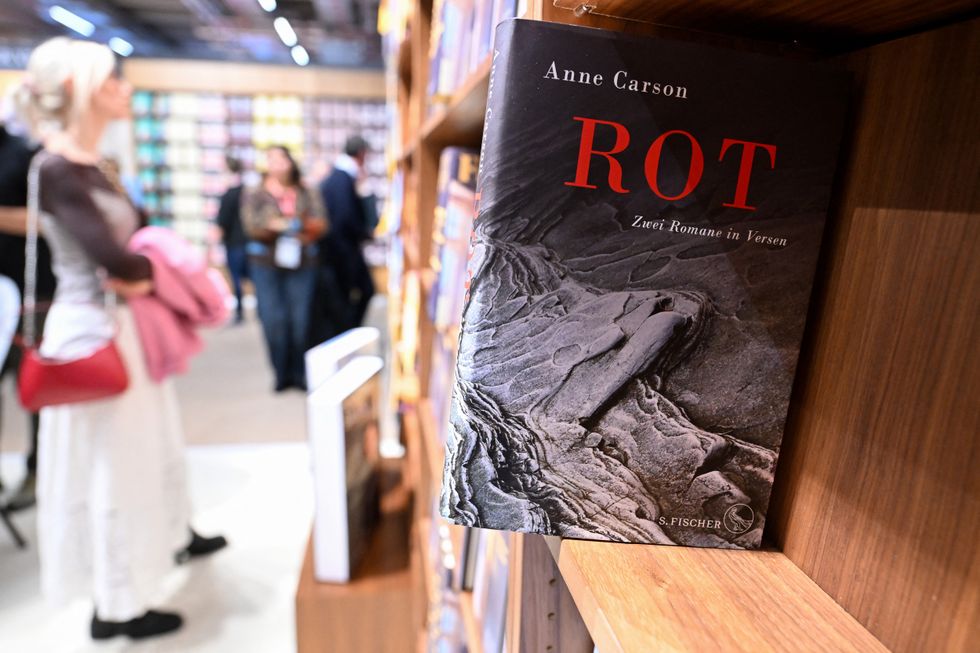 Her approach allows ancient stories and modern emotions to exist alongside each otherGetty Images
2. Autobiography of Red helped make her a literary name
One of Carson's best-known works is Autobiography of Red: A Novel in Verse, first published in 1998.
The book takes inspiration from the Greek poet Stesichorus and his version of the myth of Geryon, the winged monster who encounters Heracles.
Carson transforms Geryon into a vulnerable young character and retells the ancient story through a contemporary lens. The result is a work that combines poetry, mythology, romance and literary scholarship.
3. She does not stay inside one literary genre
Carson's writing is difficult to place in a single category.
Her body of work includes poetry, essays, translations, prose and hybrid forms that bring several of these approaches together. The boundaries between academic research and creative writing are often deliberately blurred.
The Nobel committee highlighted this quality, describing her work as a meeting point between the philologist's attention to words and the poet's search for new meaning.
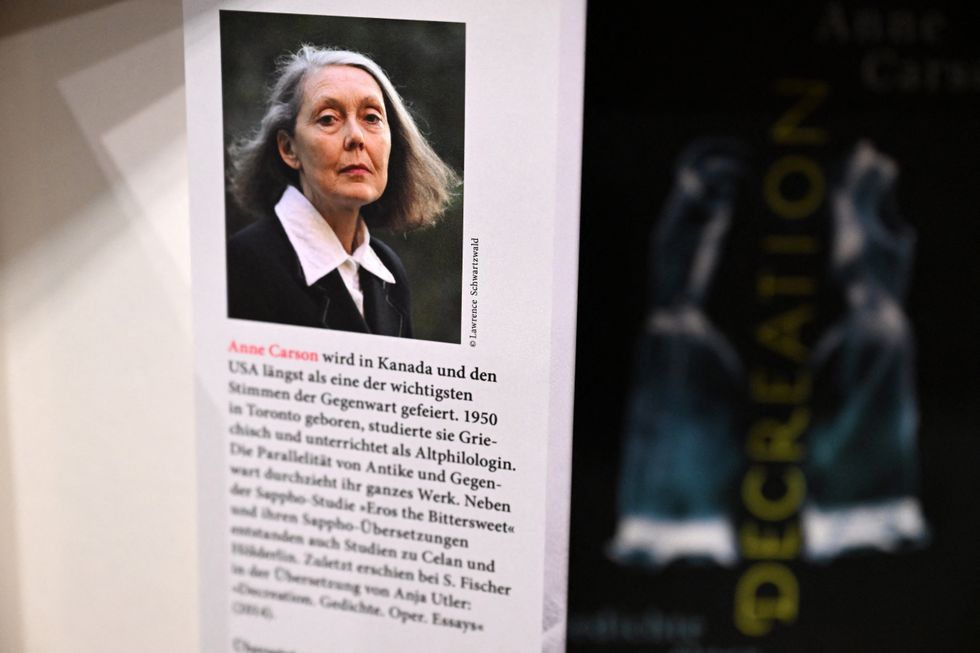 The 2026 Nobel Prize in Literature therefore celebrates her ability to create new ways of telling stories and exploring ideasGetty Images
4. Her work connects the ancient with the personal
Although Carson frequently draws on Greek mythology and classical literature, her writing is not simply academic.
Works such as The Beauty of the Husband explore love, marriage and separation while using unconventional structures and references to classical literature.
Her approach allows ancient stories and modern emotions to exist alongside each other, giving familiar themes a very different framework.
5. Nox shows another side of her creativity
Nox, published in 2010, is another example of Carson's willingness to experiment with literary form.
The work was created as an accordion-style book and centres on Carson's attempt to remember and understand her late brother, Michael.
It combines photographs, documents, fragments of text and translation, turning personal grief into an unusual literary object.
Why Anne Carson's Nobel win matters
Carson's Nobel Prize recognizes a writer who has spent much of her career questioning where one literary form ends and another begins.
Her work brings together poetry and scholarship, ancient mythology and contemporary life, as well as personal experience and intellectual inquiry.
The 2026 Nobel Prize in Literature therefore celebrates not only Carson's individual body of work, but also her ability to create new ways of telling stories and exploring ideas.












 In this handout image provided by Disneyland Resort, actress Ashley Tisdale (R) and family pose with Mickey Mouse and Minnie Mouse while dining at Storytellers Cafe on September 3, 2025 in Anaheim, California. Ashley spent the day celebrating daughter Emerson's first birthday at Disneyland Resort during Halloween Time, which runs now through Oct. 31, 2025. Getty Images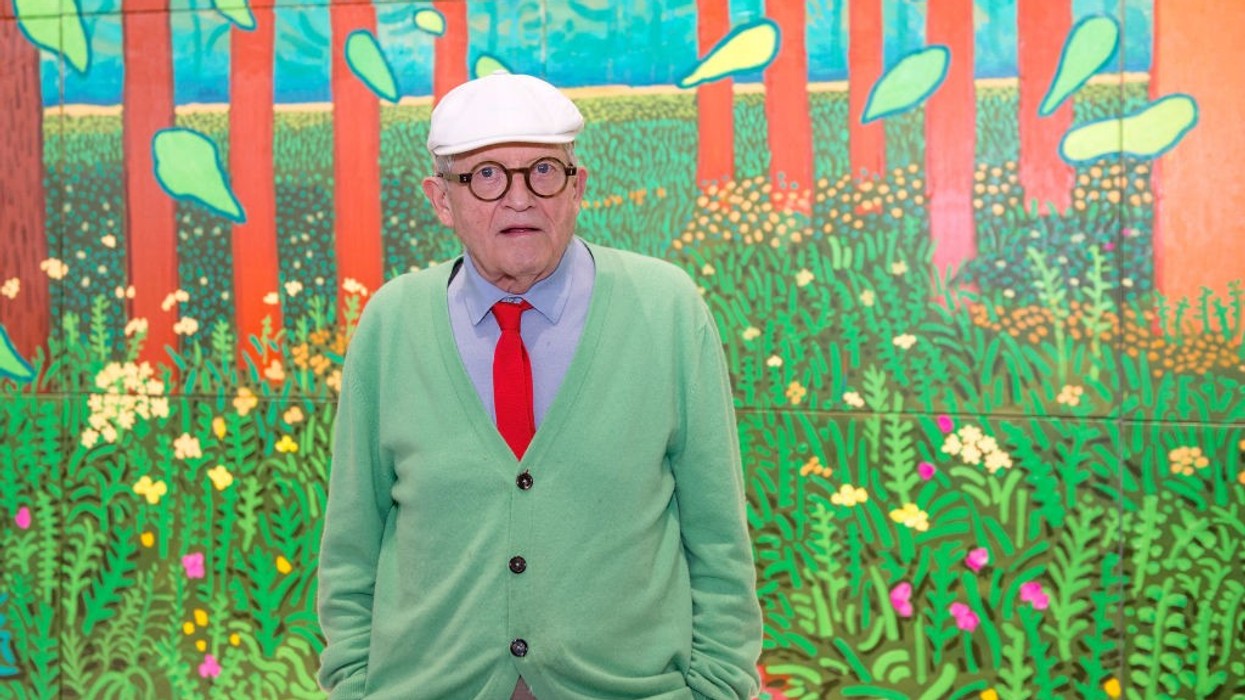
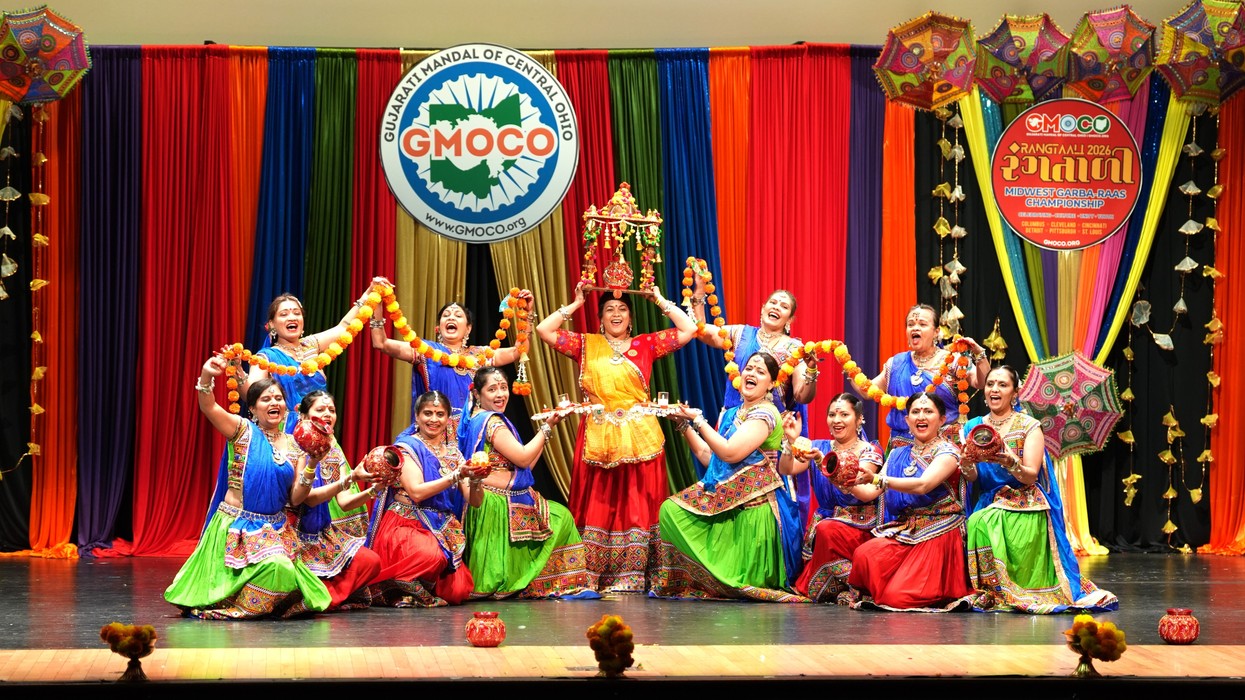
 Rangtaali 2026, the Midwest Garba-Raas ChampionshipGoogle Drive
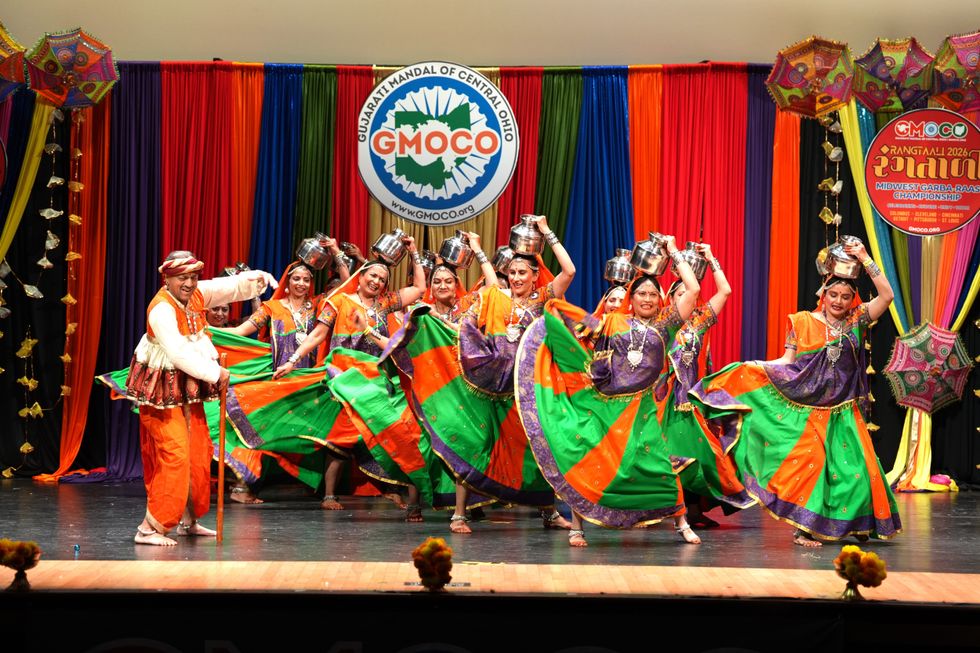 Rangtaali 2026, the Midwest Garba-Raas ChampionshipGoogle Drive