
Highlights
- The six-part series traces the creation of Titan Watches through the people who built it.
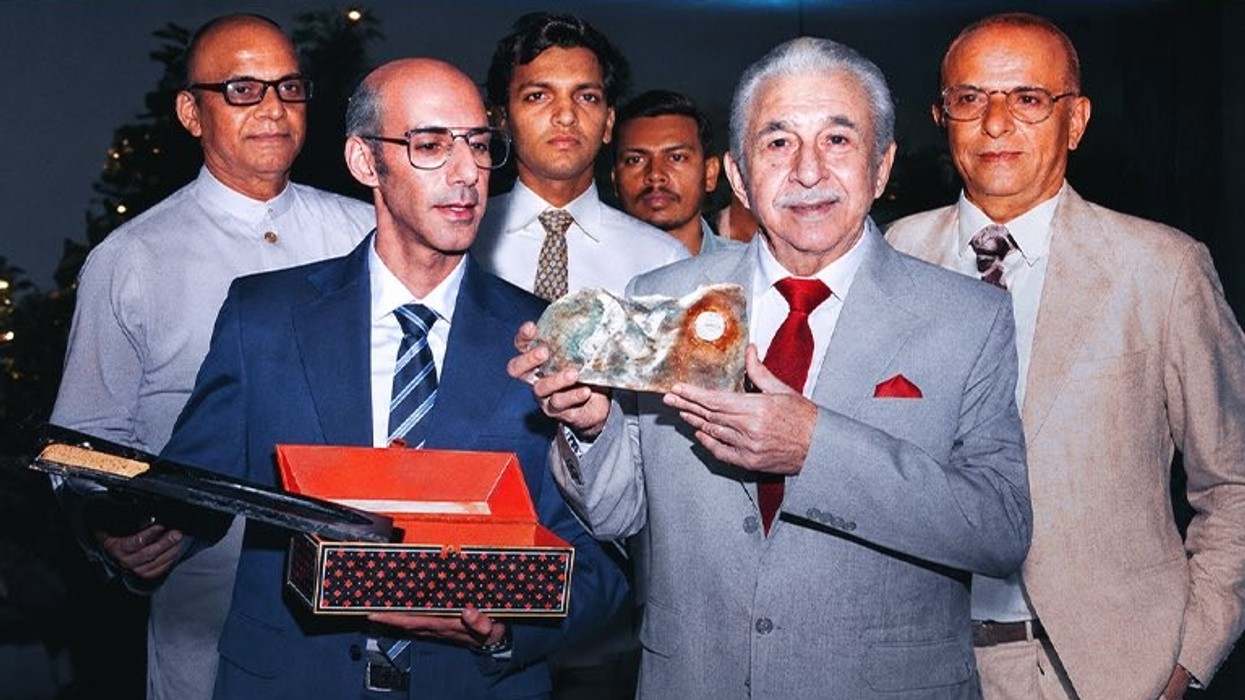
- Jim Sarbh and Naseeruddin Shah deliver standout performances as Xerxes Desai and J.R.D. Tata.
- Rather than celebrating a brand, the show focuses on ambition, setbacks and perseverance.
The people behind the brand take center stage
A series about one of India's most successful companies could easily slip into corporate storytelling. Made in India: A Titan Story, however, largely avoids that trap by placing its focus on the individuals who transformed an ambitious idea into a household name.
Streaming on Amazon MX Player, the six-episode drama is based on journalist Vinay Kamath’s book Titan: Inside India’s Most Successful Consumer Brand. Directed by Robby Grewal, the series follows the journey of Titan Watches and the visionaries who believed India could build a premium watch brand at a time when imported products were viewed as superior.
Instead of presenting Titan’s rise as inevitable, the show explores the uncertainty, conviction and persistence that shaped its beginnings.
Building Titan one challenge at a time
The story begins with Xerxes Desai’s early years within the Tata Group before charting the birth of Titan Watches. Several factors drive the idea forward, including the growing demand for imported watches, widespread smuggling and skepticism from Swiss manufacturers about India’s ability to produce high-quality timepieces.
The series shines in its portrayal of the long and often frustrating process of building a business. Bureaucratic obstacles, financing difficulties, licensing issues, production setbacks and weak sales all threaten progress along the way.
Rather than rushing through these hurdles, the narrative emphasizes how every milestone is earned. Meetings, strategy sessions and product discussions are presented with enough tension and purpose to remain engaging, turning business decisions into key dramatic moments.
Time becomes more than a product
One of the show's most effective themes is its use of time as both a product and a metaphor.
While Xerxes becomes increasingly consumed by his mission, others around him face personal struggles shaped by the passage of time. Akash, one of Titan’s key contributors, grows more cautious as he watches his father's memory deteriorate. Megha, the company’s marketing head, navigates growing pressure from family expectations while pursuing her professional ambitions.
These personal storylines add emotional depth to the series and ensure it never feels like a straightforward account of corporate growth. The balance between business and personal stakes gives the show much of its appeal.
Jim Sarbh and Naseeruddin Shah anchor the series
Jim Sarbh delivers a nuanced performance as Xerxes Desai, portraying a man whose determination and confidence often place him at odds with those around him. Rather than presenting him as a flawless visionary, the series allows viewers to see both his strengths and shortcomings.
Naseeruddin Shah brings quiet authority to his role as J.R.D. Tata. Through subtle gestures and understated moments, he captures the influence and presence of one of India's most respected business leaders. His relationship with Xerxes becomes one of the drama’s strongest threads.
The series also recreates an India in transition. Through archival footage, period imagery and classic Bollywood music, it captures a country beginning to embrace consumer aspirations and modern lifestyles.
In the end, Made in India: A Titan Story succeeds because it is less interested in promoting a famous brand than in exploring the people, risks and decisions that helped create it.









Katrina Kaif reacts to postpartum beauty comments, reveals her 'skin became sensitive' and 'feeling best matters more'
Katrina Kaif attends the green carpet at the NEXA IIFA Awards at Jaipur Exhibition and Convention Centre on March 09, 2025 in Jaipur, India.
Katrina Kaif has spent much of her career being associated with beauty — from modeling and Bollywood films to red-carpet appearances and her makeup business. But motherhood has changed the way the actor looks at her appearance.
In a recent conversation with The Hollywood Reporter India, Kaif spoke about beauty standards, self-care and the changes she experienced after giving birth. Her comments come as paparazzi photographs and videos of the actor have drawn harsh reactions online, with some social media users comparing her postpartum appearance with how she looked earlier in her career.
Rather than focusing on returning to her old appearance, Kaif said her priorities have changed. For her, looking her best now starts with feeling her best.
Katrina Kaif reacts to changing beauty standards
Kaif recalled the pressure surrounding beauty when she began her modeling and acting career. She said there were many stereotypes about what women were expected to look like.
Today, she views beauty differently.
“Looking my best is really about feeling my best,” Kaif said, explaining that taking care of herself as a whole has become more important.
She linked that feeling to several aspects of her lifestyle, including maintaining a healthy diet, staying active, managing inflammation, meditating and spending time away from her phone. She also mentioned getting natural light in the morning as part of her routine.
For Kaif, the connection between health and appearance is straightforward: when she feels healthy, she believes that confidence naturally shows on the outside.
Her comments come at a time when celebrity appearances continue to receive intense scrutiny online. Paparazzi posts featuring Kaif have attracted comments about her postpartum body and appearance, with some users comparing recent images with photographs from earlier stages of her career.
Her skin changed after giving birth
Kaif also opened up about a specific physical change she noticed after pregnancy.
According to the actor, her skin became significantly more sensitive after giving birth. That made it difficult for her to determine which products were actually working for her.
She is now focusing on what she describes as deep cellular hydration, strengthening her skin barrier and keeping her skin calm and resilient.
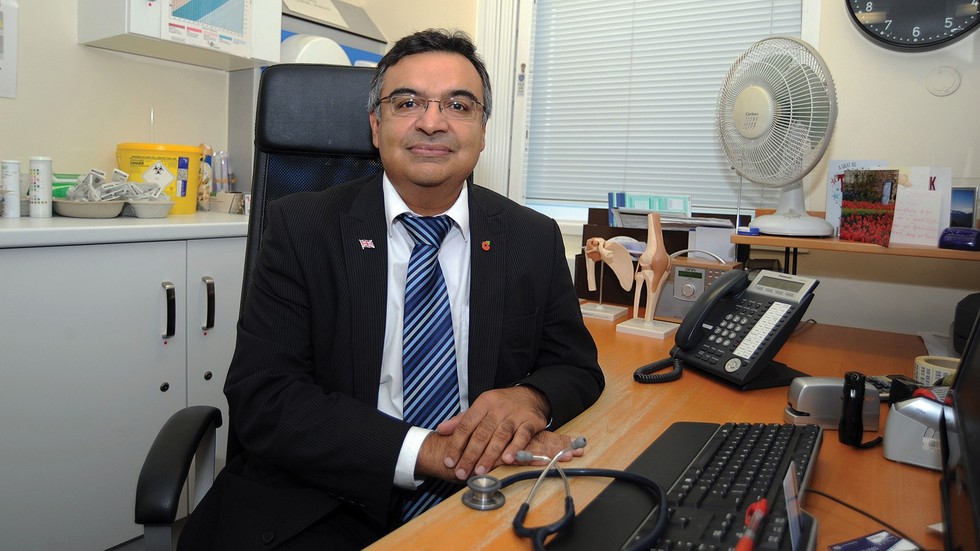
Dermatologist Dr. Shireen Furtado, senior consultant in medical and cosmetic dermatology at Aster CMI Hospital, explained that postpartum hormonal changes, stress, sleep disruption and dehydration can affect the skin in different ways.
Skin may become drier, more sensitive, oilier or more prone to pigmentation after childbirth. Because of those changes, she advised new mothers to focus on basic skin health instead of trying to immediately recreate their pre-pregnancy appearance.
Kaif’s postpartum approach is more about self-care
For Kaif, the shift appears to be bigger than skincare. Motherhood has changed the way she defines looking good.
Instead of chasing a particular appearance, she is emphasizing health, balance and understanding what her body and skin need at a particular stage.
Furtado similarly recommends keeping postpartum skincare simple, with a gentle cleanser, moisturizer and broad-spectrum sunscreen as a starting point. She also cautions against unnecessary products, harsh scrubs, strong exfoliants and irritating fragrances when skin is sensitive.
Some ingredients, including retinoids, require particular caution during breastfeeding and should be discussed with a dermatologist before use.
Kaif's comments offer a different perspective on the pressure faced by women after childbirth, particularly public figures whose appearances are constantly photographed and discussed.
Her message is less about looking the way she did before motherhood and more about feeling comfortable in the person she is now. For an actor whose appearance has been part of public conversation throughout her career, that represents a noticeable shift in how she approaches beauty.