
- Meta plans to raise up to $95bn in equity to support its AI infrastructure and product development.
- The initial $35bn fundraising includes preferred stock and Class A common stock offerings.
- The company expects capital expenditures to reach $135bn to $145bn in 2026.
Meta plans to raise up to $95bn through equity offerings as the company ramps up spending on artificial intelligence infrastructure, data centers and its push toward personal superintelligence.
The company announced Monday (26) that it would initially raise $35bn through underwritten public offerings, followed by a planned $60bn at-the-market stock offering. The move comes as major technology companies compete to secure the computing capacity needed to develop and run increasingly powerful AI systems.
The initial fundraising comprises approximately $12.5bn in depositary shares representing interests in newly issued Series A mandatory convertible preferred stock and $22.5bn in Class A common stock offered through forward sale agreements.
Nvidia, Advanced Micro Devices and Broadcom have expressed interest in purchasing up to $5bn in shares, according to Meta's announcement. The company has not said how much each potential investor may buy.
Meta's shares fell around 1.6 per cent in morning trading following the announcement, reflecting investor attention on the scale of its funding needs and growing AI-related expenses.
Why does Meta need so much money?
Meta is expanding the infrastructure behind its family of apps and developing new AI products, including its Muse models and AI agent initiatives. The company is also building four large-scale computing facilities, known as superclusters, each designed to provide more than one gigawatt of capacity.
Meta expects its total capital expenditures for 2026 to reach between $135bn and $145bn, raising the lower end of its previous forecast. The spending covers infrastructure and other capital investments needed to support its expanding operations.
The company's third-quarter results showed revenue rose 26 per cent year over year to $64.6bn, ahead of analysts' expectations of $63.37bn. However, investors have also been watching the impact of higher capital spending on cash generation.
Meta plans to finance its investment program through a combination of operating cash flow, investment-grade debt, partnerships and equity funding. The company reported $97bn in operating cash flow during the first nine months of 2026 and held $82bn in cash and marketable securities at the end of the third quarter.
The fundraising therefore represents one part of a broader financing strategy, rather than the company's only source of money for AI development.
A costly race to build AI capacity
Meta's plans reflect a wider shift across the technology industry, where companies are committing increasingly large sums to data centers, chips, networking equipment and electricity supplies.
Goldman Sachs estimates that AI-related capital spending could total about $7.6 trillion globally between 2026 and 2031, covering computing infrastructure, data centers and power. The scale of investment is raising questions about how quickly companies can turn their spending into sustainable returns.
Other major technology businesses are also seeking substantial funding for their AI ambitions. Alphabet said in June it would look to raise $85bn, while SpaceX recently closed a $40bn debt financing deal to purchase graphics processing units. Anthropic is also preparing for a potential initial public offering.
Meta has argued that its AI investments are already helping its core business through greater engagement and improved advertising performance, while creating opportunities for new products and services.
The company is betting that further investment will strengthen its position as AI becomes more central to digital services. However, with capital expenditure forecast to reach as much as $145bn this year, investors will be looking for evidence that the spending can translate into lasting growth rather than simply adding to the cost of competing in the AI market.















 Apple Watch SE Amazon
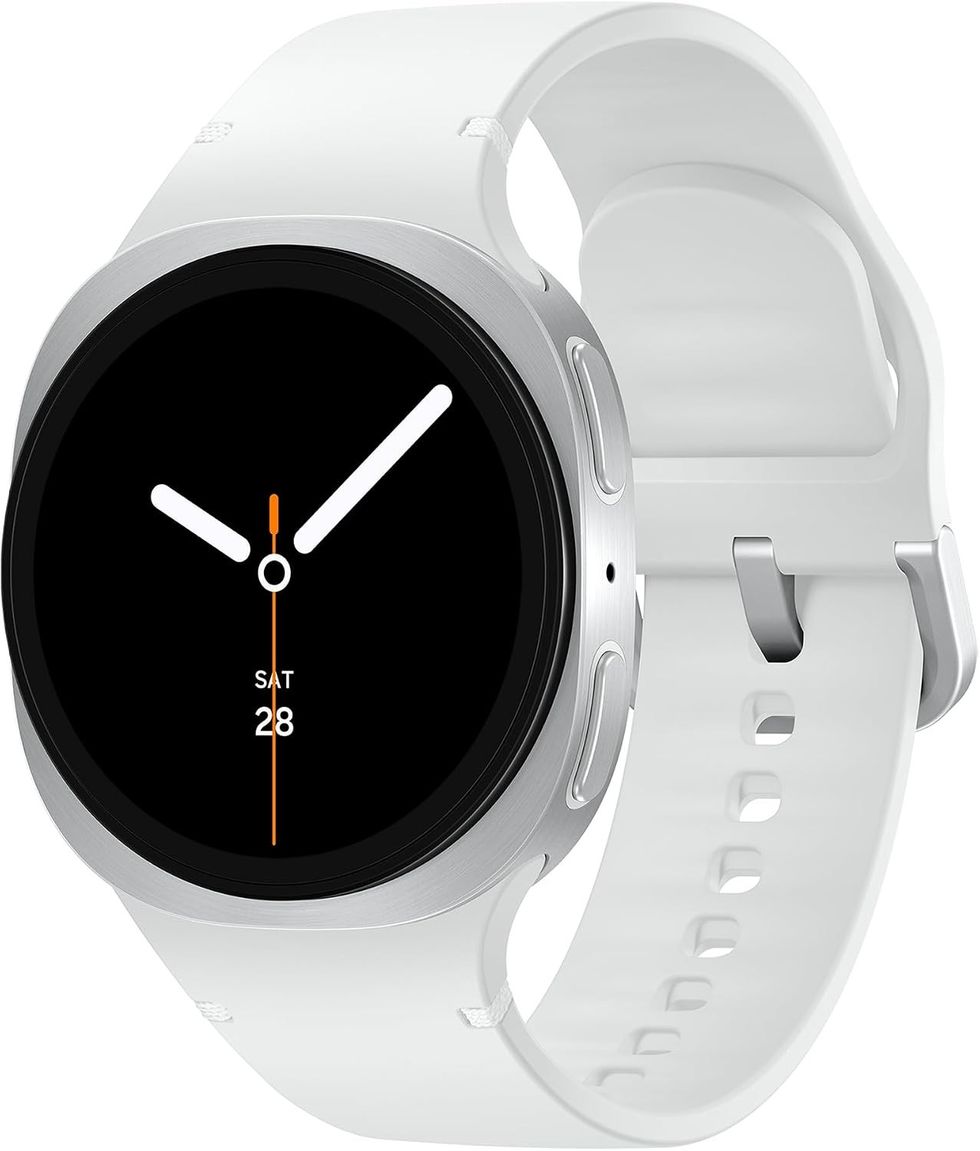
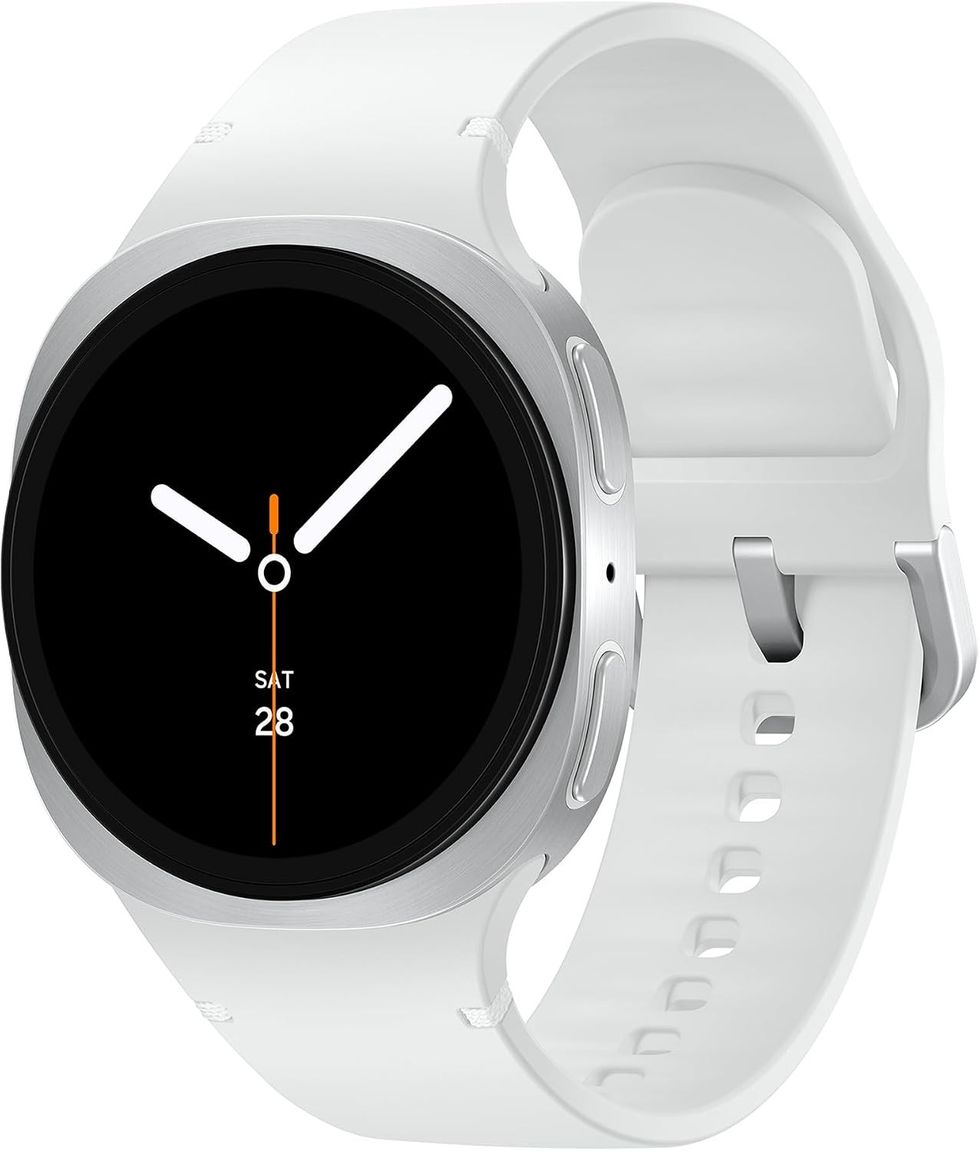 Samsung Galaxy Watch Amazon
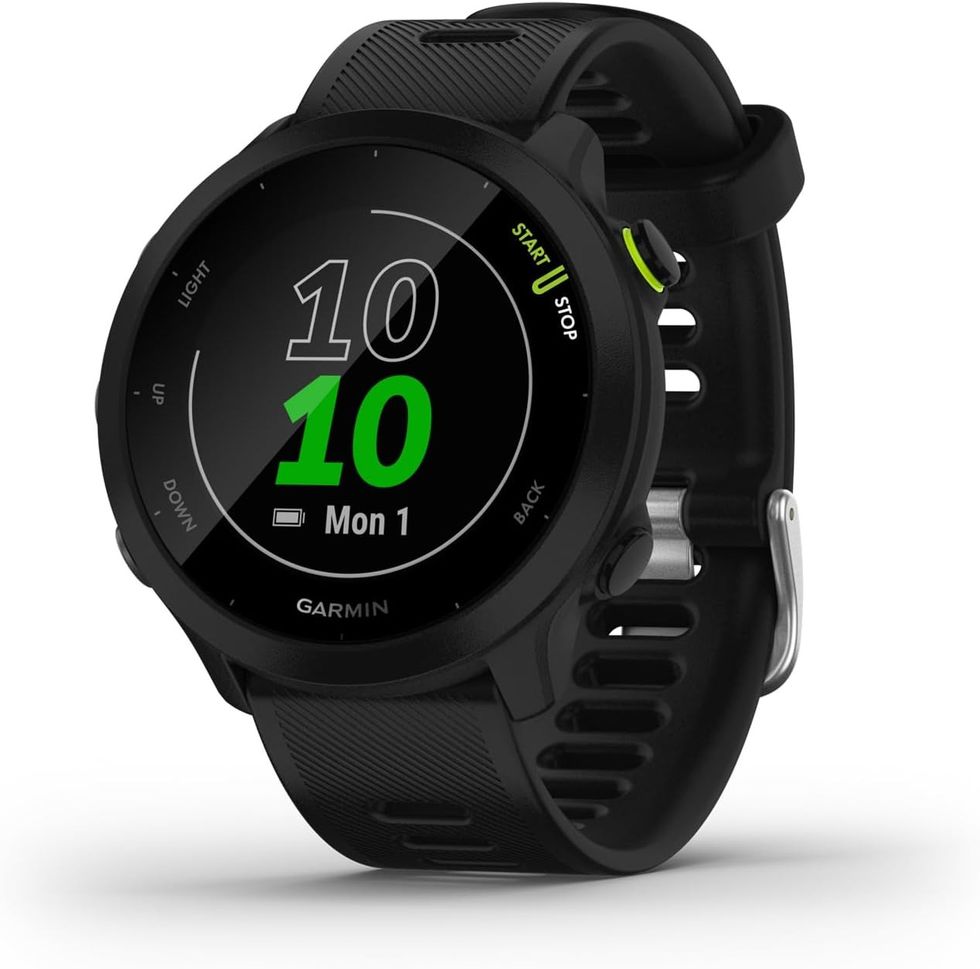
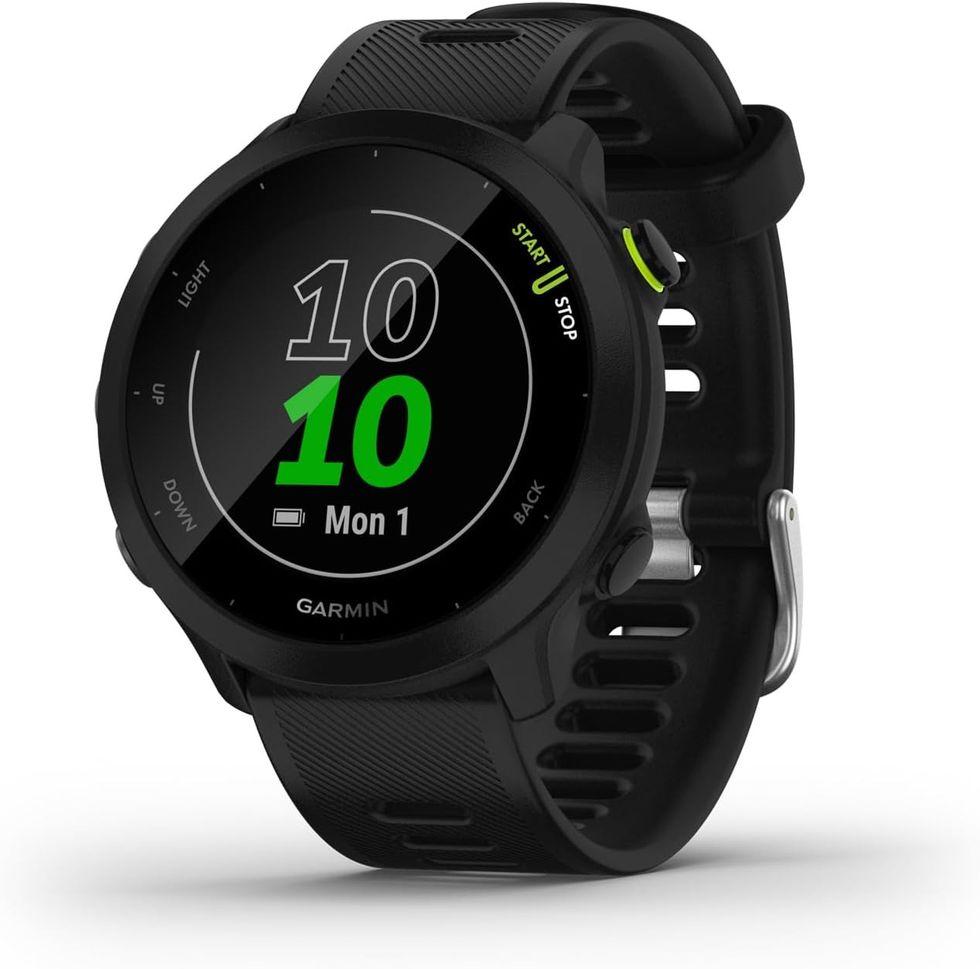 Garmin Forerunner Amazon
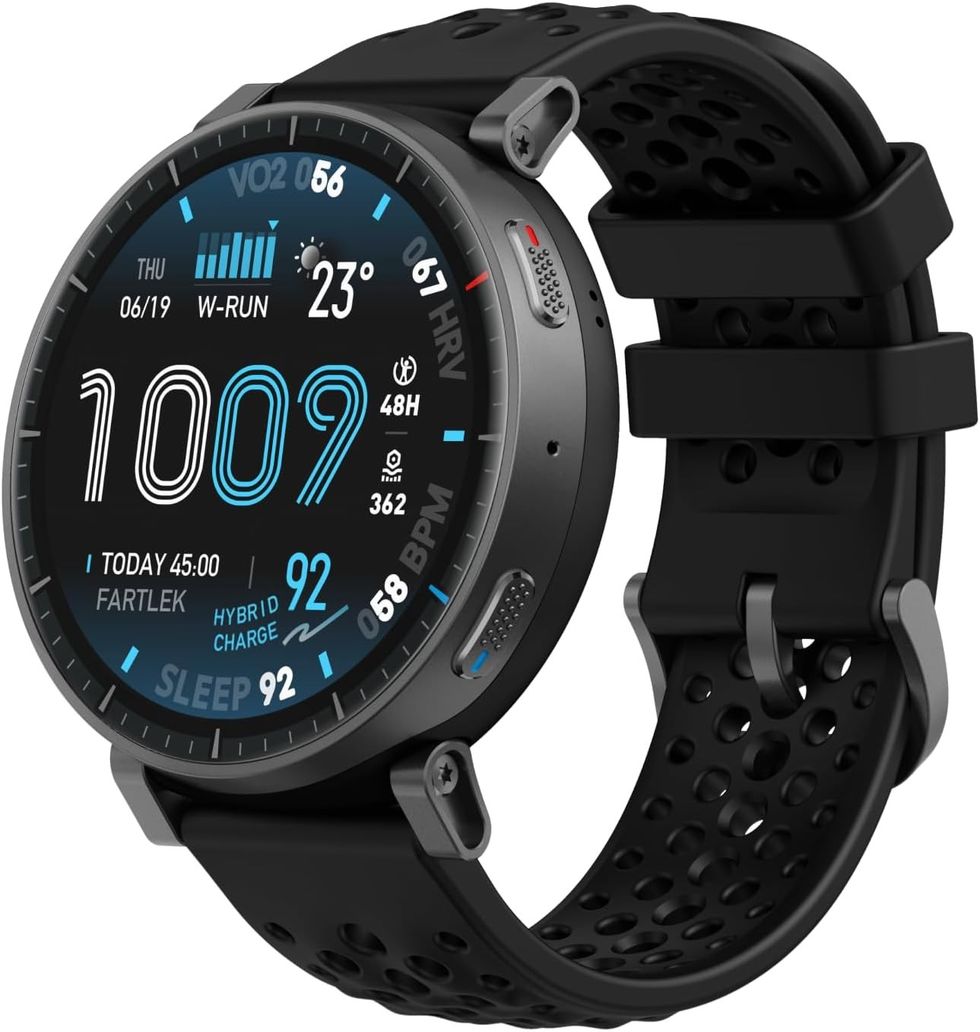
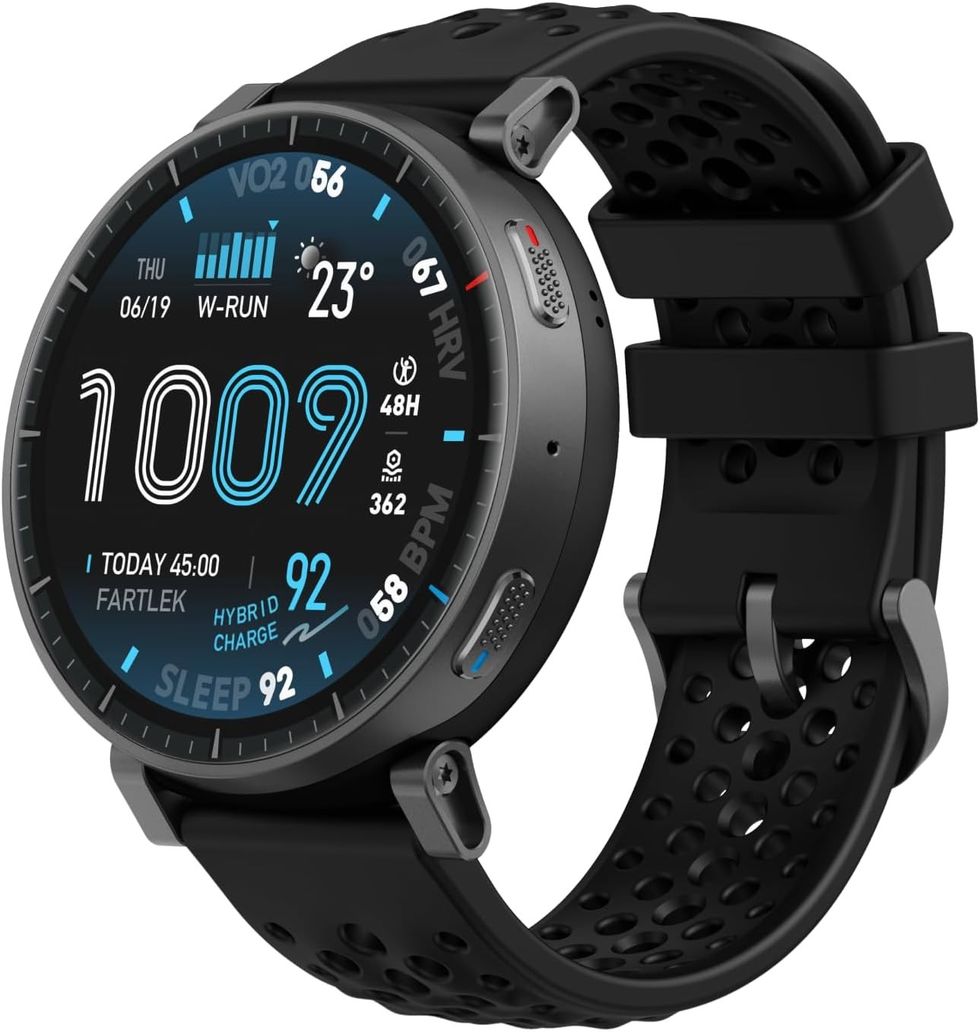 Amazfit Active Amazon
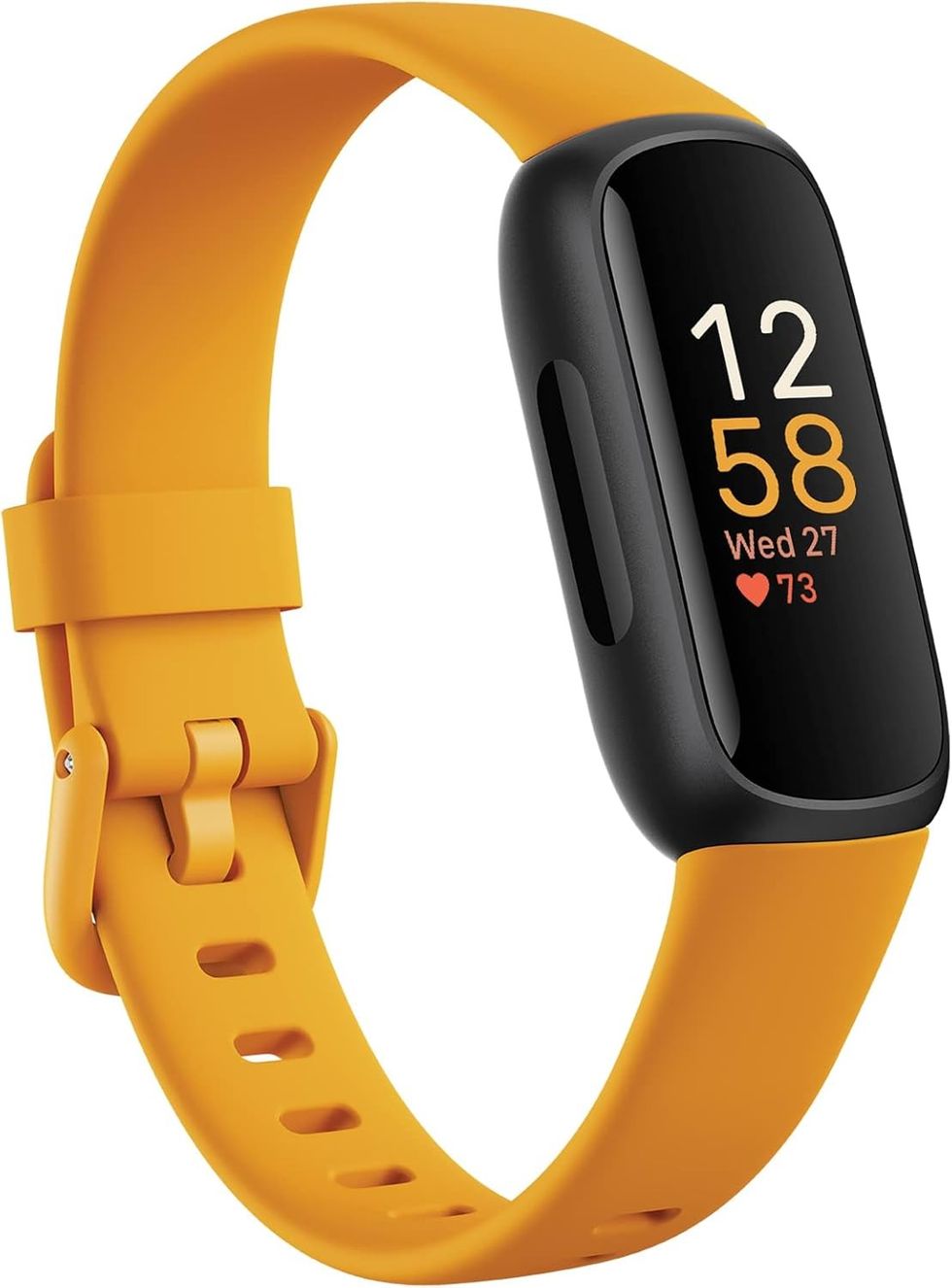 Fitbit Inspire Amazon
 Noise ColorFit Smartwatch Amazon
 boAt Wave Smartwatch Amazon
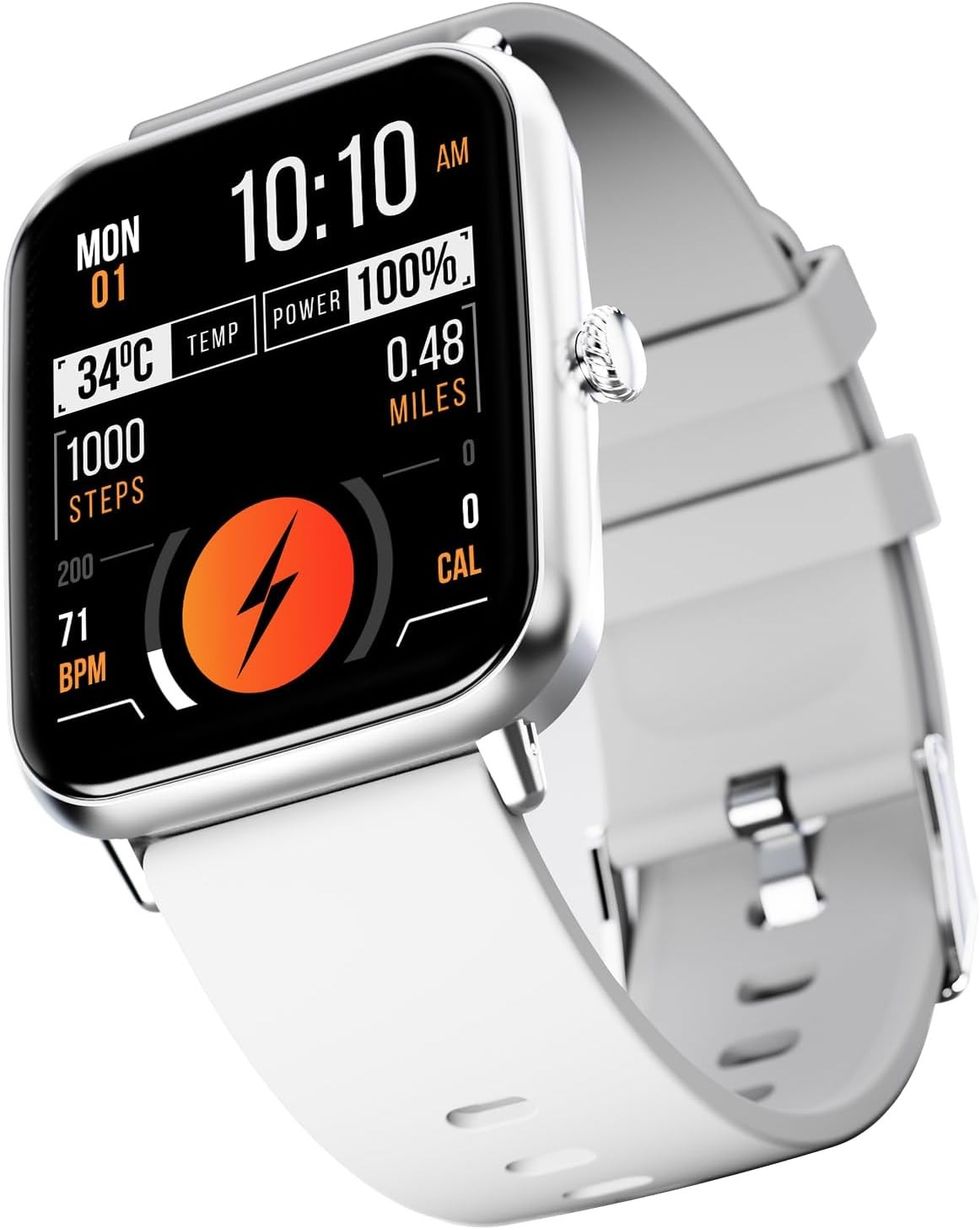 Fire-Boltt Smartwatch Amazon
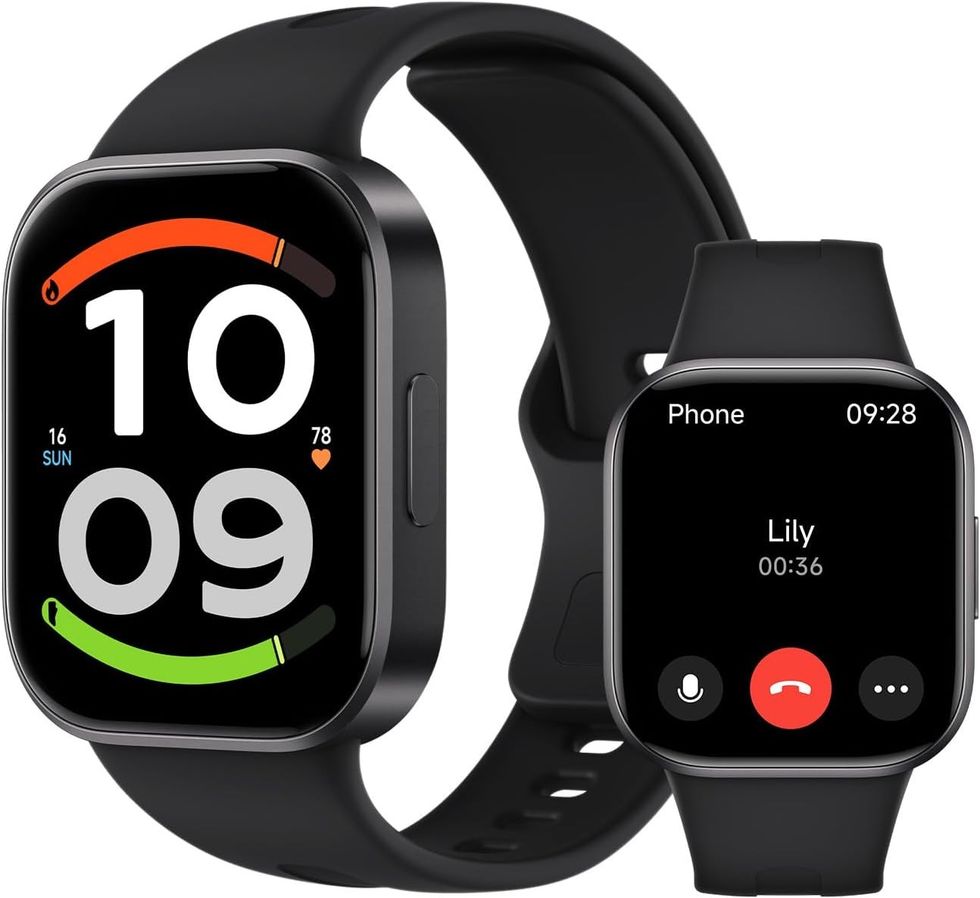 Redmi Watch Amazon
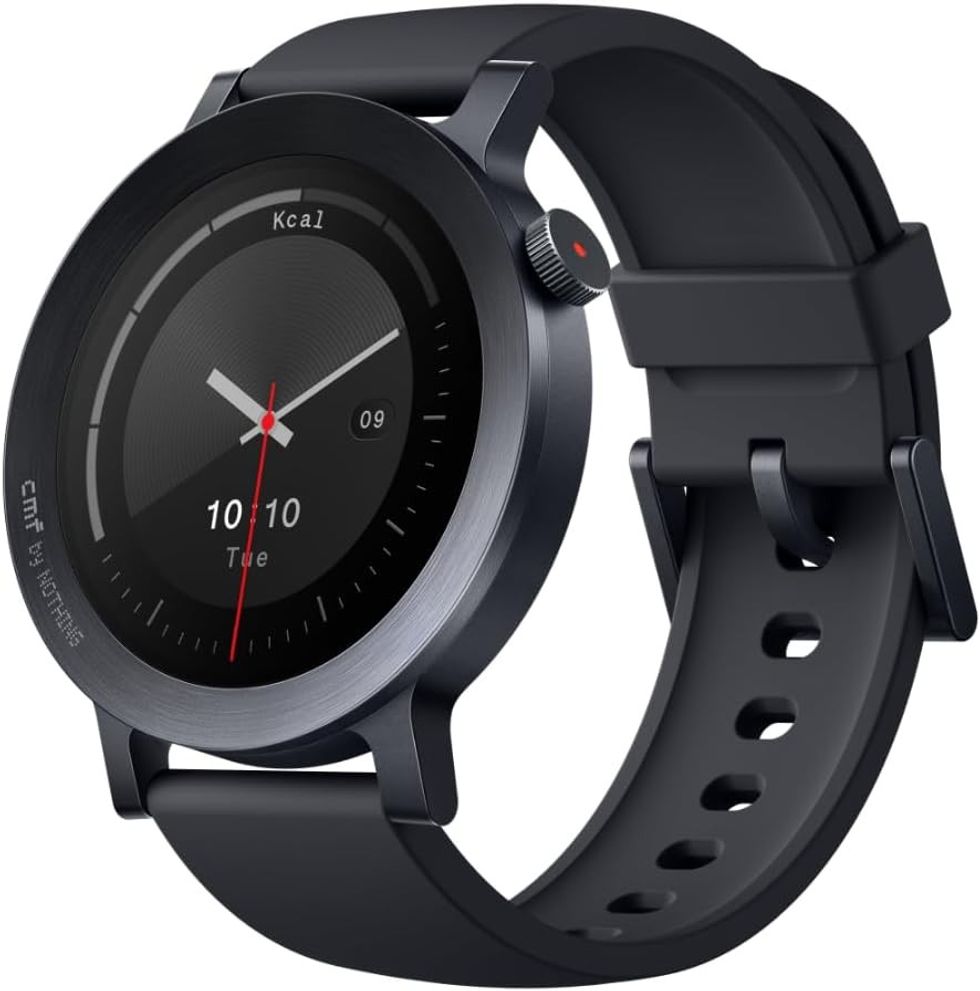 CMF Watch Pro Amazon


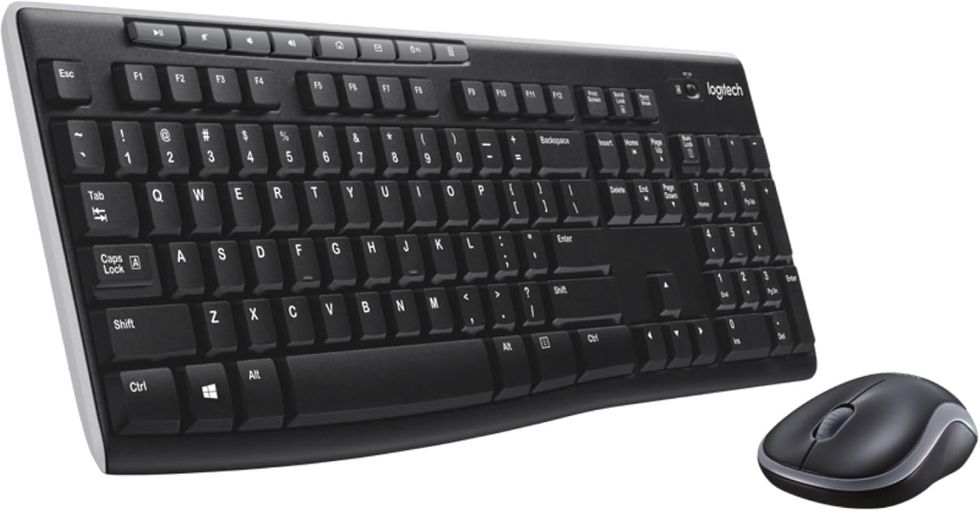
 AmazonLogitech Wireless Keyboard


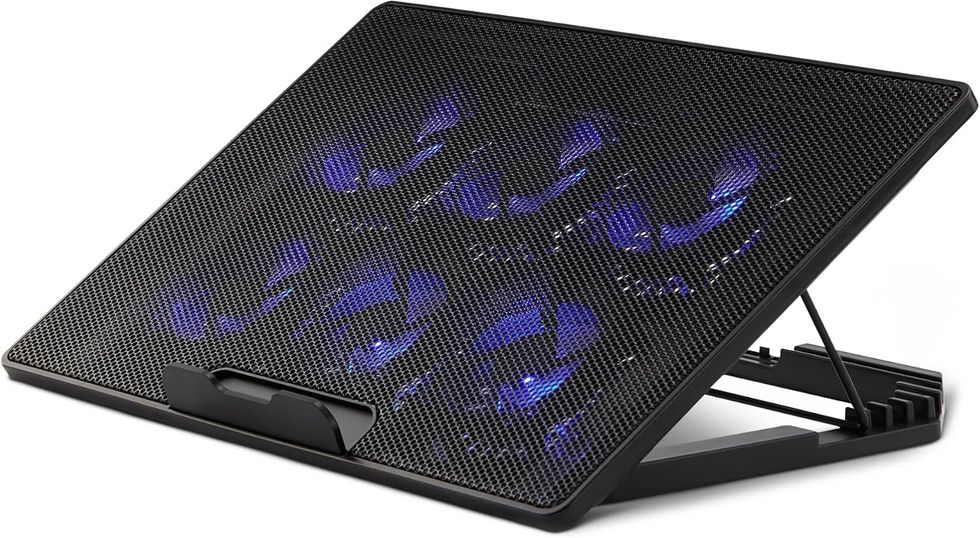
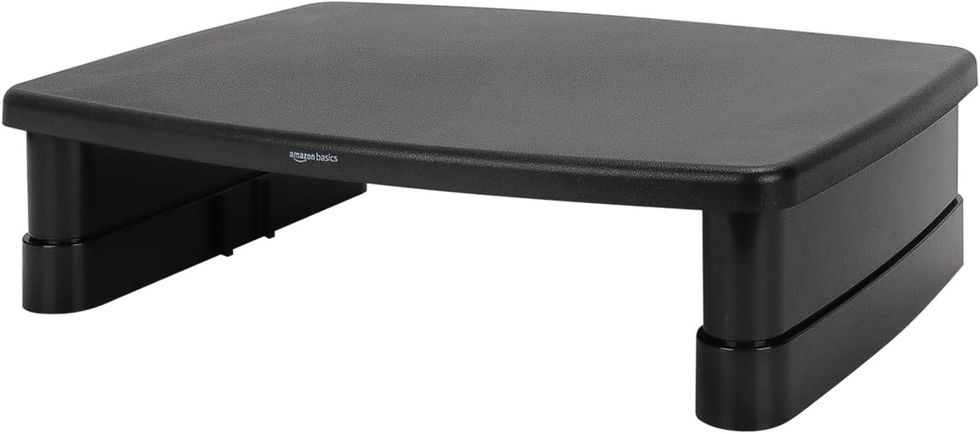
 Portronics Adjustable Laptop Stand Amazon
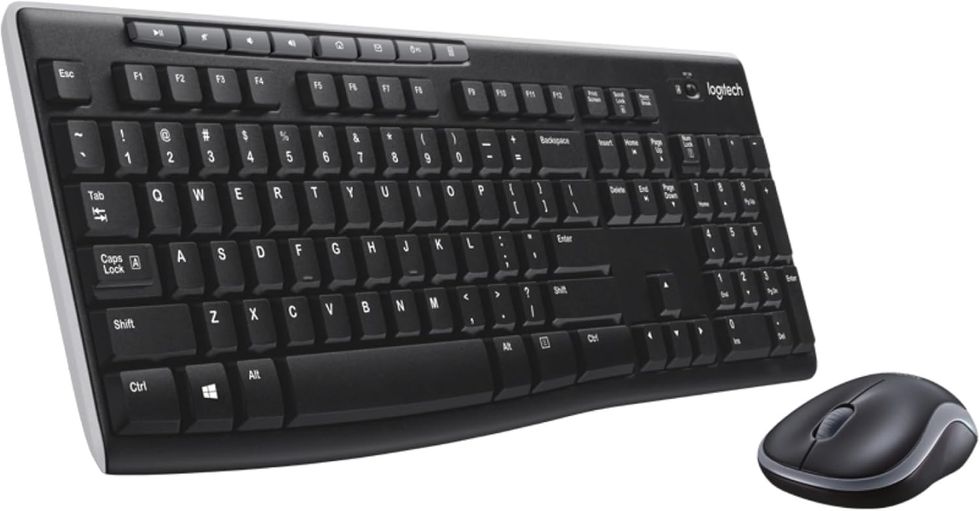 Logitech Wireless Keyboard Amazon
 Logitech Wireless Keyboard Amazon
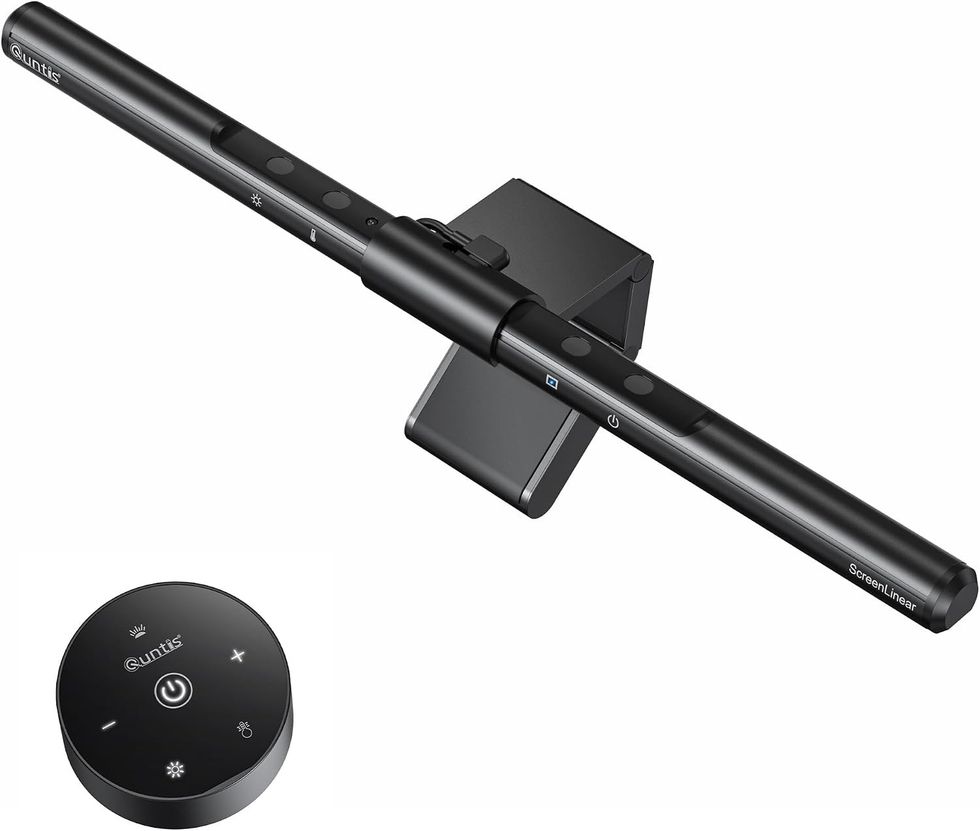
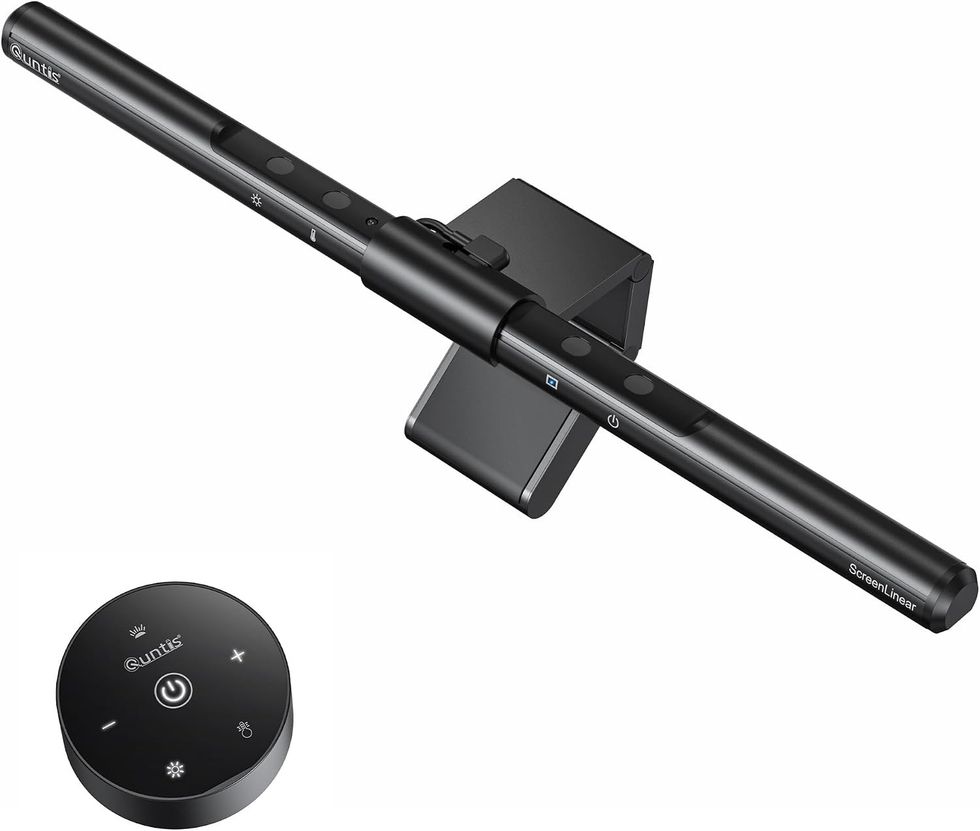 Zebronics Monitor Light Bar
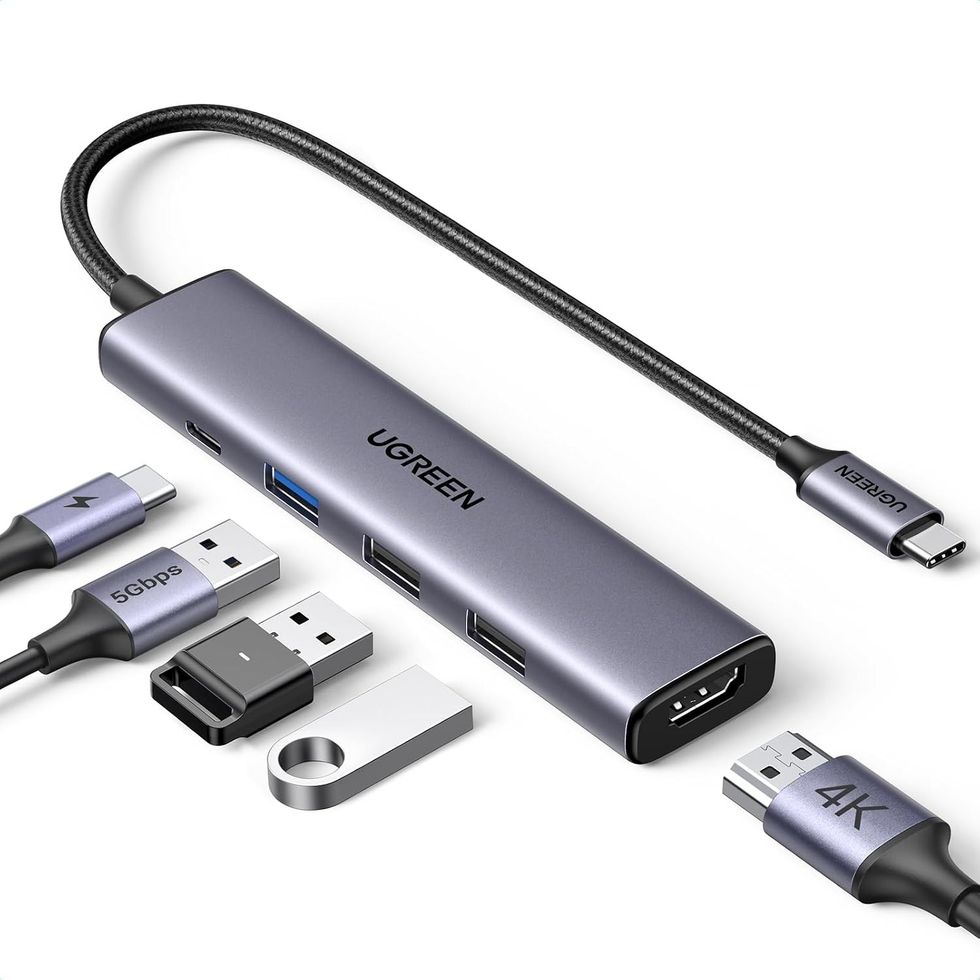
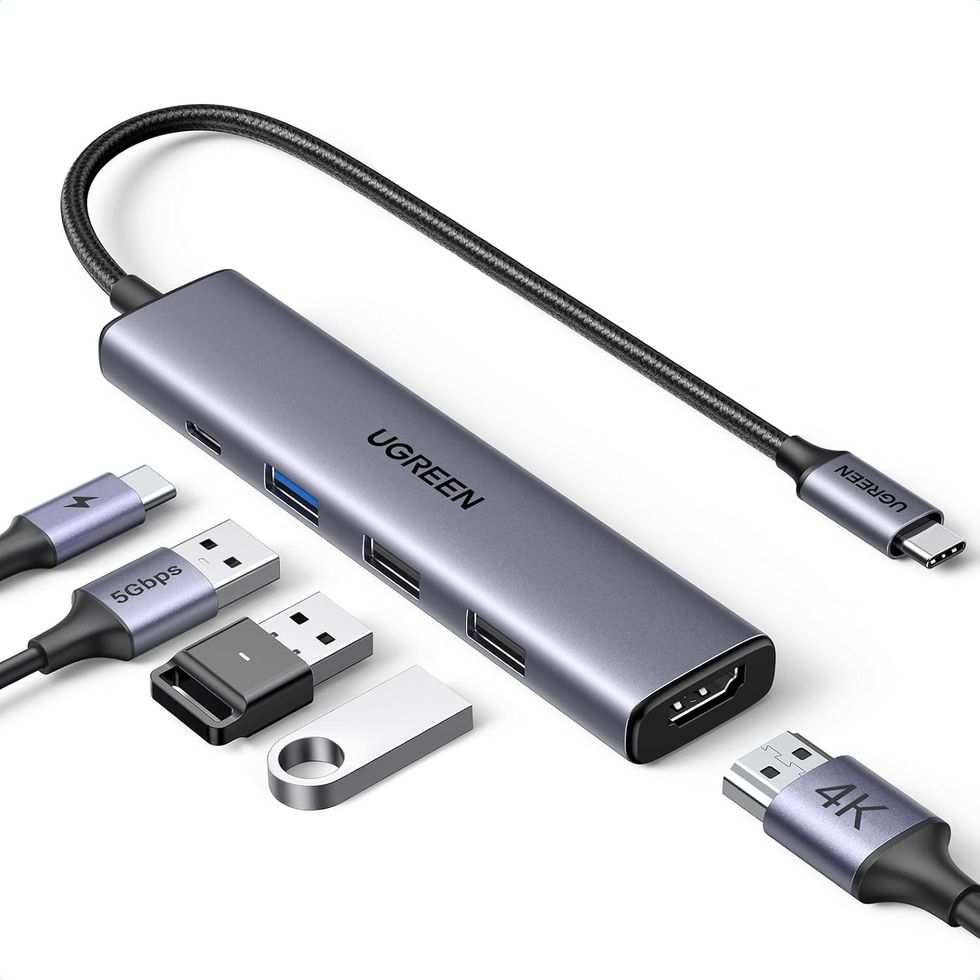 USB-C Multiport Hub Amazon
 Ergonomic Mouse Pad Amazon