
- Northwestern Polytechnical University bought two Nvidia H200 processors worth $123,000
- The university also secured access to computing servers containing other US-restricted Nvidia chips
- The purchases highlight the challenge of preventing advanced AI technology from reaching Chinese military-linked institutions
A Chinese university with close ties to the People's Liberation Army has purchased two of Nvidia's most powerful artificial intelligence processors despite being subject to US export restrictions, raising fresh questions about Washington's ability to limit China's access to advanced technology.
Northwestern Polytechnical University paid 874,700 yuan, or approximately $123,000, for two H200 chips in October, according to procurement records reviewed by Reuters. The October 21 notice showed that the processors were bought for the university's management school through a domestic supplier, Shaanxi Bosuan Network Technology, rather than directly from Nvidia.
The purchase comes as Nvidia CEO Jensen Huang faces growing pressure in Washington over his calls for looser restrictions on sales of advanced AI chips to China. US lawmakers have warned that access to powerful processors could accelerate China's development of AI systems for weapons design, intelligence analysis and military modernisation.
The findings also point to a wider challenge for US export policy. A Reuters review of 26 Chinese procurement and corporate records found that universities and research institutions were buying restricted Nvidia processors or renting computing capacity powered by them through domestic suppliers. Several had links to China's defence industry or military research.
Why is this Chinese university under US restrictions?
Northwestern Polytechnical, based in Xi'an in northwestern China, is part of the country's "Seven Sons of National Defense", a group of universities with close links to military research and the defence industry.
Its work includes research related to military aircraft, missiles and satellites. The US Commerce Department added the institution to its Entity List in 2001 over alleged involvement in missile proliferation and military research. Restrictions were tightened in 2019, making licences for exports of controlled US technology to the university subject to a policy of denial in most circumstances.
The H200 is among Nvidia's most capable processors for training and running advanced AI systems. Its export to China requires US licensing approval, with restrictions applying particularly strongly to organisations on the Entity List.
The university's procurement records show that the purchase of two H200 chips was not its only route to Nvidia computing power. Its cybersecurity school awarded two seven-month contracts in January for access to servers containing eight H200 processors each. The contracts, worth 441,700 yuan and 441,000 yuan, covered AI model fine-tuning and reinforcement-learning training.
It also rented access to servers containing eight Nvidia A100 chips and eight A800 chips. Both processor models are subject to US restrictions on exports to China.
In April, another university institute bought computing services requiring at least 24 A100 chips for structural and fluid-dynamics simulations. The contract was worth 375,000 yuan.
The records identify the Chinese suppliers that won the contracts but provide limited information about where the processors originated or where the rented servers were located. As per reports, it could not establish the source of the H200 chips purchased by the management school.
Are US export controls failing to keep advanced chips out of China?
The findings suggest that restricting direct exports may not be enough to prevent Chinese institutions from accessing advanced computing technology.
The Trump administration began allowing some H200 exports to China on a case-by-case basis in January 2026. However, that policy did not remove the separate restrictions applying to organisations on the Entity List, including Northwestern Polytechnical. The licensing rules also require safeguards to prevent blacklisted institutions and military end-users from remotely accessing chips exported under the policy.
Shenzhen University purchased three Nvidia H100 processors for 769,800 yuan in September. Wuhan University of Technology bought a server containing an H100 chip in June and four A100 processors in a separate transaction. Beihang University, another member of the Seven Sons of National Defense, purchased four A800 processors in April.
Government procurement notices also identified suppliers offering computing services powered by restricted Nvidia H800 and A800 processors to the University of Chinese Academy of Sciences.
The transactions highlight the role of domestic technology companies in providing access to computing infrastructure. Institutions do not necessarily need to purchase processors directly from Nvidia or import them themselves if they can rent access to servers containing the hardware.
It was already reported that Nvidia chips reaching Chinese institutions through servers supplied by companies including Super Micro Computer, Dell and Gigabyte, as well as an underground market involving overseas inventories and third-country intermediaries.
The developments add to the pressure on Nvidia as Washington debates how much access Chinese customers should have to American AI technology.
Huang has argued that allowing US companies to continue selling to China would help preserve American technological leadership and keep Chinese customers dependent on US products. However, lawmakers from both parties have called for stronger controls, including chip-tracking requirements and greater congressional oversight.
Three Republican committee chairmen have requested a briefing with Huang on November 18 over his reported contacts with an alleged Chinese intelligence operative. The request follows reports that he was targeted by a suspected Chinese spying operation, allegations that have added another layer of scrutiny around the Nvidia chief.
For Washington, the challenge is no longer limited to deciding which processors can be exported. It is also about tracking where those chips end up, who can access them and whether restrictions can be enforced when computing power is supplied through third-party companies.
For Nvidia, the debate presents a difficult commercial and strategic balance: maintaining access to one of the world's largest technology markets while navigating growing concerns in the US over the potential military use of its most advanced processors.












 Amazon\u200bMeta Quest 3S VR headset
 www.indiaweekly.biz\u200bMeta Quest 3S VR headset
 Ray-Ban Meta AI smart glasses Amazon
 Oura Ring 5 Amazon
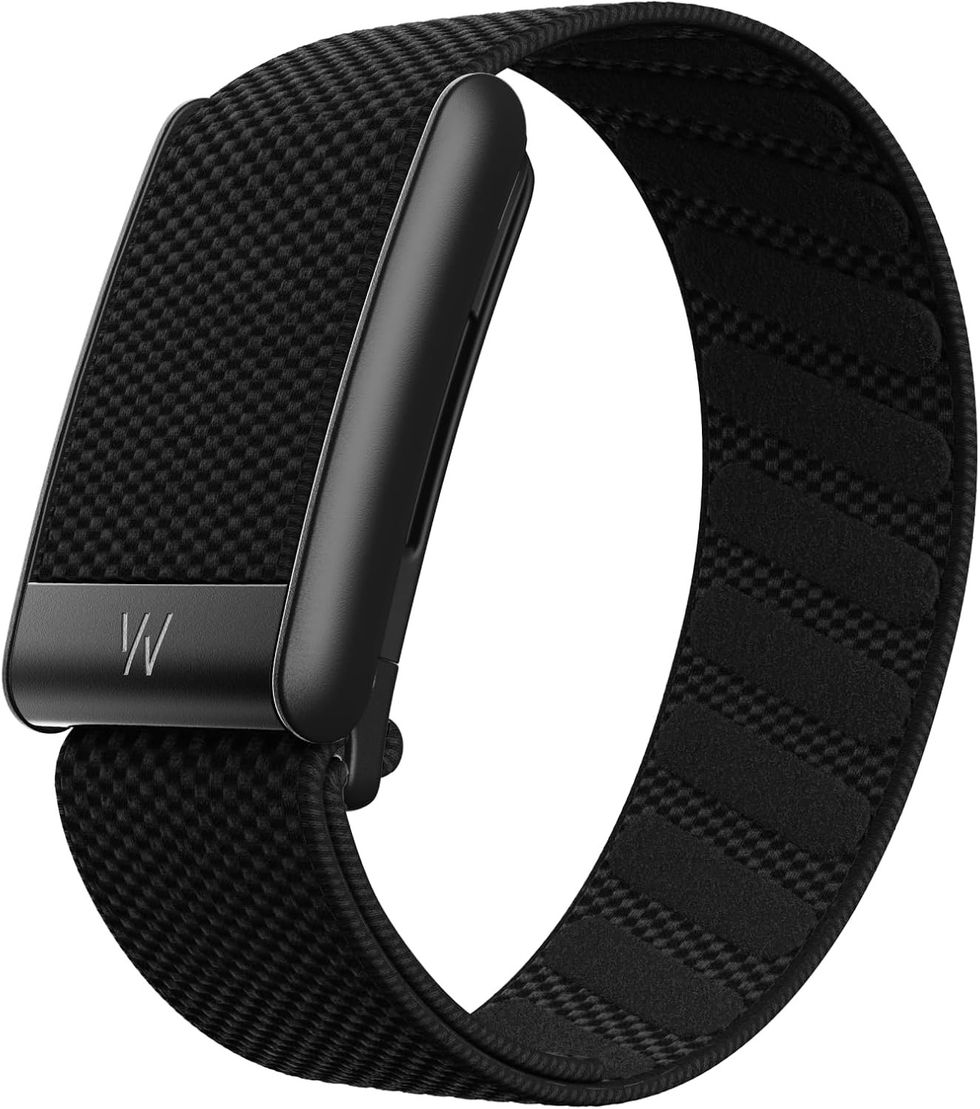 WHOOP 5.0 fitness tracker Amazon
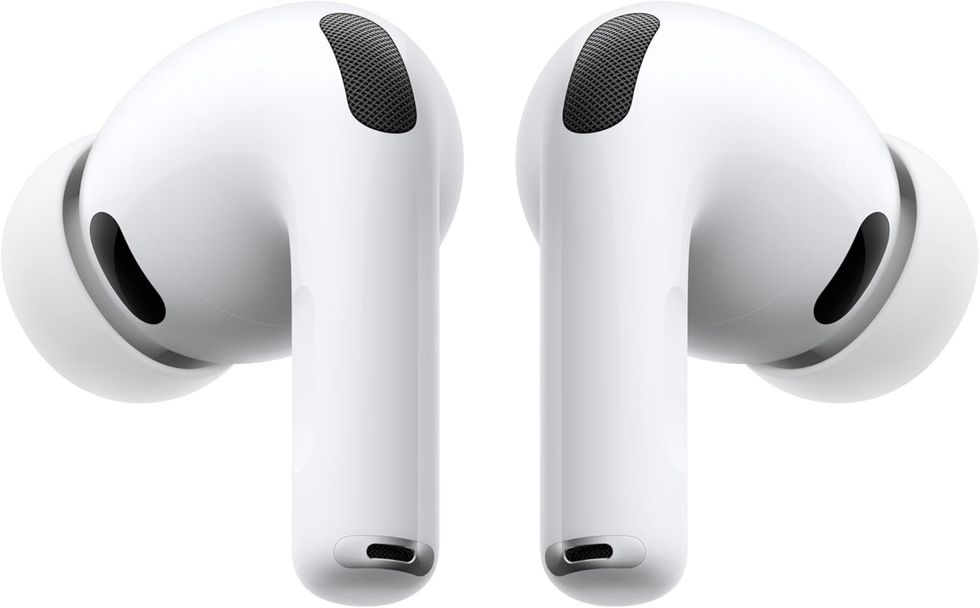 Apple AirPods Pro 3 Amazon
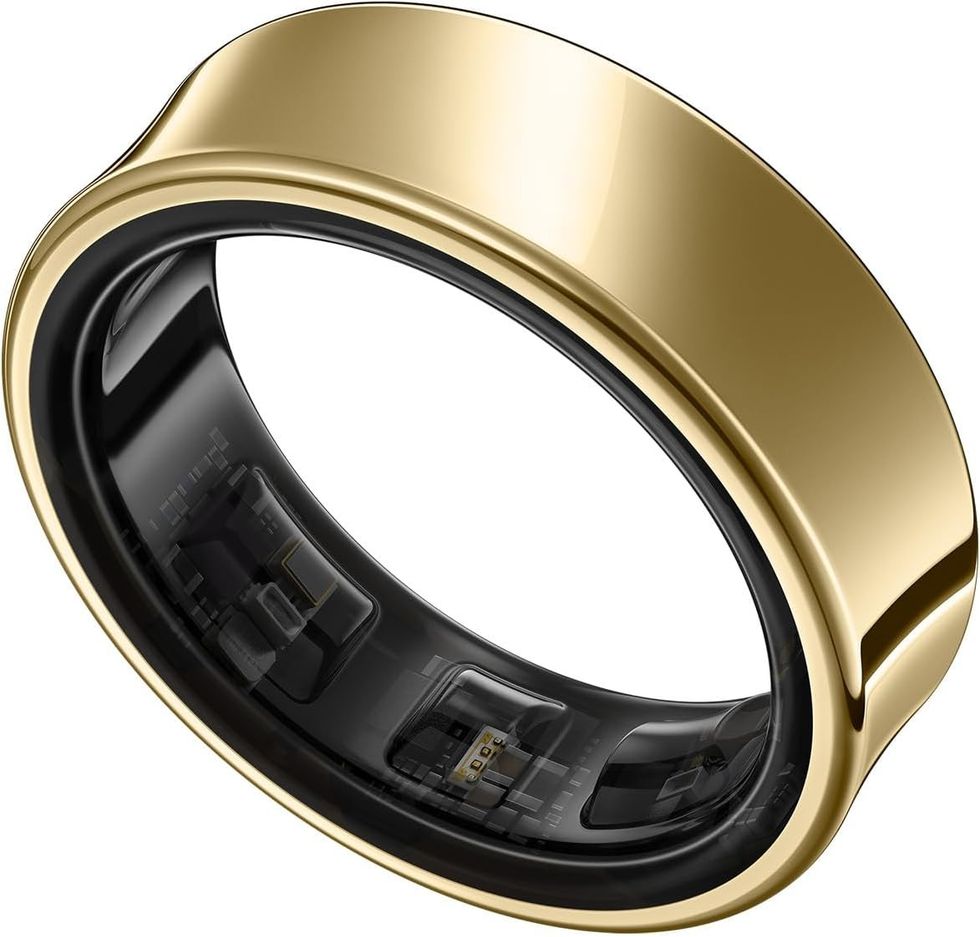 Samsung Galaxy Ring Amazon
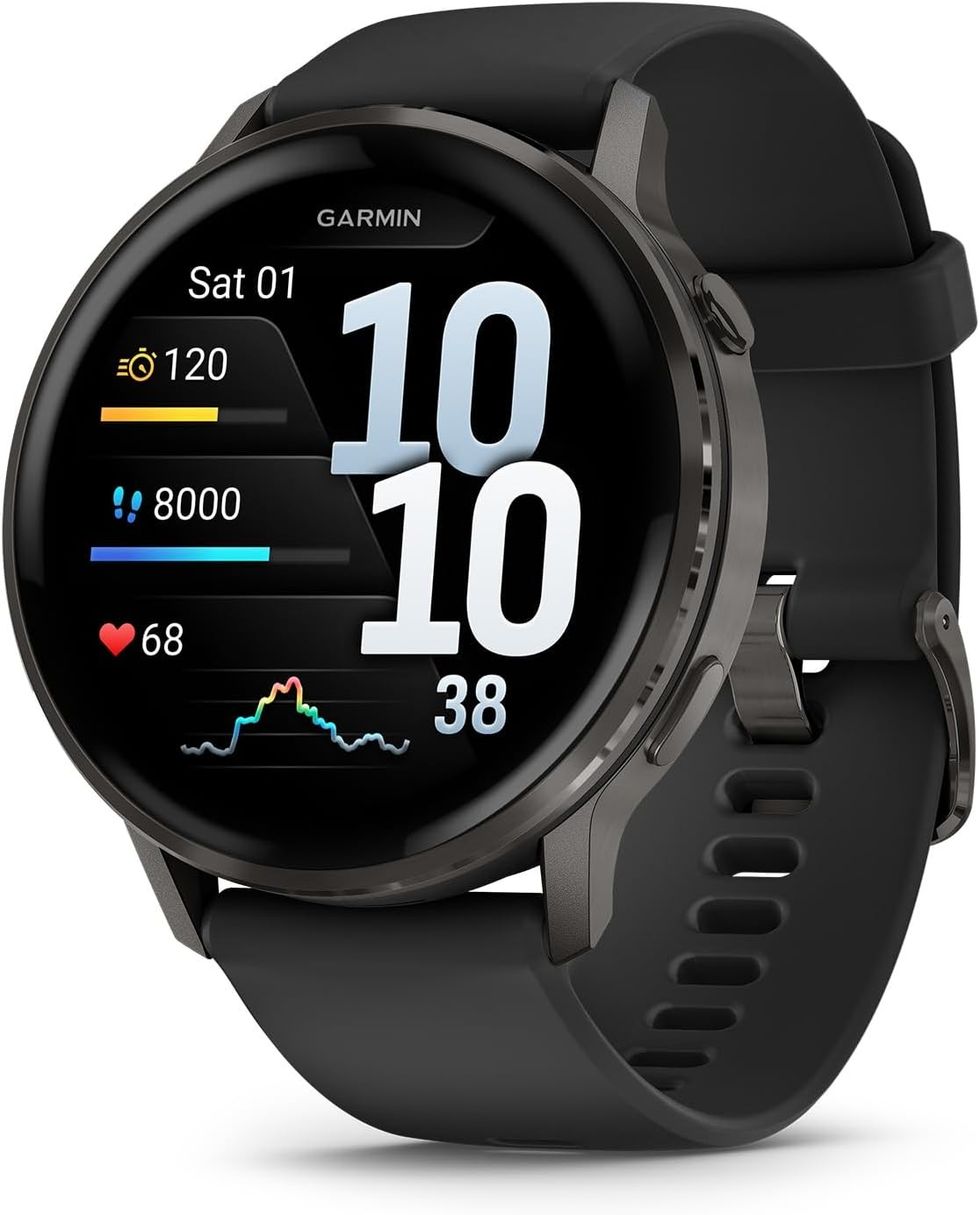 Garmin Venu smartwatch Amazon
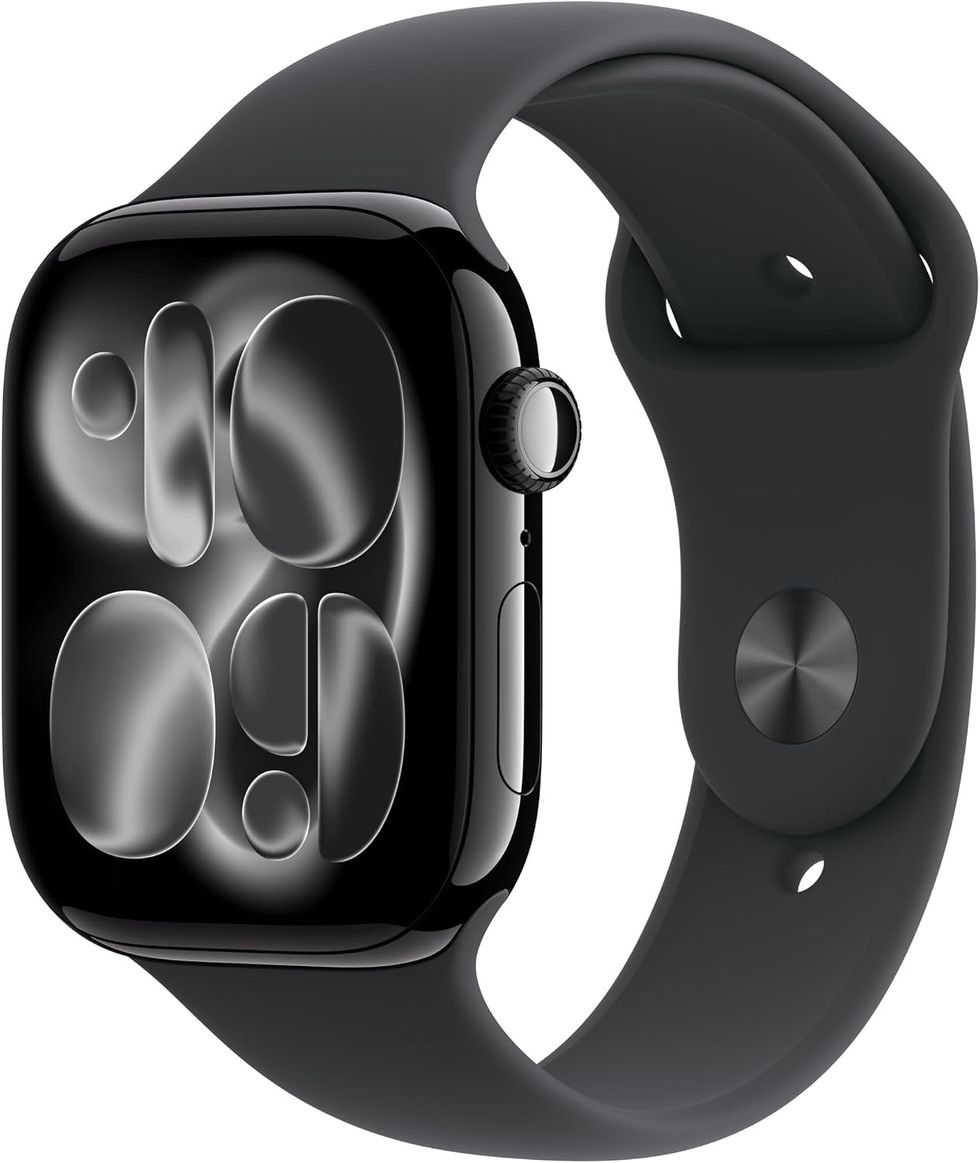 Apple Watch Series 11 Amazon
 Google Pixel Watch 4 Amazon
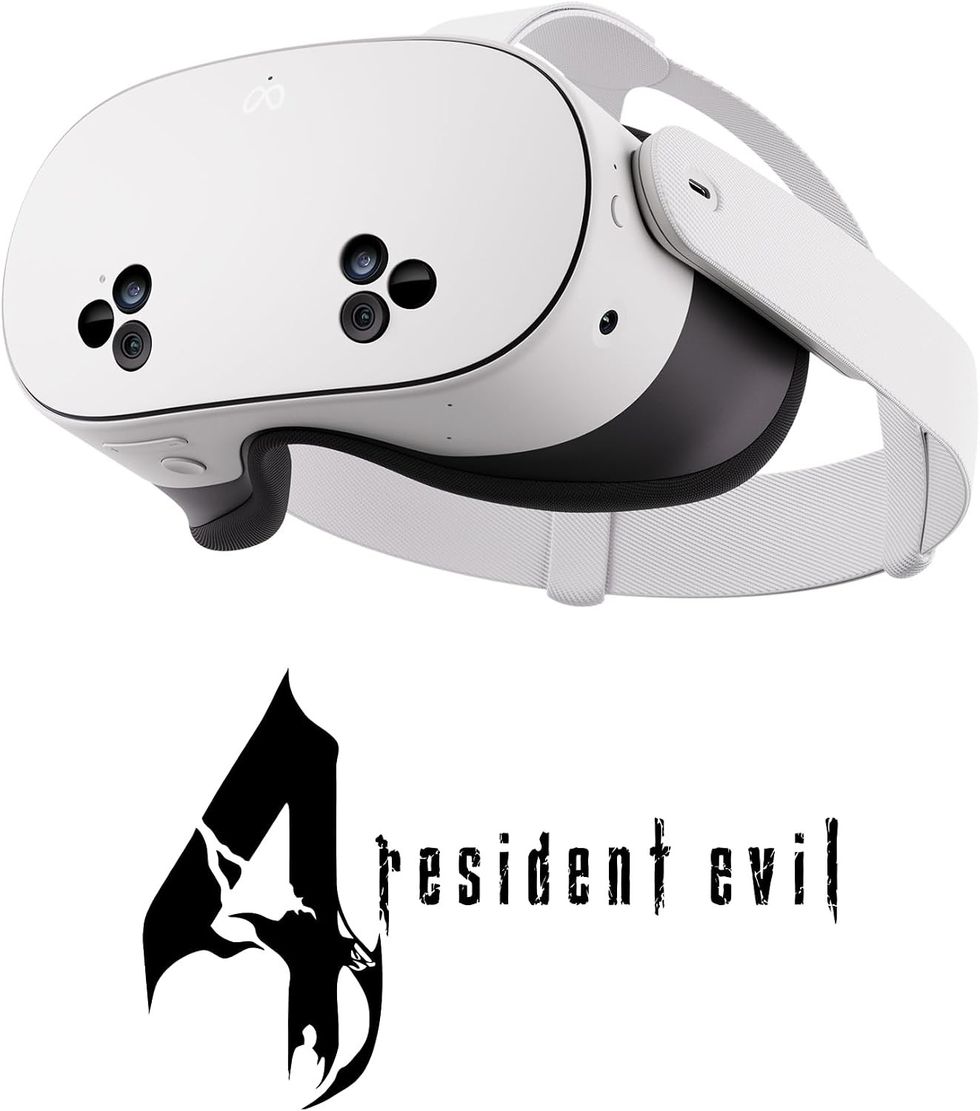 Meta Quest 3S VR headset Amazon
 Meta Quest 3S VR headset

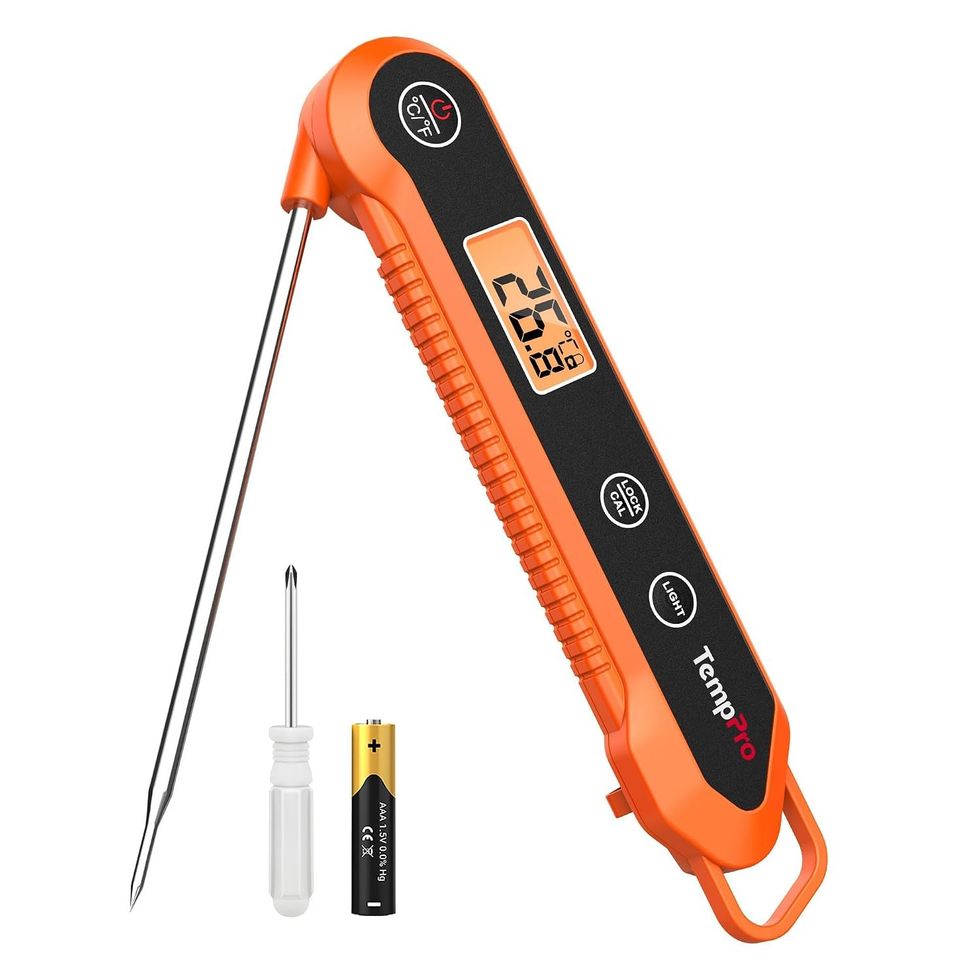




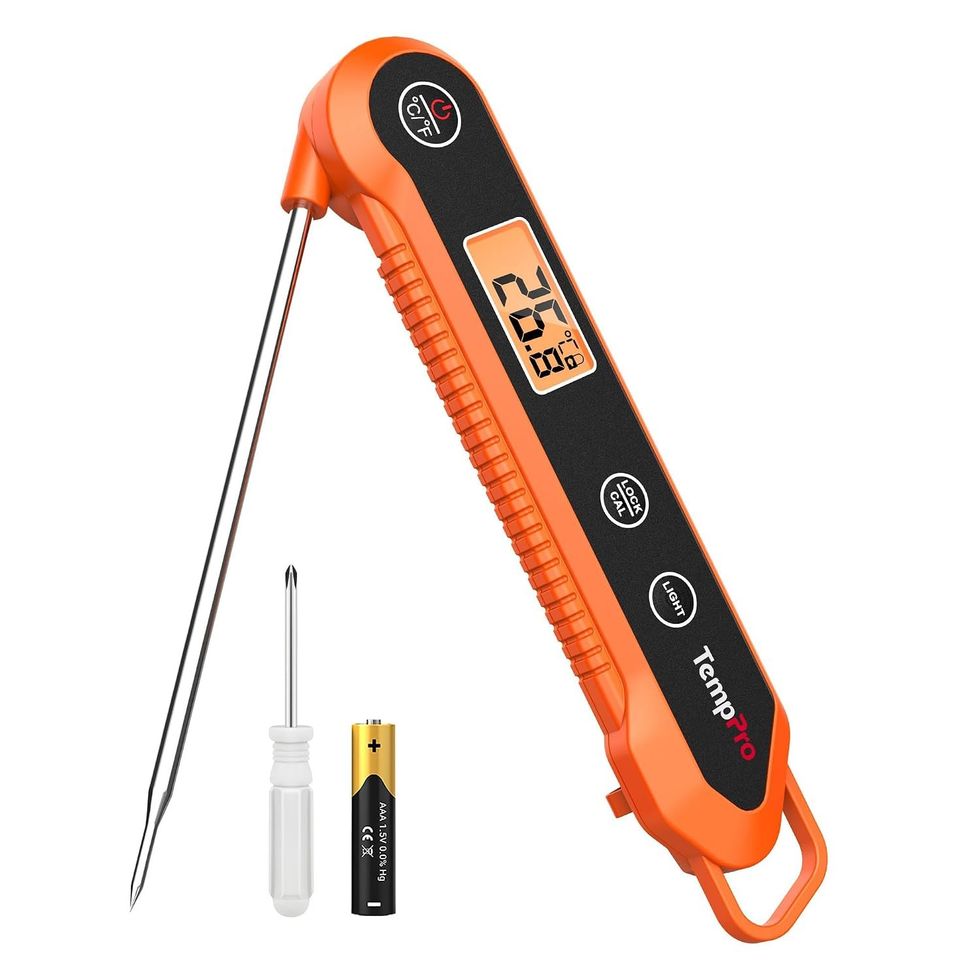 ThermoPro digital meat thermometer Amazon
 Nordic Ware turkey roasting pan Amazon
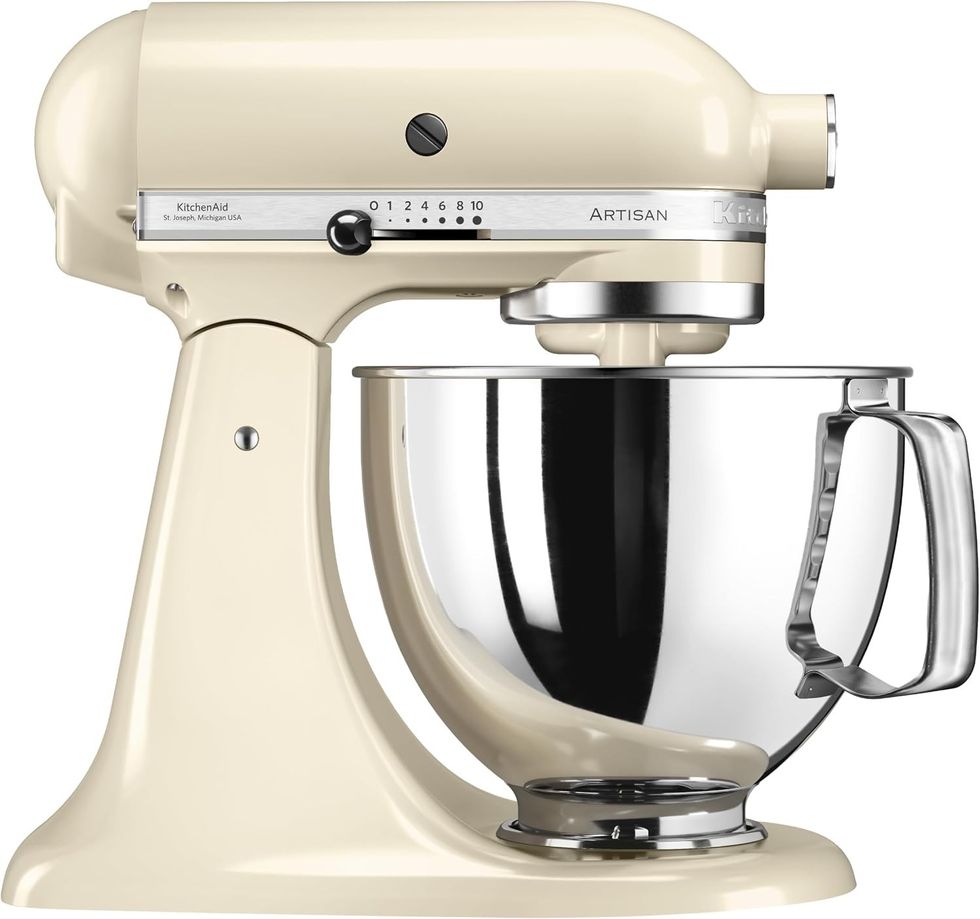
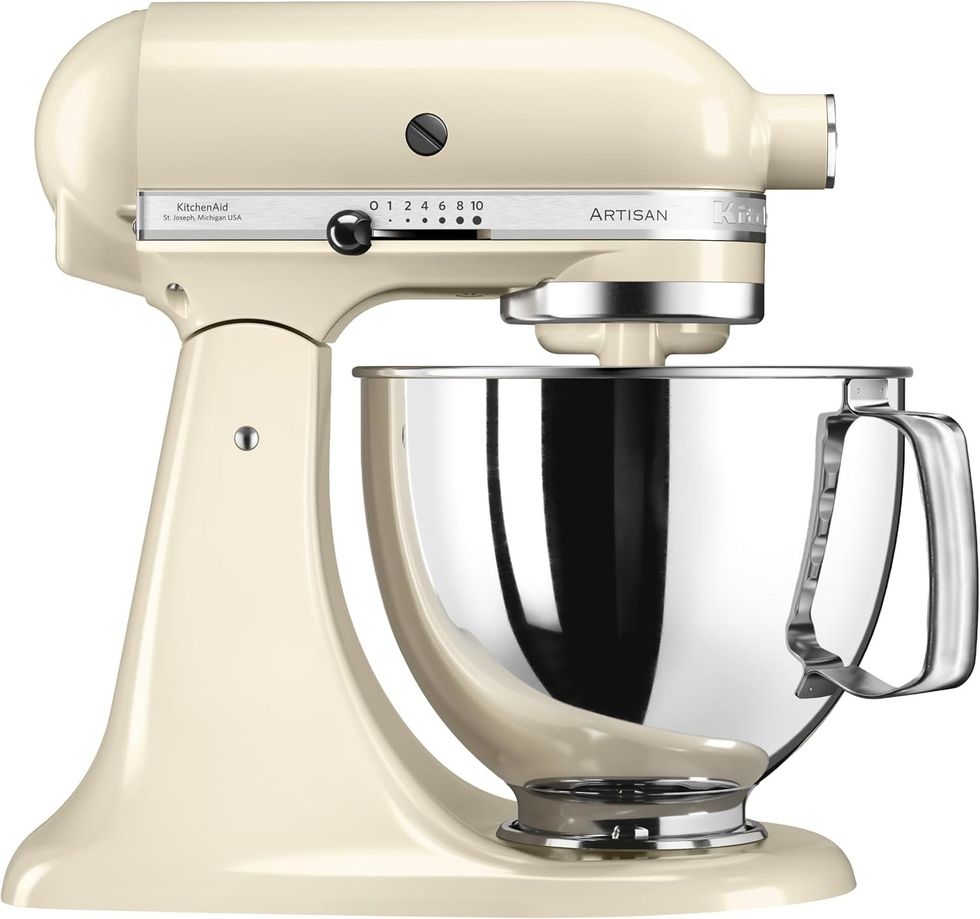 KitchenAid stand mixer Amazon
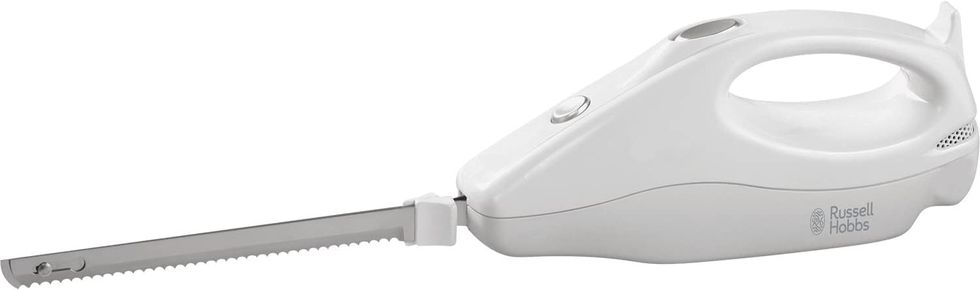
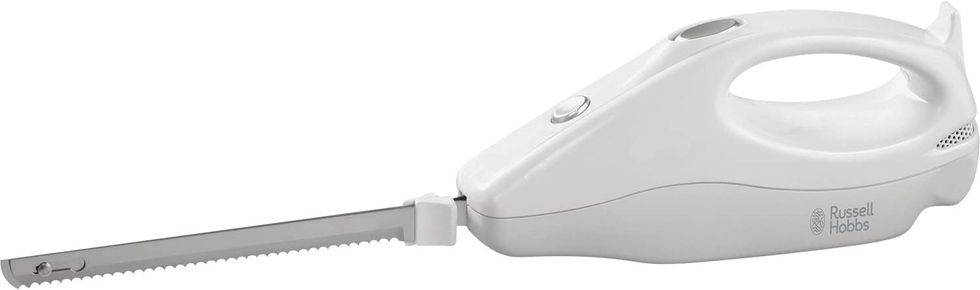 Hamilton Beach electric carving knife Amazon
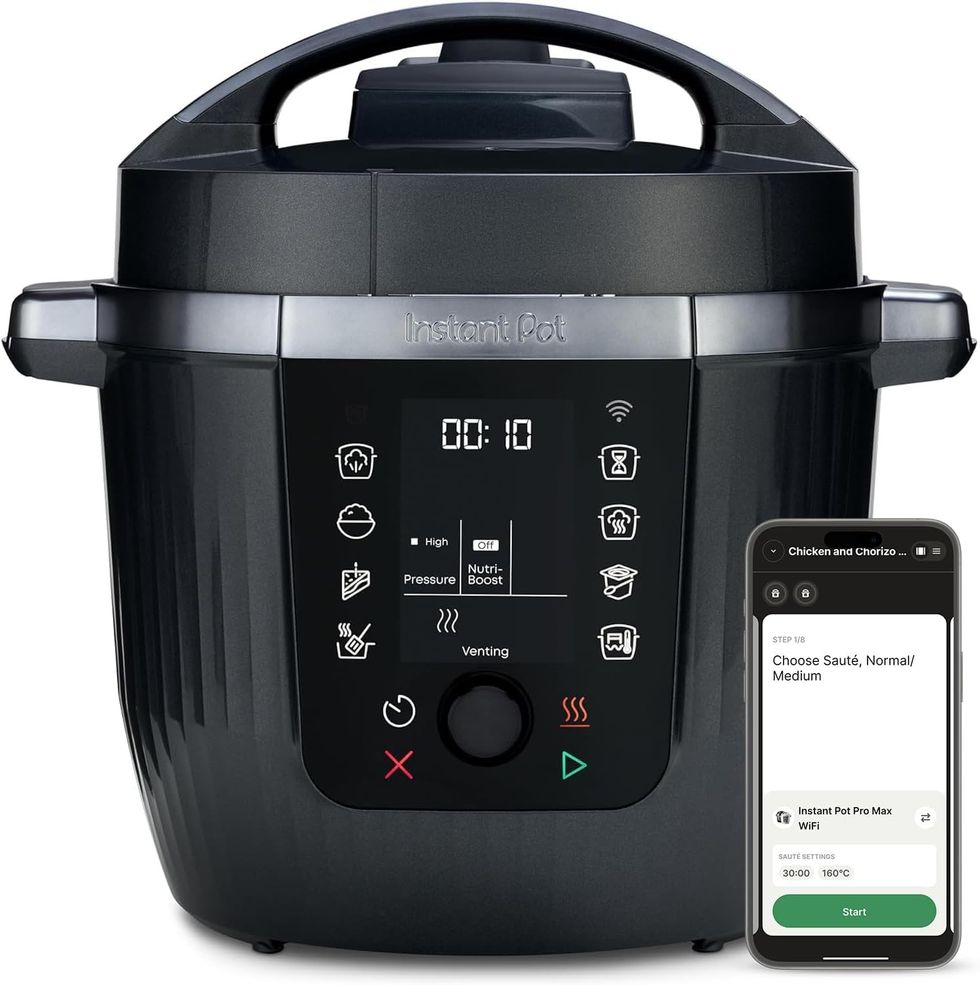
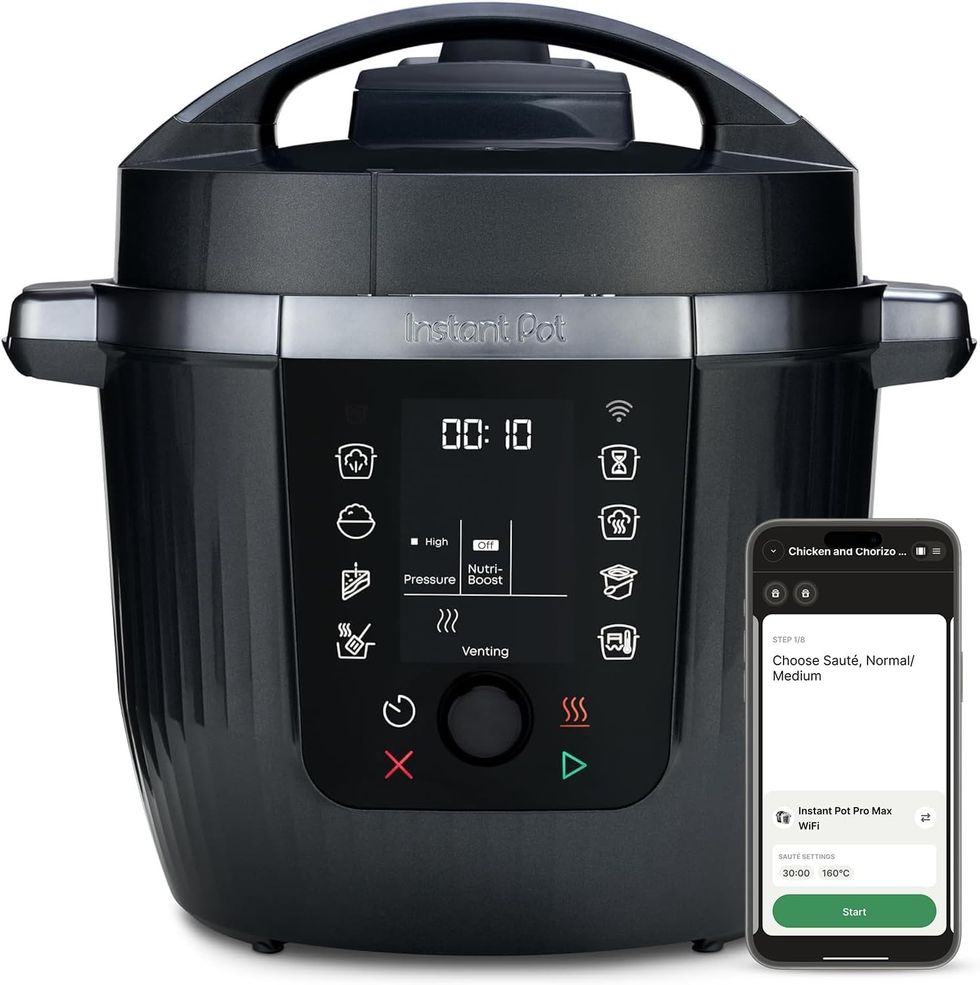 Instant Pot pressure cooker Amazon
 Pyrex glass baking dish set Amazon
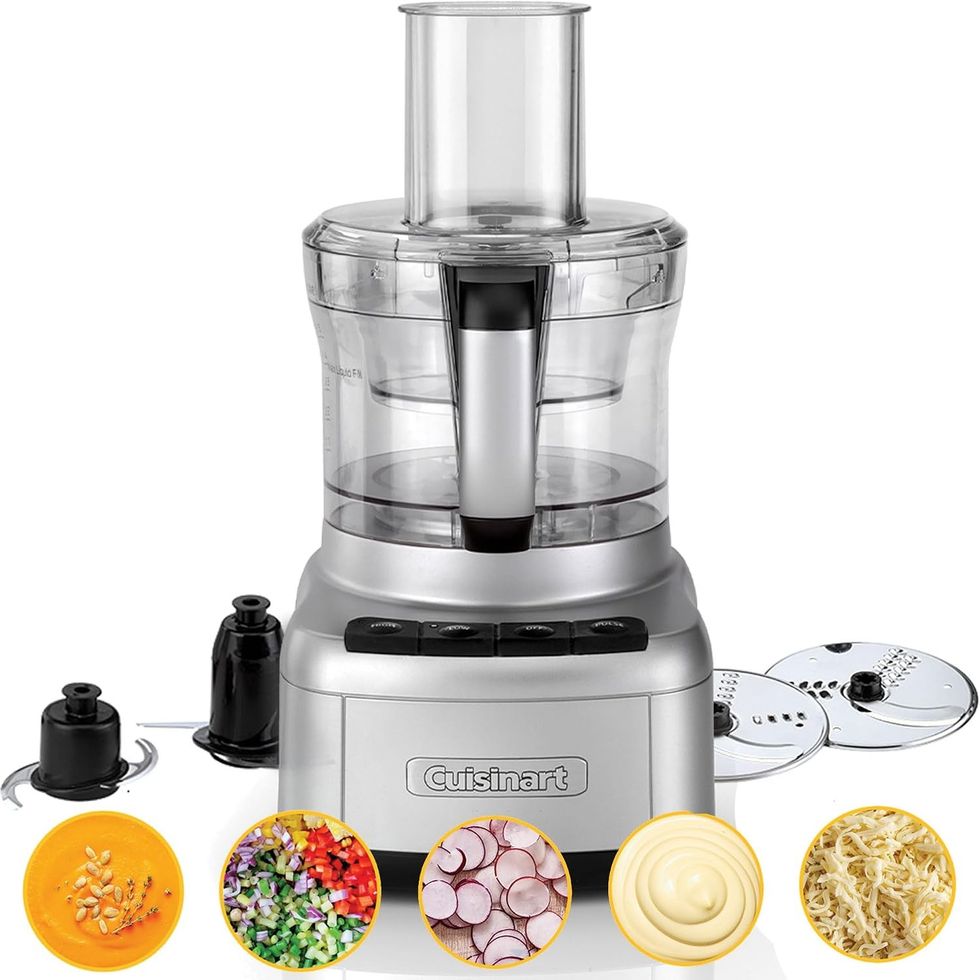
 Cuisinart food processor Amazon
 Large wooden serving board Amazon
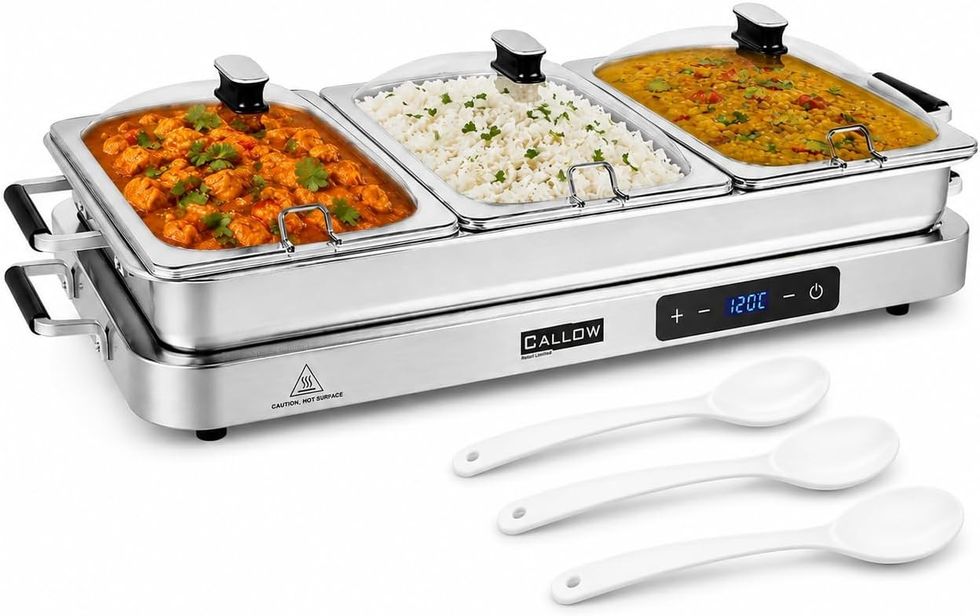
 Electric buffet food warmer Amazon
 Thanksgiving dinner tableware set Amazon