
Highlights:
- Six Indian-American lawmakers voted against referring the Hegseth impeachment resolution to committee.
- The six were Ami Bera, Pramila Jayapal, Ro Khanna, Raja Krishnamoorthi, Suhas Subramanyam and Shri Thanedar.
- The House approved the procedural motion 211-204 on November 10.
- Thomas Massie's eight impeachment articles accused Hegseth of misconduct involving military operations, including the Iran war.
- Democrats are expected to take control of the House in January 2027, potentially reopening the issue.
Six Indian-American members of the US House of Representatives voted against a Republican-led effort to send impeachment charges against Defense Secretary Pete Hegseth to a committee, as US president Donald Trump secured a procedural victory in Congress.
The November 10 vote ended an immediate attempt to advance impeachment proceedings against Hegseth. The House voted 211-204 to refer a resolution containing eight articles of impeachment to the Judiciary Committee, effectively preventing it from proceeding directly to a full House vote.
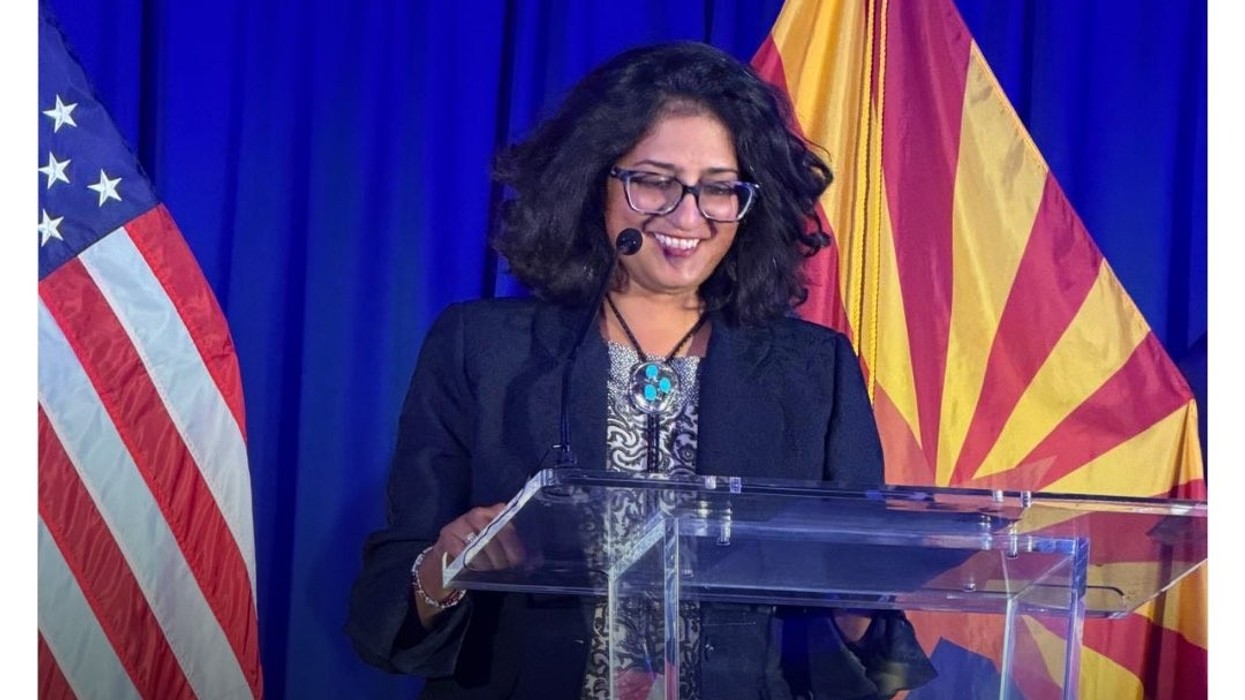
The six Indian-American lawmakers who voted against the referral were Ami Bera of California, Pramila Jayapal of Washington, Ro Khanna of California, Raja Krishnamoorthi of Illinois, Suhas Subramanyam of Virginia and Shri Thanedar of Michigan. Their votes were part of the 204-member bloc opposing the procedural motion, according to the official US House roll-call record.
The distinction is important: lawmakers were voting on whether to send the resolution to a committee, not directly on whether Hegseth should be impeached. The motion passed with 211 votes in favor and 204 against, with 18 members not voting.
Why was Hegseth facing impeachment?
Republican Representative Thomas Massie of Kentucky introduced the resolution, which contained eight articles accusing Hegseth of violating the Constitution and federal law through his handling of US military operations.
The allegations included authorizing military strikes against Iran and Yemen without congressional approval, overseeing operations connected to the capture of Venezuelan President Nicolás Maduro, and other actions involving military operations and congressional oversight.
Massie argued that Hegseth had violated the War Powers Resolution, which requires the president to seek congressional authorization for continued military engagement beyond the prescribed period.
Earlier on Tuesday, Massie posted on X:
"IMPEACHMENT, Article III. The law requires our military to withdraw from hostilities within 60 days if Congress does not authorize the activity. Operation Epic Fury has been underway for 256 days. Congress has not authorized it.
Hegseth is breaking the law. Not even debatable," Massie posted on X.
The allegations have not been established as findings of wrongdoing. The Trump administration has defended the military operations and rejected the impeachment effort.
What did Hegseth and Trump say?
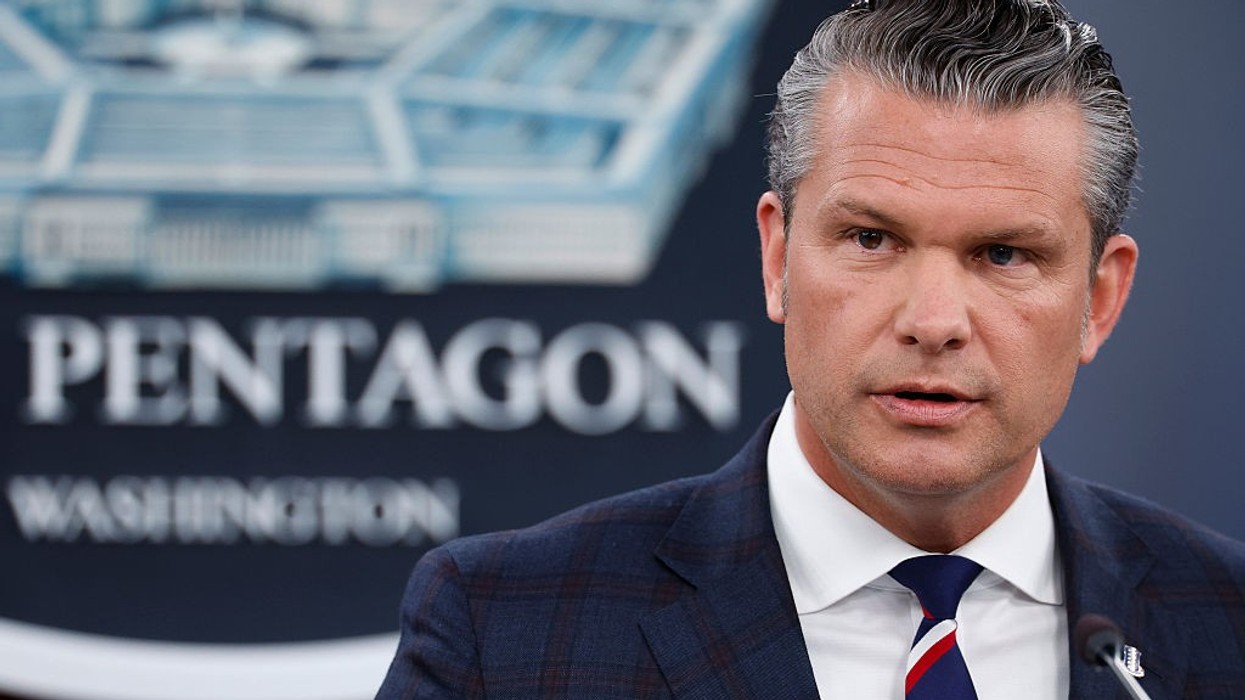
Hegseth dismissed the impeachment push during a Pentagon news conference, comparing it with the two unsuccessful attempts to impeach Trump during his first presidential term.
"We've seen this show before. They impeached President Trump over a perfect phone call. They impeached him again in his final week in office. Both times they failed... Now they're trying a third time-this time against a member of his cabinet," Hegseth said.
He also defended his role in carrying out the president's military directives and said he was proud to follow the orders of the Commander-in-Chief.
"They will fail again. And if standing with president Trump puts me in that company, I'll take that company every day of the week," he said.
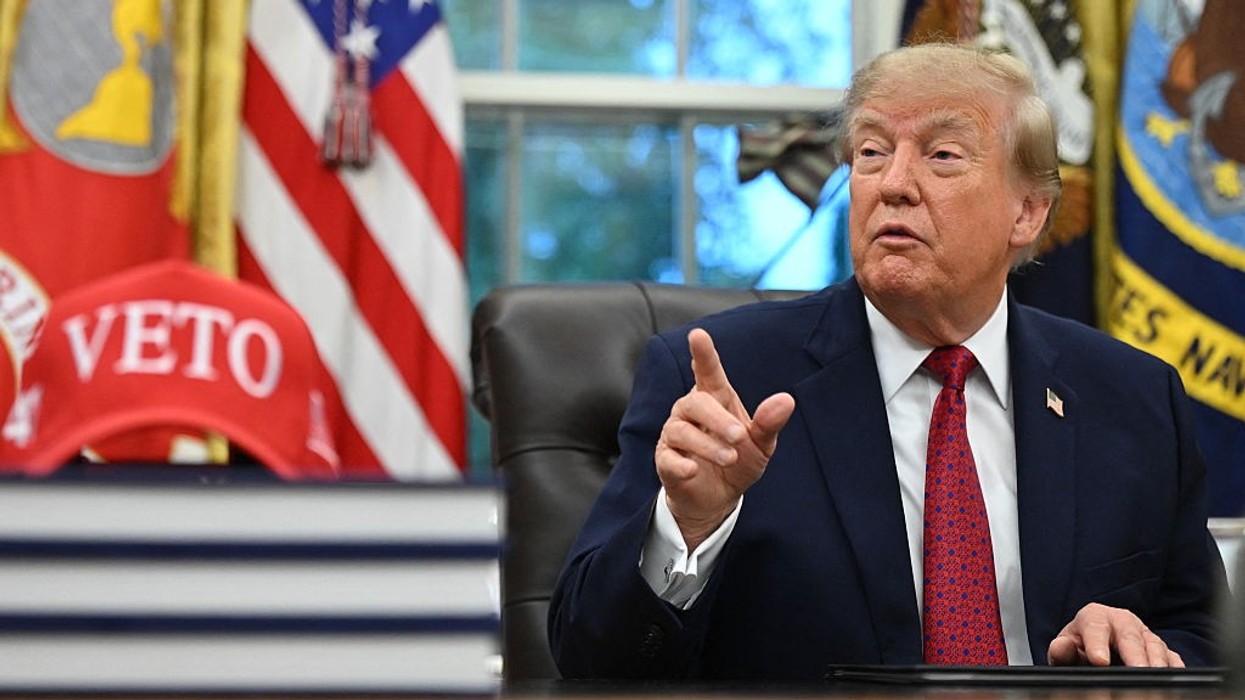
Trump also publicly backed his defense secretary after the House vote. In a post on Truth Social, he gave Hegseth an "A" PLUS PLUS PLUS for his response to the impeachment effort and attacked Massie.
"Pete Hegseth gets an 'A' PLUS PLUS PLUS for his defense against a disgruntled, angry, defeated, former Congressman, Thomas Massie, a TOTAL LOSER!" Trump posted.
Could Democrats revive the impeachment effort?
The vote provides Hegseth with an immediate reprieve, but the political dispute may continue. Democrats are set to take control of the House when the 120th Congress convenes in January 2027, following their gains in the midterm elections.
The incoming Democratic majority, led by Hakeem Jeffries, could pursue further investigations into the Pentagon and potentially revisit the impeachment question. However, no renewed impeachment effort has been confirmed.
The case also follows the 2024 impeachment of former Homeland Security Secretary Alejandro Mayorkas by the Republican-controlled House over his handling of the US-Mexico border. The Senate dismissed the charges without holding a full trial.
Before Mayorkas, the last Cabinet secretary impeached by the House was War Secretary William Belknap in 1876, following allegations involving kickbacks connected to government contracts. Belknap resigned before the House voted to impeach him.
For the six Indian-American lawmakers, the latest vote places their names among the members who opposed the procedural move to halt the immediate progress of the Hegseth resolution. With Democrats preparing to take control of the House, the question of congressional oversight of the administration's military decisions is likely to remain a major political issue in Washington.