

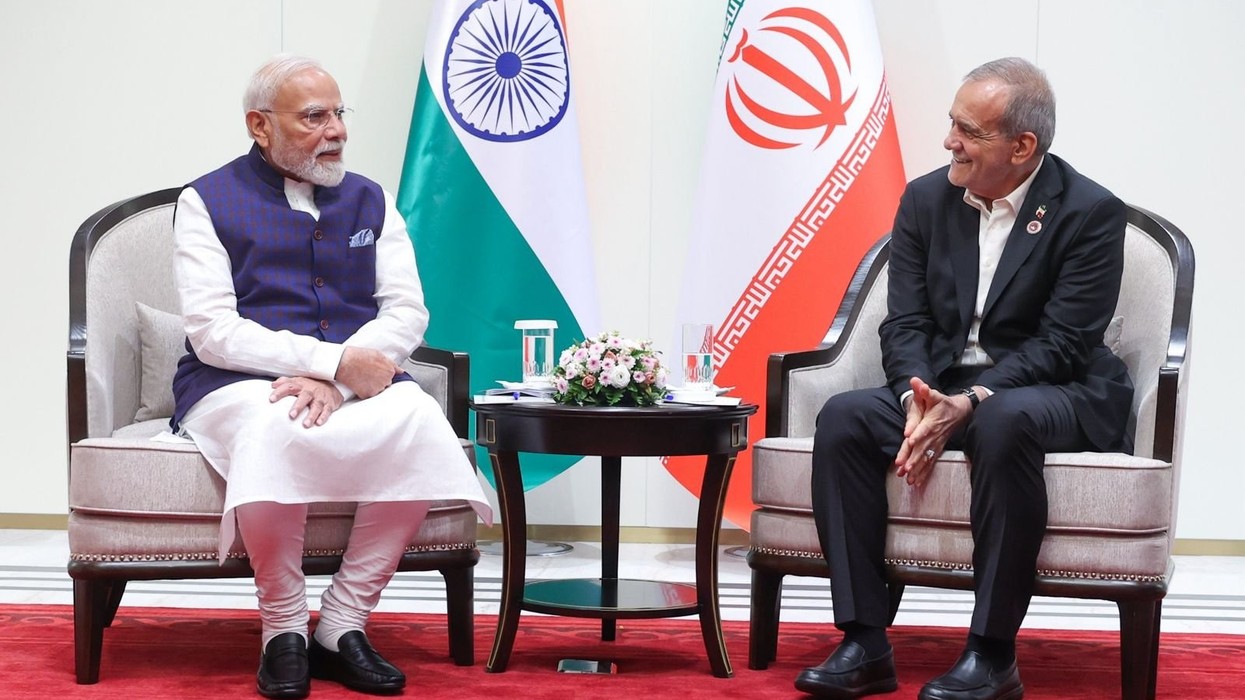
With the aim to facilitate an ecosystem of technology and innovation, Indian prime minister Narendra Modi on Saturday (10) inaugurated the Centre-State Science Conclave via video conferencing.
According to the prime minister's office (PMO), the first of its kind conclave will strengthen coordination and collaboration mechanisms between the central government and states -- in the spirit of cooperative federalism -- to build a robust science, technology and innovation (STI) ecosystem across the country.
The two-day conclave is being organised at Science City, Ahmedabad, in the western state of Gujarat. It will include sessions on different thematic areas including STI Vision 2047; Future Growth Pathways and Vision for STI in States; Health - Digital Health Care for All; Doubling Private Sector investment in R&D by 2030; Agriculture - Technological interventions for improving farmers' income; Water -- Innovation for producing potable drinking water; Energy- Clean Energy for All including S&T role in Hydrogen mission; Deep Ocean Mission and its relevance for Coastal States/UTs as well as country's future economy.
During the inauguration of the conclave, Gujarat chief minister Bhupendra Patel and Indian minister of state for science and technology Jitendra Singh were present.
The conclave will witness participation of the science and technology minister and secretaries of states and union territories, industry leaders, entrepreneurs, non-governmental organisations, young scientists and students, the PMO said.
[With agency inputs]


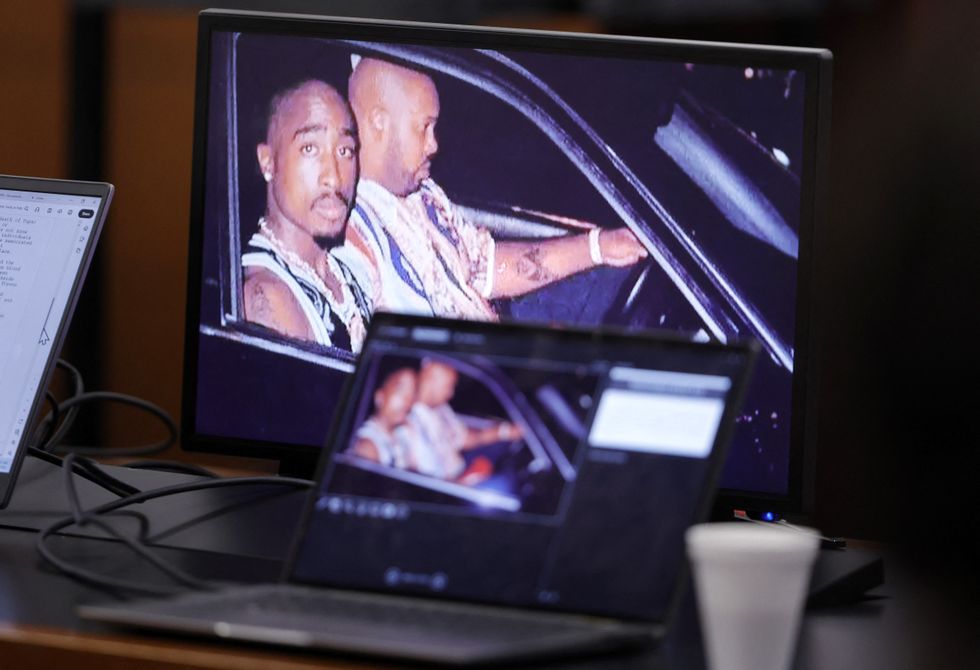 A 1996 photo of rapper Tupac Shakur (L) and Marion "Suge" Knight is shown on screens during closing arguments in the Duane Davis murder trial, related to the 1996 killing of rapper Tupac Shakur, at Clark County District Court at the Regional Justice Center in Las Vegas, Nevada, on August 31, 2026. Getty Images


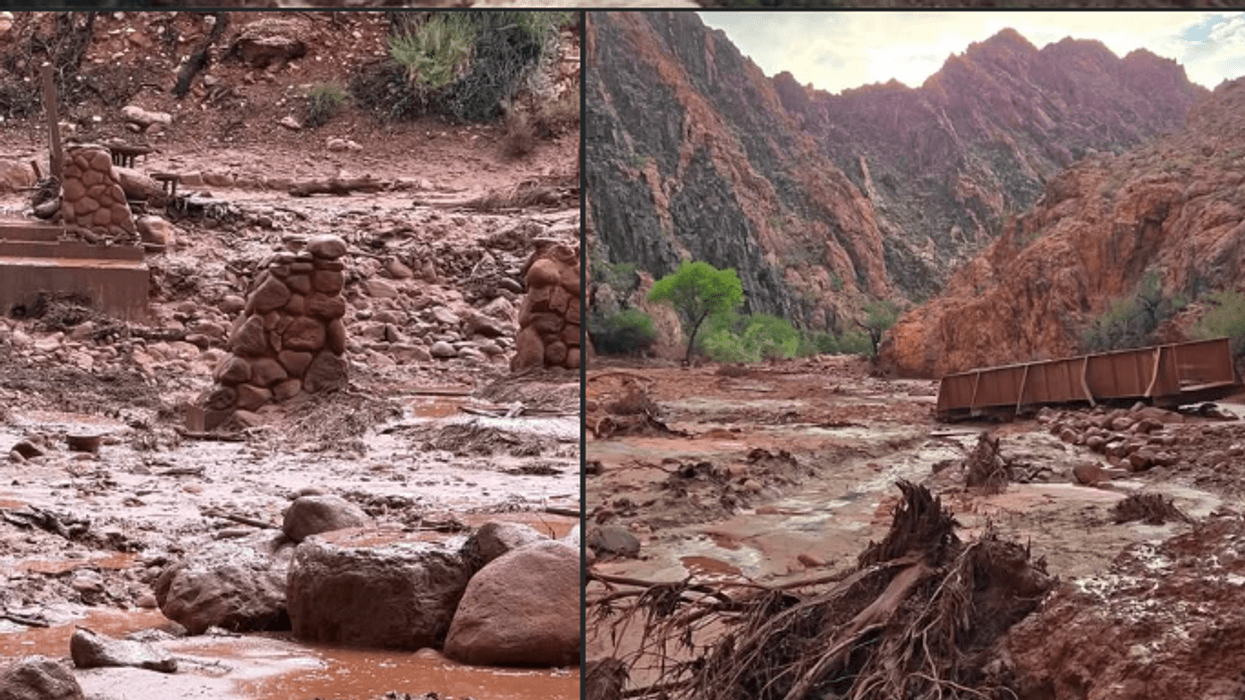
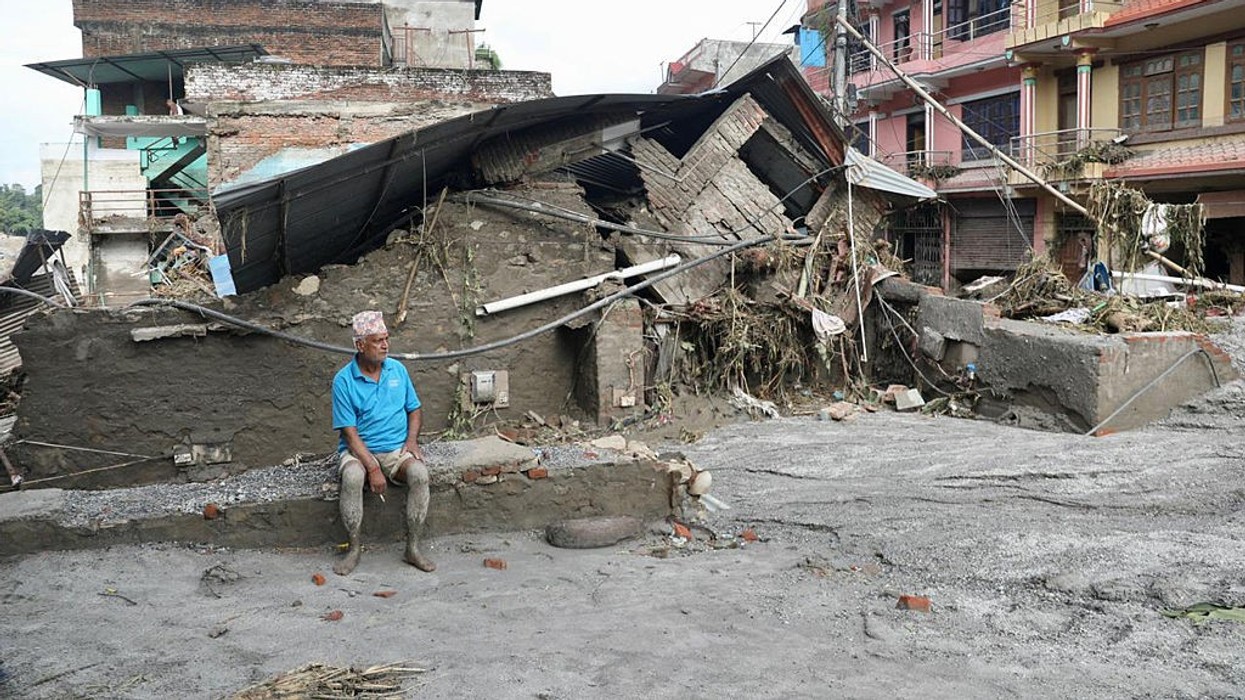
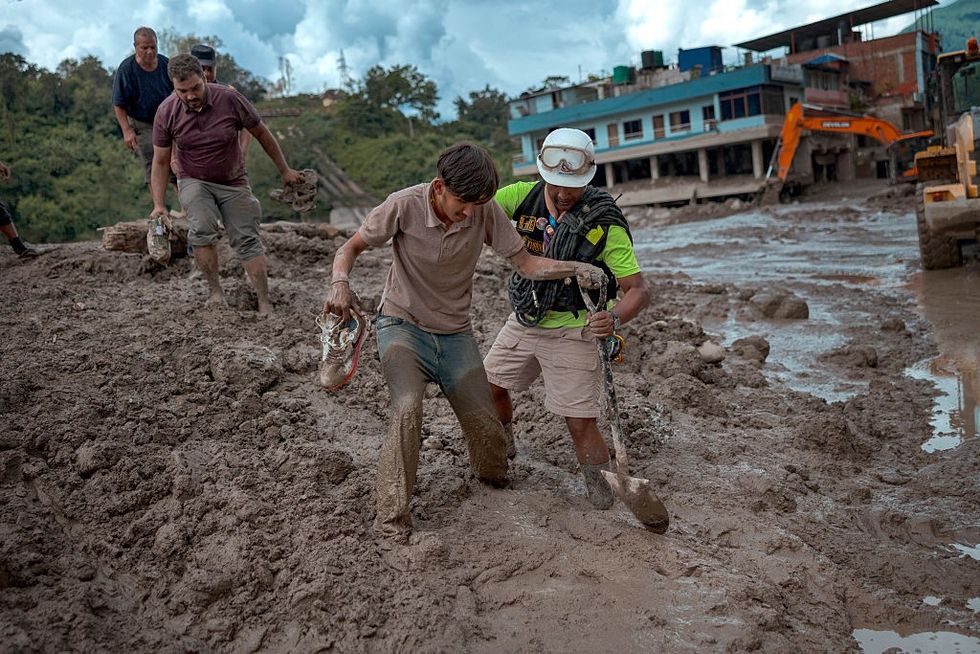 A rescuer assists a resident through heavy mud following flash floods on August 27, 2026 in Trishuli, Nepal. A sudden flood swept through the Bhote Koshi River basin in northern Rasuwa on August 26, damaging settlements, roads and energy infrastructure as rescue teams searched for residents and foreign travellers reported out of contact. Hundreds were reported missing, as the death toll started to climb.Getty Images
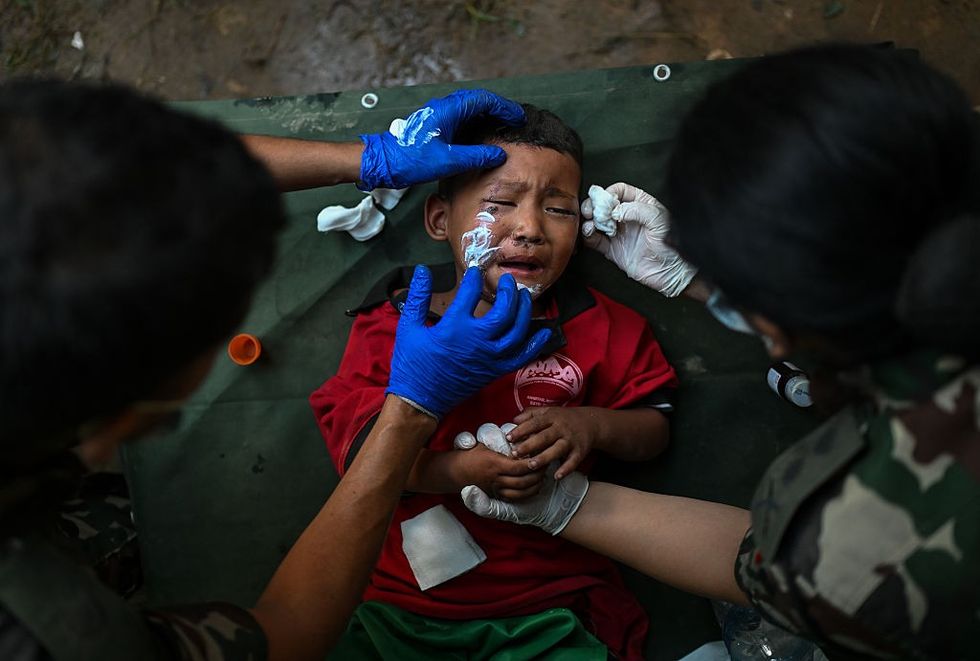 Rescue personnel provide medical treatment to a child at an army rescue camp in Trishuli Batar, Nepal, on August 27, 2026. A sudden flood swept through the Bhote Koshi River basin in northern Rasuwa on August 26, damaging settlements, roads and energy infrastructure, as rescue teams searched for residents and foreign travellers reported out of contact. Hundreds were reported missing as the death toll began to climb. Getty Ima
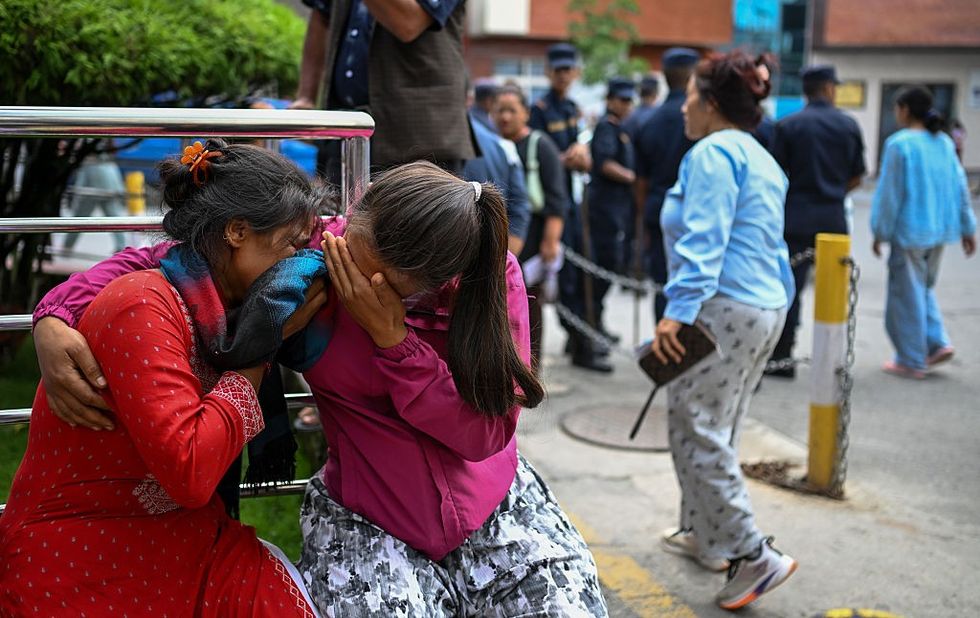 Family members of missing flood victims react at the emergency ward of the Maharajgunj Medical Campus, part of the Tribhuvan University Teaching Hospital, on August 28, 2026 in Kathmandu, Nepal. Authorities said the flash floods were triggered after a mass of ice, mud and rock collapsed into a Himalayan river near the Nepal-China border, leaving hundreds dead or missing and causing widespread damage in affected districts. Authorities continued the gruelling search for victims, many buried under metres of mud, as both China and Nepal issued fresh flooding alerts.Getty Images