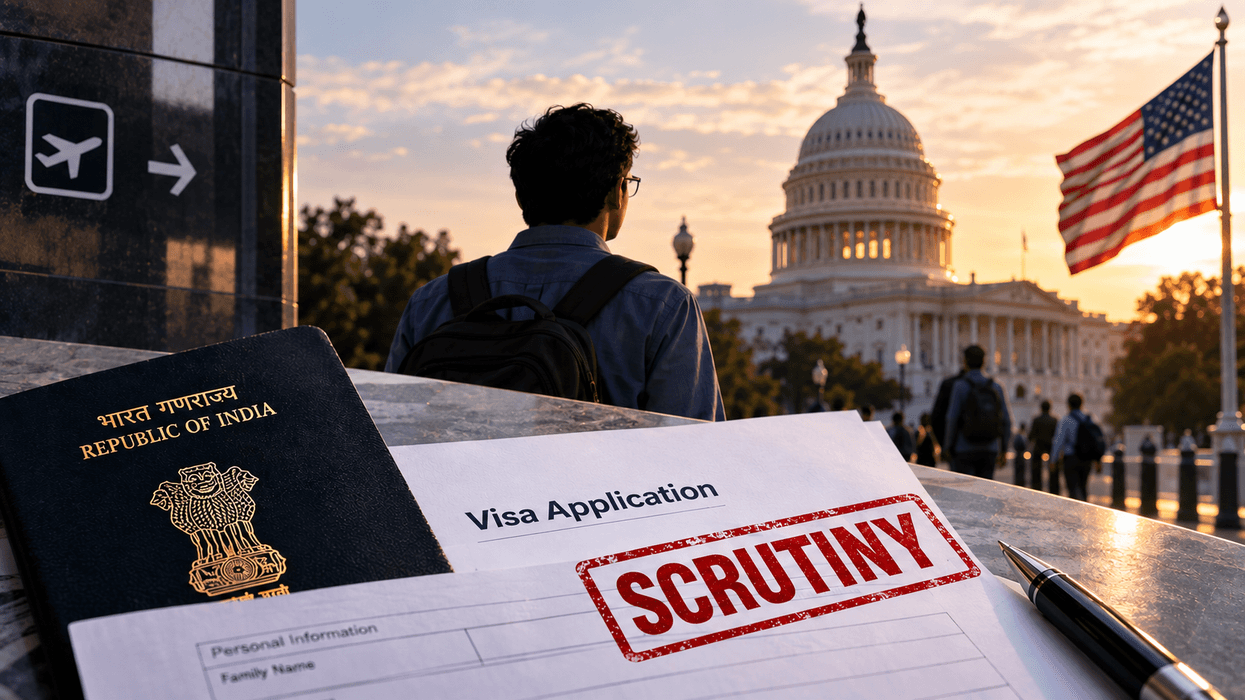

US President Donald Trump has explicitly urged major US tech companies such as Google, Microsoft, Meta, and Amazon to stop hiring workers overseas, particularly in India, and instead focus on creating jobs for Americans domestically. Speaking at an AI Summit in Washington on Thursday (24), Trump criticized the tech industry’s “globalist mindset” that, in his view, has led companies to take advantage of American freedoms while relocating jobs to countries like India and building factories in China. He declared that under his leadership, "those days are over," emphasizing a new era of patriotism and national loyalty in the tech sector.
Trump accused the largest tech firms of profiting from American innovation while outsourcing jobs, moving profits to low-tax countries such as Ireland, and censoring American citizens. He called on these companies to be "all in for America" and "put America first," framing this as essential for the US to win the global race in artificial intelligence.
To support this agenda, Trump signed three executive orders at the summit aimed at boosting American leadership in AI:
- A national strategy called "Winning the Race," designed to accelerate AI development by expediting the construction of data centers and easing infrastructure obstacles.
- A mandate that federally funded AI companies must develop politically neutral AI tools, banning what Trump termed “woke” AI models that, according to him, promote ideological bias. This includes government use of AI systems that must also avoid political or ideological influence.
- Measures to boost the export of American-made AI technologies, supporting full-stack AI development to enhance the competitiveness of US companies globally.
Trump also criticized the terminology “artificial intelligence” as misleading, suggesting the technology be recognized for its true genius and power. He positioned his administration’s AI policies as a reversal of prior restrictions, especially those imposed by the Biden administration, which he claimed hindered American AI exports and pushed allies toward China.
This move signals a more protectionist stance on tech hiring and development, with potential ramifications for Indian IT professionals and outsourcing firms if Trump or similarly aligned policies prevail. It reflects a broader US political trend emphasizing domestic job creation and technological sovereignty in the face of global competition.
In summary, Trump's message and executive actions represent a clear directive for US tech giants to reduce overseas hiring, particularly in India, and refocus investments and job creation within the United States to strengthen national interests in AI and technology innovation.