
Highlights:
- JD Vance said he presented Iran with a "final and best offer" before leaving talks in Pakistan.
- Donald Trump claimed, "They'd like to make a deal. Very badly, very badly."
- Iran accused Washington of "continued excessive demands" that led to failed negotiations.
- A fragile two-week ceasefire remains in place despite a US naval blockade around Iranian ports.
- Global diplomatic efforts are intensifying, with involvement from Russia, China, and European leaders.
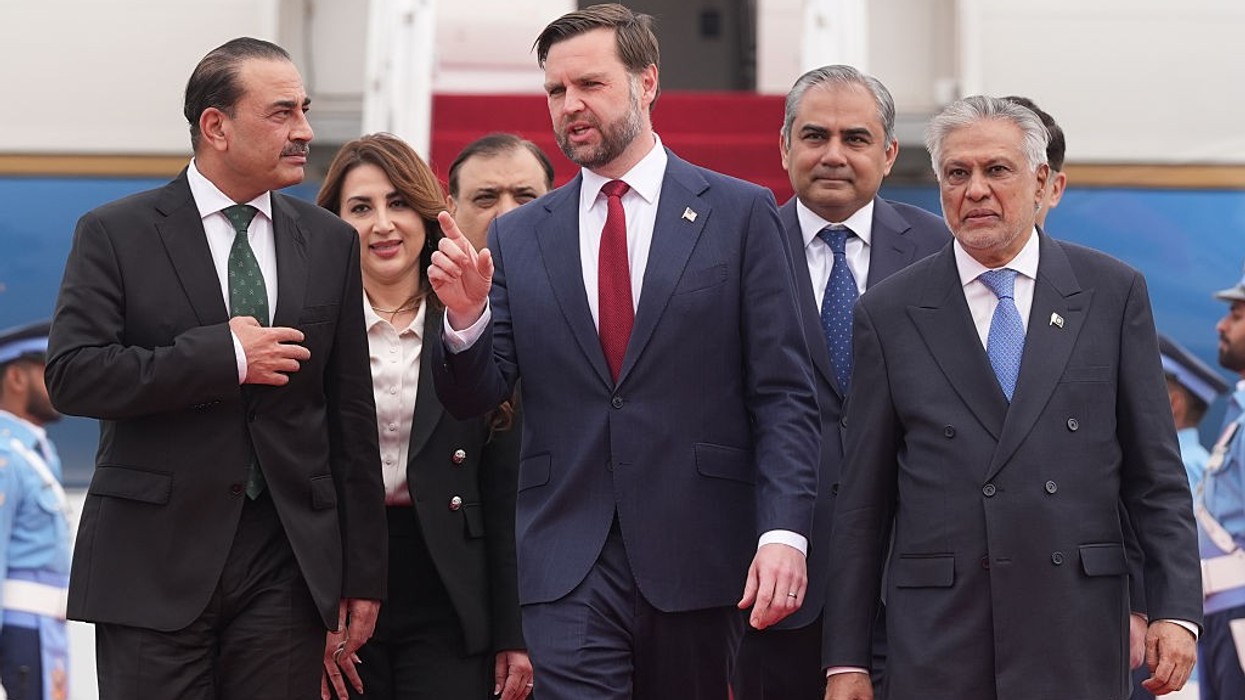
The United States said "the ball is in the Iranian court" as efforts ramped up Tuesday (14) to restart peace talks after weekend negotiations failed to produce an agreement. Vice president JD Vance left discussions hosted by Pakistan on Sunday (11), stating he had delivered Tehran the "final and best offer."
Iran blamed Washington for making maximalist demands but has not ruled out further negotiations, as international leaders push both sides back to the table. A fragile two-week truce agreed last Wednesday remains intact, even as the US launched a naval blockade of Iranian ports following Tehran’s closure of the Strait of Hormuz.
Despite tensions at the strait, through which about one-fifth of global oil supply passes, global markets reacted positively, with Asian equities rising and oil prices falling.
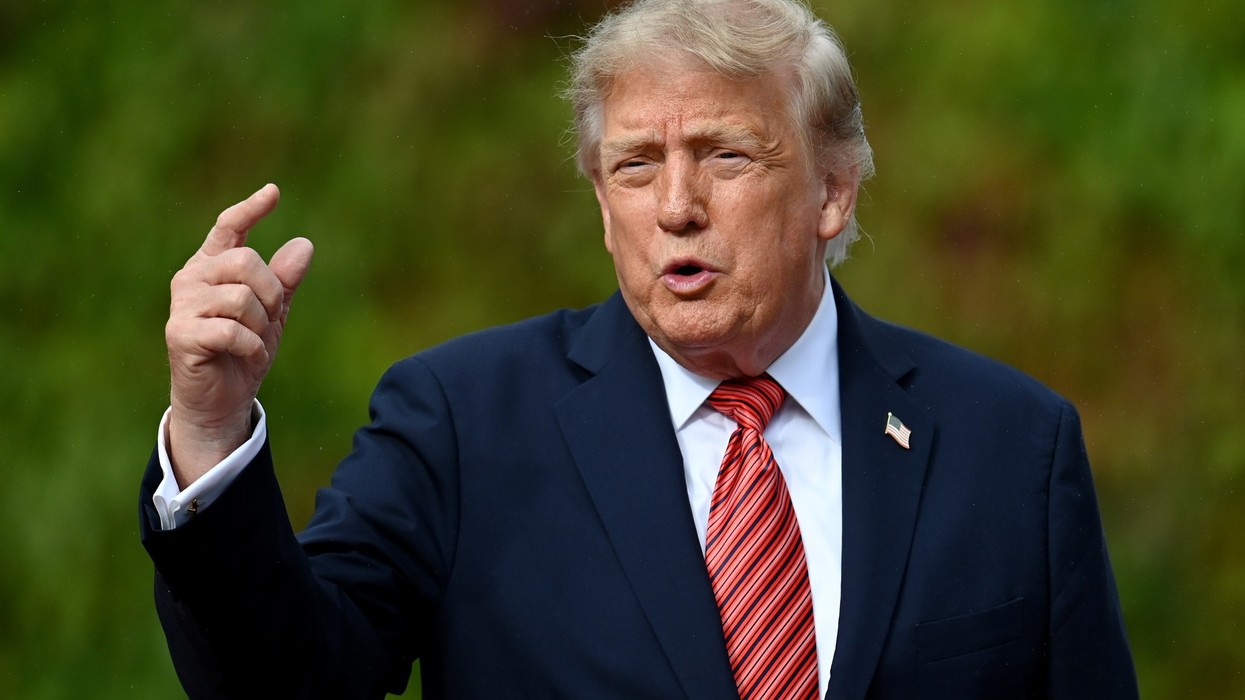
President Donald Trump said Iranian representatives had reached out after US officials returned from talks in Islamabad without a deal. "I can tell you that we've been called by the other side. They'd like to make a deal. Very badly, very badly," he told reporters.
Diplomatic activity expanded globally, with Sergei Lavrov arriving in Beijing after discussing the crisis with Iran’s foreign minister, Abbas Araghchi. Russia has предложed holding Iran’s enriched uranium as part of a potential agreement.
Trump has insisted any deal must prevent Iran from obtaining a nuclear weapon, an allegation Tehran denies. Reports say the US proposed a 20-year suspension of uranium enrichment, while Iran suggested a five-year pause, an offer Washington rejected.
Pakistan’s prime minister Shehbaz Sharif said "full efforts are underway" and that the ceasefire was "holding." Iran’s president Masoud Pezeshkian said, "We have clearly announced the terms of the ceasefire and we will adhere to it."
Meanwhile, tensions escalated at sea. Iran condemned the US blockade as a "grave violation of its sovereignty," while its military warned that if its ports were threatened, "no port in the Persian Gulf and the Arabian Sea will be safe."
Qatar’s prime minister Mohammed bin Abdulrahman Al Thani urged both sides to ensure freedom of navigation and avoid using key shipping routes as leverage.
China also criticized the blockade, emphasizing the importance of maintaining stability and open trade through the strait, while UN secretary-general Antonio Guterres called for protecting maritime access and highlighted the plight of thousands of sailors stranded in the Gulf.
French president Emmanuel Macron said France and Britain plan to host a conference on a "peaceful multinational mission" to secure the waterway, stressing it would be "strictly defensive."