
Highlights:
- India accused Pakistan of cross-border violence in Afghanistan.
- India cited UN estimates on Afghan civilian deaths and injuries.
- Ambassador Harish Parvathaneni called Pakistan hypocritical at the UN.
- India linked Pakistan to terrorism and regional instability.
- India raised concerns about drones and emerging technologies in conflicts.
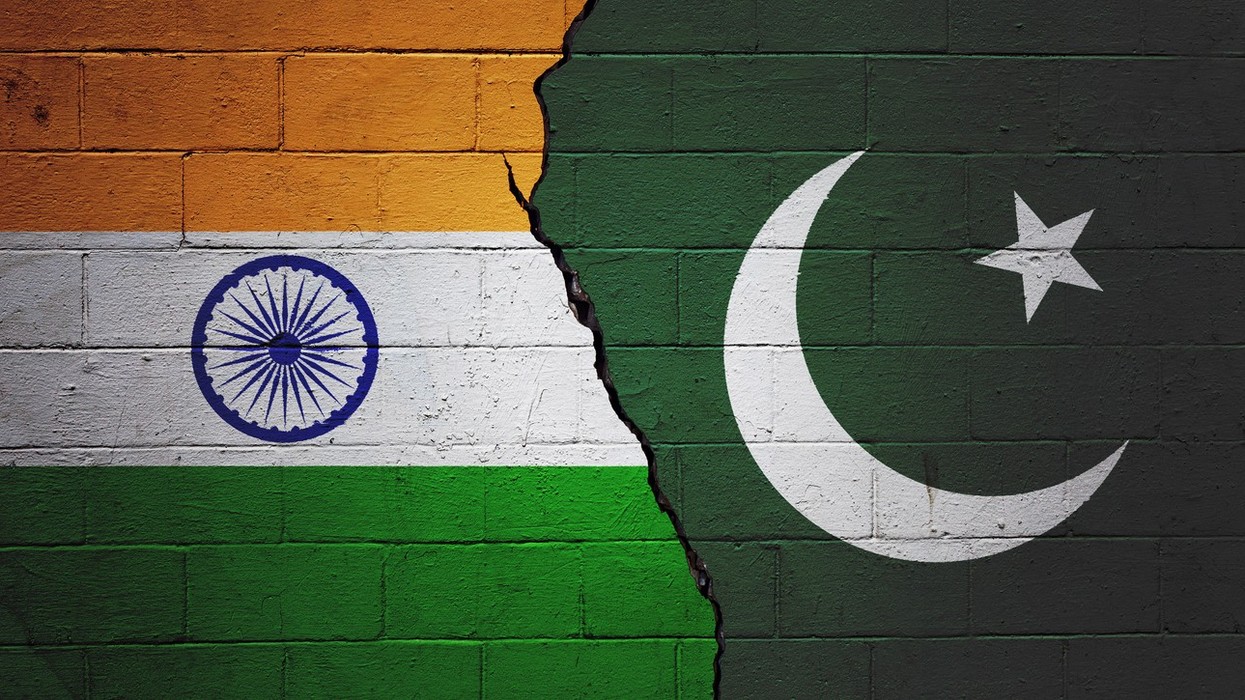
India sharply criticized Pakistan at the United Nations Security Council on Wednesday (20) after Pakistan raised the issue of Jammu and Kashmir during a debate on the protection of civilians in armed conflict.
India’s Permanent Representative to the UN, Harish Parvathaneni, accused Pakistan of carrying out cross-border violence against Afghan civilians and said such actions were consistent with its past conduct.
“It is ironic that Pakistan, with its long-tainted record of genocidal acts, has chosen to refer to issues that are strictly internal to India,” Parvathaneni said during the annual UNSC Open Debate held under China’s presidency for May.
He referred to estimates from the United Nations Assistance Mission in Afghanistan, which documented 750 civilian deaths and injuries in Afghanistan during the first three months of 2026 due to cross-border armed violence by Pakistani military forces.
According to UNAMA, 94 of the 95 incidents involving civilian casualties were linked to Pakistani security forces, most of them resulting from airstrikes.
Parvathaneni said the “world has not forgotten” that during the holy month of Ramzan in March, Pakistan carried out a “barbaric airstrike” on the Omid Addiction Treatment Hospital in Kabul.
Using UNAMA estimates, he said the “cowardly and unconscionable” attack killed 269 civilians and injured 122 others at the hospital, which he said “by no means can be justified as a military target”.
“It is hypocritical to espouse high principles of international law while targeting innocent civilians in the dark,” the Indian envoy said.
Parvathaneni added that the strikes happened after ‘tarawih’ evening prayers, when several patients were leaving the mosque.
He also cited UNAMA estimates that more than 94,000 people were displaced because of cross-border armed violence against Afghan civilians.
“But such heinous acts of aggression by Pakistan should not come as a surprise from a country that bombs its own people and conducts systematic genocide,” he said.
The Indian envoy referred to Operation Searchlight in 1971, when Pakistan carried out what he described as a “systematic” campaign of genocidal mass rape against 400,000 women in former East Pakistan, now Bangladesh.
“Such inhuman conduct reflects Pakistan's repeated attempts over decades to externalise internal failures through increasingly desperate acts of violence both within and beyond its borders. With no faith, no law, and no morality, the world can see through Pakistan's propaganda,” Parvathaneni said.
He also accused Pakistan of ignoring calls from Antonio Guterres to uphold international obligations related to the protection of civilians, including the principle of non-refoulement in the context of Afghanistan.
India also raised concerns over terrorism and its impact on regional peace and global security.
“India has been a victim of such form of terrorism for decades. States that sponsor, shelter or support terrorism must be held accountable,” Parvathaneni said.
He stressed that terrorism in all forms remains one of the biggest threats to civilians worldwide.
“No cause or grievance can justify deliberate attacks against civilians,” he said.
Parvathaneni also warned about the increasing use of missiles, bombs, drones, and other explosive weapons in cities and populated areas.
“The growing trend of use of drones to deploy explosive weapons in urban areas is especially concerning,” he said.
“The use of emerging technologies, including artificial intelligence and autonomous systems by parties to conflict must be in conformity with international law and humanitarian principles,” he added.
“Protection of civilians cannot be achieved through humanitarian responses alone. The targeted use of violence against civilians to achieve political objectives, including terrorism, must be addressed comprehensively,” the envoy said.