Highlights:
- Kirtan clubbing mixes devotion with live concert energy.
- Young audiences are embracing bhajans in modern formats.
- Singer Kavita Paudwal is leading the movement in India.
- Bhajan Clubbing Night 2.0 drew large crowds in New Jersey.
- Music, technology, and spirituality came together on one stage.
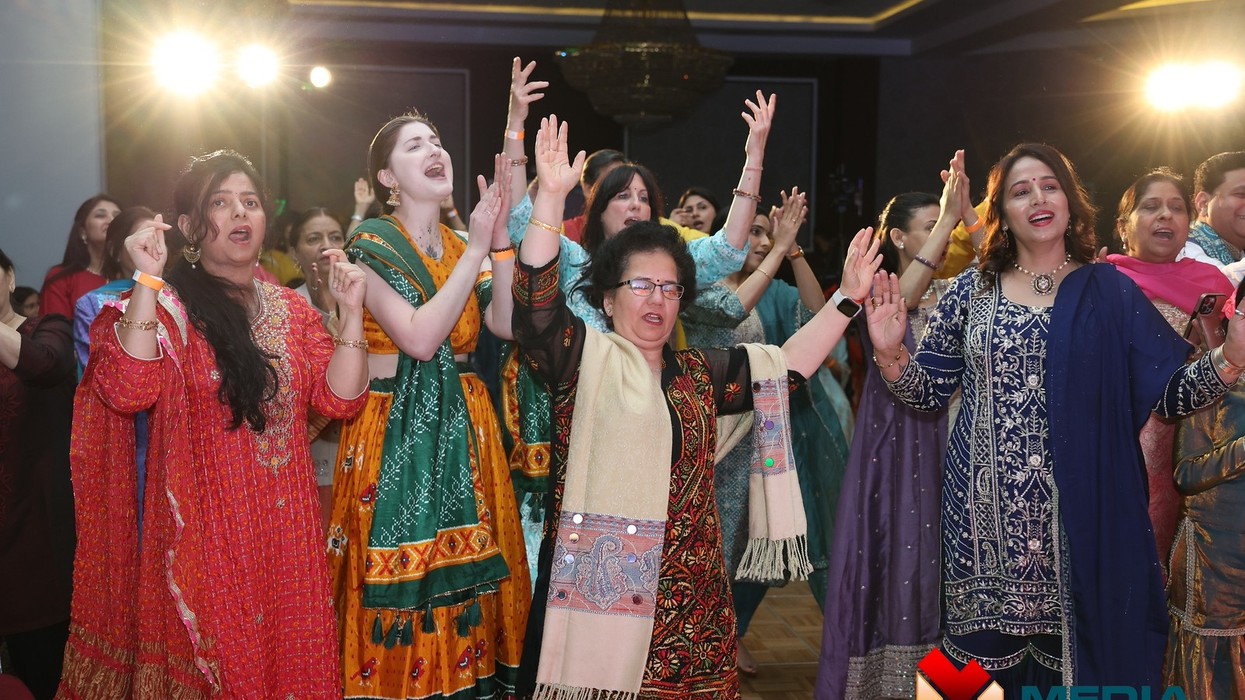
For many young Indians, devotional music is no longer limited to temples or prayer gatherings. Today, bhajans and kirtans are entering modern social spaces with flashing lights, live bands, giant LED screens, and energetic dance floors. This growing trend, known as kirtan clubbing or bhajan clubbing, is finding fans among younger generations both in India and abroad.
Singer Kavita Paudwal believes the movement reflects a deeper emotional need among young people searching for identity and connection.
“Think of it as the dal chawal you crave after a week of fast food, familiar and impossible to replace,” Kavita said. “It's like a little piece of home that you left behind, and you always crave to go back to.”
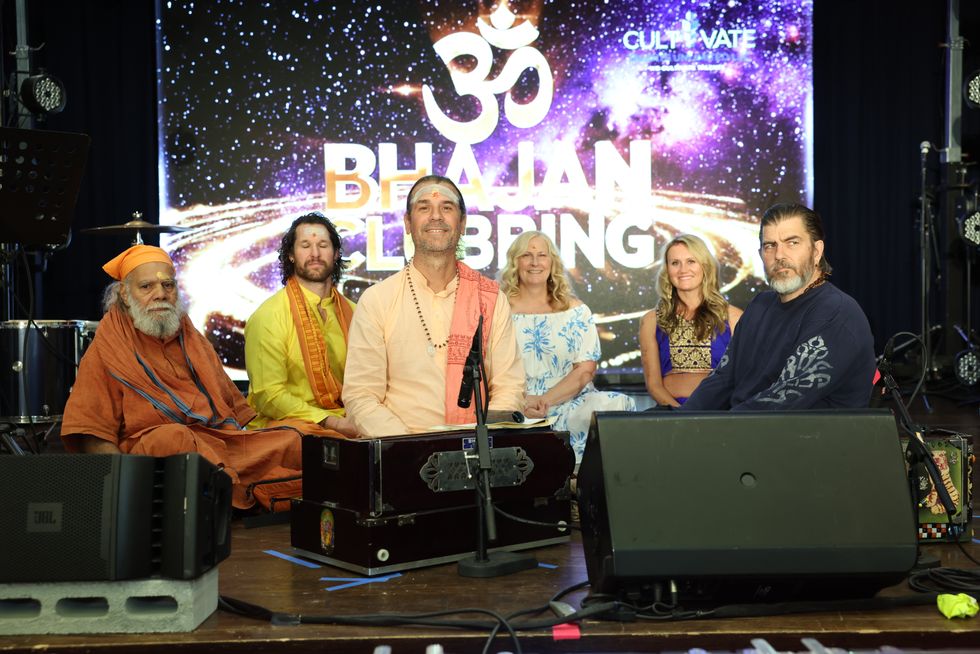 Bhajan ClubbingGoogle Drive
Kirtan clubbing combines traditional devotional music with modern sound production. Bhajans, chants, mantras, and aartis are performed with instruments like guitars, drums, dhols, and manjiras. The result is a spiritual experience with the energy of a live concert.
“Kirtan clubbing is basically a space where you do kirtans and really feel good about yourself. It's a space where you can party,” Kavita said.
The singer believes the format connects with Gen Z audiences because it presents devotion in a style they already understand. Young listeners are familiar with global pop culture, highly produced music, and immersive performances.
“Gen Z is used to listening to K-pop or a Taylor Swift song and, God willing, someday we'll be able to give it the same kind of production but as of now, we're trying to give it the same kind of sound, but the soul remains that of a kirtan,” she said.
Kavita, daughter of playback singer Anuradha Paudwal, is now taking devotional music across India through her traveling project, Kirtan Klub. She plans to organize 52 shows a year, beginning in Mumbai at Ajiwasan Hall in Juhu.
At the same time, the trend is also growing strongly in the United States. On May 2, 2026, Indian Cultural Center of South Jersey hosted Bhajan Clubbing Night 2.0, organized by Cultivate Talents Unlimited LLC founders Jyotsna Sharma and Tarun Sharma.
The event attracted hundreds of people from across the Tri-State area. Attendees ranged from 10 to 85 years old. Many spent more than three hours dancing and singing in a call-and-response format.
The show combined devotional music with advanced concert technology. Under the creative direction of Tarun Sharma, the production used AI and machine learning to create digital visuals on giant LED screens. The visuals moved in sync with the live singers and musicians, creating an immersive spiritual atmosphere.
Several community leaders attended the event, including entrepreneur Piyush Patel, spiritual leader Pandit Praveen Shastri, philanthropist Anu Kumari, and politician Vijay Jolly.
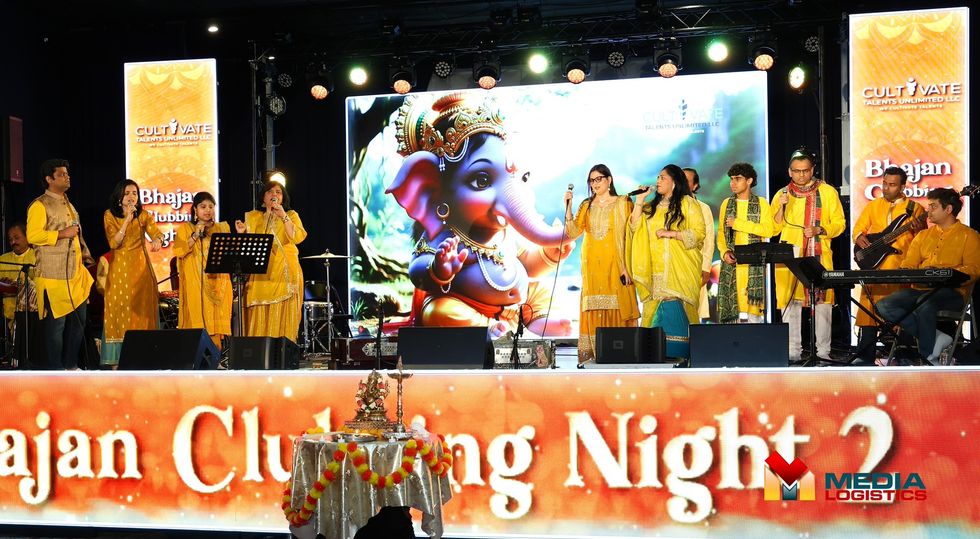 Bhajan Clubbing Night 2Google Drive
The evening began with a Ganesh Vandana, followed by devotional performances by Kevin and Krishna Das Sharma and their team. Later, a 15-member live ensemble performed nonstop bhajans focused on Lord Ram, Hanuman, Devi Maa, Shiva, and Radha Krishna.
One of the emotional highlights came during the Shiv Tandav Strotam performance by 16-year-old vocalist Ishaan Manurker. His performance moved the audience deeply, and community leader Rajiv Tiwari later announced support for his future college internship and first semester fees.
The night also included the launch of the album “Shiv ki Mahima” by singer Rajan Sharma before ending with a collective performance of “Aarti Kunj Bihari Ki.”
As devotional music evolves with modern production and technology, organizers and artists believe the spiritual message remains unchanged. The goal, they say, is not to replace tradition, but to present it in a way that younger generations can feel, celebrate, and carry forward.



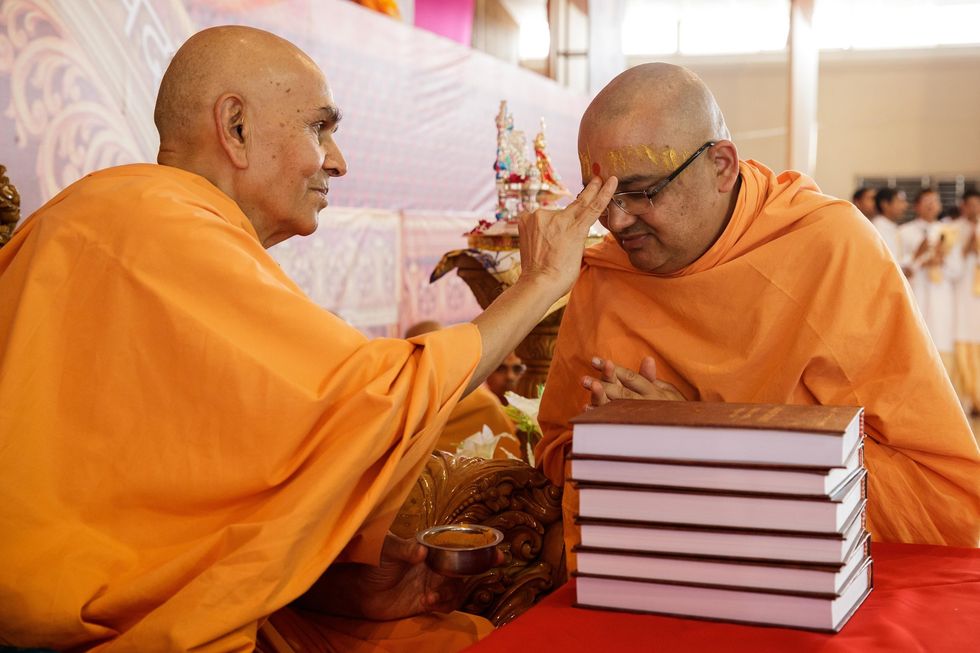 HH Pramukh Swami Maharaj blessing Dr. Bhadreshdas SwamiBAPS
 BAPS charities walk-run draws thousandsbaps.app.box.com
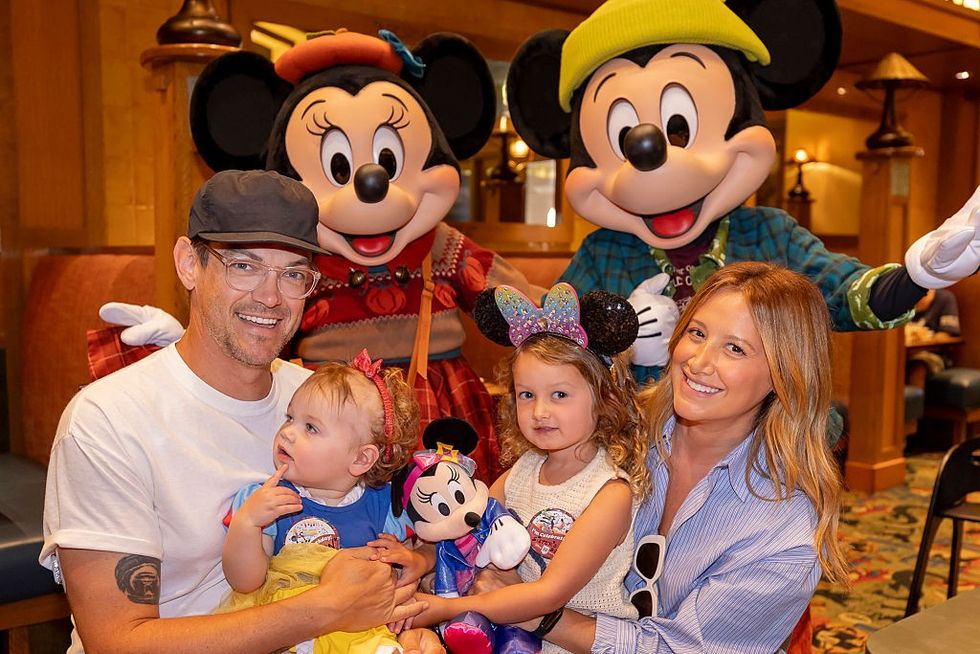 In this handout image provided by Disneyland Resort, actress Ashley Tisdale (R) and family pose with Mickey Mouse and Minnie Mouse while dining at Storytellers Cafe on September 3, 2025 in Anaheim, California. Ashley spent the day celebrating daughter Emerson's first birthday at Disneyland Resort during Halloween Time, which runs now through Oct. 31, 2025. Getty Images