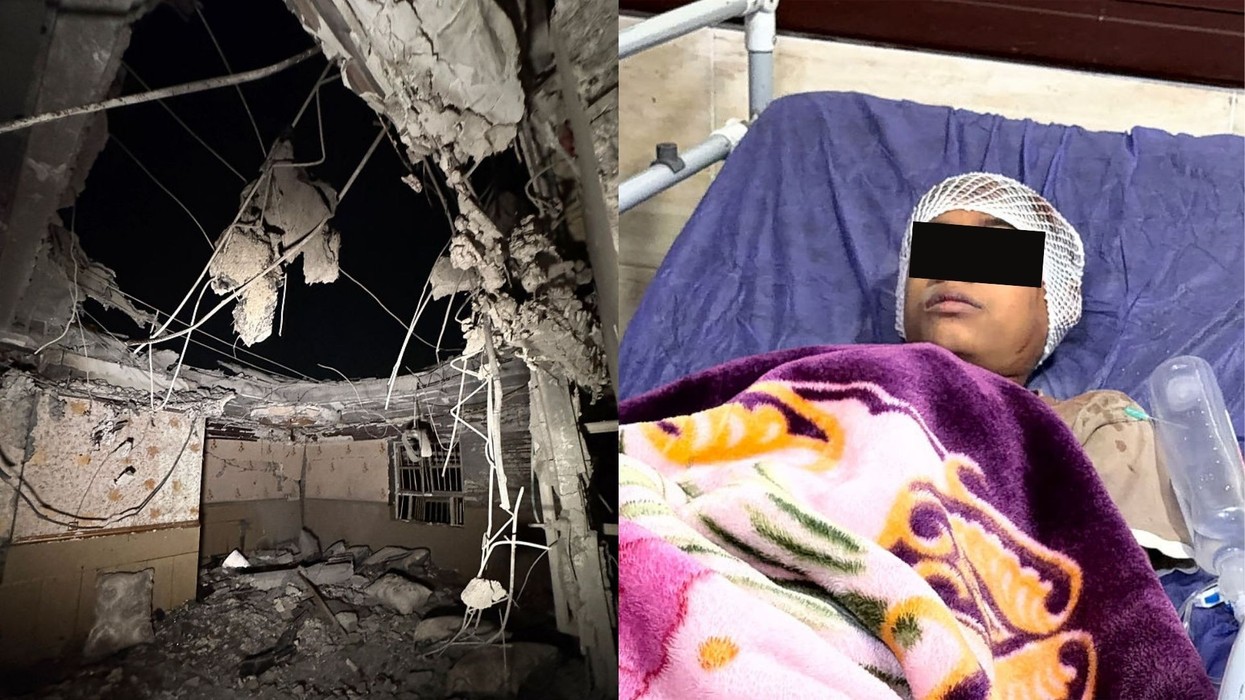

- At least five people were killed and 67 wounded, according to Iranian authorities.
- The strike hit a residential area where a wedding celebration was taking place.
- Children and women were among those injured, according to local accounts.
- The US says it does not target civilians and disputes the Iranian framing of the attack.
- Weapons analysts identified the munition as American, though reporting differs over the precise weapon involved.
The evening in Kuhestak was supposed to be about a new beginning.
In this small port city in southern Iran, a wedding had drawn families and neighbours together. Women had decorated their hands with intricate henna. Children played as preparations continued. Inside the home, carpets and cushions had been arranged and a festive meal was about to be served.
Then, around 9:30 p.m. on Tuesday (1), the sound of an incoming weapon broke through the celebration.
A residential building was struck, bringing down part of its roof and scattering concrete, glass and personal belongings through the area. What had been a wedding became a frantic search for the wounded.
Iranian authorities said five people were killed and 67 injured. The victims included children, according to local officials and humanitarian authorities.
The US Central Command said it was conducting strikes against Iranian military-related targets, including communications sites, as part of a wider escalation around the strategically vital Strait of Hormuz. It said the U.S. military does not target civilians.
But in Kuhestak, survivors were left trying to understand how a night of celebration had ended in bloodshed.
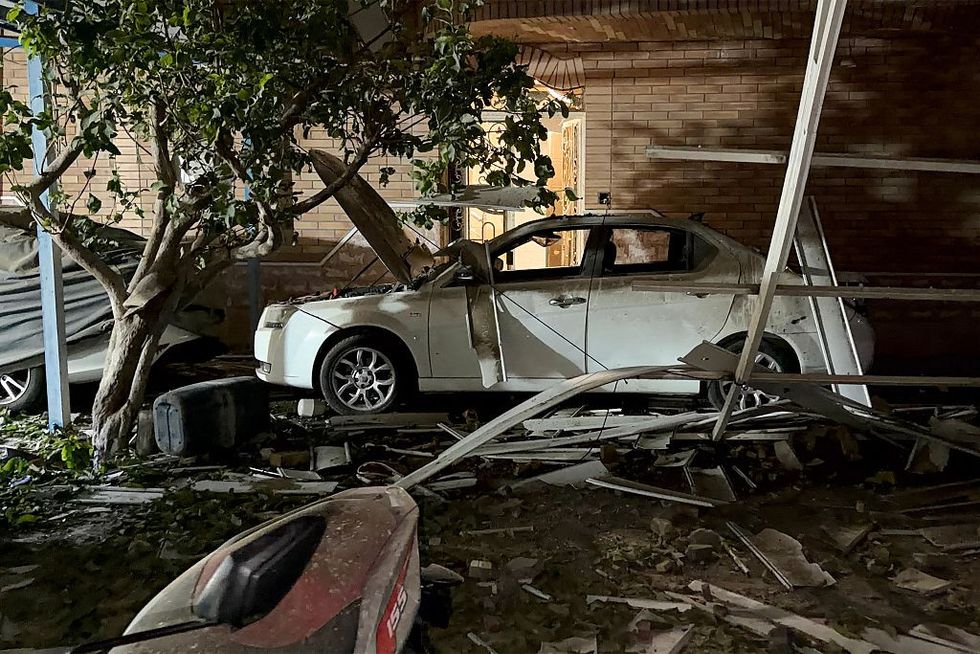 Getty Images
“Last night was the first night!”
Among the wedding guests was a woman named Motahareh.
The night before the attack, she had posted a photograph from the women's henna gathering. She was smiling, wearing a lilac headscarf and floral robe, her hands decorated for the celebration.
Her message captured the excitement of a wedding just beginning:
“Last night was the first night!”
Within hours, the same celebration had become a memory of devastation.
In another post after the strike, Motahareh appeared in the same lilac scarf. But the joy was gone. Her face was marked with red stains and her eyes were smeared with makeup.
“Tonight was supposed to be a night of love and laughter,” she wrote. “But the wedding turned into mourning, and a sweet night will forever be bitter.”
Her account offers a glimpse into the human cost behind the military language of targets, communications sites and retaliation.
“we all heard the explosion.”
A local photographer identified as Kian was roughly 500 yards from the Malahi family home when he heard what he described as a strange sound coming from the direction of the sea.
“Almost like a whistle, a whistle coming from the direction of the sea,” he said.
Then came the explosion.
“we all heard the explosion.”
Electricity and mobile phone connections went down. The smell of gunpowder filled the air. As Kian moved towards the damaged home, he heard people screaming and crying.
“People were carrying small children in their arms,” he said, “trying to get them to the hospital in pickup trucks and any vehicles they could find.”
The attack appeared to have struck the part of the wedding gathering reserved for women, according to Kian. That, he said, was why so many of those injured were women and children.
Among those killed was 16-year-old Mohammad Malahi. Kian said the teenager's family struggled to identify him, eventually using the mobile phone found on his body.
Provincial officials also identified victims including four-year-old Amir Ali Karimi, Mohammad Malahi, 43-year-old Kolsoum Malahi and 43-year-old Zarkhatoun Taheri. Casualty details have varied between reports as authorities continue to document the dead and injured.
“Damn war.”
The physical evidence has also become part of a contested investigation.
The New York Times reported that weapons expert Trevor Ball, a former U.S. Army explosive ordnance disposal technician, examined remnants photographed at the scene and identified components consistent with an American Joint Standoff Weapon, or JSOW, a type of glide bomb.
Other reporting has differed over the precise munition involved, underscoring why weapon identification should be treated cautiously while investigations remain incomplete.
The U.S. military has not acknowledged targeting the wedding.
Capt. Tim Hawkins, a U.S. Navy spokesman for Central Command, said: “We are aware of reports, which originated from Iranian state media. The U.S. military never targets civilians, unlike the IRGC.”
Iranian officials have condemned the strike as a war crime. Iran's Red Crescent said its head had asked the International Criminal Court prosecutor to investigate.
International law professor Adil Haque said the attack required an explanation, arguing that, based on the available information, there appeared to be no military target at the building.
The incident was also part of a much wider night of strikes. U.S. forces said they were targeting Iranian air defenses, radar systems, maritime capabilities, mine-laying infrastructure and communications sites. Iranian media reported explosions in several other coastal locations.
For the people of Kuhestak, however, the broader military operation offered little comfort.
The bride and groom survived.
Others did not.
At the hospital in nearby Minab, medical workers waited with stretchers as wounded wedding guests arrived. Videos showed children receiving treatment, while adults carried injured relatives through the chaos.
And amid the rubble of what should have been a night of celebration, Motahareh left a final, devastating message:
“They weren’t enriching uranium at the wedding, nor was the wedding close to a military area.”
“Damn war,” she added. “God help us.”




 Chazzy Patel with his electric bike and the memories captured in frames.Google Drive
 Chazzy Patel with his friends he made while circumnavigating on electric bike.Google Drive
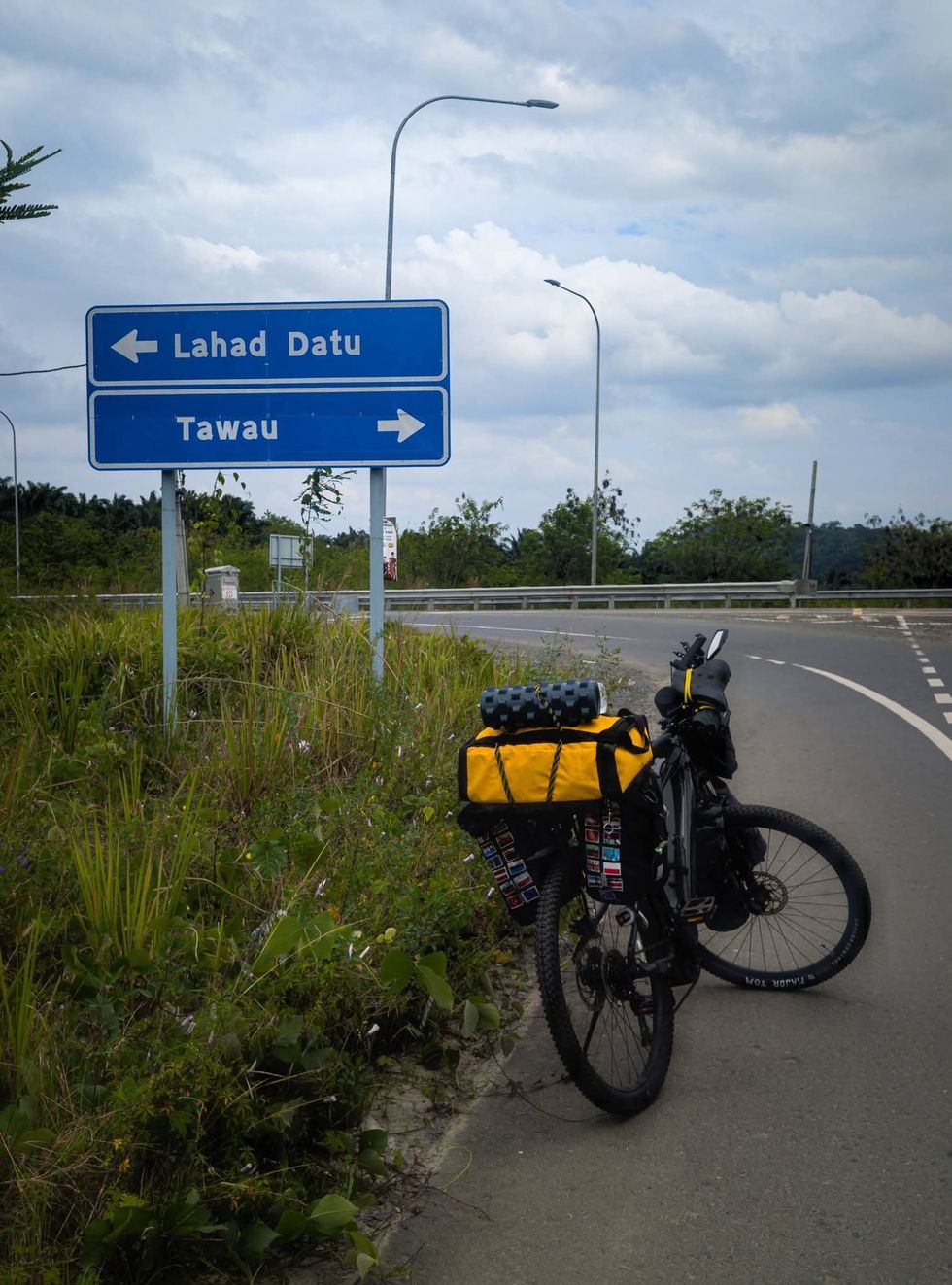 Chazzy Patel's setup in ThailandGoogle Drive





 Outlook
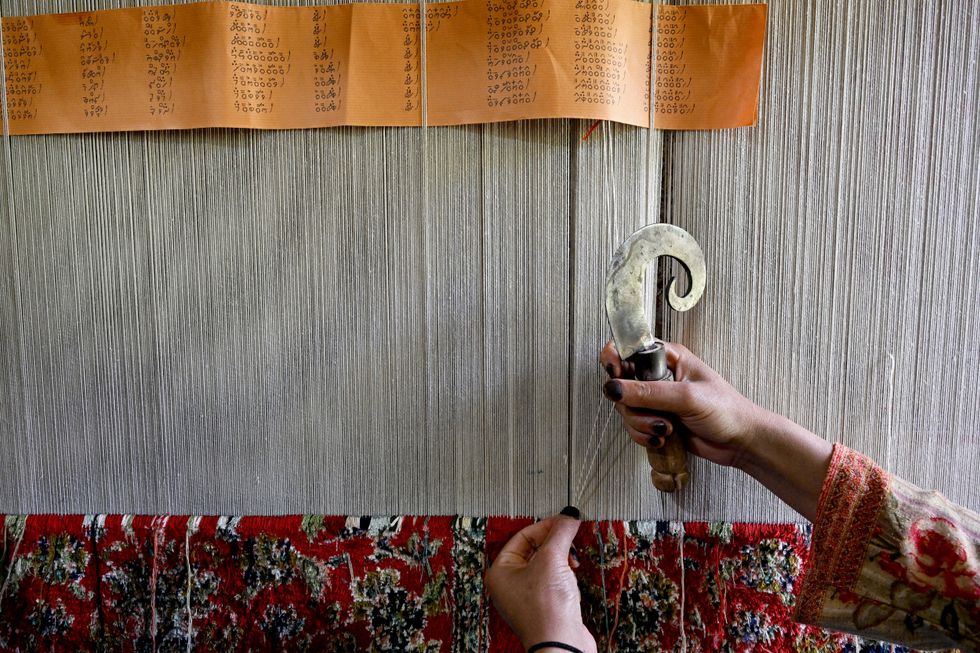 A Kashmiri craftswoman weaves a silk carpet at a factory in SrinagarTauseef Mustafa/AFP via Getty Images
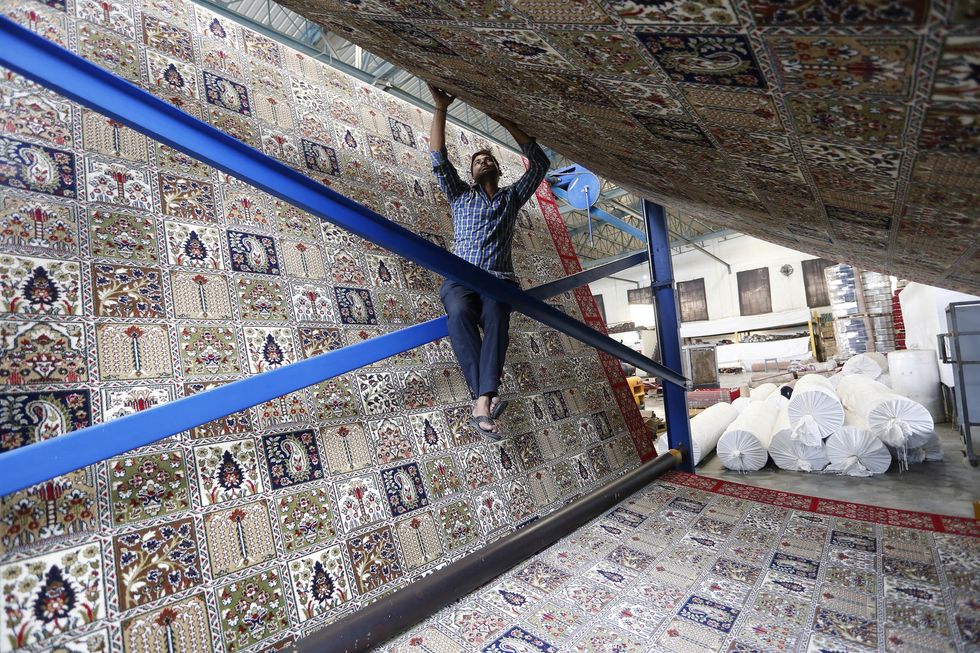 A worker weaves a carpet at a factory on the outskirts of JammuAlok pathania/AFP via Getty Images
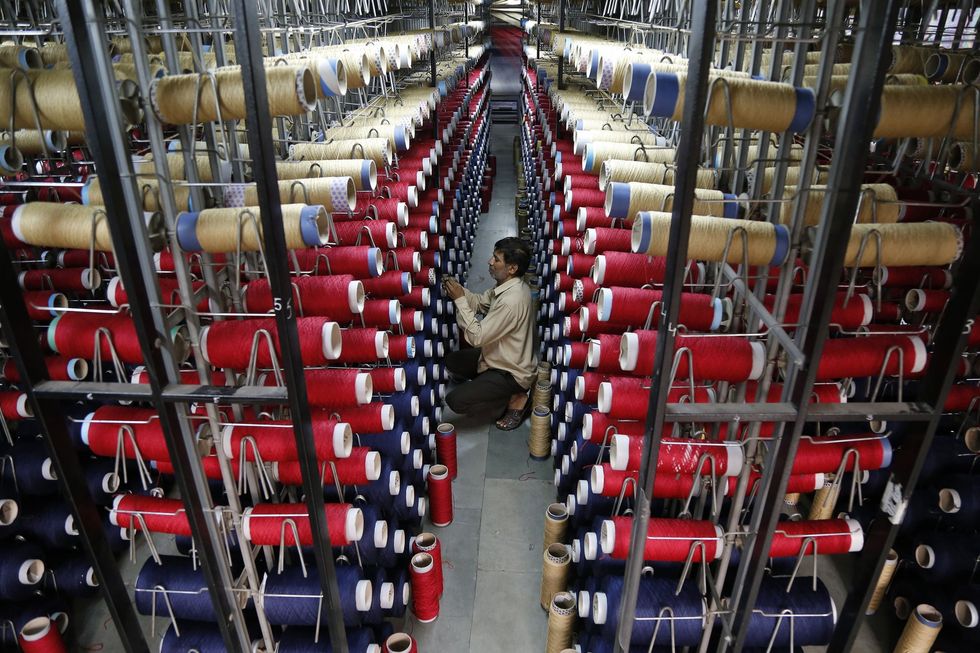 A worker checks thread reels at a carpet factory in JammuAlok pathania/AFP via Getty Images